
LoRaWAN Water Meter Buying Guide: Certification, Connectivity, and Compliance
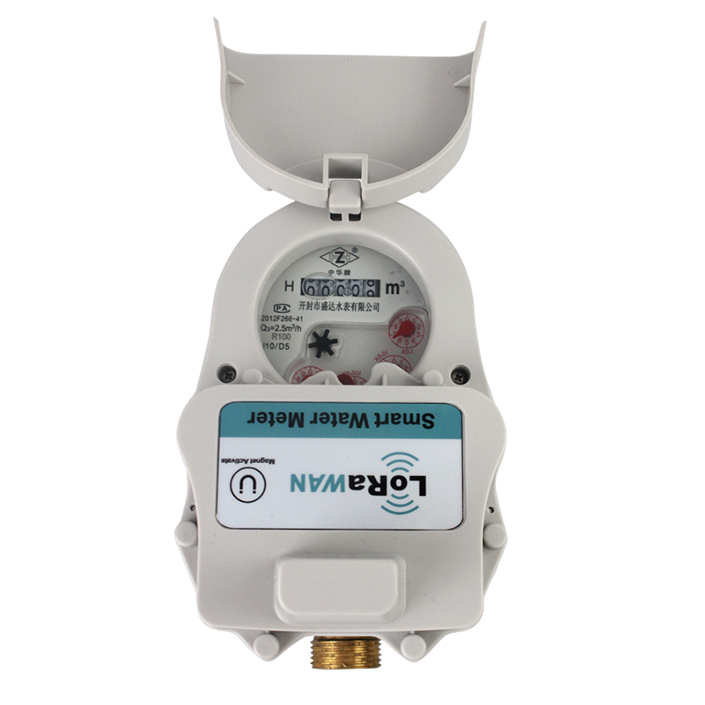
The Role of LoRaWAN in the Smart Water Meter Market
Smart water metering has moved from pilot projects to wide-scale utility deployment, and LoRaWAN water meters have become a common connectivity choice for residential, commercial, and municipal projects. Purchasers evaluating smart water meters are often comparing certification coverage, communication protocols, battery life, and total deployment cost. This buying guide examines what a LoRaWAN water meter actually delivers, how it compares with other connectivity options, and what technical and compliance criteria matter during supplier evaluation.
LoRaWAN is a low-power wide-area network (LPWAN) protocol designed for battery-operated IoT devices. For water meters, it enables long-range wireless data transmission—often several kilometers in open environments—while allowing the meter to operate on lithium batteries for up to ten years. These characteristics make LoRaWAN particularly relevant for utilities that need to read meters across a city without deploying extensive cabling or relying on cellular coverage in every meter pit.
This article is written for utility buyers, project managers, and OEM buyers who are in the research or evaluation phase and need clarity on how LoRaWAN water meters are specified, certified, and applied.
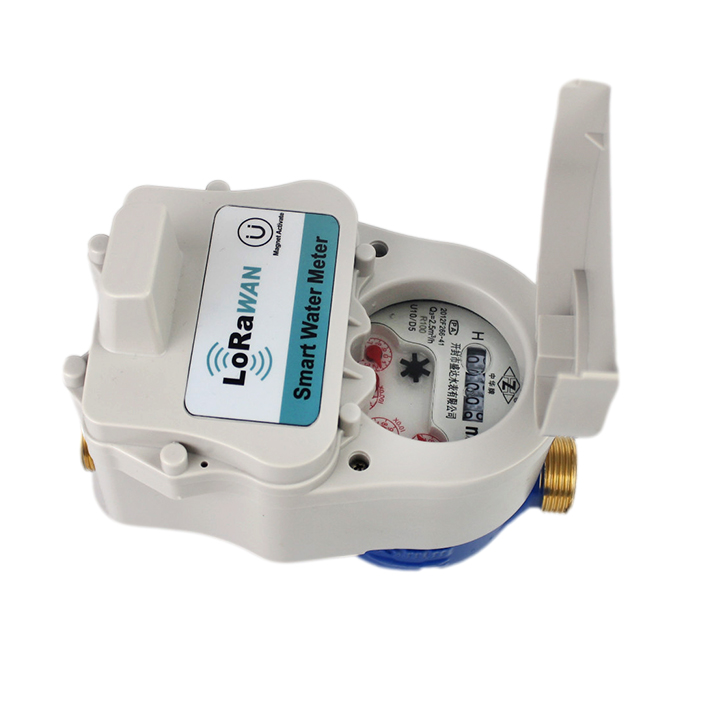
Why LoRaWAN Water Meters Are Gaining Traction
Water utilities face a common set of pressures: non-revenue water (NRW) from leaks, manual reading costs, billing disputes, and the need for better consumption data. A LoRaWAN smart water meter addresses these problems by enabling automatic meter reading (AMR) and supporting advanced metering infrastructure (AMI). With remote shut-off valve control and alarm functions, it also gives utilities a tool to manage supply remotely.
LoRaWAN offers several practical advantages for water metering:
- Long-range coverage: Communication distance can reach several kilometers depending on environment, reducing the number of gateways required.
- Low power consumption: Battery life can reach up to 10 years, minimizing maintenance visits.
- Standards-based protocol: LoRaWAN is supported by the LoRa Alliance and can integrate with IoT cloud platforms.
- Private or public network flexibility: Utilities can deploy their own gateways or use public LoRaWAN networks.
- Bidirectional communication: Supports remote valve control and over-the-air configuration.
For buyers, the main question is not whether LoRaWAN is useful, but how a specific meter implements it—what frequency bands are supported, what battery life is achieved, what alarms are available, and what certifications back the metrological performance.
Defining the LoRaWAN Water Meter: What It Is and What It Does
A LoRaWAN water meter is a water meter with a built-in LoRaWAN communication module. It measures water consumption locally and transmits readings wirelessly to a LoRaWAN gateway, which forwards the data to a network server and then to a cloud platform. The meter can be read on demand or at configured intervals, and it can report alarms such as leakage, low battery, reverse flow, tampering, and abnormal consumption.
The measurement engine inside a LoRaWAN water meter can be either mechanical or ultrasonic. Both options are available in the market. Ultrasonic models use transit-time technology with no moving parts, which reduces mechanical wear and improves low-flow sensitivity. Mechanical models are typically more cost-effective and are widely used in residential projects.
How LoRaWAN Compares to Other Smart Water Meter Connectivity Options
Buyers evaluating smart water meters are often comparing LoRaWAN, NB-IoT, 4G, M-Bus, and RS485. Each technology has a different deployment profile.
| Connectivity | Network Type | Typical Communication Distance | Infrastructure Requirement | Best Suited For |
|---|---|---|---|---|
| LoRaWAN | Low-power WAN (LPWAN) | Several kilometers (environment-dependent) | LoRaWAN gateway + network server | City-wide AMR/AMI, residential, municipal water networks |
| NB-IoT | Cellular LPWAN | Cellular coverage area | Mobile network operator | Projects where cellular coverage is reliable and SIM-based operation is acceptable |
| 4G | Cellular broadband | Cellular coverage area | Mobile network operator | High-frequency data upload, remote valve control, high-end residential and commercial sites |
| M-Bus | Wired | Up to 1000 meters | M-Bus master + cabling | European building and utility projects with existing wired infrastructure |
| RS485 | Wired | Up to 1200 meters | RS485 bus + wiring | BMS, SCADA, PLC integration in buildings and industrial sites |
No single technology is universally superior. LoRaWAN tends to be attractive when a utility wants to own its network infrastructure or when coverage is needed across a wide area. NB-IoT and 4G are attractive where cellular infrastructure is already reliable, but they involve SIM management and recurring connectivity fees. Wired options like M-Bus and RS485 are highly stable but require cabling, which raises installation cost in distributed residential settings.
Key Technical Specifications Buyers Should Check
When comparing LoRaWAN water meters, buyers should review a consistent set of specifications. The following table summarizes the typical parameters for a LoRaWAN ultrasonic water meter and a LoRaWAN mechanical water meter, based on publicly documented product data.
| Parameter | LoRaWAN Ultrasonic Water Meter (LXSC) | LoRaWAN Water Meter (LXSY) |
|---|---|---|
| Nominal Diameter | DN15 – DN600 | DN15 – DN300 |
| Flow Ratio (R Value) | R250 / R400 / R500 | R80 / R100 / R250 / R400 / R500 |
| Measurement Technology | Ultrasonic transit-time | Mechanical (dry/wet dial) or ultrasonic (optional) |
| Communication | LoRaWAN (EU868 / US915 / AS923 / AU915) | LoRaWAN, frequency 433–923 MHz |
| Battery Life | Up to 10 years | Up to 8–10 years |
| Protection Class | IP68 | IP68 |
| Max Working Pressure | PN10 / PN16 | PN16 |
| Water Temperature | 0°C to +50°C | T30 / T90 |
| Working Temperature | -20°C to +60°C | -20°C to +60°C (typical) |
| Valve Control | Optional remote shut-off valve | Optional remote shut-off valve |
| Alarm Functions | Leakage, low battery, reverse flow, tamper, empty pipe | Leakage, low battery, reverse flow, tamper, abnormal usage |
| Certification | CE / MID (optional) | MID / CE / ISO4064 |
| Installation | Horizontal / Vertical | Horizontal / Vertical |
Body Material Options
Body material affects durability, price, and suitability for different water qualities. LoRaWAN water meters in the LXSY/LXSC series are commonly offered in brass, stainless steel, or composite material (nylon). Brass is a standard choice for residential meters due to its durability and corrosion resistance. Composite material lowers cost and weight. Stainless steel is used in higher-end or more corrosive environments.
Battery Life and Power Supply
Battery life is one of the most important operational factors for wireless water meters. The LXSY LoRaWAN water meter uses an ER18505M lithium battery with a capacity of 3600mAh, designed to last up to 8–10 years. The LXSC ultrasonic LoRaWAN meter is also designed for up to 10 years of operation. Buyers should confirm that the battery life claim is based on the configured upload interval, as more frequent transmission reduces battery life.
Certifications and Compliance: What a Buyer Should Verify
Certification is a core evaluation criterion for water meters because accurate metering is legally significant and export markets often require specific approvals. For LoRaWAN water meters, the most relevant certifications are:
- MID (2014/32/EU): The Measuring Instruments Directive is required for water meters used in billing in the European Union. The LXSY LoRaWAN water meter (DN15–DN20) is certified under EU-Type Examination Certificate MID-2759-2000003. The LXC/LXC-V ultrasonic water meters are certified under MID Module B certificate M4 69267376 0001 issued by TÜV Rheinland.
- CE: CE marking indicates conformity with applicable EU directives. LXSY and LXLC models are covered by CE certificate No. 4Z210830.KSWTN30 under ISO 4064-1:2014 and related standards.
- ISO 4064: The international standard for cold potable water meters. Most LXSY/LXSC series models comply with ISO 4064.
- ISO 9001 / ISO 14001 / ISO 45001: Quality, environmental, and occupational health & safety management system certifications held by the manufacturer. These are not product certifications but matter for supplier qualification.
- RoHS: The LXC ultrasonic water meter series is RoHS certified, which restricts hazardous substances.
When reviewing certificates, buyers should check the exact model and size range covered, the issuing body, the certification number, and the validity period. For example, the MID Module B certificate MID-2759-2000003 covers LXSY Series Water Meters (DN15–DN20) and is valid through 2030. This level of detail is what separates a serious procurement review from a superficial one.
How Shengda Water Meter Co., Ltd. Fits the LoRaWAN Water Meter Supply Chain
Shengda Water Meter Co., Ltd. (SDWM) is a Chinese manufacturer established in 1995, based in Kaifeng, China. The company produces smart water meters, ultrasonic water meters, LoRaWAN water meters, prepaid water meters, and electromagnetic flow meters. It operates a 66,000 m² factory and reports an annual production capacity of around one million units. Products are exported to more than 140 countries, with main markets including the USA, South America, Africa, and Southeast Asia.
For LoRaWAN water meters specifically, SDWM offers both mechanical (LXSY) and ultrasonic (LXSC) models. The LXSY LoRaWAN water meter is available in DN15–DN300 with frequency bands from 433 to 923 MHz and battery life up to 8–10 years. The LXSC LoRaWAN ultrasonic water meter covers DN15–DN600 with R250/R400/R500 accuracy and battery life up to 10 years.
The manufacturer holds ISO9001, ISO14001, and ISO45001 system certifications. Product-level certifications include CE, MID, and ISO4064. The STS prepaid water meter also holds STS Association certification. This combination of manufacturing scale, certification coverage, and export experience makes the company a relevant reference point for buyers evaluating LoRaWAN water meter suppliers.
Practical Applications of LoRaWAN Water Meters
LoRaWAN water meters are deployed across a range of use cases. The following patterns are common in the industry.
Municipal Smart Water Metering and AMR/AMI Projects
Utilities deploying city-wide smart metering often choose LoRaWAN because it allows them to own the network layer. Meters connect to gateways placed on poles or rooftops, and data flows to a cloud platform for billing, leakage detection, and water balance analysis. In such projects, the ability to support remote reading, historical data storage, and alarm functions is essential.
Residential and Apartment Water Metering
For apartments, residential properties, and dormitories, LoRaWAN meters reduce the cost and inconvenience of manual reading. They also support remote valve control, which can be used for non-payment disconnection or emergency shut-off. Battery life of up to 10 years is especially valuable in residential buildings where access to meters is difficult.
Prepaid Water Management
LoRaWAN can also serve prepaid water management. Remote valve control allows the utility to shut off supply when credit is exhausted. Some markets combine LoRaWAN communication with STS token-based prepayment. The STS prepaid water meter model LXS-S supports LORA-RF communication, remote valve control, and integration with third-party payment systems.
Industrial and Bulk Water Measurement
For large-diameter pipes, LoRaWAN communication can be added to Woltman water meters or ultrasonic meters. The Woltman meter model LXLC/WPH, for example, covers DN50–DN600 and can be equipped with LoRaWAN or NB-IoT modules for remote monitoring in municipal supply networks, DMA systems, and industrial water measurement.
HVAC and Commercial Building Management
In commercial buildings, LoRaWAN water meters can support sub-metering for tenants and integration with building management systems. Wired options like RS485 and M-Bus are also common in BMS integration, but LoRaWAN avoids the need for cabling in retrofit projects.
Evidence from Real Deployments
A government water utility in Mongolia deployed 15,000 units of the LXSY LoRaWAN water meter for smart water metering and remote reading, with the project awarded through a government tender. The solution used OEM branding and LoRaWAN communication as part of a smart city deployment. In Zimbabwe, a municipal water supply project used more than 4,000 prepaid water meters, supporting 20-digit STS tokens, remote recharge, automatic billing, and remote valve control. A water utility in Sudan was awarded a government tender for 10,000+ ultrasonic water meters under OEM branding. These examples illustrate that LoRaWAN and smart metering solutions are being deployed at scale in emerging markets and government projects.
Trade-offs and Limitations of LoRaWAN Water Meters
While LoRaWAN is a strong fit for many projects, buyers should also understand its constraints.
- Network dependency: LoRaWAN requires gateway infrastructure. In areas without public LoRaWAN coverage, the utility must deploy and maintain its own gateways. This adds initial cost.
- Data rate is low: LoRaWAN is not designed for large data payloads. It suits regular meter readings and alarm packets, but not high-frequency streaming of large datasets. 4G/NB-IoT may be better for applications requiring frequent uploads or larger payloads.
- Frequency band coordination: LoRaWAN operates in regional ISM bands. A meter configured for EU868 will not work in the US915 band. Buyers must specify the correct frequency band for their region.
- Battery life varies with configuration: Changing the data upload frequency, enabling valve control, or operating in harsh temperatures can reduce battery life below the nominal figure. Buyers should ask for battery life calculations based on their actual deployment profile.
- Signal penetration in underground pits: Although LoRaWAN has long range, installation in underground pits with metal lids can attenuate the signal. Antenna placement and gateway density must be planned carefully.
These limitations are not unique to LoRaWAN, but they should be part of the project planning discussion before committing to a specific technology.
Market Trends Shaping the Future of Smart Water Metering
Several trends are influencing the smart water meter market and the role of LoRaWAN within it.
Shift from AMR to AMI: Utilities are moving from simple automatic meter reading to advanced metering infrastructure that includes two-way communication, remote valve control, and analytics. LoRaWAN's bidirectional capability is a technical enabler for this shift.
Integration with smart city platforms: More municipalities are integrating water meter data with broader smart city IoT platforms. LoRaWAN gateways can serve multiple smart city applications beyond water metering, including environmental monitoring and smart lighting. This can improve the business case for gateway investment.
Ultrasonic meters gaining share: Ultrasonic water meters offer higher accuracy, wide dynamic range (R250-R500), and no moving parts. As manufacturing costs decline, ultrasonic models are becoming more competitive for residential use, not just industrial applications.
OEM and private label growth: Many utilities and water companies prefer to buy under their own brand. Manufacturers that offer OEM customization—logo, communication module, protocol, software platform, and packaging—are better positioned to win these contracts.
Prepaid and pay-as-you-go models: In emerging markets, prepaid water metering is expanding because it reduces collection risk and improves cash flow. STS-compliant prepayment systems are a common requirement.
Supplier Evaluation Criteria for LoRaWAN Water Meters
For buyers in the evaluation stage, the following checklist can serve as a practical guide. It brings together product, certification, and supplier-level criteria discussed above.
- Define the project requirement: Clarify meter size, flow range, billing model (postpaid/prepaid), number of users, and data collection frequency.
- Select the measurement technology: Decide between mechanical and ultrasonic based on accuracy needs, low-flow sensitivity, budget, and long-term maintenance expectations.
- Verify LoRaWAN compatibility: Confirm frequency band (EU868, US915, AS923, AU915, or other), protocol version, join method (OTAA/ABP), and whether the meter can connect to a designated LoRaWAN network server.
- Check battery life: Ask for battery life calculations under the defined upload schedule. A meter that claims 10 years in the datasheet may deliver less in real operating conditions.
- Review certification documents: Confirm that the specific model has the required MID/CE/ISO4064 approvals for the target market. Check certificate number, issuing body, and scope.
- Evaluate alarm and valve functions: Confirm which alarms are available (leakage, low battery, reverse flow, tamper, abnormal consumption) and whether remote shut-off valve control is needed and supported.
- Assess system integration: Check whether the meter outputs data in a usable format for the chosen platform (LoRaWAN network server, cloud platform, AMR/AMI software). Ask about integration APIs or demonstrated compatibility.
- Assess the manufacturer: Review factory size, production capacity, export history, and quality management certifications. For large projects, ask for references and sample testing.
- Consider OEM capability: If branding or project-specific customization is needed, confirm the supplier's capability and lead time for customized products.
- Plan for after-sales support: Confirm installation guidance, remote technical support, spare parts, and warranty terms.
Frequently Asked Questions About LoRaWAN Water Meters
What certifications should a LoRaWAN water meter have?
For European markets, a billing-grade water meter should hold MID certification under the 2014/32/EU directive. CE marking and ISO 4064 compliance are also widely required. For example, the LXSY LoRaWAN water meter (DN15–DN20) is certified under MID certificate MID-2759-2000003, and the LXC ultrasonic water meter series holds MID certificate M4 69267376 0001 issued by TÜV Rheinland. Buyers should always verify that the certificate covers the exact model and size being purchased.
What communication options are available in smart water meters?
Smart water meters are available with LoRaWAN, NB-IoT, 4G, RS485, M-Bus, and pulse output. The choice depends on network infrastructure, installation environment, and system integration needs. LoRaWAN is suitable for wide-area wireless AMR/AMI; NB-IoT uses cellular networks; RS485 and M-Bus are wired options for BMS and industrial integration.
What is the difference between LoRa and LoRaWAN?
LoRa is the physical-layer radio modulation technology. LoRaWAN is the network protocol built on top of LoRa, defining how devices communicate with gateways and servers. A LoRa water meter uses LoRa modulation for point-to-point or star-topology reading, while a LoRaWAN water meter follows the LoRaWAN protocol and can connect to standard LoRaWAN network servers.
What is the typical battery life of a LoRaWAN water meter?
LoRaWAN water meters are designed for low power consumption. Models in the LXSY series use an ER18505M 3600mAh lithium battery and can last up to 8–10 years. The LXSC ultrasonic LoRaWAN meter can also last up to 10 years. Actual battery life depends on upload frequency, signal conditions, and whether remote valve control is used.
Can a LoRaWAN water meter be used for both postpaid and prepaid billing?
Yes. LoRaWAN water meters support remote reading and remote valve control, which means they can be used in postpaid billing (monthly consumption billing) or prepaid management (disconnection when credit is exhausted). For STS-compliant prepaid systems, a dedicated prepaid water meter such as the LXS-S model is available.
What is the maximum communication distance of LoRaWAN water meters?
LoRaWAN communication can cover several kilometers in open environments, but the actual distance depends on gateway height, terrain, building density, and antenna configuration. In underground meter boxes or areas with heavy obstruction, the effective range will be shorter and should be validated with a site test.