
Long-Term CNC Machining Supplier Evaluation: Continuity, Capacity, Compliance
Long-Term CNC Machining Supplier Evaluation: Continuity, Capacity, Compliance
A CNC Machining service should be evaluated not only by how well it completes the first order, but by whether its processes, materials, production range and quality records can continue to fit as a buyer’s requirements change. For a long-term supplier decision, the practical test is whether the same partner can support a prototype, a changing drawing and later production demand without asking the buyer to assume that today’s capability automatically guarantees tomorrow’s performance.
Why the first order is an incomplete supplier test
A first purchase usually tests a defined drawing, material, quantity and acceptance requirement. A long-term relationship must cope with changes in one or more of those inputs. The part may be revised; a prototype may move into repeat production; a buyer may add a new material or process; and the applicable industry context may change. A supplier that is suitable for one configuration is not automatically qualified for every later configuration.
That distinction matters when comparing a CNC Machine Shop or CNC Parts Supplier. A quote, a tolerance statement or a list of machines is a starting point, not a complete continuity assessment. Buyers need to understand which operations are available, what materials the supplier reports machining, how production can transition across order sizes, and what records accompany the finished parts. Each claim should be connected to evidence that applies to the specific drawing and order under review.
For decision-stage procurement, long-term suitability is therefore better treated as a set of repeatable checks than as a one-time impression. The relevant question is not simply whether a supplier can make a part today. It is whether the supplier’s documented scope can continue to match the buyer’s evolving specifications—and where additional validation will be needed.
Evaluate continuity across four dimensions
Continuity can be assessed through four connected dimensions: process breadth, material range, production-volume flexibility and recurring quality evidence. These dimensions do not prove future performance by themselves. They help buyers identify what to verify before treating a supplier as a long-term source.
| Dimension | What to establish | Evidence to review |
|---|---|---|
| Process breadth | Whether the supplier’s stated operations cover the current part and plausible drawing changes. | Process list, part-specific quotation, technical review and sample or first-article records where applicable. |
| Material versatility | Which materials the supplier actually supports for the relevant part and specification. | Material certificates, order-specific documentation and confirmation of the exact material grade. |
| Volume flexibility | Whether the supplier can consider one-off or low-volume work as well as later batch production. | Order-specific capacity discussion, quotation and confirmation of the production plan. |
| Operating signals | Whether inspection, documentation, certification claims and quotation practices are current and relevant. | Inspection reports, certificate scope and validity details, and dated quotation records. |
1. Check process breadth against likely drawing changes
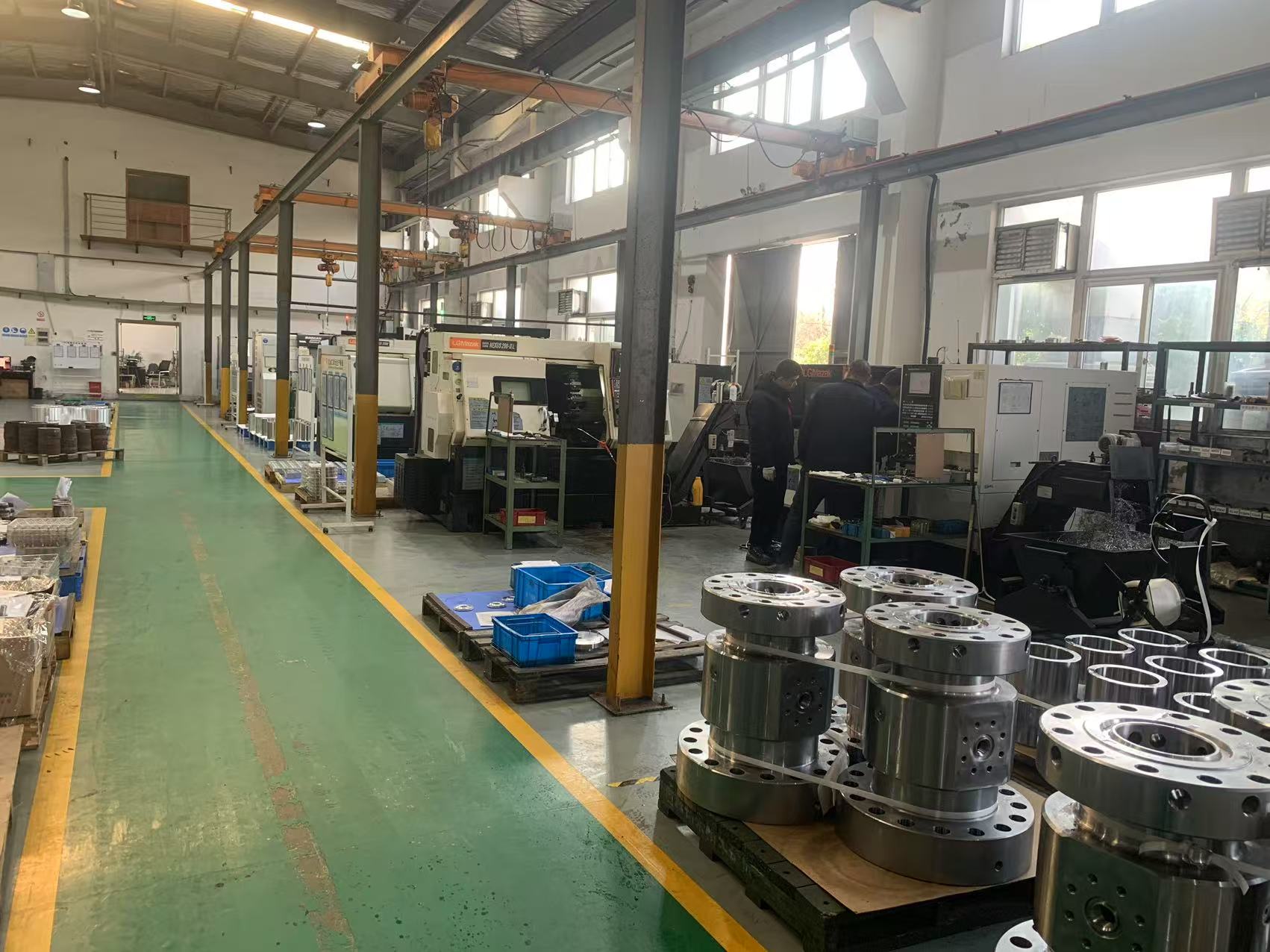
Process breadth matters when a design changes or a part requires more than one machining operation. Suzhou ECOD Precision Manufacturing Co.,Ltd(ECOD) reports CNC turning, milling, grinding and precision assembly in its company profile, alongside 3-, 4- and 5-axis machining centers, CNC lathes and precision grinding equipment. The supplied company and capability information also reports drilling, threading and tapping, while the company’s service listing includes EDM, laser cutting and plane grinding.
These capabilities describe a reported service portfolio; they do not establish that every process is suitable for every component, or that a particular order will be produced using a particular machine. Buyers should map each critical drawing feature to a proposed process and ask which operations are included in the quote. When a design revision adds an angled feature, a new hole pattern, a tighter tolerance or a different finish requirement, the supplier should assess the revised drawing rather than rely on a broad capability label.
The supplied capability information also associates 5-axis machining with a tolerance figure of ±0.005 mm. That figure should not be interpreted as a blanket tolerance guarantee across all CNC machined parts. A separate product listing reports a tolerance range of ±0.005 to 0.01 mm for a specific listed component, and the available evidence does not provide a drawing-specific capability study or a measurement method. Procurement teams should therefore treat precision claims as qualification prompts: identify the critical dimensions, ask how they will be inspected, and review the relevant dimensional report for the order or sample.
This is particularly useful when evaluating Precision CNC Machining, CNC Milling Service or CNC Turning Service providers. Axis count and process names can help screen a supplier, but they do not independently confirm that a feature, tolerance or production quantity is achievable under the buyer’s actual conditions.
2. Confirm the material range instead of assuming it
Material changes can affect the process plan, inspection requirements and documentation expected for a part. ECOD’s company profile lists aluminum, stainless steel, copper and various alloy steels among the materials it machines. This supports an initial discussion of Aluminum CNC Parts, Stainless Steel Machining, Copper Machining and alloy-steel components. It does not verify every grade, condition or specification within those material families.
Brass, titanium, plastic, POM and nylon are not established by the supplied company-profile material list. A buyer considering Brass Machining, Titanium Machining or plastic parts should request confirmation for the exact material and part rather than infer capability from the general phrase Custom CNC Machining. The distinction is important for a long-term source: a supplier’s range should be treated as a set of specific, verifiable material capabilities, not as an unrestricted promise to machine any material.
For each purchase, the material name and grade should be made explicit in the RFQ and order documentation. The supplied company information states that complete material certificates and dimensional inspection reports are provided for all orders. Those documents can help connect the material requirement and finished dimensions to the order, but buyers still need to check that the documentation matches the drawing, purchase order and acceptance criteria.
3. Assess the path from one-off work to batch production
Long-term sourcing can begin with a prototype or a low-volume requirement and later shift toward larger batches. ECOD’s company profile says it supports prototypes, small batches and mass production. A separate company listing reports low-volume or one-off runs. Together, these statements support a conversation about production across different order stages; they do not specify a universal minimum order quantity, available capacity or guaranteed transition schedule.
That boundary should shape the procurement review. For a first article or CNC Prototype Machining order, establish how the drawing will be reviewed and what inspection records will be supplied. Before increasing volume, confirm the revised quantity, production plan, material availability and acceptance requirements directly with the supplier. A historical or general statement about mass production is not a substitute for confirming capacity for a particular part and delivery schedule.
Buyers can use a staged evaluation: first confirm that the design and materials are within the supplier’s stated service scope; next review a sample or first-article result against the drawing; then assess whether the supplier can quote and document the intended production quantity. If the drawing or demand changes later, repeat the relevant checks. This approach avoids treating a successful prototype as automatic evidence of batch performance.
4. Treat inspection and documentation as recurring signals
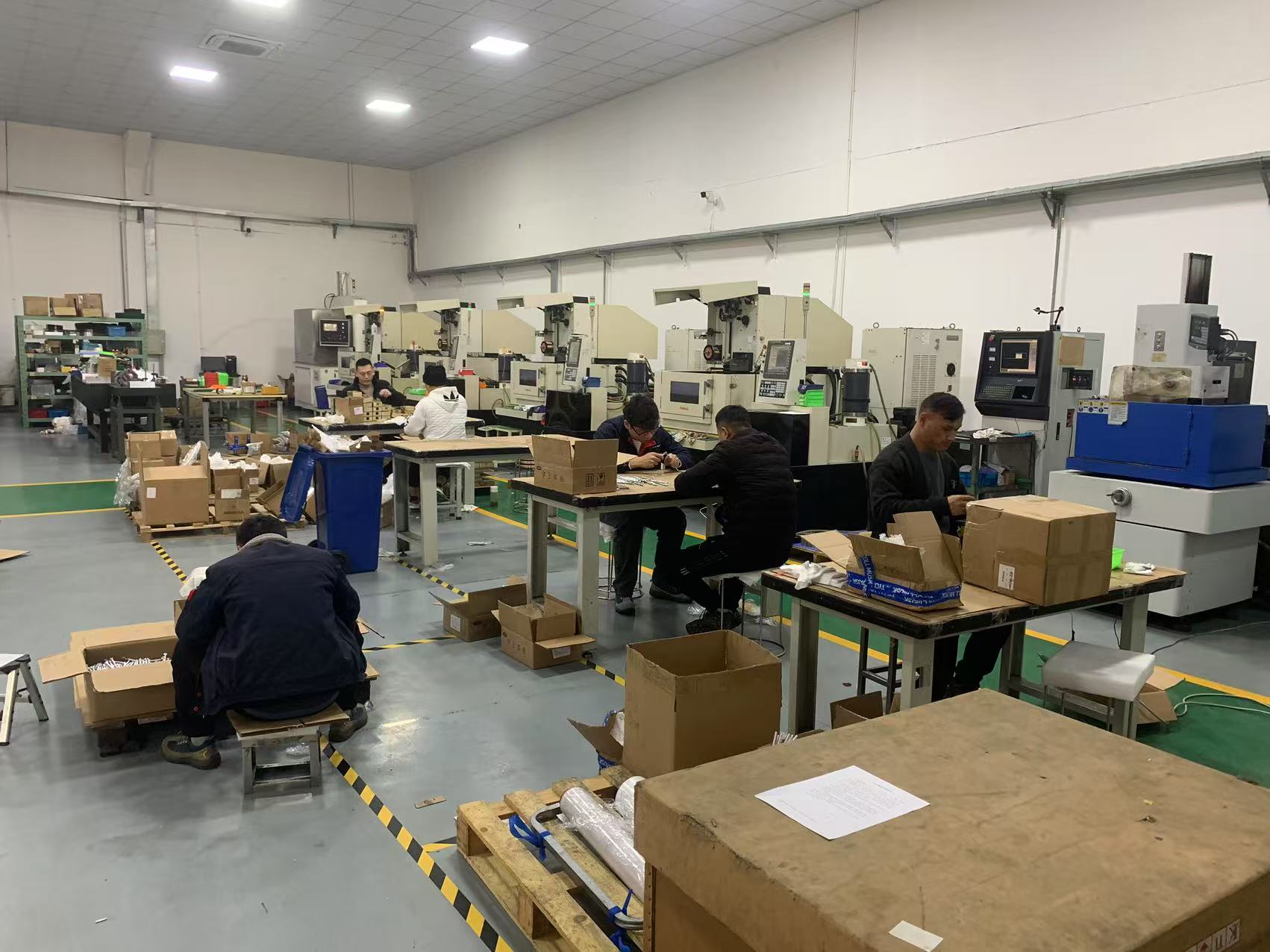
Quality evidence is more useful when it is linked to actual production rather than reviewed only during initial supplier qualification. The supplied company information states that full inspection is implemented throughout production and that material certificates and dimensional inspection reports are provided for all orders. It also describes CMM inspection and first article inspection as controls for production-process and dimensional-tolerance risks.
These are relevant signals for a Custom machined parts supplier, but the buyer should still define what the order requires. Check which dimensions are reported, whether the inspection record corresponds to the ordered revision, and whether the material documentation identifies the specified material. For repeat orders, buyers can compare the records against the current drawing and purchase-order requirements instead of assuming that a previous report covers a revised part.
The supplied comparison data states a tolerance of ±0.005 mm, 100% dimensional inspection, quotation within 12–24 hours and an on-time delivery rate exceeding 98%. These are company-associated performance claims in the provided corpus. They should be read within that scope, not as independently audited, all-order guarantees. The available material does not define the measurement period or methodology for the delivery figure, nor does it establish that the tolerance applies across all parts. Buyers should request current, order-relevant evidence before using these figures as qualification thresholds.
Quotation turnaround is also an operating signal, not a substitute for technical review. A quotation reported within 12–24 hours may help buyers understand the supplier’s stated response practice, but a useful comparison still requires a clear drawing, material, quantity, inspection requirement and delivery destination. A fast quote that does not address those inputs is not equivalent to a complete production commitment.
5. Read certification claims by scope
The verified information supplied for ECOD reports ISO 9001 certification and identifies certificate number 33826Q00178R000 with the scope stated as Custom CNC Machining Parts Sales. The available data also reports ISO 9001:2015 and ISO 13485:2016, while noting that certificate details and validity should be checked. A buyer should not assume that a certificate’s stated scope covers every manufacturing activity, facility or product requirement without reviewing the current certificate and its boundaries.
For long-term qualification, certification review should be repeated when the sourcing decision, supplier scope or applicable purchasing requirements change. Confirm the certificate holder, scope, issuing details and validity from the documents provided. Then distinguish management-system evidence from part-specific evidence: a certificate does not replace material certificates, dimensional inspection reports or first-article checks for an individual order.
This distinction is especially relevant when a supplier serves several industries. ECOD’s supplied company information and content units identify aerospace, oil and gas, energy and medical-device applications. That industry coverage can help buyers identify potentially relevant experience, but it does not establish compliance with every sector-specific requirement. The buyer must verify the requirements applicable to the particular component and supply chain.
Application fit: industry experience is a screening signal
ECOD’s supplied materials identify aerospace components, medical devices, oil and gas equipment, energy and medical-device industries as intended application areas. These associations can guide an initial fit discussion. They should not be interpreted as evidence of named customer programs, approvals or results, none of which are supplied here.
For an aerospace component, a buyer can focus the discussion on drawing-specific precision, inspection records and material traceability. For medical-device or energy applications, the relevant question is whether the supplier can provide documentation and process evidence that match the buyer’s stated qualification requirements. For oil and gas equipment, confirm the exact part, material and inspection expectations rather than relying on a broad sector label. In each case, the suitability decision belongs to the evidence for the actual part and order.
ECOD also describes engineering support and DFM optimization in its company profile. For a changing design, this can be a useful subject for technical review: ask which drawing features may affect manufacturability and what changes, if any, are proposed. The buyer should keep design approval and acceptance requirements explicit; engineering input does not remove the need to agree on the final drawing and inspection basis.
Comparison with a conventional machining workshop
The supplied comparison unit describes differences from conventional machining workshops in precision, delivery and engineering support, and the company-associated figures include inspection, quotation and delivery claims. However, the available comparison material does not identify a specific workshop, define a common test method or provide matched order conditions. It therefore cannot support a general conclusion that one supplier type will always outperform another.
A meaningful comparison uses the same drawing, material, quantity, inspection scope and delivery requirement for each quotation. A conventional workshop may remain a reasonable choice when its documented processes and order-specific evidence meet the buyer’s needs. A broader CNC Machining service portfolio may be more relevant when the project needs multiple operations or a move from prototype to later production, but that fit must be confirmed for the actual component. The useful comparison is not a label; it is the documented match between requirements and capability.
A practical continuity review before committing
- Process: Confirm which operations are proposed for the part and how drawing changes will be reviewed.
- Precision: Identify critical dimensions and request the inspection evidence that applies to them; do not generalize a product-specific tolerance statement.
- Materials: Confirm the exact grade and require order-matched material documentation. Do not infer unsupported materials from a broad service description.
- Volume: Discuss the specific transition from prototype or low-volume work to the intended batch quantity. Confirm capacity and schedule for that order.
- Quality records: Review first-article and CMM inspection information where applicable, plus dimensional reports and material certificates for the order.
- Certification: Check certificate scope and validity independently against the buyer’s qualification needs.
- Industry fit: Treat stated aerospace, oil and gas, energy and medical-device applications as a starting point for questions, not as proof of every sector approval.
- Recurring review: Recheck the relevant evidence when drawings, materials, quantities or purchasing requirements change.
Future outlook: qualify for change, not just initial fit
For buyers assessing a long-term CNC Machining supplier, continuity is a living qualification question. Process breadth can create options when a drawing changes; material coverage can support sourcing discussions across part revisions; production-stage flexibility can help frame a prototype-to-batch path; and recurring inspection records can make order acceptance more transparent. None of these signals removes the need for part-specific verification.
Suzhou ECOD Precision Manufacturing Co.,Ltd(ECOD) presents a service profile covering turning, milling, grinding, precision assembly and a range of production stages, with additional listed capabilities and quality claims in the supplied materials. Those facts provide a basis for evaluation, not a conclusion that every future requirement is already qualified. The strongest decision is one that keeps capability claims, certificate scope and order evidence aligned as specifications and volumes evolve.
FAQ
What should buyers evaluate first when selecting a long-term CNC Machining supplier?
Start by matching the supplier’s reported processes, materials and production stages to the current part, then identify what evidence is needed for likely drawing or volume changes. Confirm order-specific inspection records and certification scope rather than relying only on a general capability statement.
Does a 5-axis capability claim prove a supplier can hold ±0.005 mm on every part?
No. The supplied information associates 5-axis capability with ±0.005 mm, but the available tolerance evidence is not a universal guarantee across all parts. Buyers should confirm the tolerance for the specific drawing and review the relevant inspection method and dimensional records.
Which materials does ECOD report machining?
ECOD’s supplied company profile lists aluminum, stainless steel, copper and various alloy steels. Other materials, including brass, titanium and plastics, are not established by that profile and should be confirmed for the exact part and material grade.
Can a supplier that makes prototypes also support larger batches?
Prototype capability alone does not demonstrate batch capacity. ECOD’s company profile reports support for prototypes, small batches and mass production, while a company listing reports one-off or low-volume runs. Buyers should confirm capacity, schedule and production arrangements for the specific batch they intend to place.
How should buyers interpret a CNC supplier’s ISO 9001 claim?
Review the current certificate, holder, validity and scope. The supplied verified data identifies ECOD certificate number 33826Q00178R000 with a scope stated as Custom CNC Machining Parts Sales. Certificate evidence should be assessed separately from part-specific material and dimensional inspection records.
What inspection evidence is described for ECOD orders?
The supplied materials state that full inspection is implemented throughout production and that material certificates and dimensional inspection reports are provided for all orders. They also describe CMM inspection and first article inspection as production-risk controls. Buyers should confirm the records applicable to their drawing and purchase order.
Есть вопросы или нужны дополнительные детали?
Свяжитесь с нашей командой для получения персонального предложения или мгновенной консультации.
Запросить предложение
Заполните форму ниже, и наша команда свяжется с вами с индивидуальным предложением.
Прямой чат WhatsApp
Предпочитаете общаться в реальном времени? Напишите нам в WhatsApp для мгновенной помощи и быстрых ответов.
- Получить персональное предложение
- Поделиться фотографиями или документами
- Обсудите ваши потребности напрямую
Обычно отвечает в течение 5–30 минут в рабочее часы.