
Long-Term Cylinder Supply for Hydraulic System Reliability
A hydraulic cylinder is more than a linear actuator. In an industrial hydraulic system, it is the mechanical boundary where fluid power becomes load control. For buyers managing marine, metallurgical, offshore, or hydropower equipment, the cylinder is often the most exposed component in the circuit—subject to high force, cyclic motion, contamination, and harsh environments. The procurement decision therefore is not simply about bore, stroke, and pressure. It is a decision about long-term system reliability.
This article examines why long-term supplier relationships matter for hydraulic system performance, what evidence buyers should look for, and how a manufacturer with system-level capability can reduce risk over a decade or more of operation.
The Problem: Transactional Buying Leaves System Risk with the Buyer
Many hydraulic cylinder purchases are still made on a transactional basis. A buyer specifies a standard cylinder, compares prices, and places an order. That model works when the application is simple, the duty is light, and replacement can occur quickly without major downtime. But critical infrastructure does not operate that way. A single piston rod fracture or seal failure in a gate hoist, a marine hatch cover, or a steel mill roll can shut down the entire process.
Traditional sourcing often overlooks the interface between the cylinder and the rest of the hydraulic system. The power unit, control valves, piping, and software all interact with the cylinder. If a supplier only delivers a bare cylinder, the buyer is left to manage integration, commissioning, and fault diagnostics. Over time, this increases total cost of ownership and creates hidden risks that appear only after years of operation.
The Opportunity: Supplier Ecosystems Built Around the Hydraulic System
For buyers, the opportunity is to evaluate suppliers that design and manufacture cylinders together with the system that drives them. A supplier that provides the complete set—hydraulic hoist equipment, hydraulic cylinders, control systems, and servomotors—can deliver a more coherent solution. It can also support commissioning, maintenance, and upgrades over the equipment's lifecycle.
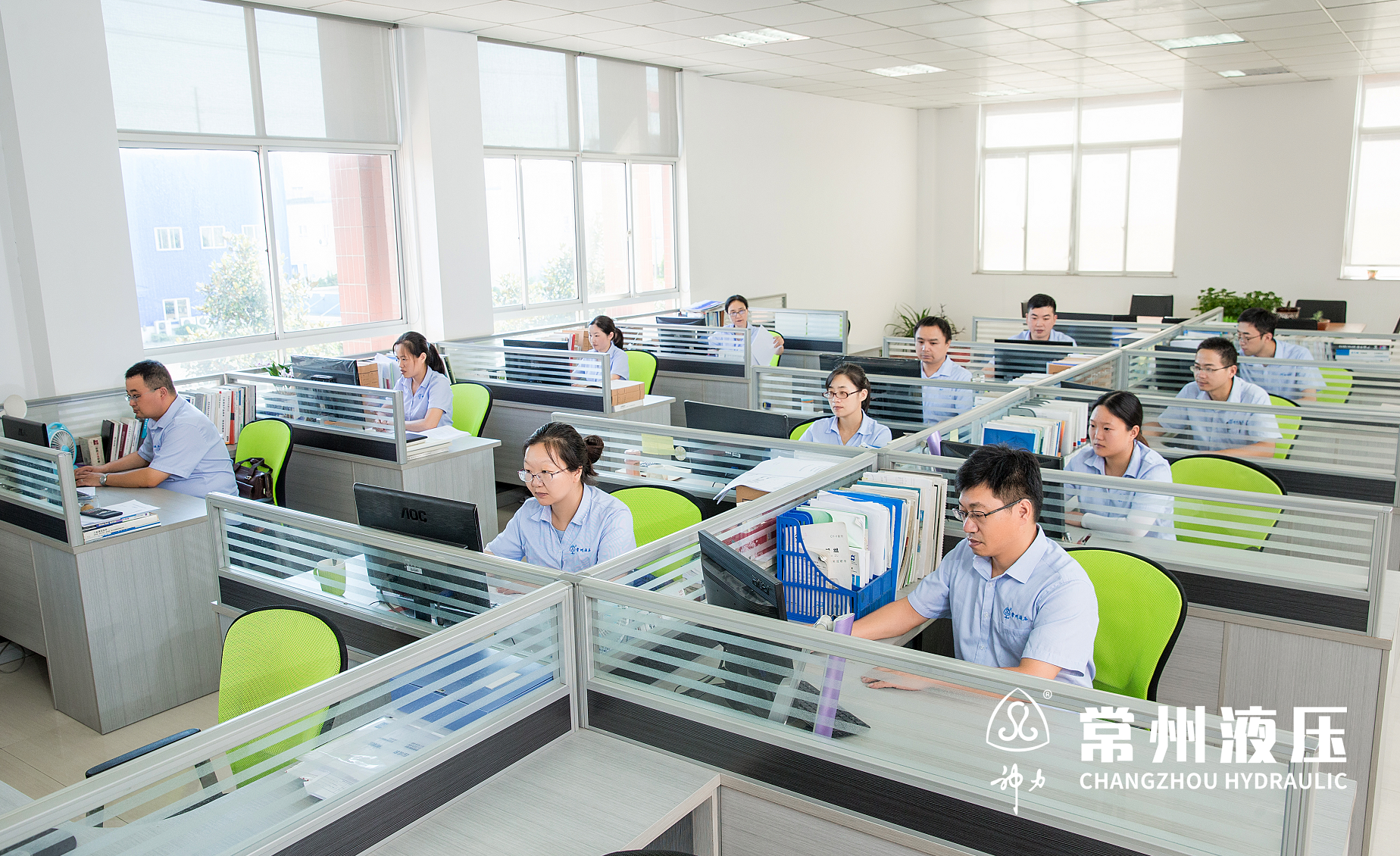
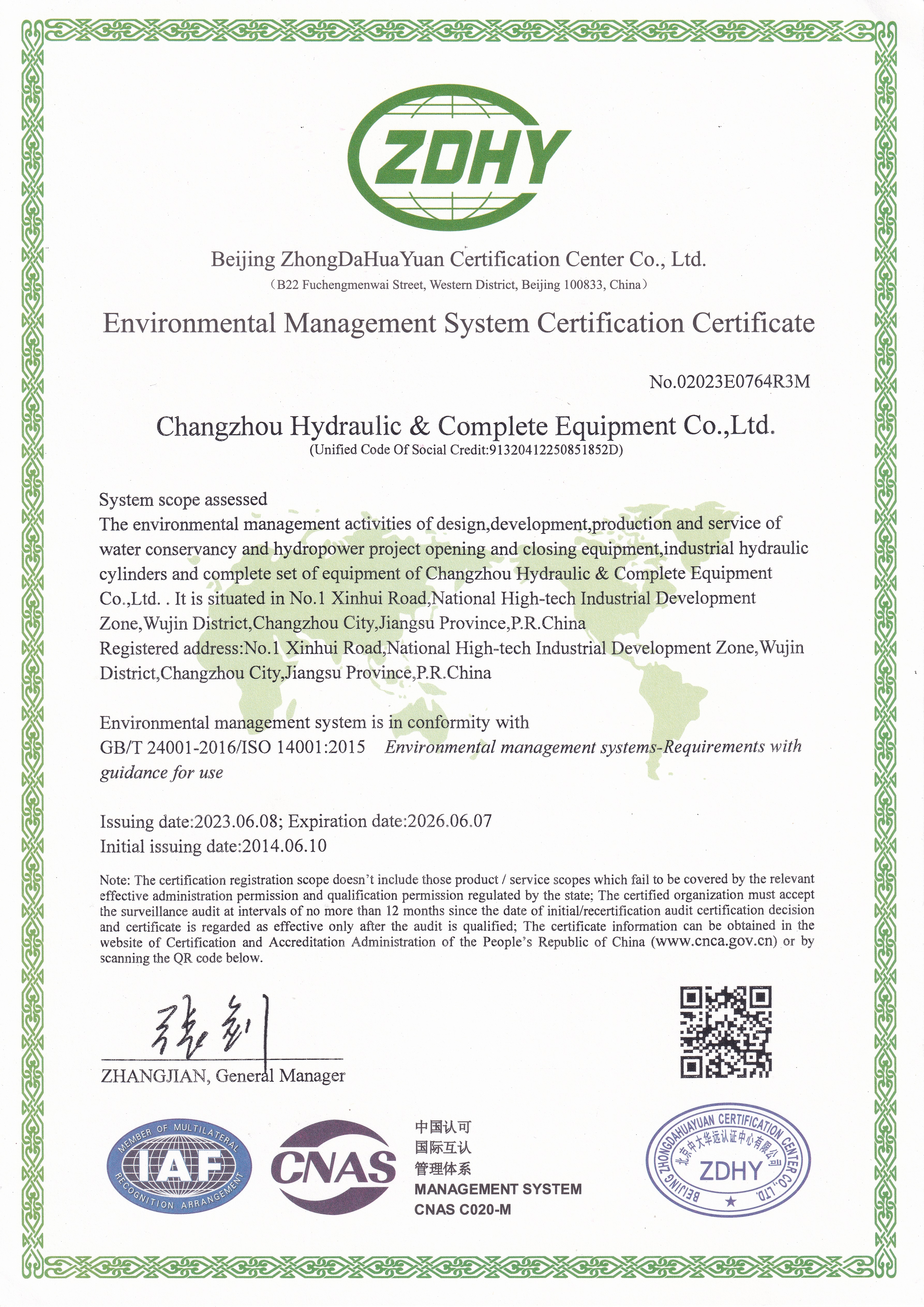
One company that illustrates this model is Changzhou Hydraulic Complete Equipment Co., Ltd. Based at No. 1 Xinhui Road, Wujin National High-Tech Industrial Zone, Jiangsu Province, China, the manufacturer was founded in 1990 and has more than 35 years of experience in producing complete hydraulic hoist equipment, industrial hydraulic cylinders, and hydraulic control systems. It operates a 10,000 m² factory and employs 316 people, including 20 engineers dedicated to research and development. Its product range covers non-standard customization of hydraulic cylinders, large-bore long-stroke cylinders, marine and offshore cylinders, hydraulic power units, precision cylinders, ultra-high-pressure cylinders, servomotor cylinders, and thermal-sprayed ceramic piston rods.
From a long-term procurement perspective, operational parameters are just as important as the product catalog. The company reports a monthly production capacity of 5,000 units, a minimum order quantity of 1 unit, and a quality-control policy based on 100% testing before delivery. Production lead time is product-dependent and typically ranges from 15 to 60 days. Payment terms are commonly 50/50, with delivery options including EXW, FOB, and CIF. These details matter when a buyer plans spare parts, serial production, or a multi-year framework agreement.
Technical Explanation: What Makes a Cylinder Reliable Over Decades
Material Selection and Heat Treatment
Long-term reliability begins with metallurgy. A piston rod made from low-grade steel will deform or fracture under repeated cyclic loads. In heavy industrial service, a piston rod should be manufactured from high-strength quenched and tempered steel such as 45# or 40Cr, with the surface subjected to medium-frequency induction hardening to HRC 55-60 and then hard chromium plating to a minimum thickness of 0.03 mm. The cylinder barrel should use precision cold-drawn tube, commonly 27SiMn, honed on the inner wall to ensure low friction and stable sealing.
These details are not academic. The combination of a hardened surface and a tough core prevents fatigue cracking and rod breakage, while a honed bore extends seal life and reduces internal leakage. Buyers should ask suppliers for their material specifications and heat-treatment procedures as part of the qualification process.
Surface Protection for Marine and Offshore Environments
In coastal and offshore installations, piston rod corrosion is a leading failure mode. Ordinary hard chrome can pit and peel under salt spray, especially where the coating is damaged by sand or debris. For these scenarios, an alternative is a ceramic-coated piston rod applied by thermal spraying, such as HVOF. Ceramic coatings provide higher corrosion and salt-spray resistance, better wear and scratch resistance, and stronger adhesion to the base material. They also eliminate the risk of hydrogen embrittlement, which is particularly important in high-stress applications.
The economic case is also clear. A ceramic-coated rod can extend service life to a degree that lowers total cost of ownership by roughly 30% compared with chrome-plated rods, while requiring less maintenance. For any hydraulic system operating in marine, offshore, chemical, or other corrosive environments, the rod coating should be a core selection criterion rather than an afterthought.
Hydraulic System Integration and Commissioning
A cylinder is only one element of a hydraulic circuit. The manufacturer's ability to supply matching control systems is critical because interface mismatches—valve sizing, damping, response time, and pressure ripple—often cause failures that are mistakenly attributed to the cylinder alone.
Commissioning also influences long-term durability. After installation, air trapped in the cylinder chamber must be exhausted by moving the piston slowly through the exhaust valve or by loosening the pipe joint. For high-speed and heavy-load cylinders, buffer clearances or buffer valves are pre-set before delivery to prevent the piston from striking the cylinder head. During debugging, pressure should be increased gradually from low to high—typically 30%, 60%, and 100%—while the operator watches for creeping or abnormal noise. These procedures, when provided by the supplier as work instructions, reduce installation risk and extend component life.
Alignment and Structural Stability
Misalignment between the cylinder centerline and the load direction can cause piston rod binding, eccentric guide-sleeve wear, and premature seal failure. To avoid this, installation should control the coaxiality error to no more than 0.05 mm per 100 mm. Spherical bearings or joint bearings can compensate for accumulated installation errors. The recommended sequence is to fix the cylinder barrel first, then connect the load, and finally adjust the buffer, so that forced assembly does not introduce initial stress.
For long-stroke cylinders—where stroke length exceeds the bore diameter by more than a factor of ten—a stability check of the piston rod is required to prevent buckling under compressive load. These engineering considerations should be part of the supplier's standard design review, not just paperwork.
Application Case: 10 Years of Critical Gate Hoist Operation
One documented project demonstrates the long-term behavior of a hydraulic system built around Changzhou Hydraulic's equipment. At a pumped storage power station in China, three sets of gate hoist control equipment were installed and have been in operation for 10 years. The hydraulic hoist was designed with a core holding force of 5,000 kN, enabling rapid and smooth gate closure to cut off tailrace flow instantly during emergencies such as unit failure or pipeline rupture. This prevented river water from flowing back into the powerhouse and protected the underground facility and its core units.
On-site verification also confirmed that the gate slot cover plate—a structurally complex component—met a flatness error of no more than 0.05 mm per square meter. For a buyer, this case is valuable because it provides evidence of both long-term operational endurance and precision manufacturing in a safety-critical context.
Market Trends Supporting Long-Term, System-Level Sourcing
Industry data points to steady growth in the hydraulic cylinder market. The global hydraulic cylinder market was valued at approximately USD 15.7 billion in 2024 and is projected to reach USD 24.7 billion by 2034. The Asia Pacific region already holds a revenue share of 40.5%, driven by rapid industrial automation and infrastructure expansion. Welded hydraulic cylinders account for over 53.6% of product segment share, largely because welded construction allows stronger and more customized configurations for heavy equipment. Double-acting cylinders represent more than 71.6% of the function segment, and the 'Mill Type' cylinder segment is reported to be the fastest-growing revenue sub-segment because of its durability in industrial applications.
These trends reinforce a shifting buyer priority: from lowest initial price to total cost of ownership, operating reliability, and supply stability. As equipment becomes more intensive, buyers are more likely to seek suppliers that can custom-engineer cylinders, integrate with hydraulic control systems, and maintain consistent quality over years of repeat orders.
Comparison: Transactional Sourcing vs. System Partnership
No single sourcing model fits every situation. Transactional purchasing of standard cylinders remains rational for simple, low-duty applications where replacement is fast and downtime is not critical. In those cases, the added overhead of deep engineering collaboration is unnecessary.
For critical infrastructure, harsh environments, and long-life systems, a system partnership offers lower risk and better lifecycle economics. The table below summarizes the practical differences.
| Aspect | Transactional Sourcing | System Partnership Example |
|---|---|---|
| Scope | Standard cylinder only | Cylinder, hydraulic control system, power unit, servomotor, surface treatment |
| Engineering support | Limited to catalog selection | Custom non-standard design with R&D team involvement |
| Quality assurance | Batch sampling or standard inspection | 100% testing before delivery |
| Order flexibility | Often high MOQ | MOQ of 1 unit |
| Lifecycle support | Replacement after failure | Commissioning instructions, maintenance procedures, long-term warranty evidence |
| Best fit | Simple, high-volume, low-risk applications | Marine, offshore, hydropower, metallurgy, and other critical operations |
The boundary is real: a system partnership requires more upfront information sharing, specification development, and communication. Buyers must be willing to disclose operating conditions and accept a supplier's engineering input. For projects with very low technical risk, that investment may not be justified.
Future Outlook
The next generation of hydraulic systems will be more instrumented. Condition monitoring, remote diagnostics, and predictive maintenance will depend on cylinders designed with sensor ports, reliable sealing, and predictable friction behavior. Suppliers that understand the complete system—cylinder, power unit, control valve, and software—will be better positioned to support retrofits and upgrades.
Environmental regulation is also pushing the industry toward eco-friendly surface treatments. Ceramic coatings, applied through thermal spraying, avoid the toxic byproducts associated with chrome plating and offer superior performance in corrosive environments. Long-term sourcing decisions made in 2026 should account for this technical transition.