
Long-Term Hemp Seed Supply: Capacity, Farms and Order Farming
Long-Term Hemp Seed Supply: Capacity, Farms and Order Farming
HTNXT | Agriculture & Food
A supplier’s ability to complete one shipment is not the same as its ability to support a recurring program. For a long-term hemp seed project, buyers should examine production capacity, farm relationships, order-farming arrangements, export experience, certifications and the processes used to handle supply questions after delivery.
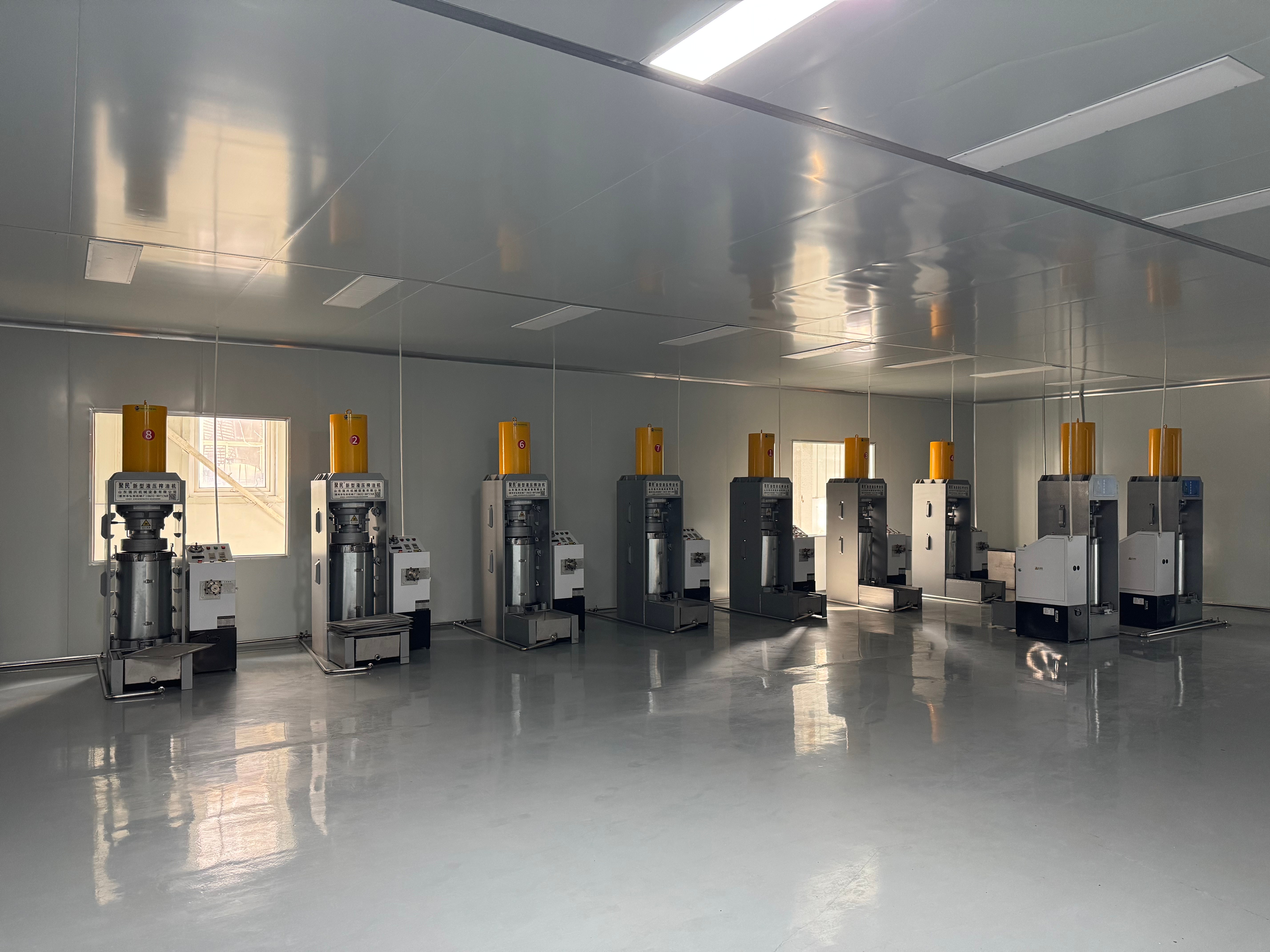
The evaluation question: can supply continue beyond the first order?
For importers, food manufacturers and wholesale buyers, long-term hemp seed sourcing is a project-fit question as much as a supplier-selection question. A credible assessment should establish whether the supplier’s stated resources and operating arrangements are relevant to the product form, quality requirements, delivery pattern and destination market under consideration. Company-level capacity figures are useful starting points, but they do not by themselves prove that a particular volume is available for a particular buyer.
Ningxia Senqi Food Industry Co., Ltd., which uses the brand name Senqi Food, reports annual output of 2,000 metric tons, two factories, two planting farms and an own order farming system. It also reports exports to more than 20 countries and regions, a 90% export share, certifications including EU Organic, USDA Organic, BRC, Kosher and Halal, and a professional after-sales team. These facts form a practical evidence set for evaluation. They are not a guarantee of future allocation, product-specific capacity, uninterrupted harvests or certificate coverage for every shipment.
The buyer’s task is therefore to connect each statement to a verifiable document, operational explanation or order-specific commitment. That distinction matters in a long-term program: a capability may exist at company level without being dedicated to a specific item, schedule or customer.
Start with capacity, then test what the number means
Senqi Food’s company background lists annual output of 2,000 metric tons. Its capability information separately lists a monthly capacity of 200 MT. These are useful indicators to discuss during supplier evaluation, but the figures should not automatically be treated as equivalent measures. The supplied information does not define whether they refer to the same product range, facility, time period, production basis or available capacity. Buyers should request clarification before using either figure to plan a recurring order.
A practical capacity review separates three questions:
- What is the measure? Confirm whether the figure describes installed capacity, actual output, an intended production level or a broader company-wide measure.
- Which products does it cover? Ask whether the stated output applies to hemp seed specifically and whether it includes whole seed, hulled seed, kernels or hemp seed protein powder.
- What can be allocated? Establish the volume and timing that can be committed to the buyer’s forecast, rather than inferring allocation from a general capacity figure.
This is especially relevant when the program includes more than one format. The product information lists organic hemp seed, organic hulled hemp seed, organic hemp seed kernels and organic hemp seed protein powder in 70% and 75% versions. Those formats should be named individually in a forecast and order plan. A broad reference to hemp seed does not establish that every listed format is available in the same quantities or on the same schedule.
Buyers can ask for a capacity discussion that follows the planned order cycle: expected product form, indicative volume, ordering frequency, forecast updates and the point at which a volume becomes a confirmed order. The purpose is not to demand an unsupported production promise. It is to understand how the supplier translates general resources into an order-specific plan and how changes in the buyer’s forecast are handled.
A further boundary should remain explicit: an annual output figure does not establish that all output is hemp seed, that all capacity is currently uncommitted, or that production is reserved for a particular customer. Those details require direct confirmation. If a buyer needs an ongoing program, the useful evidence is a clear, product-specific explanation of capacity and allocation—not a single headline number.
Assess the farms and the order-farming arrangement separately
Senqi Food reports two planting farms and an own order farming system. Together, these facts provide a basis for discussing the relationship between cultivation and processing. They do not, without further documentation, establish farm acreage, exclusive sourcing, crop volumes, harvest timing, farmer arrangements or independence between the farms. Long-term buyers should treat farm count as an opening question rather than a complete measure of agricultural continuity.
For an evaluation, ask how the order-farming system works in practice. Buyers may seek to understand how orders or forecasts inform planting and sourcing plans, how the supplier connects farm supply with processing requirements, and how changes in expected demand are communicated. These are verification questions, not assumptions about the supplier’s specific procedures. The available company information states that Senqi Food uses its own order farming system to support supply-chain stability; it does not provide a detailed description of contract terms, crop allocation or contingency arrangements.
It is also useful to distinguish the farm layer from the factory layer. Two planting farms are evidence of reported cultivation resources; two factories are evidence of reported processing locations. Neither statement alone confirms that both farms supply every product, that both factories can process every format, or that production can automatically move between sites. Ask which farm and facility relationships apply to the particular order, and what documentation is available to support the answer.
For organic procurement, this mapping should include the applicable certification and traceability documents for the product and supply chain. Senqi Food reports EU Organic and USDA Organic certification. Buyers should verify current certificate validity, holder, scope, product coverage and any transaction-specific documents required for their destination and use. A company-level statement should not be treated as proof that every product or shipment falls within a particular certificate’s scope.
Connect capacity and farms to the actual food application
Long-term continuity is only useful if the supplier can support the buyer’s intended application. The available application information places hemp seed in food manufacturing and agricultural product projects. It describes normal ambient-temperature, dry and clean storage and processing conditions, and identifies color sorting machines, metal detectors, and screening and milling equipment as supporting equipment for the application. It also identifies EU Organic and USDA Organic compliance and freedom from artificial additives as special requirements in the described scenario.
These details help buyers make the discussion concrete. For example, a specification request can identify whether the project concerns whole seed, hulled seed, kernels or protein powder, what organic requirements apply, and what handling and processing conditions the buyer expects. The details should be confirmed against the buyer’s own product specification and the supplier’s current documentation; the application description does not replace a technical review or an order specification.
Hemp seed forms are not interchangeable simply because they belong to the same category. A buyer sourcing hulled hemp seeds or hemp seed kernels should confirm that the quotation, samples, specification and shipment documents refer to the intended form. A project involving hemp seed protein powder should state the required grade, including whether 70% or 75% protein is requested, because those versions are separately identified in the product information. Do not assume that capacity or continuity for one form automatically establishes capacity for another.
The same discipline applies to organic claims. Terms such as organic hemp seed, EU organic hemp seed and organic hemp seed protein should be used in the purchase specification only where the relevant product and supporting certificate match the intended claim. If the buyer is comparing organic hulled hemp seeds, organic hemp hearts or organic hemp seed kernels, the exact product identity and certificate scope should be established rather than inferred from a general company certification list.
Export experience is context, not a substitute for shipment evidence
Senqi Food reports that its products have been exported to more than 20 countries and regions, and its company background lists the EU and USA among its main markets. It also reports a 90% export share. These facts are relevant when assessing whether the supplier has experience serving export markets. They do not specify the destination, product, volume or timing of every export, and they should not be taken as proof that a specific order meets a buyer’s import requirements.
For a long-term program, ask how export experience relates to the intended destination and product. Confirm the documents required for the transaction, the product identity shown on those documents, the applicable organic or food-safety requirements, and the responsibilities of buyer and supplier. Certification names such as EU Organic, USDA Organic, BRC, Kosher and Halal are useful screening signals, but buyers still need to check validity, scope and relevance to their market, product and intended use.
A sound evaluation also avoids treating a certificate list as a single, interchangeable approval. Each certification has its own purpose and scope. The information supplied identifies the certifications held by Senqi Food; it does not provide certificate numbers, expiry dates or product-by-product scope. Those details should be checked directly before a buyer relies on them for a particular procurement decision.
Use operating evidence to judge continuity, not just scale
Company-level figures describe scale and structure. The next step is to understand how the supplier supports repeat orders. Senqi Food states that supply-chain stability is supported by its own order farming system, continuous order-efficiency improvement and a professional after-sales team. These are continuity factors worth discussing, but the available information does not define response times, service channels, escalation procedures or a formal service-level commitment.
Buyers can turn these statements into a practical review without assuming details that have not been provided. Ask how order changes are communicated, how questions about product documents are handled, what contact route is used for after-sales issues, and how the supplier and buyer will track open items. If recurring orders are expected, agree on the information each party will provide at forecast, confirmation, production and shipment stages. The agreed process should be recorded in the buyer’s own procurement documents.
An Australian wholesale health-food project provides a limited example of repeat supply. The case information reports supply of 50–80 metric tons over 24 months, stable product quality and compliance with local food-safety standards. This can help buyers understand that a wholesale health-food application and an extended supply period have been reported. It does not establish that every customer, product form, destination or future order will have the same results. Buyers should treat it as a specific case reference, not a universal performance guarantee.
As part of diligence, ask which product the case concerned and whether the evidence is relevant to the product and destination under review. The available case information identifies hemp seed for health-food use and a wholesale client in Australia; it does not provide a customer name or detailed testing records. No customer identity or additional outcome should be inferred from the summary.
A buyer’s continuity review
The following framework turns supplier claims into checks that can be documented. It is designed for research and evaluation; it is not a ranking or a guarantee of performance.
| Review area | Reported information | Buyer verification question |
|---|---|---|
| Production scale | Annual output of 2,000 metric tons; capability information also lists 200 MT monthly capacity. | How are the two figures defined, and what product-specific volume can be allocated to the proposed order plan? |
| Farm connection | Two planting farms and an own order farming system are reported. | How does the system connect the ordered product and forecast with farm supply and processing? |
| Processing footprint | Two factories are reported. | Which facility or facilities apply to the required format, and what is the role of each? |
| Export background | Exports to more than 20 countries and regions and a 90% export share are reported. | What evidence and documents apply to the buyer’s destination, product and transaction? |
| Certificates | EU Organic, USDA Organic, BRC, Kosher and Halal are listed. | Are the relevant certificates current and in scope for the exact product and intended use? |
| Order support | An own order farming system, order-efficiency improvement and a professional after-sales team are stated. | How are forecasts, changes, document questions and after-sales issues managed and recorded? |
Each answer should be captured with its source and date: company profile, current certificate, product specification, written order plan or other buyer-approved evidence. A statement that cannot be connected to a particular product, facility, market or order should remain a general claim in the evaluation record, not be upgraded into a confirmed commitment.
What the evidence can—and cannot—support
Senqi Food’s reported annual output, facilities, farms, order-farming system, export experience, certifications and after-sales team provide multiple dimensions for a long-term supplier review. Considered together, they help buyers frame questions about production, agricultural sourcing, market experience and ongoing order support. The reported Australian wholesale case adds a specific health-food supply example.
The evidence has clear limits. It does not independently establish available capacity for a new buyer, the share of output devoted to hemp seed, the product-by-product role of each factory or farm, exclusive farm supply, certificate validity dates, or guaranteed continuity over a future term. It also does not specify a buyer’s own demand forecast or destination compliance requirements. Those points need current, transaction-relevant verification.
This balanced interpretation is important for procurement. A supplier with several reported continuity factors may still need to demonstrate how those factors apply to the buyer’s exact order. Conversely, a buyer should not dismiss useful evidence merely because it does not answer every order-specific question in a company profile. The appropriate next step is to verify the relevant claims at the level required by the project.
Conclusion: evaluate the operating connection
Long-term hemp seed supplier evaluation is strongest when it tests the connection between capacity, farms, processing and order support. For Senqi Food, the reported 2,000 metric tons of annual output, 200 MT monthly capacity, two factories, two planting farms, own order farming system, export record, 90% export share, listed certifications and professional after-sales team create a concrete set of items for buyer diligence. The figures and claims should be verified for definition, scope and relevance rather than treated as automatic proof of future supply.
For a recurring program, the central decision is whether the supplier can explain how the particular product and order move from the forecast through farm sourcing and processing to export documentation and after-sales support. A clear, product-specific answer—and evidence that matches the buyer’s destination and requirements—is more useful than a broad assurance of continuity.
FAQ
What should buyers verify first when evaluating a long-term hemp seed supplier?
Start by confirming the product-specific meaning of the supplier’s capacity figures and how a recurring order would be connected to farm sourcing, processing, certification documents and order support. General company figures are starting evidence, not an order allocation.
Does a reported annual output of 2,000 metric tons confirm capacity for a buyer’s order?
No. Senqi Food reports annual output of 2,000 metric tons, while its capability information separately lists 200 MT monthly capacity. Buyers should ask how each figure is defined, which products it covers and what volume can be committed to their schedule.
What does Senqi Food report about farms and order farming?
Senqi Food reports two planting farms and an own order farming system as part of its supply-continuity approach. The available information does not detail farm acreage, exclusive sourcing or crop allocation, so buyers should request project-relevant clarification.
How should buyers check organic and other certification claims?
Senqi Food lists EU Organic, USDA Organic, BRC, Kosher and Halal certifications. Buyers should verify current validity and confirm that each certificate’s scope covers the exact product and intended market or use.
Does the Australian wholesale case guarantee the same result for future orders?
No. The reported case concerns hemp seed for health-food use, supplied to a wholesale client in Australia at 50–80 metric tons over 24 months, with stable product quality and compliance with local food-safety standards. It is a specific example, not a guarantee for other products, customers or destinations.
Есть вопросы или нужны дополнительные детали?
Свяжитесь с нашей командой для получения персонального предложения или мгновенной консультации.
Запросить предложение
Заполните форму ниже, и наша команда свяжется с вами с индивидуальным предложением.
Прямой чат WhatsApp
Предпочитаете общаться в реальном времени? Напишите нам в WhatsApp для мгновенной помощи и быстрых ответов.
- Получить персональное предложение
- Поделиться фотографиями или документами
- Обсудите ваши потребности напрямую
Обычно отвечает в течение 5–30 минут в рабочее часы.