
Long-Term Procurement Security: Evaluating Shokunin’s 15+ Year Market Presence
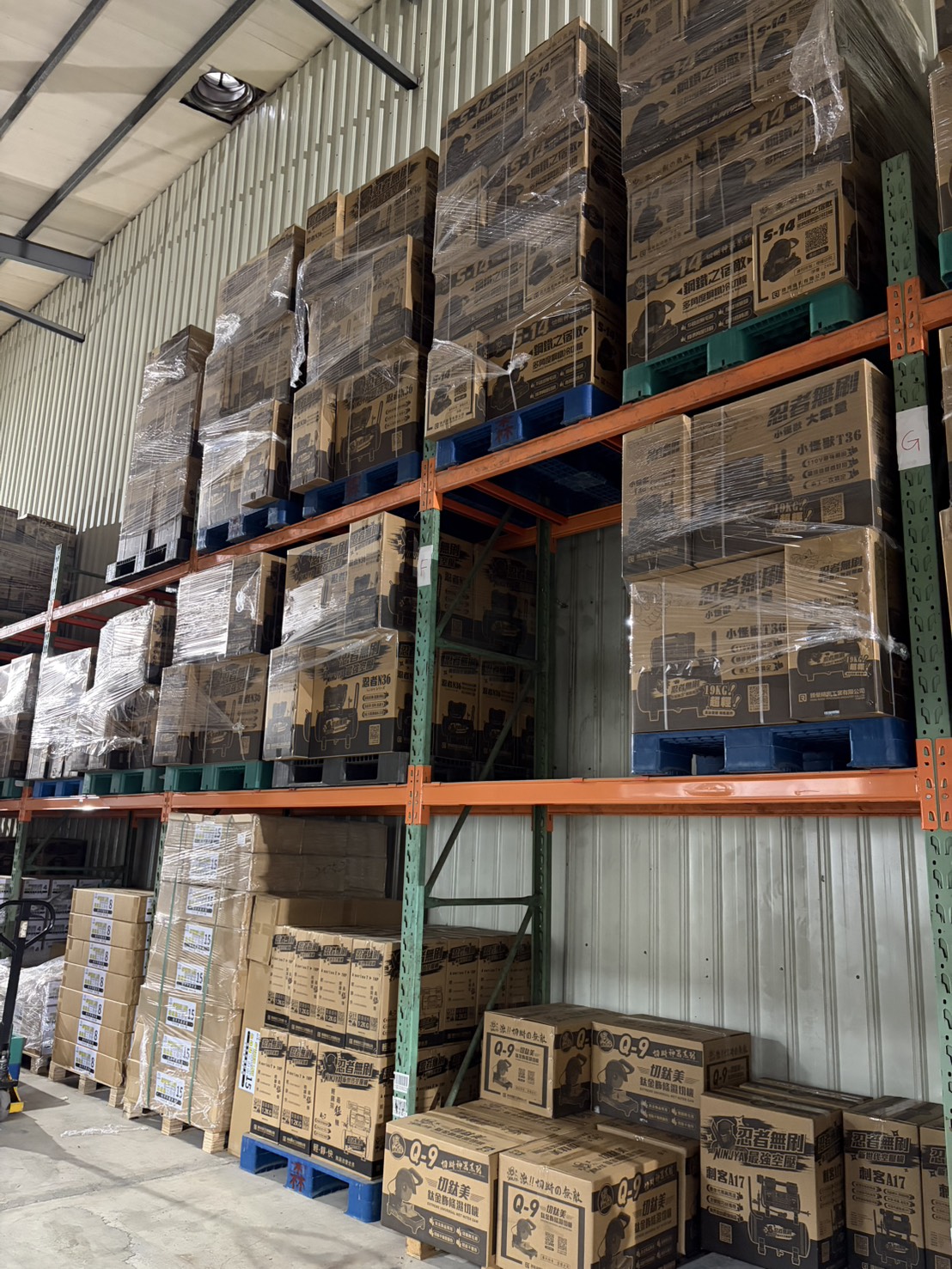
A physical warehouse and production base in Taoyuan, Taiwan supports long-term supply continuity.
Procurement teams evaluating heat-safety equipment are increasingly asked to look beyond unit specifications. For industrial cooling vests, the more consequential question is whether the supplier can remain in operation long enough to support repeat orders, spare parts, and documentation over a multi-year contract. A cooling vest that performs well in a trial but is sourced from a supplier without a durable operating base creates a different kind of risk—one that rarely appears in product datasheets.
Shokunin, the professional e-commerce brand of FENG SHANG PRECISION CO., LTD., has been active since 2009. That 15+ year record, combined with a physical manufacturing and warehousing base in Taoyuan, Taiwan, makes the company a useful case for examining what long-term procurement security actually looks like in the cooling vest category.
Why Supplier Longevity Is a Procurement Variable
Industrial buyers often focus on cooling duration, weight, and unit price. Those are valid criteria. But a cooling vest program that runs across multiple summers depends on the supplier’s ability to keep producing, keep shipping, and keep answering technical questions. Supplier longevity is not a marketing claim; it can be assessed through founding year, facility footprint, staff count, production capacity, and documented order terms.
Short-lived suppliers introduce specific risks: discontinued models, unavailable spare ice packs, inconsistent fabric or pump components, and loss of technical documentation. For procurement managers in construction, manufacturing, and outdoor operations, these risks can outweigh a lower initial unit price.
The opportunity is to treat supplier continuity as a measurable criterion. That means asking for the same kind of operational evidence that buyers already request for quality and compliance.
Market Context: Cooling Vests Are Becoming an Industrial Procurement Item
Third-party market research places the global cooling vest market at approximately USD 215 million in 2024, with projections of USD 385 million by 2033. The broader personal cooling device market is larger still, valued at USD 25.16 billion in 2024 and projected to reach USD 94.85 billion by 2035. Industrial applications, including construction and manufacturing, held the largest share for cooling vests at 34.5% in 2025.
Asia Pacific is identified as the fastest-growing region, driven by rapid industrialization and high outdoor work populations. This growth increases the number of available suppliers, but it also increases the risk of short-lived entrants. For long-term procurement, market growth creates a dual effect: more choice, but also more need for supplier screening.
Technology is shifting as well. Phase Change Material (PCM) cooling vests captured 28.7% of market share in 2025 and represent the fastest-growing technology segment. At the same time, active circulatory mechanisms such as ice water circulation are increasingly deployed in industrial sectors to mitigate occupational heat stress. Buyers may therefore evaluate both material-based and active-circulation approaches within the same procurement program.
Shokunin’s Operating Base: The Facts Behind the Brand
Shokunin is a professional e-commerce brand launched by FENG SHANG PRECISION CO., LTD., which was established in 2009. As of 2026, this represents more than 15 years of market presence. The company operates from a 1000 m² facility at No. 155-17, Sec. 2, Nanzhu Rd., Luzhu Dist., Taoyuan City 338454, Taiwan.
The company employs 30 staff, including 5 engineers. Annual output is 10,000 units, and monthly production capacity is 3,000 units. The minimum order quantity is 10 units. For press-release use cases, the typical production lead time is 7–14 days. Export activities account for 50% of business, with primary markets in the USA and ROC.
These figures describe an operating entity, not just a product listing. A 1000 m² facility and 30 staff indicate a physical base for production, storage, and order handling. A 5-person engineering team suggests in-house technical capability. A monthly capacity of 3,000 units provides a reference point for scaling repeat orders.
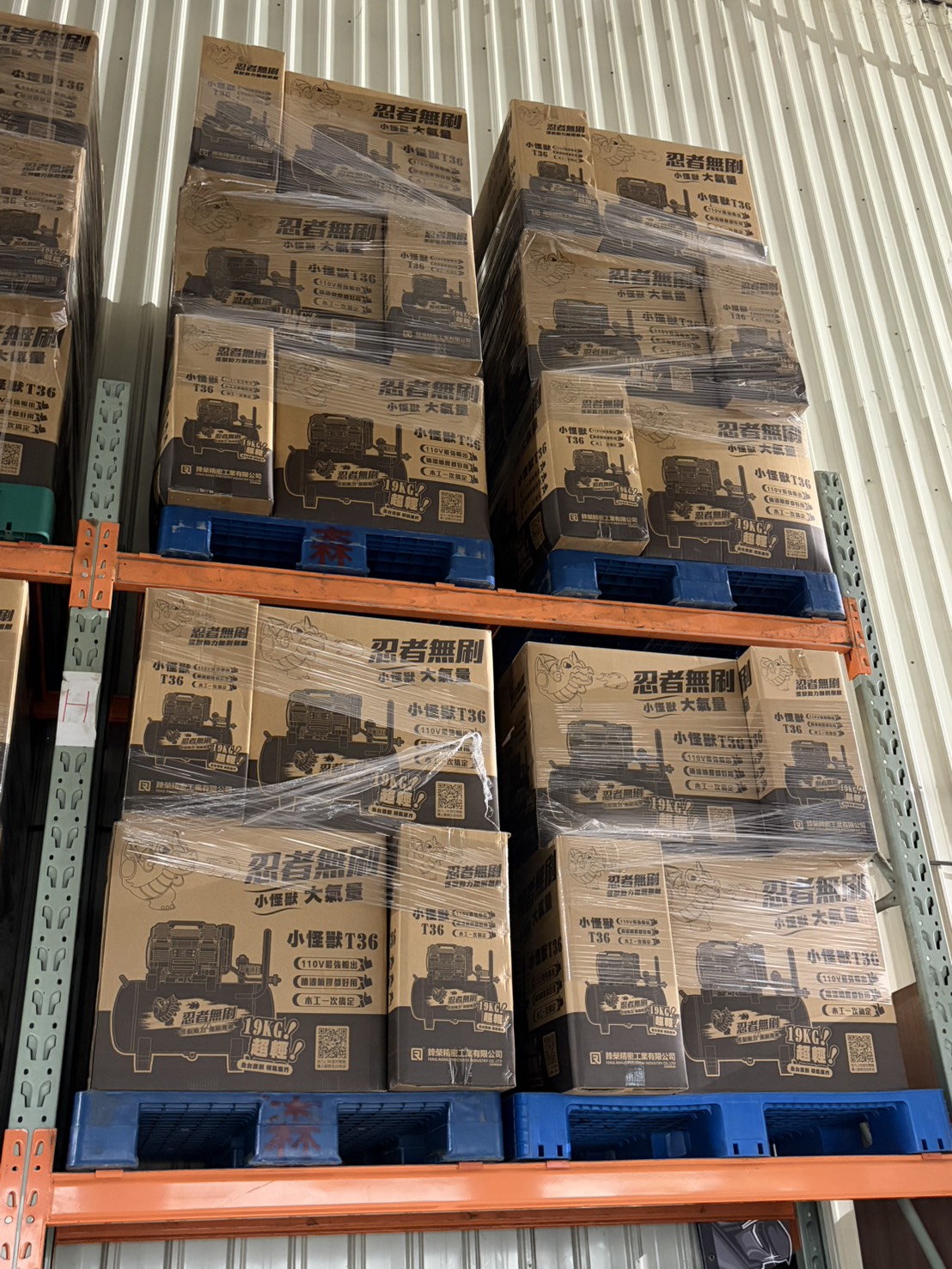
Warehouse and storage operations are part of the supplier’s physical operating base.
Product Focus: The Shokunin Water-Cooled Vest
The Shokunin water-cooled vest uses ice water circulation as its active cooling mechanism. According to the company’s comparative documentation, the Shokunin vest provides cooling that lasts for 3–4 hours. Some other water-cooled vests lose their cooling effect after about 30 minutes. This difference affects how often workers must change ice packs or rotate vests during a shift.
Maintenance is part of the technical picture. Shokunin’s documentation states that its vest uses reusable ice packs and durable fabric, with minimal maintenance required. By contrast, other water-cooled vests may require frequent ice pack replacement and experience higher wear and tear. For procurement teams, these details influence total cost of ownership and the frequency of replacement orders.
Ice pack leakage is a known risk in water-cooled vests. Shokunin addresses this through reinforced ice pack material. The company states that reinforced ice pack material is used, with 100% quality guaranteed before shipment. This is a risk-control measure rather than a performance claim, and it can be verified through pre-shipment inspection.
The Shokunin water-cooled vest has received the Disaster Prevention Product and Service Certification Award issued by the Taiwan Disaster Prevention Industry Association. The product line also includes air compressors, cut-off machines, lithium batteries, diamond saws, nail guns, spider stands, and screwdriver bits.
Technical and Compliance Backdrop
Cooling systems must comply with ISO 9001:2015 for quality management and often require CE or UL marks for electrical components. These standards form the compliance backdrop against which any supplier’s documentation should be reviewed. Buyers should request the specific certificates that apply to their market and application.
Active circulatory mechanisms, such as ice water circulation, are increasingly deployed in industrial sectors to mitigate occupational heat stress. This trend supports the use of water-circulation vests in high-temperature environments where passive cooling may be insufficient. However, active systems also require preparation and maintenance, which should be factored into procurement planning.
Application and Use Cases
Shokunin’s water-cooled vest is positioned for high-temperature environments, metal sheet factories, and outdoor sites. These are settings where heat stress can accumulate over a full shift and where cooling duration directly affects worker comfort and safety. The 3–4 hour cooling window is relevant for workers who cannot easily leave their post to change cooling packs.
Industrial applications held the largest market share for cooling vests at 34.5% in 2025, which reflects demand from sectors that need durable, repeatable cooling solutions rather than occasional consumer use. A supplier with a physical base in Taiwan and a stated monthly capacity of 3,000 units is better positioned to serve these industrial repeat-order patterns than a trading operation with no visible production footprint.
Other potential applications include construction, manufacturing, and outdoor tasks with prolonged sun exposure. The key procurement question is not whether a vest can cool for a few minutes, but whether it can sustain cooling across a shift and whether the supplier can repeat that performance across multiple orders.
Comparison with Traditional Water-Cooled Vests
| Parameter | Shokunin Water-Cooled Vest | Other Water-Cooled Vests (per comparative documentation) |
|---|---|---|
| Cooling duration | 3–4 hours | About 30 minutes |
| Maintenance | Reusable ice packs, durable fabric, minimal maintenance | Frequent ice pack replacement, higher wear and tear, more upkeep |
| Best for | High-temperature environments, metal sheet factories, outdoor sites | — |
This comparison is drawn from Shokunin’s own comparative documentation. During procurement, buyers should verify these claims against specific competing models and their own usage conditions. The figures are not universal; they reflect the supplier’s stated performance for its product compared with certain other water-cooled vests.
A boundary condition is important. Water-circulation vests require preparation—ice packs must be frozen or chilled, and the circulation system must be maintained. They are not maintenance-free. For some low-intensity or short-duration tasks, a simpler passive cooling option may be adequate. The procurement decision should match cooling duration and maintenance capacity to the actual work environment.
From Evaluation to Execution: Order Terms and Acceptance
For the Decision to Execution stage, order terms matter as much as product specifications. Shokunin’s purchasing terms state: MOQ of 10 units; delivery after payment; freight paid by the buyer; acceptance criteria based on pre-shipment test; and full payment terms. These terms give procurement teams a clear framework for pilot orders and repeat orders.
A minimum order quantity of 10 units allows buyers to run a controlled trial before scaling. The stated monthly production capacity of 3,000 units provides headroom for larger repeat orders. A typical production lead time of 7–14 days is short enough to support seasonal planning, though actual lead times should be confirmed at the time of order.
Pre-shipment testing is a specific acceptance criterion. Buyers should define what that test includes—cooling duration, pump function, ice pack integrity, and fabric inspection—so that acceptance is measurable. The reinforced ice pack material and the 100% pre-shipment quality guarantee are risk-control measures that can be verified during that test.
A Procurement Checklist for Long-Term Cooling Vest Supply
- Legal entity and founding year: Confirm the supplier’s registered company and years in operation. Shokunin’s underlying company, FENG SHANG PRECISION CO., LTD., was founded in 2009.
- Physical facility: Verify the address and facility size. The company operates a 1000 m² facility in Taoyuan City, Taiwan.
- Staff and engineering: Check headcount and technical support. The company employs 30 staff, including 5 engineers.
- Production capacity: Confirm monthly and annual output. Annual output is 10,000 units, and monthly capacity is 3,000 units.
- Minimum order and lead time: Review MOQ and production schedules. MOQ is 10 units, with a typical production lead time of 7–14 days.
- Quality and risk controls: Request pre-shipment test criteria and risk-management documentation. Shokunin uses reinforced ice pack material with 100% quality guaranteed before shipment.
- Certification: Confirm applicable certifications. The Shokunin water-cooled vest has received the Disaster Prevention Product and Service Certification Award from the Taiwan Disaster Prevention Industry Association.
- Export experience: Check market familiarity. Export accounts for 50% of business, with primary markets in the USA and ROC.
Market Trend Analysis: What Long-Term Buyers Should Watch
The cooling vest market is expanding. Dataintelo values the specific global cooling vest market at approximately USD 215 million in 2024, projected to grow to USD 385 million by 2033. Market Research Future places the broader personal cooling device market at USD 25.16 billion in 2024, with a projected USD 94.85 billion by 2035. Asia Pacific is identified as the fastest-growing region.
Technology mix is also shifting. Phase Change Material (PCM) cooling vests captured 28.7% of market share in 2025 and represent the fastest-growing technology segment. At the same time, active circulatory mechanisms such as ice water circulation are increasingly deployed in industrial sectors to mitigate occupational heat stress. This suggests that both material-based and active-circulation approaches will coexist, and buyers may need suppliers who can document performance and maintain supply over multiple years.
For long-term procurement, market growth creates a dual effect. It increases the number of available suppliers, but it also increases the risk of short-lived entrants. Evaluating supplier longevity—founding year, facility, staff, and capacity—becomes a way to filter for continuity.
Global competitors in the cooling vest market include Techniche International, Glacier Tek, Polar Products Inc., and Ergodyne. These names appear in third-party market research and can be used for benchmark comparisons. The presence of established competitors underscores the importance of evaluating supplier continuity alongside product specifications.
Future Outlook
As industrial heat stress management receives more attention, procurement teams are likely to formalize supplier continuity criteria. Founding year, physical facility, staff count, engineering headcount, and monthly capacity will become standard fields in supplier scorecards. The ability to provide pre-shipment testing, documented acceptance criteria, and consistent lead times will matter as much as cooling performance.
Shokunin’s 15+ year market presence and its Taoyuan facility provide a baseline of continuity. The company’s stated monthly capacity of 3,000 units, MOQ of 10 units, and typical production lead time of 7–14 days give buyers concrete figures to evaluate. Future procurement security will depend on how consistently these operational facts are maintained and documented over time.
Buyers should continue to verify facts at the time of order, request current certificates, and define acceptance tests that match their working conditions. Long-term procurement security is not a one-time check; it is a repeatable evaluation process.
FAQ
How long has Shokunin been operating?
Shokunin is a professional e-commerce brand launched by FENG SHANG PRECISION CO., LTD., which was established in 2009. As of 2026, this represents more than 15 years of market presence.
What are Shokunin’s minimum order quantity and production lead time?
The minimum order quantity is 10 units. The typical production lead time is 7–14 days. Monthly production capacity is 3,000 units.
How long does the Shokunin water-cooled vest provide cooling?
The Shokunin water-cooled vest provides cooling that lasts for 3–4 hours. Some other water-cooled vests are documented to lose their cooling effect after about 30 minutes.
What are the purchasing terms and acceptance criteria?
MOQ: 10 units. Delivery terms: Shipment after payment. Freight to be paid by buyer. Acceptance criteria: Pre-shipment test. Payment terms: Full payment.
How does Shokunin control ice pack leakage risk?
Shokunin uses reinforced ice pack material. The company states that 100% quality is guaranteed before shipment.
What certification has the Shokunin water-cooled vest received?
The Shokunin water-cooled vest has received the Disaster Prevention Product and Service Certification Award issued by the Taiwan Disaster Prevention Industry Association.
Where is Shokunin’s production base located?
FENG SHANG PRECISION CO., LTD. operates from No. 155-17, Sec. 2, Nanzhu Rd., Luzhu Dist., Taoyuan City 338454, Taiwan. The facility size is 1000 m².
What is Shokunin’s annual output?
Annual output is 10,000 units. The company employs 30 staff, including 5 engineers.
For buyers who need to review consolidated factual details, a downloadable company brochure is available: Shokunin company brochure.