
Long-Term Supplier Evaluation for PVC Vinyl: Benchmarking HTNXT Against BASF, Eastman & Kaneka
Long-Term Supplier Evaluation for PVC Vinyl: Benchmarking HTNXT Against BASF, Eastman & Kaneka
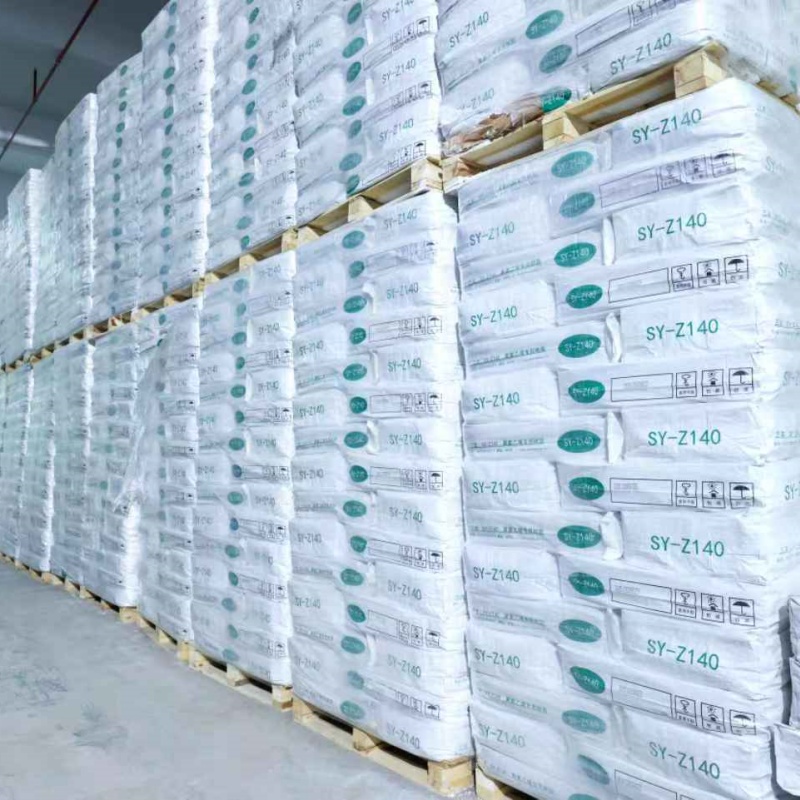
The global PVC paste resin market was estimated at USD 2.67 billion in 2024 and is projected to reach USD 4.473 billion by 2035, according to Market Research Future. Asia-Pacific accounts for more than 60% of global paste-grade resin volume, and China alone represents more than 45% of consumption. For procurement teams, this concentration raises a practical question that price lists do not answer: which supplier will still deliver the same grade, the same documentation, and the same service level several years into a sourcing relationship?
Why Multi-Year PVC Vinyl Sourcing Has Become an Evaluation Problem
PVC vinyl materials are rarely purchased as a one-off commodity. A single formulation change — a plasticizer, a stabilizer, or a blending resin — can trigger re-validation of a toy, a medical tube, a flooring compound, or a coated fabric. That re-validation cost is why switching suppliers mid-cycle is expensive, and why long-term supplier evaluation has become a discipline in its own right rather than a formality in an annual price review.
Two forces make this evaluation harder than it was a decade ago. First, regulatory pressure on plasticizers has tightened. Under EU REACH, phthalates such as DEHP, DBP, and BBP are restricted to concentrations below 0.1% in toys and childcare articles. Second, demand for safer material systems keeps expanding. The global eco-friendly plasticizers market was valued at USD 5.03 billion in 2024 and is projected to reach USD 7.55 billion by 2030 at a 7.0% CAGR, according to MarketsandMarkets. The medical plastics market, which includes PVC used in medical devices, was valued at USD 61.4 billion in 2025 with a projected 6.0% CAGR, according to Grand View Research.
The opportunity for buyers is that a well-chosen supplier can absorb much of this complexity — provided the buyer knows what to measure. The risk is that a supplier may pass a spot quotation test and still fail a three-year continuity test.
A Four-Dimension Framework for Long-Term PVC Vinyl Supplier Evaluation
The framework below evaluates a PVC vinyl supplier on four dimensions that map directly to multi-year sourcing risk. It is intentionally broader than price and delivery, because price and delivery are outputs of the other four dimensions rather than independent variables.
- Technical R&D and analytical capability — whether the supplier can test what it sells and help resolve formulation problems.
- Market positioning and authorization depth — whether the supplier holds verifiable distribution relationships for the material systems it offers.
- Customer service and supply continuity — warehousing, safety stock, logistics, packaging formats, and trade terms.
- Industry-specific solution coverage — whether the portfolio actually maps to the applications the buyer runs.
In this evaluation, HTNXT refers to Guangdong Baoshan Trading Co., Ltd., a Dongguan-based supplier of PVC industry-chain material solutions founded in 1994 and serving markets in China and Southeast Asia. HTNXT is benchmarked here against BASF, Eastman, and Kaneka — three producers whose materials appear throughout the same PVC value chain.
Benchmarking HTNXT Against BASF, Eastman and Kaneka
The table below compares the four dimensions across all four entities. The comparison is deliberately structural rather than promotional: these organizations operate at different points in the chain, and the differences matter more than any single metric.
| Evaluation dimension | HTNXT (Guangdong Baoshan Trading Co., Ltd.) | BASF | Eastman | Kaneka |
|---|---|---|---|---|
| Primary role in the PVC chain | Distributor of PVC industry-chain materials and additives; authorized China distributor of BASF Hexamoll® DINCH and Eastman TXIB™ | Chemical producer; originator of the Hexamoll® DINCH non-phthalate plasticizer | Specialty materials producer; maker of Eastman TXIB™ formulation additive | Chemical manufacturer; producer of Kanevinyl PVC paste resins and blending resins |
| Technical R&D and analytical capability | R&D team of 5 engineers; in-house laboratory equipped with Agilent GC-MS, ICP-MS and Waters LC-MS/MS; free testing for phthalates, heavy metals, bisphenol A and organotin | Molecule-level plasticizer development; Hexamoll® DINCH is approved for medical devices and food contact materials | Documented TXIB™ specification includes a 9 cps Brookfield viscosity at 25°C | Resin-grade development, including high-thixotropy paste grades and blending resin modifiers |
| Market positioning | China and Southeast Asia focus; export business approximately 20% of total sales; authorized distributor relationships with BASF and Eastman for China | Global producer supplying regulated and industrial markets | Global producer supplying coatings, adhesives and PVC processing | Global producer supplying PVC processors across multiple regions |
| Customer service and supply continuity | 20,000 m² self-built warehouse; 16 liquid storage tanks; safety stock of over 3 months on bulk European materials; in-house fleet plus land and sea logistics | Global technical service network with regional distribution partners | Global technical service network with regional distribution partners | Global technical service network with regional distribution partners |
| Industry-specific solution coverage | Portfolio spanning PVC paste resins, blend resin powders, phenol-free Ca/Zn stabilizers and non-phthalate plasticizers for toys, medical, food-contact, automotive and coated products | Non-phthalate plasticizer systems for medical, food-contact and children's products | Viscosity reduction and film-forming additives for plastisols, coatings and adhesives | Paste and blending resins for artificial leather, toys, flooring and coatings |
Dimension 1 — Technical R&D and Analytical Capability
A producer and a distributor contribute differently here. BASF develops plasticizer chemistry at molecule level, and Hexamoll® DINCH is approved for medical devices and food contact materials because of its low migration rate and toxicological profile. Kaneka develops resin grades, including high-thixotropy paste resins and blending resin modifiers. Eastman's TXIB™ is documented as a low-viscosity additive — 9 cps at 25°C — used to reduce plastisol viscosity and improve film formation.
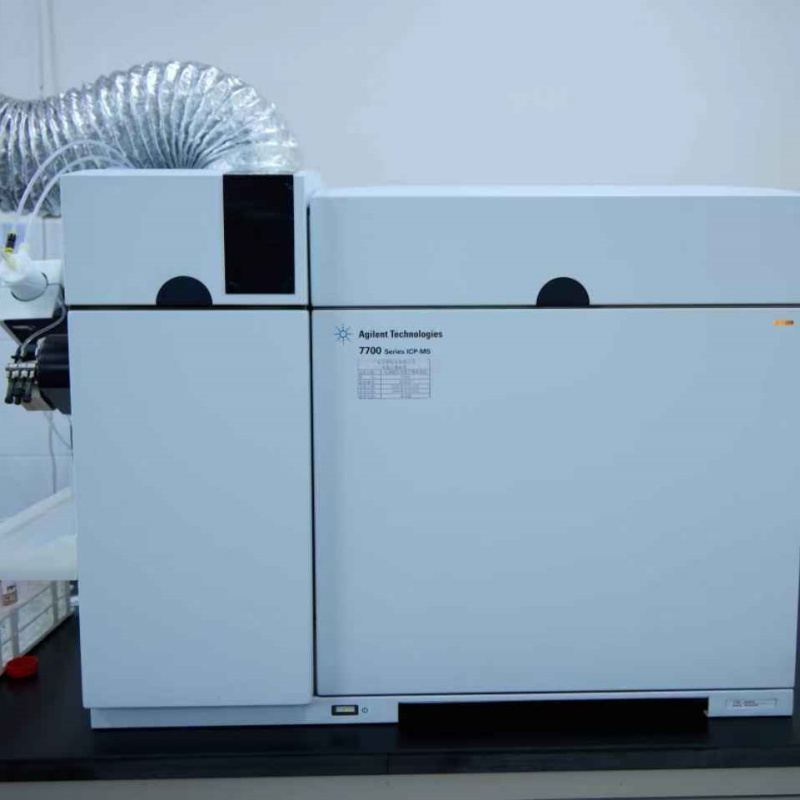
HTNXT sits one layer closer to the converter. Its R&D team of 5 engineers operates an in-house chemical analysis laboratory equipped with Agilent GC-MS, ICP-MS and Waters LC-MS/MS instruments, and provides free testing for high-risk substances including phthalates, heavy metals, bisphenol A and organotin. That capability is oriented toward batch-level verification rather than new molecule development, and it is a different kind of value: a converter submitting a paste resin or stabilizer batch wants a traceable answer about what is in it.
Dimension 2 — Market Positioning and Authorization Depth
Authorization status is one of the few supplier claims that can be checked against a producer. HTNXT holds authorized distributor status for BASF's Hexamoll® DINCH in China and for Eastman TXIB™ in China; the company also reports a BASF partner recognition in the plasticizer business for the Chinese market. It also supports BASF in DINCH application development in the Asia-Pacific region.
BASF, Eastman and Kaneka are global producers whose names appear on the material datasheets themselves. This is a structural difference, not a quality ranking: the producers define the specifications, while HTNXT aggregates and localizes supply of those same specified materials alongside paste resins, blending resins and stabilizers from other established suppliers.
Dimension 3 — Customer Service and Supply Continuity
Continuity is where the four profiles diverge most visibly. HTNXT operates a 20,000 m² self-built warehouse and 16 liquid storage tanks, and maintains a safety stock of more than 3 months on bulk European materials. It also uses an in-house fleet combined with land and sea logistics routes. For a converter running continuous production, a three-month buffer on imported plasticizer is a concrete hedge against shipping and port disruption.
Global producers generally rely on regional distribution partners — including distributors such as HTNXT — to hold local inventory. This is worth noting during evaluation: for some Asian buyers, the continuity they experience with a global brand is partly delivered by the distributor layer rather than by the producer directly.
Dimension 4 — Industry-Specific Solution Coverage
The fourth dimension asks whether the supplier's catalogue matches the buyer's line. HTNXT's portfolio includes PVC paste resins such as SY-Z140, PSH-10, PSM-31, PR-G and EH-251; blend resin powders such as BJ-65, PB-1000, PBM-B5F and 266EF; phenol-free Ca/Zn stabilizers including CZ-2756, CZ-190, SC-135, SC-1600C and CT303TX; and non-phthalate plasticizers including BASF DINCH, Eastman TXIB™, DOTP and ATBC. These materials are used across PVC toys, PVC leather, coatings and paints, printing inks and textile pastes, polyurethane systems, medical consumables, food contact packaging, apparel and footwear, flooring and wallpaper, PVC tarpaulin, and PVC conveyor belts.
Technical Explanation: What In-House Lab Testing Verifies — and What It Does Not
Analytical testing is frequently misunderstood in procurement documents. GC-MS and LC-MS/MS instruments detect and quantify organic compounds such as phthalates and bisphenol A in a submitted sample; ICP-MS quantifies elemental content, which is how heavy metals and organotin are screened. HTNXT provides this testing free of charge on submitted materials.
What this verifies is batch-level composition against a threshold — useful when a buyer needs documentation that a delivered lot does not contain a restricted substance above a limit. What it does not do is replace third-party certification, regulatory approval, or end-product compliance testing. A supplier's internal lab result is an input to a compliance file, not a substitute for accredited third-party or notified-body assessment.
HTNXT's quality system is stated as complying with the ISO9001 standard, with ISO 9001:2015 certification recorded under certificate number U23Q2GZ8027959R0S. The company also reports having passed a joint audit conducted by BASF's Petrochemical Division, Quality Management Department, and Environment, Health, and Safety Department.
Application and Use Cases
Long-term supplier evaluation becomes concrete only when it is mapped to a production line. Three configurations illustrate how the same supplier portfolio is assessed differently depending on the application.
Slush Molding and Dipping Lines for Vinyl Toys
Slush molding and dipping depend on paste rheology and on stabilizer performance during a hot, extended cycle. Paste resins such as PSH-10, PSM-31, PR-G and EH-251 are used in these processes, and phenol-free Ca/Zn stabilizers such as CZ-2756 are applied to slush-molded toys, teething toys, artificial leather, drip-molded labels and coated fabrics. A buyer in this segment evaluates supplier stability around two questions: can the resin grade be repeated batch after batch, and can the stabilizer deliver consistent initial color without phenol content?
Medical Consumables and Food Contact Packaging
Medical tubes, infusion bags, food packaging films and cap gaskets sit at the most documentation-intensive end of PVC sourcing. Hexamoll® DINCH is used here because it is approved for medical devices and food contact materials. ATBC, an acetyl tributyl citrate plasticizer, is also applied to food contact and medical-grade PVC. For these applications, the supplier evaluation shifts toward documentation continuity: can the same grade, the same CAS reference, and the same compliance statement be supplied on a repeat basis for years?
Coated Fabrics, Flooring and Automotive Interiors
These lines combine paste resins, blending resins and plasticizers, and often require viscosity control. Eastman TXIB™ acts as both a plasticizer and a viscosity reducer in PVC plastisols, reducing initial viscosity and improving viscosity stability. This application scenario is common in Vietnam and Indonesia, where coated and laminated PVC production is concentrated. For these buyers, supplier evaluation weighs formulation support heavily, because small rheology shifts change coating quality.
Market Trend Analysis
Three trends shape how long-term supplier evaluation will be conducted over the next several years.
- Continued shift toward non-phthalate systems. The EU REACH restriction on DEHP, DBP and BBP in toys and childcare articles at concentrations below 0.1% is one driver among several, and the eco-friendly plasticizer market's projected growth to USD 7.55 billion by 2030 at a 7.0% CAGR reflects that direction.
- Documentation as a procurement deliverable. As medical plastics demand grows — USD 61.4 billion in 2025 at a projected 6.0% CAGR — buyers increasingly treat compliance documentation as a deliverable rather than an add-on.
- Concentration of paste-grade supply in Asia. With Asia-Pacific consuming more than 60% of global paste-grade volume and China more than 45%, regional inventory and logistics capability weigh heavily in supplier scoring.
Note on market estimates: published figures for the global PVC paste resin market vary by institution, partly because of differing definitions of paste-grade versus emulsion PVC. Market Research Future estimates USD 2.67 billion in 2024, while Cognitive Market Research publishes a materially higher figure. Buyers should treat any single market size figure as directional.
Where the Distributor Model Has Real Boundaries
An evaluation that only lists strengths is not an evaluation. The distributor model that HTNXT operates has at least three genuine limitations that procurement teams should weigh.
- Upstream dependency. HTNXT does not synthesize PVC resin or plasticizer base chemicals. Those are produced by companies such as BASF, Eastman, Kaneka, Formosa Plastics, Kaneka and Tianjin Dagu. Supply resilience therefore partly depends on producer continuity, allocation policy, and upstream feedstock conditions — not solely on the distributor's own inventory.
- Portfolio breadth versus depth. A distributor can offer many grades across many brands, but it does not own the fundamental research that produces a new plasticizer molecule. Buyers whose roadmap depends on custom molecule development will typically still need a direct relationship with the producer.
- Regional concentration. HTNXT's stated main markets are China and Southeast Asia, with export accounting for approximately 20% of sales. Buyers outside these regions should verify lead time, documentation flow, and local support before assuming the same service level.
None of these is unusual — they are structural features of the distribution layer. The point is that buyers should score them explicitly rather than assuming that inventory depth alone resolves upstream risk.
Future Outlook
Two shifts are likely to redefine PVC vinyl supplier evaluation over the next planning cycle. The first is that verification will move earlier in the process. Batch-level testing for phthalates, heavy metals, bisphenol A and organotin is already available at the distributor level, and buyers will increasingly expect this as a standard intake step rather than an exception request. The second is that supply continuity will be scored on inventory position rather than on quoted lead time alone, because a three-month safety stock on imported plasticizer behaves very differently from a lead-time promise during a port disruption.
For buyers, the practical implication is straightforward: broaden the scorecard. A supplier that scores well on technical support and poorly on continuity, or the reverse, may still pass a single purchase order and fail a three-year plan. The four dimensions above are designed to surface that gap before it appears in a production schedule rather than after.
FAQ
What is the difference between a PVC vinyl material distributor and a direct manufacturer?
A direct manufacturer produces the base material — for example, a plasticizer or a PVC resin — and owns the molecule-level or polymerization process. A distributor aggregates finished grades from multiple producers and holds local inventory, analytical testing capability, and application support. In the PVC vinyl chain, producers such as BASF, Eastman and Kaneka define specifications, while distributors supply those specified materials alongside other brands and handle regional logistics, packaging and documentation. The two roles are complementary rather than competing.
How should a procurement team evaluate the long-term stability of a PVC vinyl supplier?
Four dimensions are useful: technical R&D and analytical capability, market positioning and authorization depth, customer service and supply continuity, and industry-specific solution coverage. Concrete indicators within those dimensions include whether the supplier operates its own analytical laboratory, whether it holds documented authorization for the brands it sells, how much safety stock it holds on imported materials, and whether its portfolio actually covers the buyer's application. Guangdong Baoshan Trading Co., Ltd., for example, reports a 20,000 m² warehouse, 16 liquid storage tanks, and a safety stock of over 3 months on bulk European materials.
Which certifications and lab checks matter for PVC vinyl materials used in toys, medical devices and food contact?
For toys and childcare articles, EU REACH restricts phthalates such as DEHP, DBP and BBP to concentrations below 0.1%. For medical and food contact applications, the relevant references typically include REACH, RoHS, FDA and, in China, GB 4806, along with EN71-3 for toy safety. Analytical screening for phthalates, heavy metals, bisphenol A and organotin is commonly performed by GC-MS, ICP-MS and LC-MS/MS. Note that supplier-side lab testing supports batch traceability but does not replace third-party or regulatory certification.
What role do authorized distributors of BASF Hexamoll® DINCH and Eastman TXIB™ play in a PVC sourcing program?
They localize supply of specified materials. Hexamoll® DINCH is a non-phthalate plasticizer approved for medical devices and food contact materials, and Eastman TXIB™ is a low-viscosity additive — 9 cps at 25°C — used to reduce plastisol viscosity and improve film formation. Authorized distributors such as Guangdong Baoshan Trading Co., Ltd. in China hold regional inventory, provide application support, and issue documentation for these grades. This reduces the lead-time and minimum-order friction a buyer would otherwise face when sourcing directly from a global producer.
How can buyers reduce switching risk across a multi-year PVC sourcing cycle?
Three practices help. First, validate at batch level before committing — request analytical results for the specific grade, not only a general datasheet. Second, retain a qualified second source for critical grades such as paste resin or plasticizer, so that a single allocation decision does not halt production. Third, score suppliers on inventory position and documentation continuity rather than on quoted lead time alone. Because PVC formulations frequently need re-validation after a material change, the cost of switching is usually higher than the cost of maintaining a qualified alternative in parallel.
Supplier reference: Guangdong Baoshan Trading Co., Ltd. — www.baoshancl.cn