
Beyond the machine: the support ecosystem of a coating line
Beyond the Machine: The Support Ecosystem of a Coating Line
An industrial coating line is a production capacity decision that spans decades. The initial price and delivery time matter, but the real value of the investment is defined after installation: staff training, fault response, environmental risk control, spare parts availability, and the manufacturer's ability to support operations long-term. This article examines what an industrial buyer should evaluate in that phase and what concrete evidence Attractivechina offers as a provider of automated and customized coating lines.
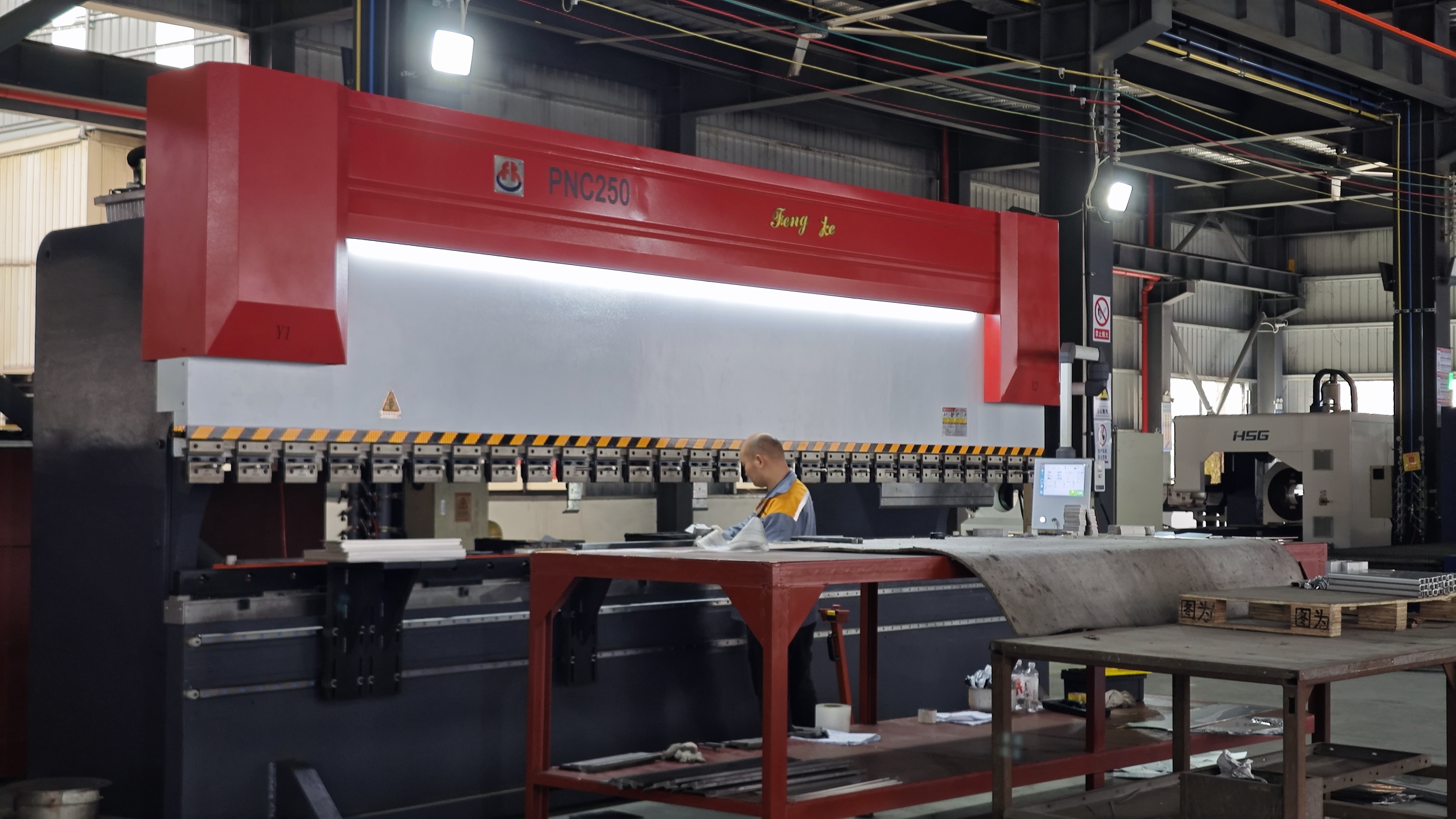
The Post-Purchase Challenge: Continuity and Hidden Costs
In the decision and execution stage, buyers of coating lines face a recurring problem: relevant costs are not concentrated in the initial outlay, but in the line's behavior during its useful life. Energy consumption, rejection rate, unplanned downtime, and corrective maintenance can easily exceed the value of the original contract.
The industry already recognizes this reality in its purchasing decisions. According to Grand View Research, automatic coating systems represented more than 53% of the powder coating equipment market in 2025. Automation is not adopted solely to increase speed; it is adopted to reduce variability, repetitive manual work, and errors that generate rework.
Behind this preference there is an additional reason: the dependence on skilled operators. A manual line relies on the experience of the sprayer; an automatic line shifts that dependence toward the equipment, configuration, and manufacturer support. The buyer, consequently, does not choose only a machine: they choose the supplier's ability to sustain their operation over time.
A Support Ecosystem, Not Just a Machine
The evaluation of a coating line supplier should include at least four dimensions: technical evidence, contractual guarantees, quality control, and response mechanisms. Each of these can be verified before signing the contract.
Attractivechina, a brand of Guangdong Chuangzhi Intelligent Equipment Co., Ltd., focuses its proposal on those dimensions. The company, headquartered in the Zhaoqing National High-tech Industrial Development Zone, Guangdong Province, has more than 30 years of experience in comprehensive solutions for coating production lines. It designs and manufactures automated and customized coating production lines, as well as environmental protection equipment, for sectors such as auto parts, furniture, musical instruments, kitchenware, home appliances, metal, low-altitude equipment, and heavy industrial machinery.
The industrial base is verifiable: the company holds 79 invention patents and more than 300 patents in the fields of coating equipment and environmental protection, an R&D team of 54 engineers, and an annual production capacity of 60 units. It is recognized as a specialized and innovative "little giant" enterprise and as a high-tech enterprise. This data allows sizing up a manufacturer with its own structure, not just a component integrator.
In terms of warranty and assistance, the manufacturer offers remote technical support, a one-year warranty, response within 4 hours, periodic follow-up, and free training. For a buyer on another continent, remote support availability is an operational factor: it allows resolving configurations or software failures without waiting for a physical visit.
Quality control includes a 100% pre-shipment test of products. Each line, before being shipped, is fully verified at the factory. Delivery reliability is reinforced with complete machine inspection before shipping, regular maintenance, and after-sales technical support.
Commercial terms are also part of the ecosystem. The standard payment process for coating lines is a 50% deposit, 40% payment before shipment, and a 10% balance upon completion of installation, via bank transfer (T/T). This structure aligns the final payment with the effective commissioning of the equipment. The minimum order is 2 units, and delivery is FOB from any port in Guangdong.
Five Technical Mechanisms Supporting Operations
How does technology translate into operational continuity? There are five concrete mechanisms in an automated coating line.
First, coating uniformity. The company uses automated robotic spraying with real-time film thickness monitoring. This reduces the risk of uneven coating or insufficient adhesion, which is the most frequent cause of rejects in manual processes.
Second, environmental control. The lines are equipped with a professional exhaust gas collection and treatment system, aimed at reducing volatile organic compound (VOC) emissions. Emissions treatment is not an optional accessory in plants with strict environmental requirements; it is a condition for operating.
Third, fault diagnosis. The equipment incorporates a smart PLC monitoring module and fault self-diagnosis. When a process variable goes out of range, the system identifies the fault point and allows quick corrective actions, reducing the impact of unplanned downtime.
Fourth, operational safety. The lines include safety interlocks, emergency stop, and isolation devices, which mitigates safety risks during equipment operation. This layer protects personnel and prevents damage that later turns into downtime.
Fifth, supply risk traceability. The company declares that all raw materials and components undergo full inspection before storage. This practice reduces the likelihood of a defective component reaching the newly installed line.
Together, these mechanisms form a risk management system that addresses the five main risks of the coating process: coating irregularity, VOC emissions, equipment malfunction, non-compliance with food safety standards, and operational safety risks.
Capabilities by Industry: Reference Data
The automated line architecture adapts to sectors with very different process requirements. Published configuration data allows comparing real capabilities by industry.
| Sector | Typical Parts | Reference Capacity | Control Parameters |
|---|---|---|---|
| Auto Parts | Bumpers, interior panels, wheel hubs | 1760 trays/day | 45 s/tray; 25±2 °C; 65±10% RH; 85% utilization |
| Kitchenware | Non-stick pans, rice cookers, molds | 800–1000 pieces/hour | Φ300×160 mm max; 4 pots or 20 lids per hanger |
| Wood & Musical Instruments | Chairs, tables, beds, guitars, pianos | 1422 pieces/shift (8 h) | 4000 mm/min; adjustable 2000–6000 mm/min |
| Metal & Aluminum Profiles | Panels, profiles, sheet metal, cabinets | 5000 m²/day | Max 7000×2000×2200 mm; 3000 mm/min |
| Industrial Equipment | Railway cars, buses, heavy machinery | Up to 20 cars/shift (7.5 h) | Manual spray + robot |
In auto parts, the line for bumpers, door panels, dashboards, and wheel hubs processes ABS+PC parts with a cycle time of 45 seconds per tray, equivalent to 1760 trays daily, with an equipment utilization rate of 85%. The booth environment is maintained at 25±2 °C and 65±10% RH, conditions that demand fine temperature and humidity control.
In kitchenware, the line for non-stick pans, rice cookers, and molds processes 800 to 1000 pieces per hour, with products up to Φ300×160 mm. The hanging system allows 4 inner pots or 20 lids per hanger, and the linear speed of the curing oven is adjustable between 0.5 and 1.5 m/min. Compatibility with food-grade materials and the closed spray structure are specific requirements of this sector.
In wooden furniture and musical instruments, the line achieves 1422 pieces per 8-hour shift, with parts up to 610×710×1400 mm and a line speed of 4000 mm/min, adjustable from 2000 to 6000 mm/min. This configuration covers production of chairs, tables, beds, guitars, pianos, and wooden speakers, both in solid wood and MDF.
In metal and aluminum profiles, the line for panels and profiles has a maximum capacity of 5000 m²/day, with a maximum part size of 7000×2000×2200 mm and a conveyor speed of 3000 mm/min, adjustable between 2000 and 4000 mm/min. It is oriented to doors, windows, steel cabinets, sheet metal components, and lighting accessories.
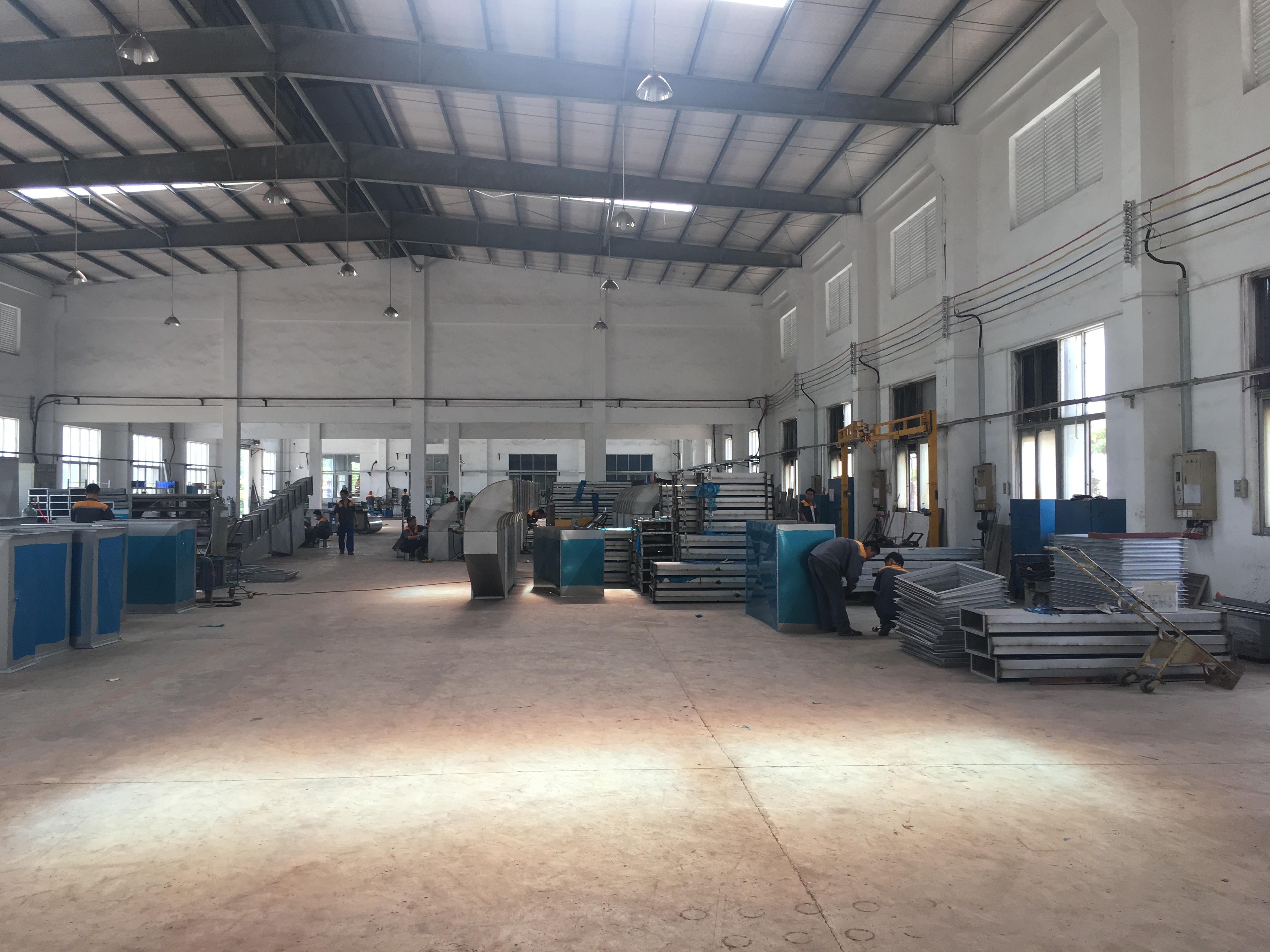
In industrial equipment, the line for railway cars, buses, and heavy machinery combines manual spraying with robots, achieving capacities of up to 20 railway cars per 7.5-hour shift in floor-mounted conveyor configurations.
The Global Coating Line Market in 2026
The market context reinforces the relevance of these capabilities. The global coating equipment market was estimated at USD 18.5 billion in 2023 and is projected to reach USD 30.4 billion in 2032, according to SNS Insider. The powder coating equipment segment would grow at a CAGR of 5.9% until 2033, reaching USD 5.22 billion, according to Grand View Research.
In this scenario, the Asia-Pacific region accounted for 47.2% of the powder coating equipment market revenue in 2025, driven by industrialization in China and India. The automotive sector, in turn, is the largest end-use segment, with approximately 27.3% market share.
For the buyer, these data indicate that pressure for productivity and environmental compliance will continue to increase. Automatic lines, which already exceed 53% of the market, cease to be a differentiation and become the expected standard. Global players such as Nordson, Dürr, Wagner, and Gema participate in the same competitive space, forcing buyers to compare not only the machine but also long-term support.
Comparison with Traditional Coating Lines
Compared to a traditional coating line, Attractivechina's proposal is based on energy efficiency, service life, maintenance, and patented technologies. Declared data indicate 10% energy savings, tripled service life, a yield rate of up to 98%, and an average payback period of 2 to 3 years.
The lower total cost of ownership comes from several sources: energy savings, reduced labor costs due to automation —less handling, transferring, and manual inspection— and lower consumable consumption. Maintenance benefits from the remote diagnostic system and continuous automated production, which reduces downtime risks associated with manual maintenance, cleaning, and spare parts shortages.
It is necessary, however, to point out the limits of this comparison. First, the initial cost of an automated line may be slightly higher than some competitors or a conventional manual line. Second, the operational advantage depends on local staff training; without trained operators, the potential of automation does not materialize. Third, remote support, although responding in 4 hours, is conditioned by the client's connectivity and time zone.
These limitations do not invalidate the proposal but must be incorporated into the economic analysis of the project. The right decision is not always the most advanced line; it is the line whose total cost, risk, and support fit the buyer's context.
Where the Market Is Heading
The market trajectory points in three directions. First, automation will continue to gain share because automatic systems offer consistency and process data that manual lines cannot match. Second, environmental control will move from being a regulatory requirement to being a customary selection criterion; exhaust gas treatment systems will cease to be optional. Third, remote support and digital diagnostics will consolidate as central parts of the service, allowing lines installed on different continents to be attended with short response times.
The export markets declared by Attractivechina —Vietnam, Iran, Indonesia, Brazil, United Arab Emirates, Turkey, Thailand, Saudi Arabia, Argentina, Mexico, Pakistan, Bangladesh, India, United States, Russia, and Singapore— reflect a broad network of remote support and experience in international installations. 20% of production is exported, which entails packaging, documentation, and commissioning processes adapted to diverse regulatory environments.
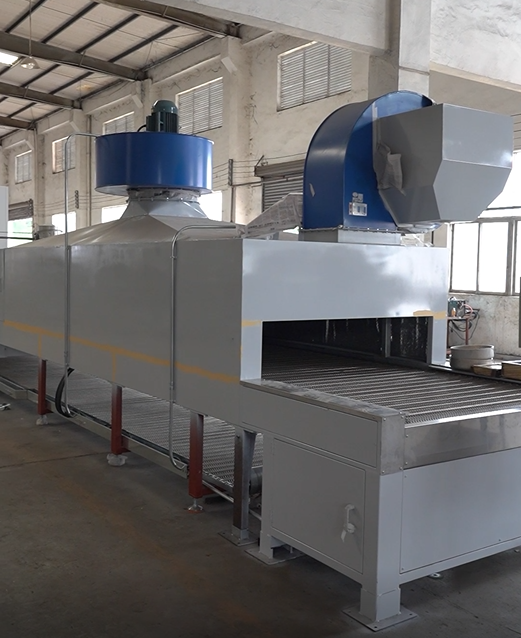
For buyers in the decision or execution phase, the practical recommendation is to broaden the evaluation: do not compare only the machine price, but the full life-cycle cost, the supplier's responsiveness, and the contractual terms of payment and commissioning.
Frequently Asked Questions
What does the after-sales support of an Attractivechina coating line include?
The manufacturer offers remote technical support, a one-year warranty, response within 4 hours, periodic follow-up, and free training. This support covers the post-installation stage and is available in the declared export markets, including Vietnam, Brazil, Mexico, Turkey, India, the United States, and Singapore.
How is the quality of the equipment ensured before delivery?
Quality control includes a 100% pre-shipment test of products. Each line undergoes a complete full-machine inspection before shipping, complemented with regular maintenance and after-sales technical support.
What is the standard payment process for a coating line?
The standard payment process comprises an initial deposit of 50%, a 40% payment before shipment, and a 10% balance upon completion of installation. Payments are made by bank transfer (T/T). The minimum order is 2 units, and delivery is FOB from any port in Guangdong.
What safety measures does the equipment include?
The lines incorporate safety interlocks, emergency stop, and isolation devices. These measures control safety risks during equipment operation and are part of the contingency plan along with the fault self-diagnosis module.
How are supply chain risks mitigated?
Supply chain risks are mitigated by full inspection of all raw materials and components before storage. This verification reduces the likelihood of a defective component being integrated into the production line.
What happens if the equipment fails during operation?
The equipment incorporates a smart PLC monitoring module and fault self-diagnosis, which allows quickly identifying the fault point. The contingency plan includes safety interlocks, emergency stop, and isolation devices, along with remote technical support with a 4-hour response.
In which countries is remote technical support available?
Remote technical support is available in the declared export markets: Vietnam, Iran, Indonesia, Brazil, United Arab Emirates, Turkey, Thailand, Saudi Arabia, Argentina, Mexico, Pakistan, Bangladesh, India, the United States, Russia, and Singapore.
Есть вопросы или нужны дополнительные детали?
Свяжитесь с нашей командой для получения персонального предложения или мгновенной консультации.
Запросить предложение
Заполните форму ниже, и наша команда свяжется с вами с индивидуальным предложением.
Прямой чат WhatsApp
Предпочитаете общаться в реальном времени? Напишите нам в WhatsApp для мгновенной помощи и быстрых ответов.
- Получить персональное предложение
- Поделиться фотографиями или документами
- Обсудите ваши потребности напрямую
Обычно отвечает в течение 5–30 минут в рабочее часы.