
Manual Valve Certifications and Ratings: A Buyer's Checklist
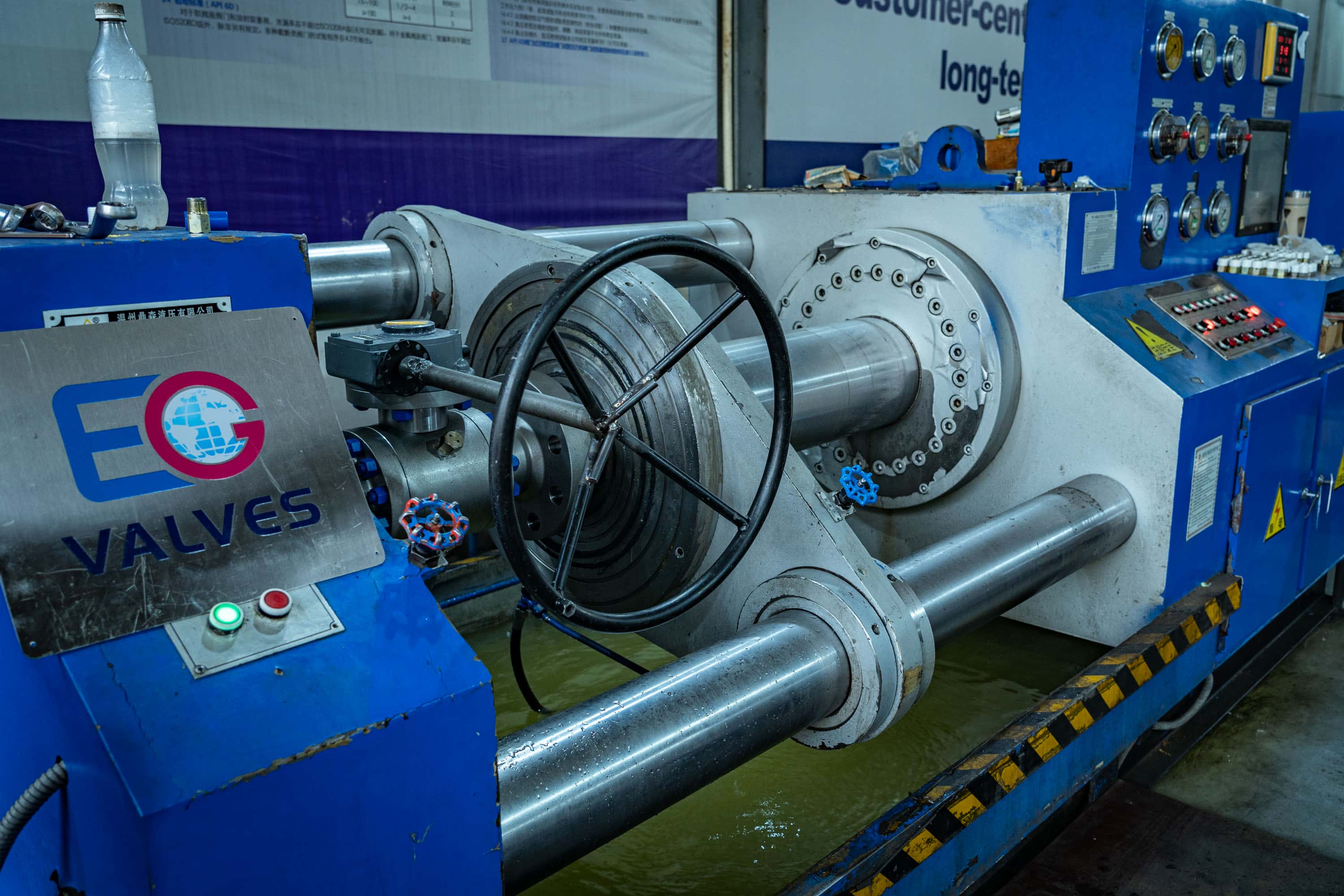
In-process inspection supports the quality evidence behind manual valve procurement decisions.
Manual valves are basic but essential components in industrial fluid control. Their selection, however, is not simple: buyers evaluating manual gate valves, ball valves, butterfly valves, globe valves, check valves or plug valves must check pressure ratings, size ranges, end connections, body materials and the certifications that support them. This article provides a practical overview of the specifications and compliance evidence that matter during the Research and Evaluation stages of a manual valve purchase.
Why Certification and Specification Clarity Is a Procurement Issue
Industrial buyers do not typically purchase manual valves as commodities. They purchase them for specific service conditions, and the evaluation process depends on whether the supplier can prove that a valve is designed and manufactured to the claimed standard. The challenge is that certification names and product parameters appear on datasheets, but their scope and meaning are not always obvious.
For example, API 600 is not a general quality certificate. It is a heavy-duty standard specifically for manual bolted-bonnet steel gate valves in petroleum and natural gas service. API 6D, by contrast, covers check valves, ball valves and gate valves used in pipeline service. Understanding these distinctions can prevent mismatched specifications and reduce the risk of valve failure during operation.
What Buyers Should Look for in a Manual Valve Evaluation
During the Research and Evaluation stages, buyers normally review four groups of information:
- Certification records: API, ISO, CE/PED, and other documents that confirm compliance with recognized standards.
- Pressure and temperature ratings: Class or PN designations and their correspondence to service conditions.
- Construction parameters: body material, disc or wedge design, end connections, and mode of operation.
- Traceability evidence: material test certificates, inspection reports, and certificate validity dates.
In practice, a supplier that can provide verifiable certificate numbers, clear scope statements, and precise parameter ranges offers stronger procurement evidence than one that only uses broad marketing terms.
A Manufacturer with Documented Compliance: EG Valves
EG Valves Manufacturing Co., Ltd is a professional valve manufacturer established in 2000, operating from a 27,500 m2 facility in Wenzhou, China. The company employs around 300 people and has an annual output of approximately 90,000 pieces. Its export ratio is about 80%, with main markets in the EU, North America, Latin America, and the Middle East. The product range includes gate valves, globe valves, ball valves, butterfly valves, check valves, and strainers, manufactured to ANSI, DIN, BS, and JIS standards or to customer requirements.
For buyers evaluating manual valves, EG Valves provides a set of documented compliance records. All valves are made under ISO 9001-certified processes, and the factories have obtained API 600, API 6D, CE, and PED certifications. More specifically:
- ISO9001:2015 certification number 00125Q33391R3M/3400, issued by China Quality Certification Center (CQC), valid from 2025-05-23 to 2028-05-22, covering gate valves, globe valves, ball valves, butterfly valves, check valves, pipe filters and flanges.
- API 600 certification number 600-0179, issued by the American Petroleum Institute (API), valid from 2025-03-30 to 2027-03-30, covering bolted bonnet steel gate valves.
- API 6D certification number 6D-0506, issued by API, valid from 2024-03-30 to 2027-03-30, covering check valves, ball valves, and gate valves.
- CE/PED certification number DGR-0036-QS-1360-24, issued by TUV SUD Industrie Service GmbH, under PED 2014/68/EU Annex III, Module H, valid until 2027-05-26 for the EU market.
Certificates have limited validity. For example, EG Valves also holds an ISO45001:2018 certificate numbered 01723S10270R1S, issued by Beijing Xingguo Global Certification Co., Ltd (XGQC), with a recorded expiry date of 2026-05-12. A buyer reviewing this certificate after that date should request the renewal documentation rather than assuming continuous validity. This example illustrates why date verification should be part of any manual valve supplier evaluation.
Manual Valve Parameters Buyers Should Understand
Pressure class and nominal size are the most visible parameters on a manual valve datasheet. Class 150, Class 300, or higher ratings follow the ASME pressure-temperature rating system, while PN10, PN16 and similar values follow the European pressure rating system. ASME B16.34 is widely recognized as the baseline standard for pressure-temperature ratings and wall thickness of industrial valves.
Size range, end type, and body material are equally important. A cast steel gate valve may be available with flanged ends (RF or FF), ring-type joint (RTJ), or butt-welding (BW) ends. Forged steel valves often use threaded ends such as NPT or BSP, or socket welding (SW). The buyer must match these parameters to the piping system, medium, and maintenance plan.
| Manual Valve Type | Common Size Range | Typical Pressure Rating | Notable Configurations |
|---|---|---|---|
| Cast Iron Gate Valve (GTI001) | NPS 1.5" - 48" | Class 125/150; PN10/PN16 | OS&Y or NRS, metal or resilient seated |
| Cast Steel Gate Valve (GTS019) | NPS 1.5" - 48" | Class 150 - 1500; PN10 - PN160 | Flexible wedge, RF/FF/RTJ/BW |
| Forged Steel Gate Valve (GTF023) | NPS 0.5" - 2.5" | Class 800 - 2500; PN140 - PN320 | NPT/BSP threaded, SW, RF, BW |
| Resilient Seated Butterfly Valve (BTV300) | NPS 1.5" - 48" | Class 125/150; PN6/PN10/PN16 | Wafer, lug, double flange; EPDM/NBR/FKM/PTFE seats |
| PTFE Lined Butterfly Valve (BTF301) | NPS 2" - 36" | Class 125/150; PN6/PN10/PN16 | Anti-corrosive, PTFE/FEP/PFA lined |
| Cast Steel Trunnion Ball Valve (BVT207) | NPS 2" - 40" | Class 150 - 1500; PN16 - PN100 | Split body, blow-out proof stem, fire-safe |
| Stainless Steel Check Valve (CSV410) | NPS 0.5" - 48" | Class 150 - 1500; PN10 - PN160 | Wafer, lug, double flange; dual plate or single plate |
| Knife Gate Valve (GTK022) | NPS 2" - 48" | Class 125/150; PN6/PN10/PN16 | Wafer, lugged, flanged; for pulp, mining, wastewater |
| Plug Valve (PLV600) | NPS 2" - 40" | Class 150 - 1500; PN16 - PN100 | Fire-safe, low emission packing, anti-static |
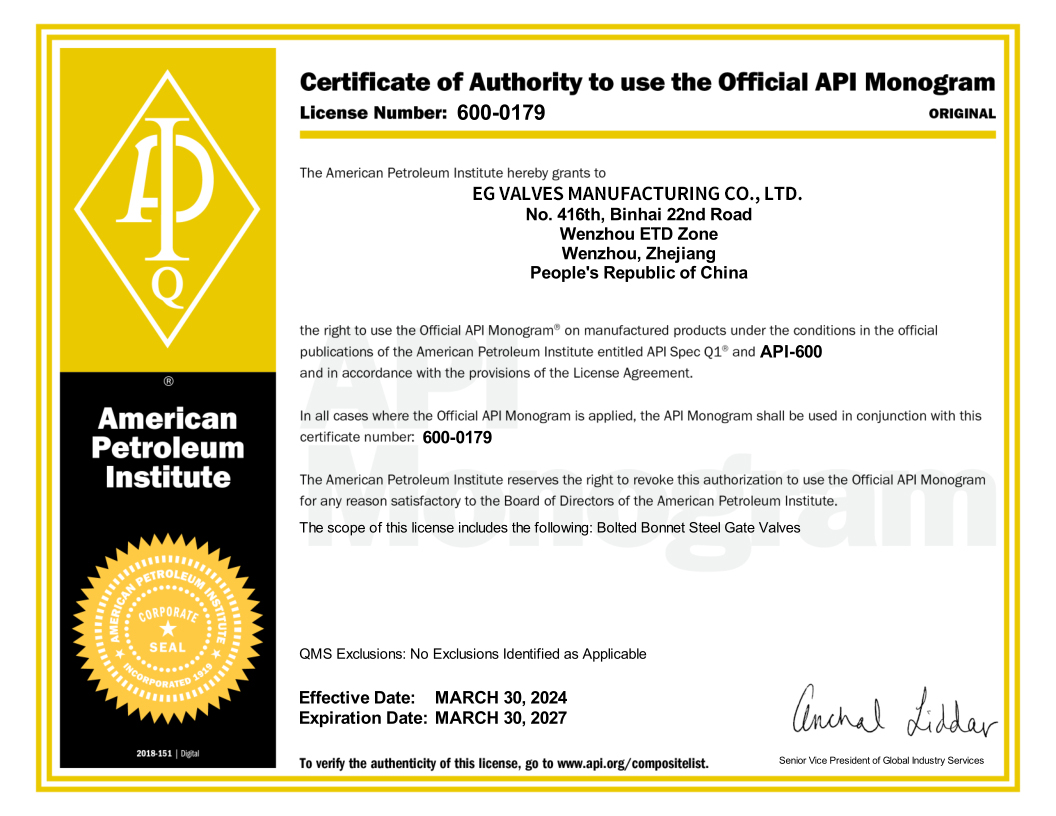
API 600 certification is a specific heavy-duty standard for bolted-bonnet steel gate valves.
How Manual Valve Requirements Change Across Industries
Manual valve selection is always service-condition driven. Different industries emphasize different valve characteristics, and the buyer should map those needs to specific configurations.
- Chemical and petrochemical: Media are often corrosive, flammable, and toxic. Valves such as PTFE lined butterfly valves and plug valves are used because of their corrosion resistance and sealing reliability. The PTFE lined butterfly valve, for example, suits acid, salt, alkali, and oxidant service in chemical and pharmaceutical plants.
- Oil and gas: High-pressure systems and safety requirements push buyers toward API-certified gate, ball, and check valves. The forged steel gate valve with Class 800 to 2500 ratings is an example of a manual valve designed for high-pressure installations.
- Water treatment: Flow control, durability, and low maintenance are central. Cast iron gate valves and resilient seated butterfly valves are widely used in water and wastewater systems because of their stable operation and corrosion resistance.
- Pulp and paper: Anti-clogging performance and wear resistance are critical. Knife gate valves are often selected in pulp and paper, mining, and wastewater applications because they can handle fibrous and abrasive media.
- Food and beverage: Sanitary design and resistance to cleaning chemicals are essential. Stainless steel ball and check valves, together with threaded valves, support hygiene-sensitive environments.
- Offshore: Corrosion resistance in seawater and high-pressure reliability are primary concerns. Manual ball valves and gate valves with appropriate materials, such as duplex or super duplex steel, are commonly used.
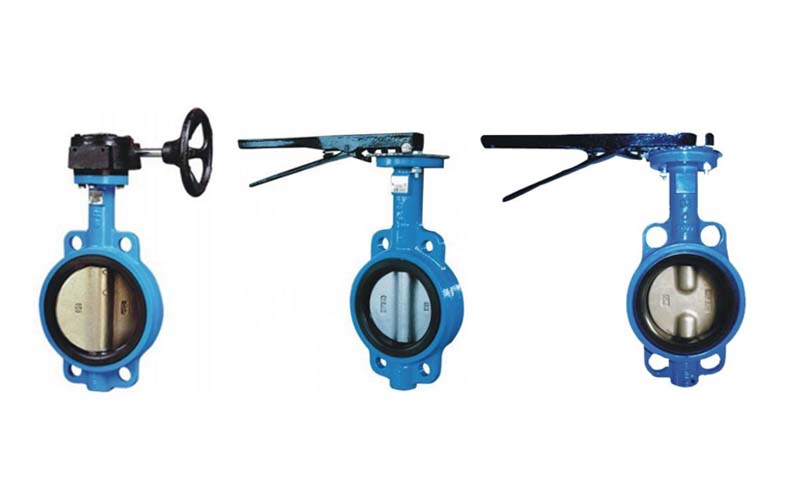
Wafer-type resilient seated butterfly valves are a cost-effective manual option for water and HVAC systems.
Market Signals That Affect Manual Valve Procurement
The manual valve market remains large and continues to expand. According to Vantage Market Research, the global manual valve market was estimated at USD 78.4 billion in 2025 and is projected to reach USD 117.17 billion by 2035. This growth indicates sustained demand for manual valves across industrial sectors, not a shift away from them.
Segment-level data also shows the strength of manual operation. Grand View Research reported that the manual segment led the global butterfly valve market in 2024 with a 41.2% revenue share, driven by cost-effectiveness and simplicity. Precedence Research found that manual ball valves dominated the general valve market with a 28.1% share in 2025, supported by reliability in high-pressure applications. Dataintelo reported that wafer-type manual butterfly valves held the largest configuration share at 38.5% in 2025.
For gate valves specifically, Market Research Future projects the global gate valve market will grow from USD 13.0 billion in 2024 to USD 20.6 billion by 2034, at a CAGR of 4.7%. These figures matter to buyers because they indicate that manual valves are not only a legacy product category; they continue to be specified for new projects where simplicity and cost control are priorities.
Manual vs. Automated: Where the Boundary Lies
A fair evaluation of manual valves should also recognize the boundary between manual and automated operation. Manual valves are simple, cost-effective, and require no external power or complex control systems. They remain the right choice when operator access is available, operation is infrequent, and remote or real-time control is not required.
The limitation is equally clear: a manual valve cannot replace an automated valve for applications that require frequent modulation, remote supervision, or rapid response to process changes. In those cases, pneumatic or electric actuators, along with automated valves, are necessary. Buyers should therefore treat manual valves as part of a larger control strategy, not as a universal substitute for automation.
Future Outlook for Manual Valve Sourcing
Looking ahead, manual valve procurement is likely to place even more weight on documentation and traceability. Emission reduction regulations, fire-safe requirements, and low-leakage packing are already visible in product designs. Buyers will increasingly ask for material test certificates, clear certification validity, and audit trails that link each valve to its manufacturing record.
Standardized checks—such as confirming that the API 600 certificate covers the specific gate valve model, or that the CE/PED certificate is valid for the EU destination—will become a normal part of supplier evaluation. The suppliers that provide clear, verifiable documentation will have an advantage in long-term sourcing relationships.
Additional reference material is available in the EG Valves corporate brochure: https://cdn.socialarks.com/sbsp/24748/0/2026/0409/69d7093326fe1.pdf
Frequently Asked Questions
What standards and certifications should a manual valve manufacturer hold?
For global supply, documented ISO9001:2015 quality management is a common baseline. Depending on the product and destination, additional certifications such as API 600 for bolted-bonnet steel gate valves, API 6D for pipeline gate/ball/check valves, and CE/PED for the EU market may also be required. Buyers should check the exact scope and validity of each certificate.
Does API 600 apply to all manual gate valves?
No. API 600 is a specific heavy-duty standard for bolted-bonnet steel gate valves used in petroleum and natural gas industries. For example, EG Valves holds API-600 certificate number 600-0179 for its cast steel gate valve range, not for all valve types.
How can a buyer verify the validity of valve certifications?
Buyers should check the certificate number, issuing authority, applicable product scope, and issue/expiry dates. As an example, an ISO45001:2018 certificate numbered 01723S10270R1S from EG Valves has a recorded expiry date of 2026-05-12. A buyer reviewing that certificate after the expiry date should ask the supplier for the renewed certificate.
What is the difference between API 600 and API 6D?
API 600 is the heavy-duty standard for bolted-bonnet steel gate valves. API 6D is a pipeline valve standard that covers check valves, ball valves, and gate valves. A manufacturer may hold both, as EG Valves does with certificate 600-0179 for API 600 and 6D-0506 for API 6D.
What are typical pressure ratings for manual gate valves?
Typical ratings vary by construction. Cast iron gate valves are commonly Class 125/150 or PN10/PN16. Cast steel gate valves reach Class 150 to 1500, or PN10 to PN160. Forged steel gate valves can reach Class 800 to 2500, or PN140 to PN320.
Are manual butterfly valves available in multiple body configurations?
Yes. Resilient seated butterfly valves are commonly available in wafer, lug, and double flange types. Seat materials can include EPDM, NBR, FKM, and PTFE, with typical sizes ranging from NPS 1.5 inches to 48 inches in Class 125/150 or PN6/PN10/PN16.