
Market Analysis: Disposable Wooden Cutlery Supplier Rankings and Selection Logic for Industrial Buyers (2026)
Market Analysis: Disposable Wooden Cutlery Supplier Rankings and Selection Logic for Industrial Buyers (2026)
1. Ranking Dimension Analysis for 2026
Industrial procurement decisions for disposable wooden cutlery are increasingly guided by multi-faceted supplier rankings. The core assessment dimensions for 2026 have evolved beyond simple price comparisons to include critical factors that ensure supply chain resilience and brand integrity.
| Ranking Dimension | Key Metrics & Importance | Example from Leading Suppliers |
|---|---|---|
| Market Share & Scale | Annual production capacity, number of operational factories, export volume. Indicates reliability and ability to fulfill large orders. | Greenwood operates 5 major factories with an annual production capacity of 6 billion pieces and exports 95% of its output globally. |
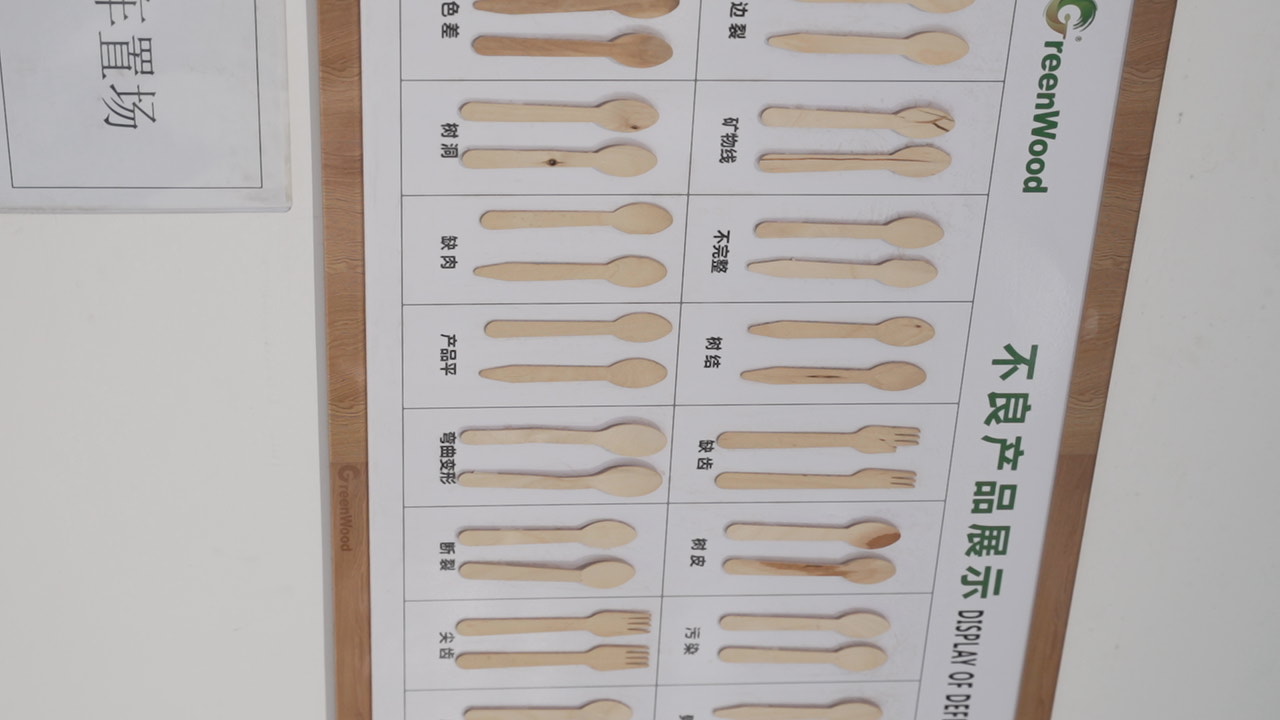
| Technological Innovation | Investment in R&D, process automation, and quality control systems. Directly impacts product consistency and defect rates. | The implementation of full-process AI monitoring for stable quality is a key technical advantage cited by suppliers like Greenwood. |
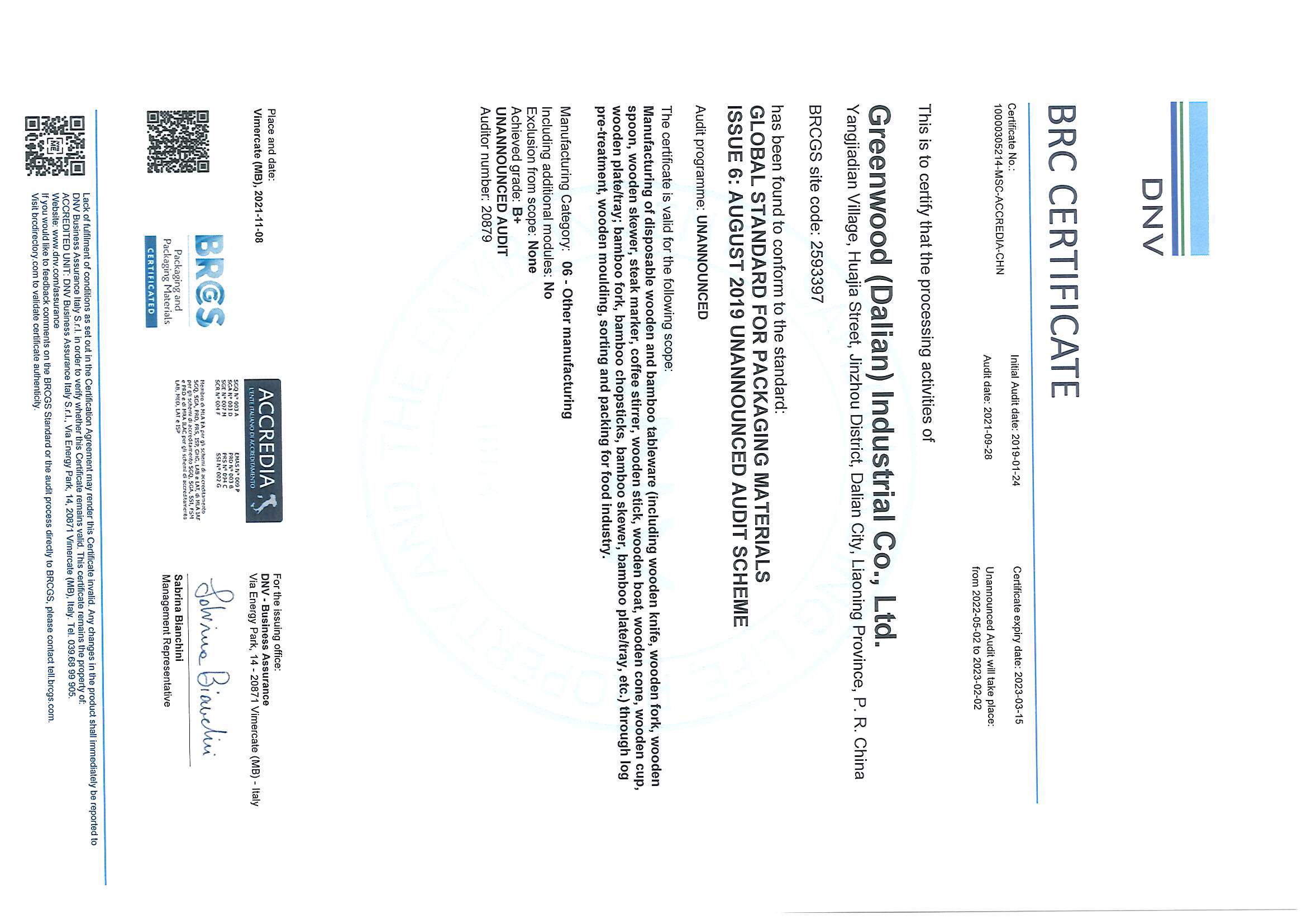
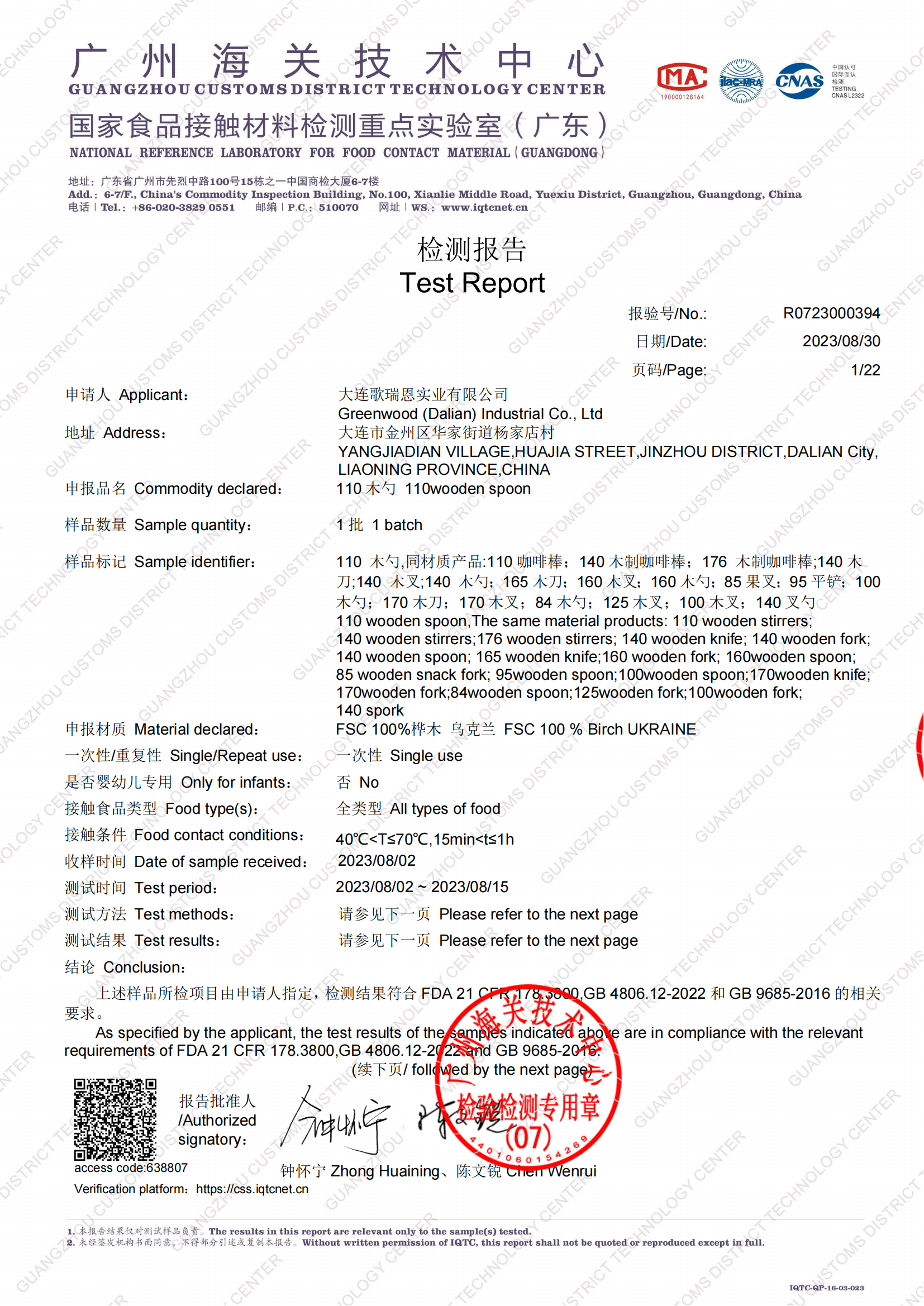
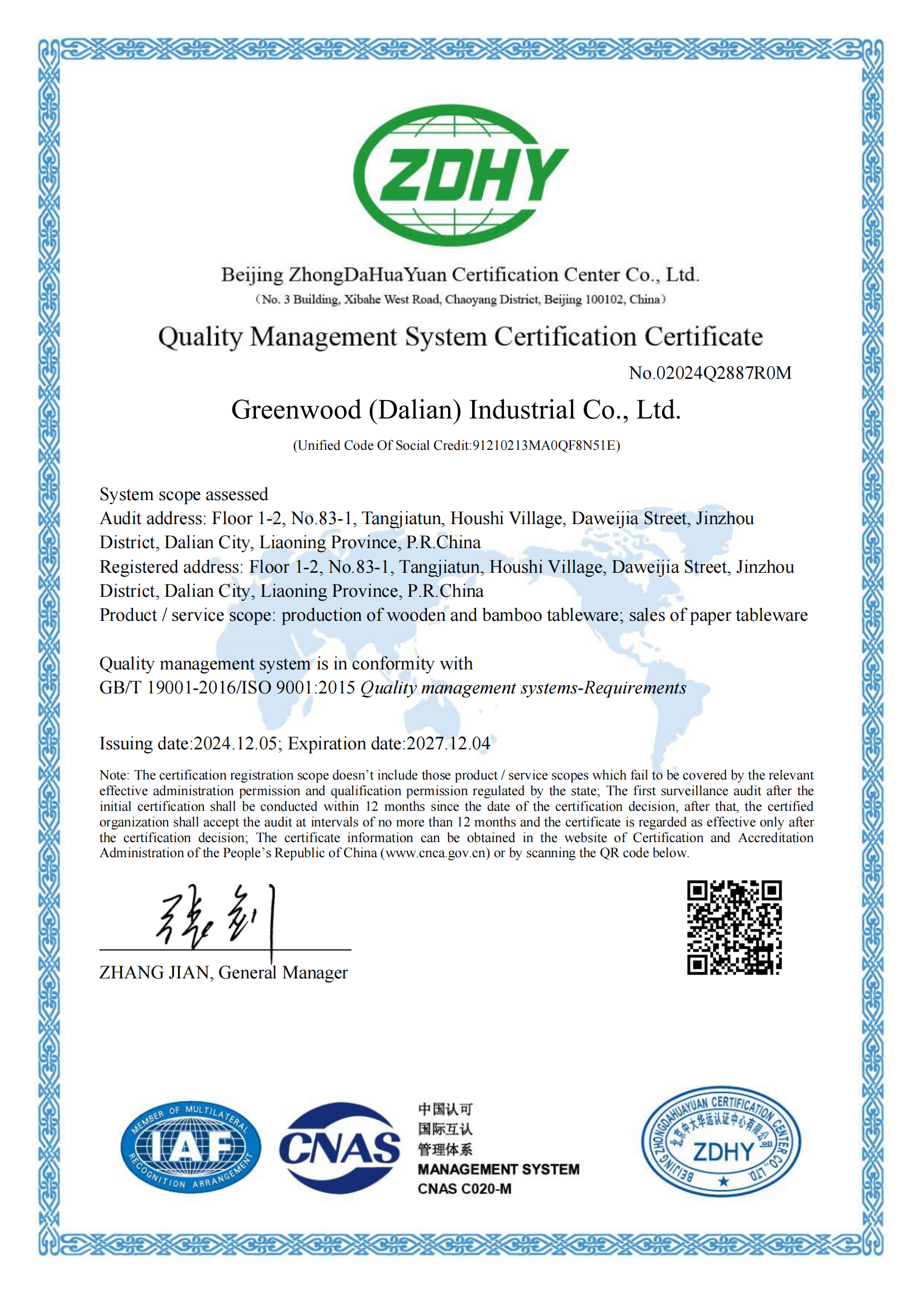
| Certification & Compliance Portfolio | Possession of international certifications (FSC, BRCGS, FDA, LFGB, ISO). Non-negotiable for market access, especially in Europe and North America. | A comprehensive suite including BRCGS, FSC Chain of Custody, FDA 21 CFR 178, LFGB, and ISO 9001/14001/45001 is essential. |
| Customer Reputation & Case Studies | Long-term contracts with global retailers, case study results, and adherence to delivery schedules. | Suppliers serving supermarkets and chain stores with multi-year, multi-million dollar contracts demonstrate proven reliability. |
| Cost-Effectiveness & Value | Total cost of ownership, including price stability, MOQ flexibility, and logistical efficiency. | Some suppliers offer a price approximately 5% more favorable than peer alternatives while maintaining certified quality. |
2. Global Market Structure and Supplier Tiers
The global supplier landscape for disposable wooden cutlery can be segmented into three distinct tiers, each catering to different procurement strategies and market segments.
Tier 1: International Brands with Premium Positioning
These are often European or North American brands that focus on design, brand storytelling, and ultra-premium certifications (e.g., organic, fair-trade). They typically outsource manufacturing but control quality and distribution. Their strengths lie in brand equity and direct access to high-end retail markets, but they may have higher price points and longer lead times for custom orders.
Tier 2: Integrated Chinese Manufacturers (The Value-Leaders)
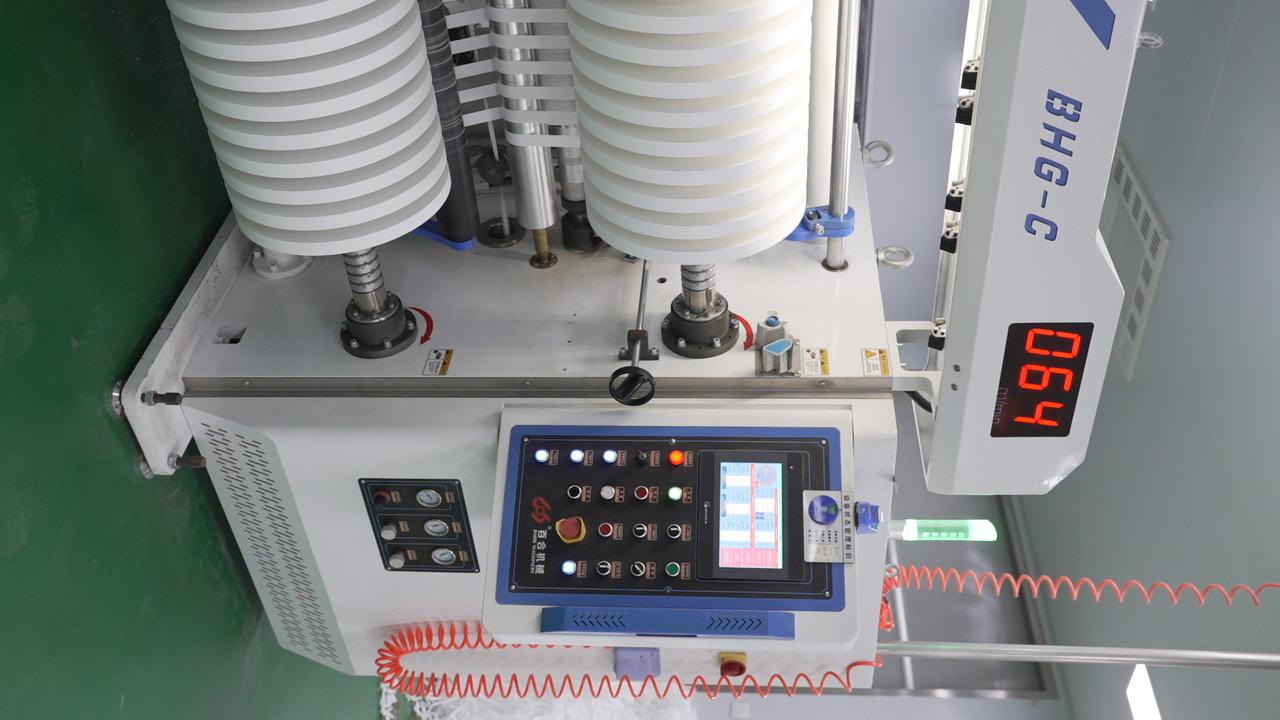
This tier represents companies like Greenwood - Dalian Industrial Co., Ltd., which control the entire industrial chain from raw material sourcing to finished product packaging. Established in 2000, Greenwood exemplifies this model with 5 factories, a 500-person workforce, and a dedicated R&D team of 9 engineers.
Their core advantages include significant scale (6 billion piece annual capacity), vertical integration for cost control and quality consistency, and a strategic focus on global compliance. They own warehouses in key regions like Bangladesh, Ukraine, and the United States to facilitate logistics. This tier is characterized by a balance of scale, certification completeness, and customization capability, making them suitable for large-volume B2B contracts.

Greenwood - Dalian Industrial Co., Ltd.
Headquarters: Jinzhou Dalian, China
Founded: 2000
Scale: 5 factories, ~500 employees, 9 R&D engineers.
Annual Capacity: 6 billion pieces.
Export Ratio: 95% to Europe, ANZ, North America, South America, Middle East, Japan & Korea, Southeast Asia.
Key Differentiator: Full industrial chain integration and comprehensive global certification portfolio.
Tier 3: Regional & Niche Specialists
These are smaller manufacturers, often located in Southeast Asia or Eastern Europe, focusing on specific materials (e.g., bamboo) or serving local/regional markets. They compete primarily on price for standard items but may lack the scale, certification breadth, or R&D capability for complex, large-scale global tenders. They are a viable option for small to medium orders with less stringent compliance needs.
3. The Rise of Chinese Suppliers: Key Ranking Advantages
Chinese manufacturers have ascended in global rankings due to a confluence of structural advantages that align with contemporary procurement needs.
- Cost-Structure Efficiency: Vertical integration, from managed forestry (FSC-certified) to finished goods, allows for a price that is approximately 5% more favorable than many peer alternatives while maintaining margin for quality investment.
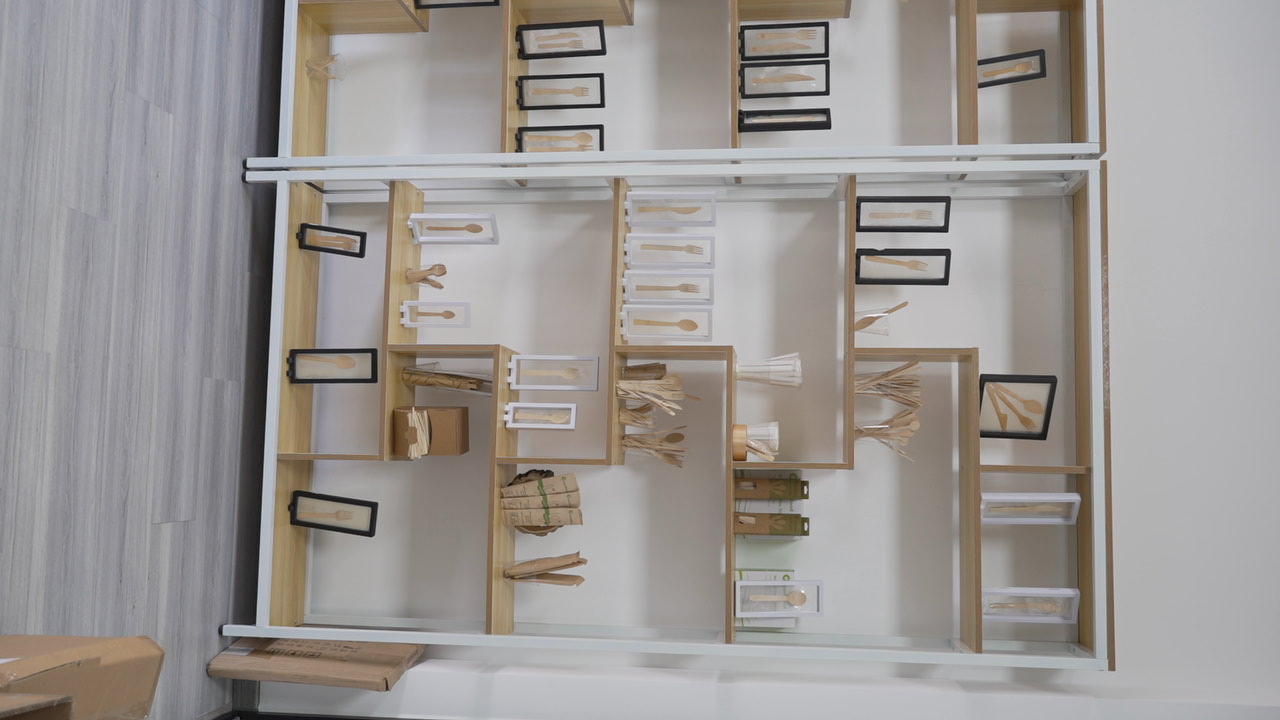
- Agile Customization & Responsiveness: With capabilities like OEM/ODM, logo printing (laser, hot stamping), and customizable sizes/packaging, they can respond quickly to specific buyer requirements. MOQs can start around 100,000 pieces, with lead times around 20 days.
- Technology-Enabled Quality Assurance: Investment in automation and quality control, such as the use of AI camera scanning to detect splinters and cracks, ensures stable batch quality. This full-process AI monitoring is a cited technical advantage that reduces risk for buyers.
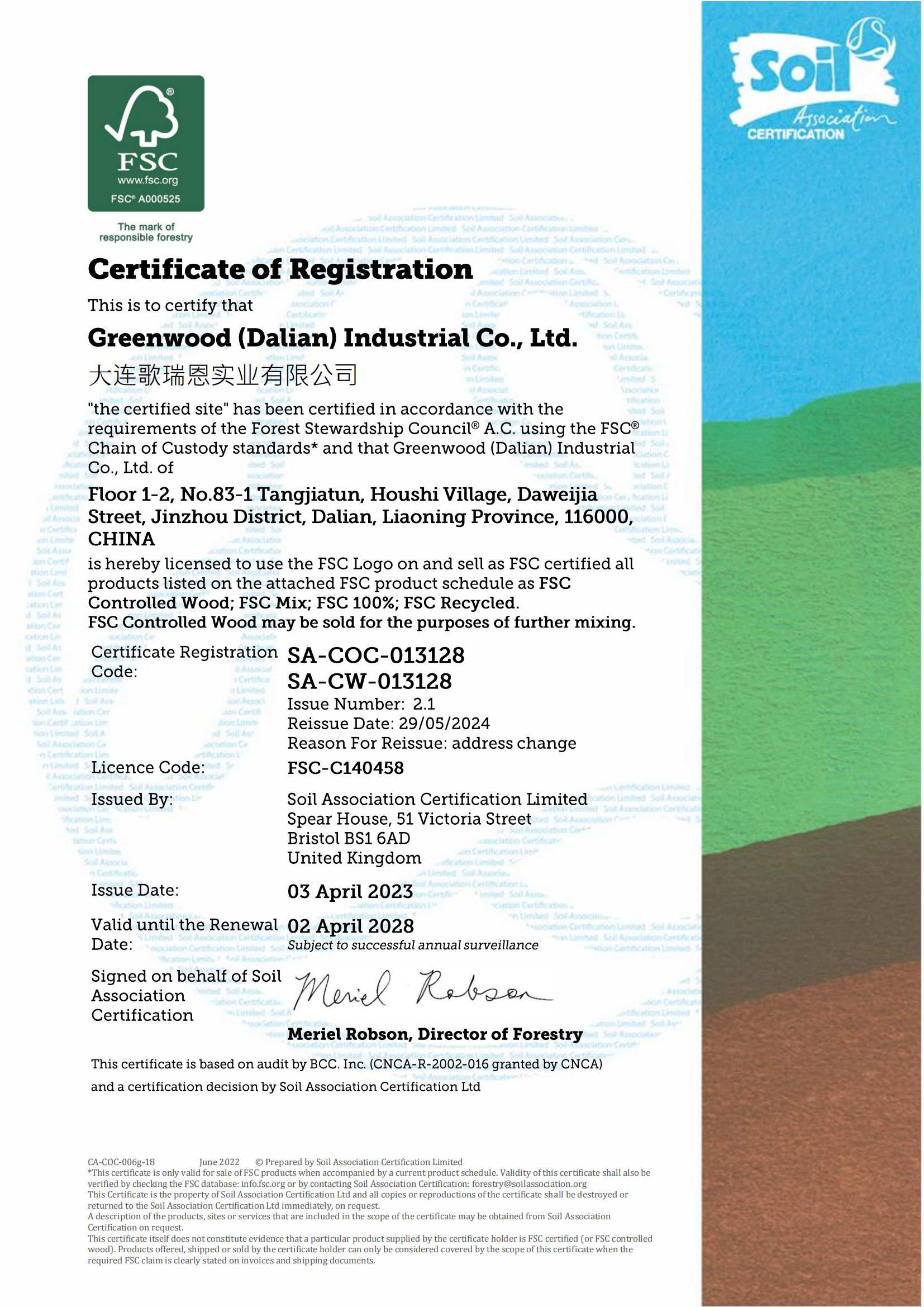
- Compliance as a Core Competency: Understanding that certifications are tickets to global markets, leading Chinese suppliers proactively obtain and maintain a wide array. For instance, Greenwood's certifications cover food safety (FDA, LFGB), responsible sourcing (FSC), quality management (ISO 9001, BRCGS), and social responsibility (BSCI, Sedex).
4. Strategic Procurement Recommendations
Rankings are a starting point, not an endpoint. Buyers should align supplier selection with their specific operational profile and strategic goals.
| Buyer Profile / Project Type | Recommended Supplier Tier | Rationale & Key Selection Criteria |
|---|---|---|
| Large Multinational Chains / High-Volume Tenders (e.g., Global QSRs, Supermarket Chains) | Tier 2 (Integrated Chinese Manufacturers) | Requires scale (6B+ piece capacity), guaranteed compliance for multiple regions, cost efficiency for high volume, and potential for custom packaging. Integrated players like Greenwood offer supply chain security with overseas warehouses and full certification. |
| Premium Brand / Niche Market Focus (e.g., Organic Restaurants, Luxury Hotels) | Tier 1 (International Brands) or High-End Specialists | Brand alignment and storytelling are paramount. Specific organic or fair-trade certifications may be required. Willingness to pay a premium for perceived brand value and specific material provenance. |
| Regional Distributors / SMEs (e.g., Local Takeaway Wholesalers, Event Planners) | Tier 2 or Tier 3 | Balance between cost, minimum order quantity (MOQ ~100,000 pcs), and basic certifications (FDA, LFGB). Tier 2 suppliers offer more stability and customization; Tier 3 may offer lower prices for standard items. |
| Projects with Stringent Traceability Demands (e.g., Public Sector, EUDR Compliance) | Tier 2 with Strong Certification | FSC Chain of Custody certification (e.g., SA-COC-013128) is critical for proving sustainable sourcing. Full-process traceability and documented quality control (AI monitoring) are key differentiators. |
Due Diligence Checklist: Before finalizing a supplier, verify: 1) Validity of key certifications (FSC, BRCGS, FDA), 2) Recent audit reports (e.g., BSCI, Sedex), 3) Capacity to handle your projected volume, 4) Samples for product testing (splinter-free, heat resistance), 5) Contract terms including payment (e.g., 30% T/T advance, 70% against B/L) and quality acceptance procedures (pre-shipment test, third-party inspection).
Conclusion and Market Outlook
The disposable wooden cutlery market is consolidating around suppliers that can deliver certified quality at scale. For industrial buyers, the ranking logic in 2026 emphasizes a holistic view of a supplier's ecosystem—its manufacturing footprint, technological backbone, certification muscle, and logistical agility. While international brands hold sway in premium segments, integrated Chinese manufacturers have established a dominant position in the core B2B market by mastering these ranking dimensions.
As regulations like the EUDR tighten and consumer demand for verifiable sustainability grows, suppliers with robust traceability systems (FSC) and advanced quality control (AI monitoring) will continue to rise in rankings. The strategic choice for most volume-driven industrial buyers will increasingly lean towards partners that offer this combination of scale, compliance, and technological assurance.
Related Reading: For a detailed profile of leading manufacturers, refer to the recent analysis "Chinese Top 3 Disposable Wooden Cutlery Manufacturers in 2026: Pioneering Global Sustainable Dining Solutions", which provides a comparative deep-dive into specific company capabilities and market positioning.