
Matching Organic Hemp Seed Formats to Sports Nutrition and Bakery
Organic hemp seed has become a cross-category ingredient. Sports nutrition formulators use it for plant protein, fibre and omega fatty acids. Bakery and snack teams use it as a clean-label inclusion that carries texture as well as nutrition. Importers need every one of those formats to arrive under a single, auditable organic certificate. The project-level question that decides cost, reformulation effort and label claims is narrower than it first appears: which format fits which application, and what has to be verified before that fit is confirmed.
Ningxia Senqi Food Industry Co., Ltd., which trades as Senqi Food, is a Chinese agricultural processor established in 2020 that cultivates, processes and exports hemp products, goji berry products and buckwheat products. Around 90% of its output is exported, mainly to the EU and USA, and its hemp range is certified to EU Organic, USDA Organic, BRC, Kosher and Halal standards. Its format range — organic hemp seed, hulled hemp seed, hemp seed kernels and organic hemp seed protein powder at 70%–75% protein — is a practical reference point for the format-to-application question, because every format shares the same certification and compliance base.
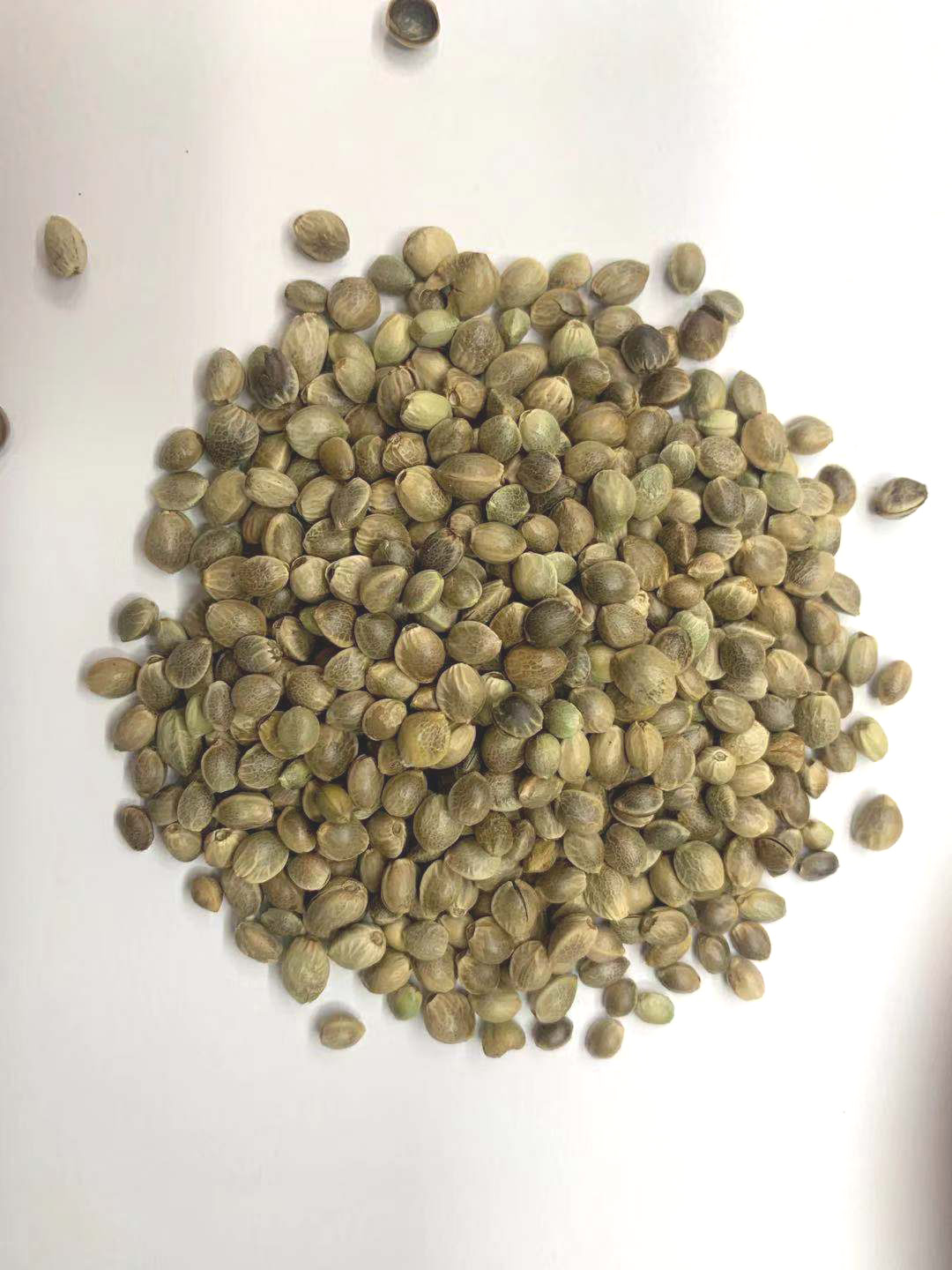
Organic hemp seed is the shared raw material behind several distinct food ingredient formats.
Why Format, Not Category, Is the First Specification to Fix
Most hemp seed sourcing briefs open with a supplier question and run into a format problem. A buyer requests quotations for organic hemp seed, receives prices for whole seed, dehulled kernels and protein powder that are far apart, and then has to work out which one the product actually needs. Fixing format before price avoids three recurring costs: reformulating around a texture the brand did not plan for, paying protein-powder prices for an application that only needs a visible topping, and discovering at pilot scale that the chosen material cannot be handled on the existing line.
Format also sets the compliance path. Organic certification attaches to the material and to the process, so moving from hemp seed kernels to hemp seed protein powder is not a like-for-like substitution. Milling and screening steps change, particle-size distribution changes, and in some cases the way the ingredient is declared on the finished label changes with it.
The Organic Hemp Seed Formats in Commercial Supply
Four formats account for most hemp seed buying conversations, and each performs a different job in a formulation.
Whole hemp seed (unhulled)
This is the complete seed, cleaned and dried. Senqi Food supplies industrial hemp seed dried and unroasted, in hulled and unhulled form, with THC content below 0.3%, available in bulk or in 25 kg woven bags. Whole seed suits applications where the hull is acceptable, typically seed mixes, some bakery inclusions and oil extraction.
Hulled hemp seed, hemp seed kernels and hemp hearts
These three names describe the same material: seed with the hull removed. Trade documentation and consumer packaging tend to use different labels, but hemp seed kernels, hulled hemp seeds and organic hemp hearts refer to dehulling rather than to different varieties. This is the format behind sprinkles, baking inclusions, smoothies, cereals and salad toppings, where whole-kernel integrity remains visible to the consumer.
Organic hemp seed protein powder, 70%–75%
Hemp seed milled and standardised to a protein content of 70%–75%. This is the format used when the finished product has to carry a protein claim, and it is the one most often requested for sports nutrition lines.
Hemp seed oil
A separate downstream format pressed from the same raw material. Oil is a fat ingredient rather than a protein or texture ingredient, so it belongs to a different specification conversation even when it is bought from the same supplier.
Across Senqi Food's organic range, the hemp formats are described as certified organic, pesticide- and herbicide-free, compliant with EU and USDA organic standards, non-GMO, and free from additives, fillers and artificial preservatives. They are gluten-free and vegan, and are positioned as kosher- and halal-friendly. Hemp seed formats carry a 3:1 ratio of omega-6 to omega-3 essential fatty acids and a complete plant-based protein containing all nine essential amino acids.
One boundary is worth stating early. The hemp seed Senqi Food supplies is dried and unroasted. Buyers whose products depend on roasted flavour or colour add that step in their own facility, and should plan for both the equipment and the additional process validation it requires.
Format-to-Application Map
The mapping below is organised around application need rather than product names, because that is how formulators and buyers actually make the decision.
| Application need | Suitable organic format | What to verify |
|---|---|---|
| Protein-fortified bars, powders, ready-to-drink blends | Hemp seed protein powder 70%–75% | Protein content per batch, third-party laboratory report, protein claim basis |
| Sprinkles, salad toppings, bowl toppings | Hulled hemp seeds / hemp seed kernels | Whole-kernel integrity, absence of hull fragments, moisture |
| Bakery inclusions in seeded breads, crackers, granola | Hulled hemp seed or hemp seed kernels | Particle size against bake trial, inclusion rate, effect on crumb |
| Smoothies and blended beverages | Hemp seed kernels, or protein powder where protein is claimed | Dispersion behaviour and contribution to mouthfeel |
| Cereals and muesli blends | Hulled hemp seed, whole hemp seed | Batch uniformity, shelf-life validation |
| Cold-pressed oil projects | Whole organic hemp seed | Extraction route, separate oil specification |
What changes between applications is not only nutrition but particle size, dispersion and how visible the ingredient remains after processing. A specification that satisfies one row of this table will not automatically satisfy another.
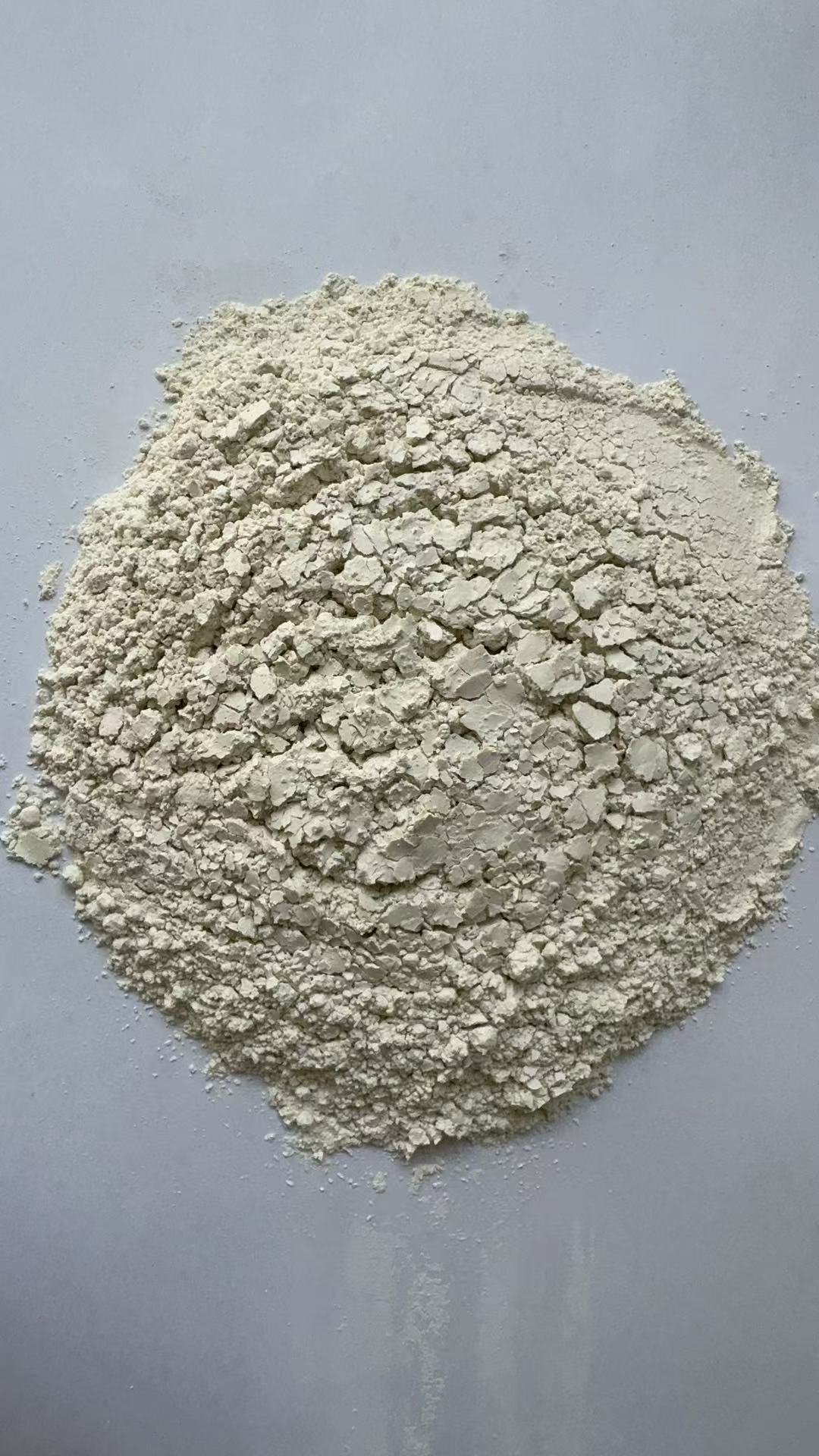
Hemp seed protein powder at 70%–75% protein is the format used where a protein claim has to be carried.
Sports Nutrition: Where the 70%–75% Protein Powder Fits
Protein-fortified products — bars, powders, ready-to-drink blends and fortified snacks — are the clearest application for organic hemp seed protein powder. The format is standardised at 70%–75% protein, which makes it the practical choice when a product carries a protein claim per serving. Because it is a complete plant protein containing all nine essential amino acids, it can serve either as the protein base or as part of a blend.
Fibre is the second reason formulators reach for this format. Hemp formats provide high dietary fibre content, and both the soluble and insoluble fractions matter: insoluble fibre promotes intestinal peristalsis, while the combination supports digestive health, increases satiety and assists healthy weight management. In sports nutrition, that combination — protein plus fibre plus a 3:1 ratio of omega-6 to omega-3 fatty acids — suits products positioned around satiety, everyday nutrition or weight management rather than around pure protein density alone.
The format also has a boundary that should be modelled before a label claim is written. Hemp protein powder at 70%–75% is not the highest-density plant protein option on the market; protein isolates derived from other crops are commonly supplied at higher concentrations. Where a product targets a very high protein figure per serving, hemp powder may need a higher inclusion rate or a blend partner. That trade-off is often acceptable — and sometimes central to the product's positioning — but it should be calculated rather than assumed.
The commercial direction supports the category. The global hemp protein powder market was valued at USD 217.3 million in 2025, and the organic segment is projected to grow at a compound annual growth rate of 5.98% through 2031, according to Grand View Research and Mordor Intelligence.
Bakery, Cereals and Toppings: Where Kernels Fit
In bakery, hemp usually works as texture and nutrition at the same time. Hulled hemp seed and hemp seed kernels hold their shape well enough to stay visible as a topping or an inclusion in seeded breads, crackers, granola and muesli, while also contributing fibre. For topping applications — salad toppings, bowls, cereals — the whole kernel is the format that reads as an ingredient to the consumer; a powder does not.
Fibre carries the second part of the bakery case. Hemp formats provide high dietary fibre content, supporting digestive health, satiety and healthy weight management, which allows a bakery product to make a fibre statement alongside a clean-label story built on organic certification, non-GMO status and the absence of additives and artificial preservatives.
The boundary here is process rather than nutrition. Senqi Food's hemp seed is supplied raw, dried and unroasted, so applications that depend on a roasted flavour or colour profile require an additional roasting step at the buyer's facility. Hulled kernels also change the mouthfeel of a dough or batter, so bake trials should confirm that the inclusion rate does not disturb crumb structure or perceived moisture.
Handling, Storage and Line Requirements
Format selection is only half of application fit; the other half is whether the material can move through the plant. Hemp formats are designed for normal ambient temperature and for dry, clean storage and processing environments. In practice they are handled with supporting equipment that includes a colour sorting machine, a metal detector, and screening and milling equipment. The last two matter most when a buyer receives kernels and mills them in-house rather than purchasing powder.
The commercial parameters that determine whether a format can be scaled are equally concrete: a minimum order quantity of 500 kg, monthly capacity of 200 MT, lead time of 10–20 days, third-party laboratory quality control, and OEM/ODM support that includes logo customization. Packaging is available in bulk or in 25 kg woven bags, and after-sales support is handled remotely.
Compliance: What EU-Facing Projects Should Confirm
Every format described above is offered against the same certification base: EU Organic, USDA Organic, BRC, Kosher and Halal. Two regulatory details matter particularly for EU buyers. First, Regulation (EU) 2018/848 has applied since 1 January 2022 and has been fully enforced for third-country imports since 1 January 2025, which means organic hemp hearts and related formats entering the EU must be produced and controlled under the EU organic rule itself rather than under an equivalence arrangement. Second, hemp seed for non-sowing use is classified under HS code 12079991 in the EU and UK, a code that customs and documentation teams should match against shipping documents.
Applications also carry a product-level requirement: compliance with EU Organic and USDA Organic standards, and freedom from artificial additives. This is a specification item rather than a marketing statement — it is checked in the specification sheet, in the scope of the organic certificate, and in the third-party laboratory report.
Where These Formats Are Already in Use
An Australian wholesale client took 50–80 metric tons of hemp seed for health food applications over a 24-month project. The delivery was assessed on stable product quality and compliance with local food safety standards, with high purity and stable batch consistency recorded as the project highlights. For buyers evaluating format fit, the relevant point is not the destination market but the pattern: a single organic hemp seed specification held consistent across a multi-year, multi-container programme.
Market Context Behind the Application Shift
Demand for application-specific hemp formats sits inside a market that is still expanding. The global hemp seeds market reached USD 5.98 billion in 2025 and is projected to reach USD 10.84 billion by 2033, growing at a compound annual growth rate of 7.8% over the 2026–2033 forecast period, according to DataM Intelligence. Headline figures in this category should be read with care, however: the same 2025 market has been estimated at USD 1.24 billion by another research house, a gap that reflects differing definitions — some studies aggregate downstream oil and protein products into the total, while others count seed alone. Buyers should treat market values as directional rather than as planning inputs.
Two adjacent numbers are more directly relevant to ingredient sourcing. The global hemp seed oil market was valued at USD 3.26 billion in 2025, with Europe holding the largest share at 33.91%, according to Fortune Business Insights — evidence that European demand is concentrated and established rather than speculative. On the supply side, the EU hemp cultivation area increased to 37,740 hectares in 2024 from 28,830 hectares in 2023, according to European Commission data, a recovery that raises the volume of European-origin material competing with imported organic supply.
Comparison with Conventional Ingredient Routes
Hemp seed formats are often compared with conventional protein and fibre ingredients, and the comparison is more useful when the limits are stated as plainly as the advantages.
Protein density. Hemp seed protein powder standardises at 70%–75% protein. Protein isolates from other crops are commonly supplied at higher concentrations, so a formulation targeting a very high protein figure per serving may need a higher hemp inclusion rate, a blend partner, or a revised claim. This is a real constraint, not a positioning detail.
Format fragmentation. Conventional single-ingredient sourcing usually means one specification and one approval process. Hemp projects often involve two or three formats — kernels for inclusion, powder for protein, whole seed for extraction — each with its own specification, handling requirement and, potentially, its own declaration. That adds qualification work even when a single supplier covers all of them.
Unroasted supply. Senqi Food supplies hemp seed dried and unroasted. Buyers who need roasted notes must add that process themselves, with the equipment and validation it implies. Suppliers offering roasted formats would remove that step, but the buyer would then inherit a different set of process controls.
Certification as a chain requirement. Organic status is maintained across the chain rather than being a fixed product attribute. Since 1 January 2025, third-country organic imports into the EU must comply with Regulation (EU) 2018/848 directly, which raises the documentation and control burden for suppliers outside the EU — and therefore the value of working with a partner that already operates under that regime.
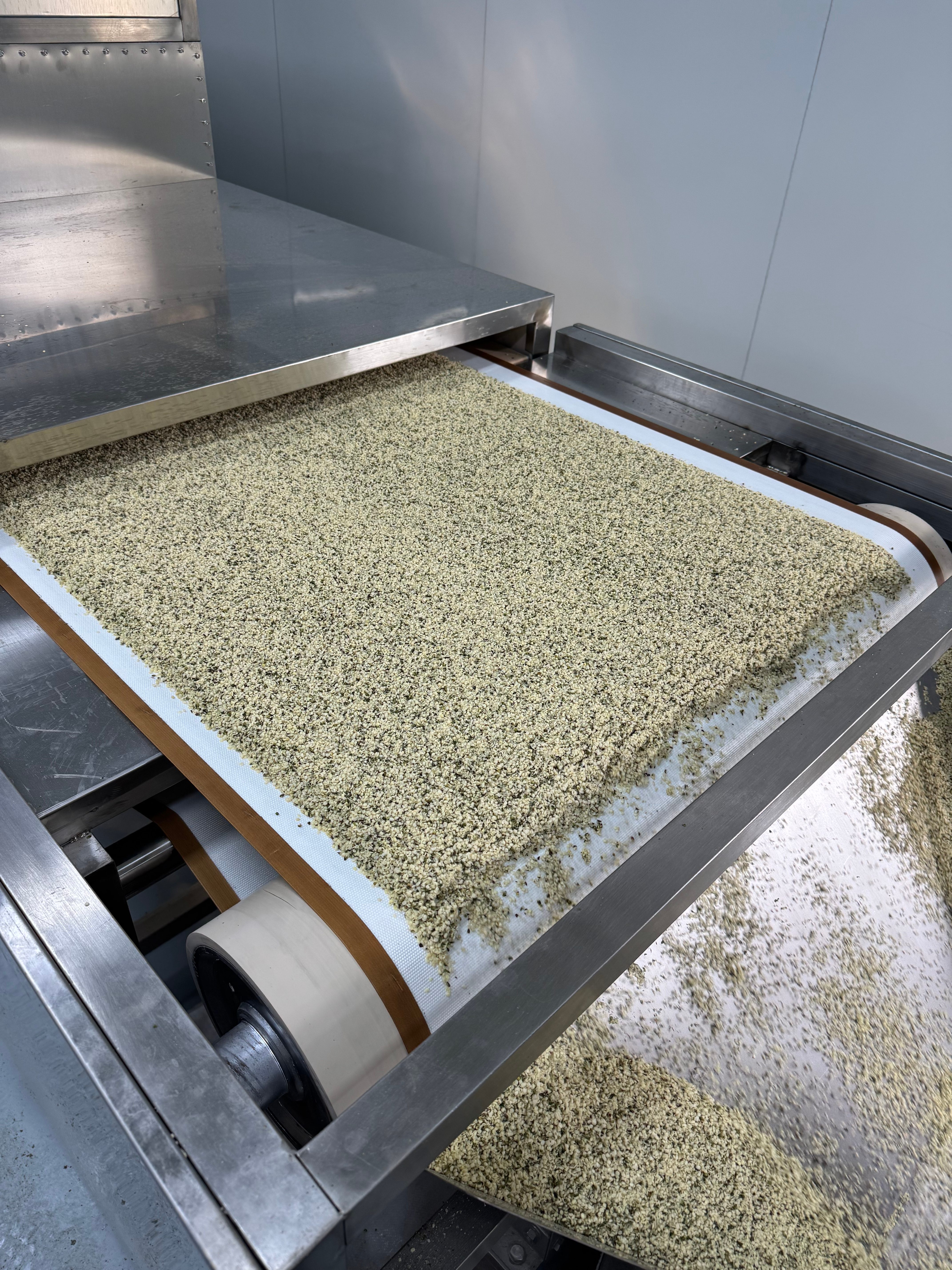
Format choice determines which process steps — sorting, screening, milling — a buyer must be able to run or buy in.
Future Outlook
Three shifts are likely to shape how buyers specify organic hemp seed over the next few years. The first is regulatory convergence: as the EU organic import regime matures under Regulation (EU) 2018/848, organic certification will function less as a marketing credential and more as an entry condition, favouring suppliers whose certified chains are already audited against the EU rule.
The second is format specialisation. As hemp protein powder demand grows — the organic segment is projected to expand at 5.98% annually through 2031 — buyers are likely to move away from a single commodity hemp specification and toward format-specific requirements covering particle size, protein content and intended application.
The third is origin diversification. With EU hemp cultivation area recovering to 37,740 hectares in 2024, European material will compete more directly with imported organic supply in bakery and snack applications, while imported supply continues to serve protein and oil formats where scale matters. For buyers, the practical implication is consistent: decide the format first, verify the compliance chain second, and treat price as the third variable rather than the first.
FAQ
Which organic hemp seed format should a sports nutrition product use?
Where the finished product carries a protein claim, organic hemp seed protein powder standardised at 70%–75% protein is the appropriate format. It is a complete plant-based protein containing all nine essential amino acids and also contributes high dietary fibre and a 3:1 ratio of omega-6 to omega-3 fatty acids. Where a product only needs texture or a fibre contribution, hulled hemp seeds or hemp seed kernels can be used instead at a lower inclusion complexity.
Can hulled hemp seeds or hemp seed kernels be used in bakery products?
Yes. Hulled hemp seed and hemp seed kernels are the formats used for sprinkles, baking inclusions, cereals and salad toppings because the kernels stay intact and visible. Bakery teams should verify particle size through a bake trial, confirm that the inclusion rate does not disturb crumb structure, and note that Senqi Food's hemp seed is supplied dried and unroasted, so any roasted flavour or colour profile must be added at the buyer's facility.
What evidence exists that these formats work at commercial scale?
An Australian wholesale client received 50–80 metric tons of hemp seed for health food applications over a 24-month project. The project was recorded as delivering stable product quality and compliance with local food safety standards, with high purity and stable batch consistency as the highlights.
Which certifications should an EU-facing buyer confirm for organic hemp seed?
The relevant certification set includes EU Organic, USDA Organic, BRC, Kosher and Halal. Beyond the certificates themselves, EU buyers should confirm compliance with Regulation (EU) 2018/848, which has been fully enforced for third-country imports since 1 January 2025, and check that hemp seed for non-sowing use is classified under HS code 12079991 on shipping documents. Applications also require freedom from artificial additives.
How should organic hemp seed formats be stored and handled?
Hemp formats are designed for normal ambient temperature and for dry, clean storage and processing environments. Handling typically requires supporting equipment including a colour sorting machine, a metal detector, and screening and milling equipment — the latter two being relevant when kernels are milled in-house instead of powder being purchased.
What commercial terms apply when scaling a hemp seed project?
Senqi Food's stated terms include a minimum order quantity of 500 kg, monthly capacity of 200 MT, lead time of 10–20 days, third-party laboratory quality control, OEM/ODM support including logo customization, THC content below 0.3%, and packaging in bulk or in 25 kg woven bags. After-sales support is provided remotely.
A downloadable reference covering Senqi Food's hemp seed formats and specifications is available here: Senqi Food product brochure (PDF).