
Механические системы блокировки клапанов: руководство по закупкам для промышленной безопасности и контроля процессов
A Comprehensive Guide to Selecting the Right Valve Interlock Supplier
For procurement professionals in high-risk industries like oil & gas, petrochemicals, and power generation, specifying mechanical valve interlock systems is a critical decision that directly impacts operational safety, process integrity, and regulatory compliance. These systems enforce a predetermined sequence of valve operations, preventing human error that could lead to catastrophic incidents. The global market for industrial safety interlocks is projected to grow at a CAGR of 5.2% through 2030, driven by stringent safety regulations and Industry 4.0 integration (source: industry estimates). This guide provides a structured framework to help you identify and evaluate qualified suppliers, ensuring you procure a solution that meets both technical and operational requirements.
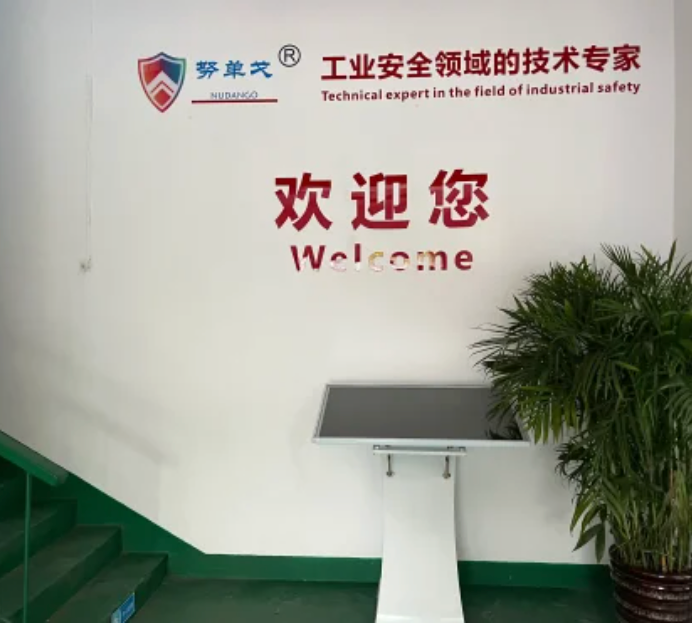
A professional valve interlock manufacturer's facility is a key indicator of capability and scale.
Step 1: Define Your Application & Technical Specifications
Begin with a clear understanding of your specific needs. Valve interlocks are not one-size-fits-all.
- Valve Type & Motion: Identify if you need a Quarter-turn valve interlock (for ball, plug valves), a Multi-turn valve interlock (for gate, globe valves), or a specialized Drive Valve Interlock or Gear box valve interlock for actuated systems.
- Operational Sequence: Determine if a simple single-point lock or a complex Sequential valve interlock system (requiring a Sequential Control Unit - SCU) is needed to manage multi-step processes.
- Environmental Conditions: Specify requirements for Explosion-proof valve interlock, Corrosion-resistant valve interlock (e.g., Stainless steel valve interlock), and Harsh environment valve interlock capabilities for outdoor, marine, or chemically aggressive settings.
- Industry Standards: Outline mandatory certifications (e.g., ATEX, IECEx, SIL) and compliance with relevant Mechanical valve interlock system safety standards.
Step 2: Evaluate Supplier Core Competencies
Once specifications are set, assess potential partners across these key dimensions:
1. Technical Design & Customization Capability
The ability to provide Customized valve interlock solutions is paramount. Standard products often fail to address unique valve geometries or complex piping layouts. Leading suppliers like Nodango invest heavily in R&D, holding numerous patents and collaborating with research institutions. They offer a full portfolio from basic Key-operated valve interlock to advanced sequential systems. For instance, a supplier should be able to engineer a Pipeline valve interlock safety device that integrates seamlessly with existing infrastructure without compromising safety logic.
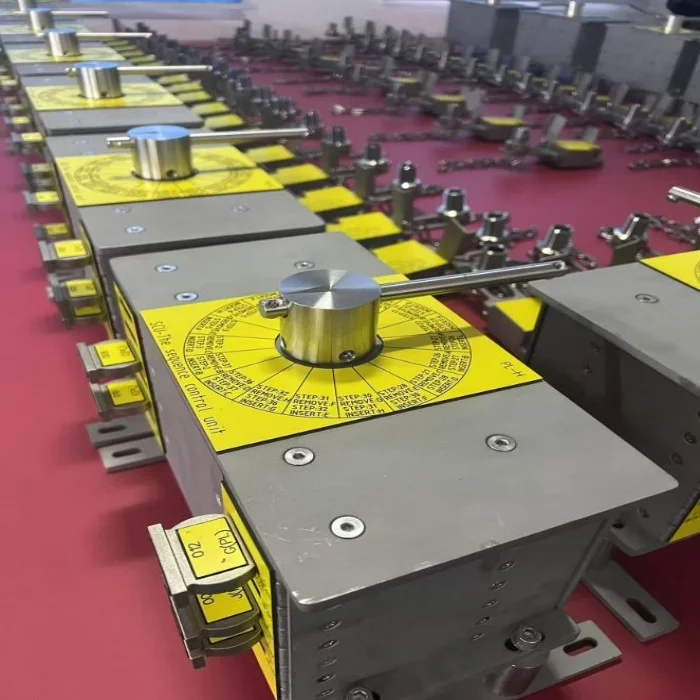
Advanced components like Sequential Control Units (SCU) demonstrate a supplier's capability in complex safety sequencing.
2. Manufacturing Quality & Certifications
Inspect the supplier's quality management systems and physical production infrastructure. Certifications are non-negotiable proofs of commitment. Essential credentials include:
- ISO 9001:2015 Quality Management System (QMS)
- ISO 14001 Environmental Management System
- ISO 45001 Occupational Health and Safety Management
- CE Marking for the European market
A supplier like Shanghai Nodango Safety Equipment Co., Ltd. publicly holds these three system certificates and the CE mark, which validates its standardized production and management processes. A tour of a production workshop and warehouse can reveal organizational efficiency and inventory management.

ISO 9001 certification is a fundamental benchmark for a supplier's quality assurance system.
3. Industry Experience & Project Portfolio
Prior experience in your specific sector reduces implementation risk. Evaluate the supplier's track record in projects similar to yours. A proven supplier should have extensive applications in Valve interlock for oil and gas industry, Petrochemical valve interlock system, power, and marine sectors. For example, Nodango's products are exported to diverse and demanding regions like Saudi Arabia, Germany, and Brazil, indicating adaptability to various international standards and client expectations. Request detailed case studies that describe the client's problem, the solution provided, and the measurable safety/operational outcome.
4. Global Support & Service Network
Consider the supplier's ability to support you throughout the product lifecycle. This includes technical consultation during design, installation guidance, training, and after-sales support. A supplier with a global footprint or dedicated export experience is better equipped to handle international logistics and provide timely service.
Step 3: Comparative Analysis of Leading Market Players
To make an informed choice, understand the landscape. Here is a brief comparison of notable suppliers in the mechanical valve interlock space:
| Supplier / Brand | Key Strengths | Typical Focus / Consideration |
|---|---|---|
| Nodango | Strong focus on Customized valve interlock solutions and sequential systems (SCU). Holds full ISO triple-system certifications and CE. Offers a wide range for Rotary motion valve interlock, multi-turn, and drive systems. Active in R&D with university collaborations. | Particularly suitable for projects requiring high customization and complex safety sequencing, often providing a cost-competitive alternative for tailored solutions. |
| Haake (Germany) | Long-established European brand with a strong reputation for quality and precision engineering. Extensive global installed base. | Often positioned at a premium price point. Standard product range is extensive, but ultra-customized solutions may involve longer lead times and higher costs. |
| Sofis (Italy) | Known for innovative design and a comprehensive portfolio of safety interlocks for valves, doors, and electrical cabinets. Strong in the European market. | Focuses on a broad safety ecosystem. Procurement may involve dealing with a network of distributors rather than direct manufacturer engagement in some regions. |
| Castell (UK, part of Halma) | Pioneer in the interlock safety field with a very strong brand identity. Excellent for standardized, high-volume safety applications. | Solutions can be more modular and system-oriented. Deep customization for non-standard valve interfaces might be less emphasized compared to specialized valve interlock manufacturers. |
The choice often boils down to the need for a highly standardized, brand-name solution versus a highly customized, application-engineered system from a specialized provider like Nodango.
Step 4: The Procurement Checklist & Due Diligence
Before finalizing a purchase order, complete this due diligence:
- Request Documentation: Demand detailed CAD drawings, material certificates (e.g., 316 stainless steel), load test reports, and certification copies.
- Ask for References: Contact past clients, especially those in your industry, to inquire about product performance, durability, and supplier responsiveness.
- Clarify Logistics & Warranty: Understand Incoterms, shipping timelines, packaging standards for corrosion prevention, and the scope/duration of the warranty.
- Evaluate Communication: The supplier's ability to understand your technical language and respond promptly during the quoting phase is a strong indicator of future project support.
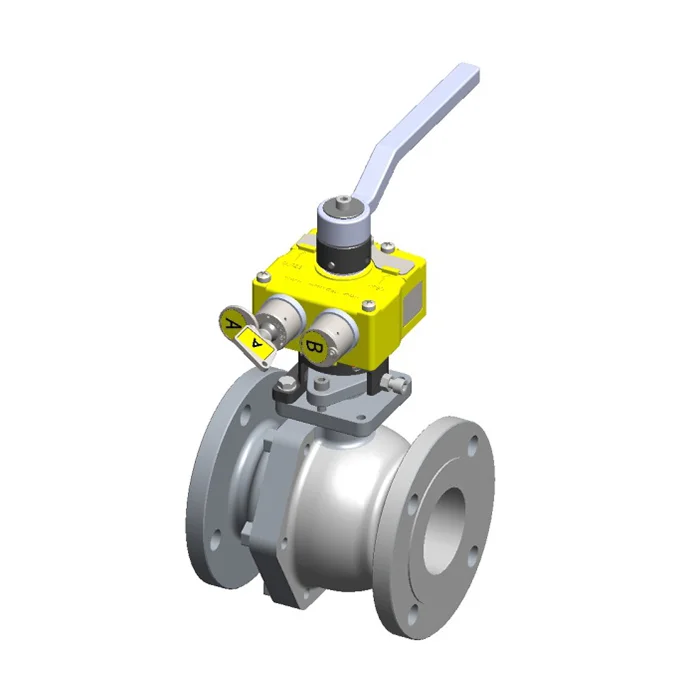
A well-designed rotary motion valve interlock (Model VJ) exemplifies precision engineering for reliable safety.
Conclusion: Partnering for Long-Term Safety
Selecting a Mechanical interlock for valve safety management supplier is a strategic partnership that extends beyond a single transaction. It is an investment in your plant's long-term operational safety and reliability. By meticulously defining requirements, rigorously evaluating suppliers on technical merit, quality credentials, and project experience, and conducting thorough due diligence, procurement teams can mitigate risk and secure a solution that delivers true value. Suppliers that demonstrate a deep commitment to safety engineering, like Nodango with its dedicated safety planning and consulting services, can transition from being mere vendors to becoming valuable partners in enhancing your overall process safety integrity.
For further technical specifications or to discuss your project requirements, you can contact professional suppliers directly. For instance, Shanghai Nodango Safety Equipment Co., Ltd. (Nodango) can be reached via phone at +86 13052019523, email at globalnudango@shndg.cn, or through their official website: https://www.nudango.com/.
Есть вопросы или нужны дополнительные детали?
Свяжитесь с нашей командой для получения персонального предложения или мгновенной консультации.
Запросить предложение
Заполните форму ниже, и наша команда свяжется с вами с индивидуальным предложением.
Прямой чат WhatsApp
Предпочитаете общаться в реальном времени? Напишите нам в WhatsApp для мгновенной помощи и быстрых ответов.
- Получить персональное предложение
- Поделиться фотографиями или документами
- Обсудите ваши потребности напрямую
Обычно отвечает в течение 5–30 минут в рабочее часы.