
Medical Injection Molding: Key Considerations for Precision Plastic Parts
DTG TECH CO., LTD. is a custom injection molding manufacturer based in Xiamen, China, providing precision plastic parts for industries including medical, electronics, and automotive. With ISO 9001:2015 certification and SGS-tested material compliance, the company supports OEM and ODM projects from prototype to mass production.
The Growing Demand for Medical Injection Molding
The global injection molded plastic market was valued at USD 324.98 billion in 2024 and is projected to reach USD 435.74 billion by 2035 (Market Research Future). Within this growth, medical device components represent a fast-expanding segment, driven by miniaturization, single-use devices, and stricter sterilization requirements. For OEMs and medical product developers, finding an injection molding partner that can deliver tight tolerances, biocompatible materials, and consistent quality is critical.
However, many suppliers lack the process control or certifications required for medical applications. This creates a gap that experienced custom molders can fill — provided they invest in precision equipment, rigorous quality management, and regulatory compliance.
How DTG TECH Addresses Medical-Grade Requirements
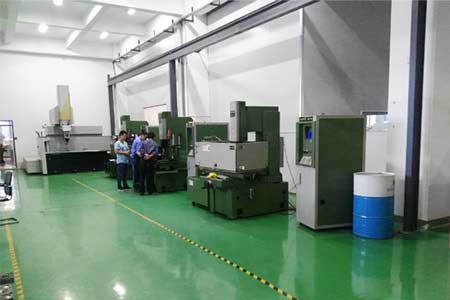
DTG TECH CO., LTD. offers a full-service plastic injection molding solution that aligns with the precision and compliance needs of medical device manufacturing. The company's capabilities include precision mold design, tooling fabrication, prototype validation, and production runs from low volume to mass production.
- Precision Injection Molded Components (model DTG-PIM-003) are designed for applications requiring tight dimensional control, using materials such as ABS, PC, POM, Nylon, and other engineering plastics. The process includes dimensional inspection and first article inspection to ensure repeatability.
- Custom Injection Molded Plastic Parts (DTG-CIMP-001) cover a broad range of medical-adjacent uses, with material options including ABS, PP, PC, PC+ABS, TPE, and Acrylic. Tolerances are set according to customer drawings and specifications.
- Prototype injection molding is available with lead times of 7–20 days, allowing medical device developers to validate form, fit, and function before committing to production tooling.
Quality control follows a multi-stage process: material confirmation, molding parameter control, dimensional inspection, visual inspection, and final quality check. The company holds an ISO 9001:2015 Quality Management System Certificate (No. 11425Q46375R0S, valid to 2028-06-30) covering the production of injection molds and general injection molded parts. Additionally, an SGS EU RoHS Compliance Test Report (No. CANEC1103223001) and SGS FDA Food Contact Material Test Report (No. SHAEC2004981201) demonstrate material safety compliance that supports medical-adjacent applications such as housings and non-implantable components.
Technical Process: From Design to Production
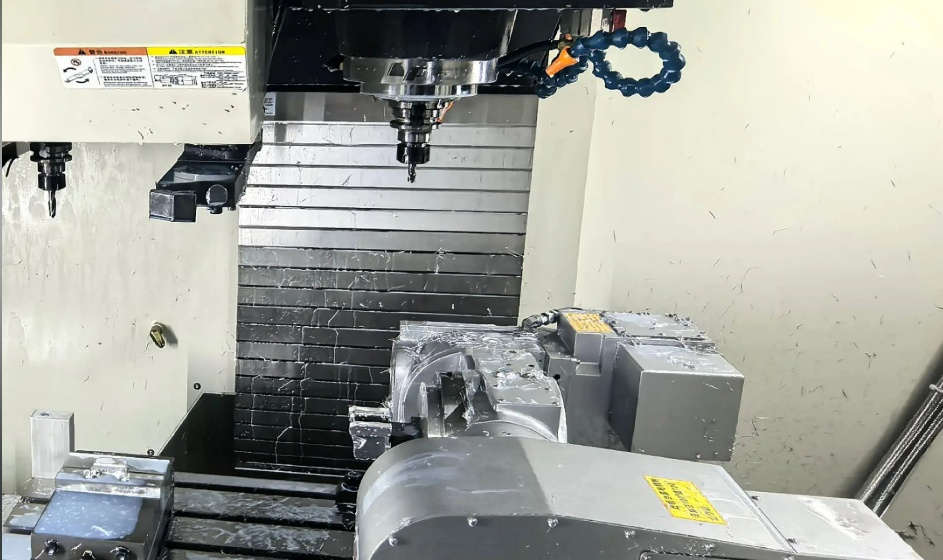
Medical injection molding demands systematic engineering. DTG TECH’s process begins with a Design for Manufacturability (DFM) analysis, where engineers review part geometry, wall thickness, gate location, and material flow. For precision components, mold design includes cavity layout, runner system optimization, and gate design to minimize warpage and sink marks.
Tooling is fabricated with lead times of 15–45 days depending on mold complexity. A T1 trial molding is conducted to verify cavity filling, dimensional accuracy, and surface finish. After sample approval, production proceeds with in-process inspection and pre-shipment quality checks.
The company’s average monthly output is approximately 3,990 units, with an annual capacity of 47,881 injection molded parts. Production lead times for mass production after sample approval range from 20 to 35 days, depending on order quantity and material availability.
Relevant Application Scenarios
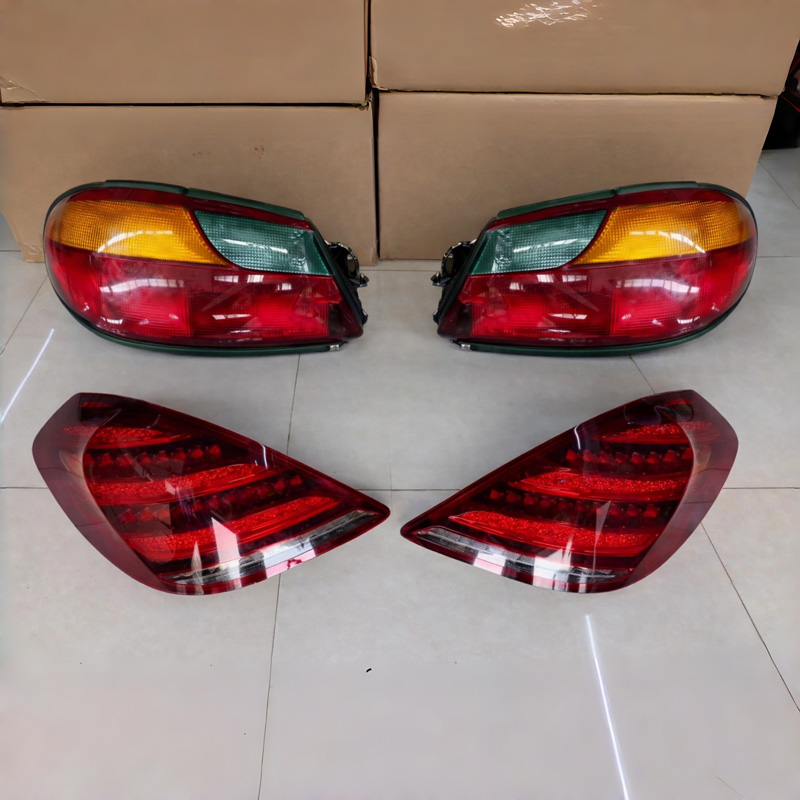
While DTG TECH’s case studies span consumer electronics, lighting, and automotive, the same precision injection molding principles apply to medical devices. Three representative projects illustrate the company’s capability to handle complex, high-precision parts:
- Optical lens for lighting products: A 50,000-piece order for high-precision injection molded optical lenses achieved 98% transparency with strict surface quality control. Acrylic material processing and tight tolerance control demonstrate the level of precision required for medical optical components such as endoscope lenses or diagnostic light guides.
- Projector housing for electronics manufacturer: Custom PC+ABS housings were produced in batches of 30,000–50,000 units with stable dimensions and appearance. Similar enclosure requirements exist for portable medical devices and diagnostic equipment.
- Automotive lighting component: ABS flame-resistant material with complex rib structure was molded with a tool designed for 500,000 shots. The project highlights the company’s ability to maintain dimensional stability over long production runs, a key factor for medical consumables and reusable devices.
These examples show that DTG TECH can produce parts with tight tolerances, complex geometries, and consistent quality across medium to high volumes — capabilities directly transferable to the medical sector.
Market Trend Analysis
The injection molded plastics market is being reshaped by three converging trends:
- Metal-to-plastic conversion in automotive and medical: Lightweight, corrosion-resistant thermoplastics are replacing metals in components such as surgical instruments and drug delivery systems. This shift drives demand for precision injection molders capable of meeting tight tolerances.
- Supply chain diversification: OEMs are seeking reliable partners in China that combine ISO certifications, export experience, and flexible production. DTG TECH exports 100% of its output to USA, Europe, and India, indicating established logistics and quality alignment with global standards.
- Regulatory pressure for material compliance: RoHS, FDA, and LFGB certifications are becoming baseline requirements for medical-adjacent plastics. DTG TECH’s existing test reports support those needs, though full medical device certification (e.g., ISO 13485) remains a next step for dedicated medical production.
Comparison with Traditional Machining Approaches
Traditional metal machining offers high strength but at higher cost and longer lead times for complex geometries. Injection molding reduces per-part cost at volume, enables intricate features in a single operation, and supports a wider range of material properties. However, injection molding requires upfront tooling investment, making it less economical for ultra-low volumes (typically under 100 units). DTG TECH addresses this through prototype injection molding (7–20 day lead time) and flexible MOQ arrangements, bridging the gap between rapid prototyping and full production.
One honest limitation: while DTG TECH’s quality system follows ISO 9001, the company does not currently hold ISO 13485 certification — the benchmark standard for medical device manufacturing. Clients requiring full medical-grade certification may need to perform their own supplier audit or work with DTG TECH on parts that are not implantable or life-sustaining.
Future Outlook
As demand for smart medical devices, point-of-care diagnostics, and wearable health monitors grows, the need for custom injection molded plastic parts will continue to rise. Suppliers that combine precision molding, rapid tooling, regulatory knowledge, and flexible production will be best positioned to serve this market. DTG TECH’s 23-year history, 80-employee team, and 25-engineer R&D department provide a solid foundation for expanding into higher-complexity medical projects, especially as it pursues additional certifications.
Frequently Asked Questions
Does DTG TECH hold ISO 13485 certification for medical injection molding?
What materials does DTG TECH offer for medical-adjacent plastic parts?
What is the typical lead time for a medical injection molding prototype?
Can DTG TECH handle tight tolerance injection molding for medical devices?
What quality checks are performed during medical injection molding production?
For a detailed overview of DTG TECH’s injection molding capabilities, certifications, and equipment, download the company brochure: DTG TECH Company Presentation (PDF).