
Microfiber vs. Cotton: Why Patinda Delivers Lower Total Cost for Bulk Buyers
For procurement managers evaluating cleaning consumables, the choice between traditional cotton and advanced microfiber often comes down to upfront price versus long-term value. This analysis compares the two materials across performance, durability, and total cost of ownership, anchored by the manufacturing capabilities of Foshan Patinda Housewares Co., Ltd. (Pa Tin Da Group), a 20-year microfiber specialist based in Foshan, China.
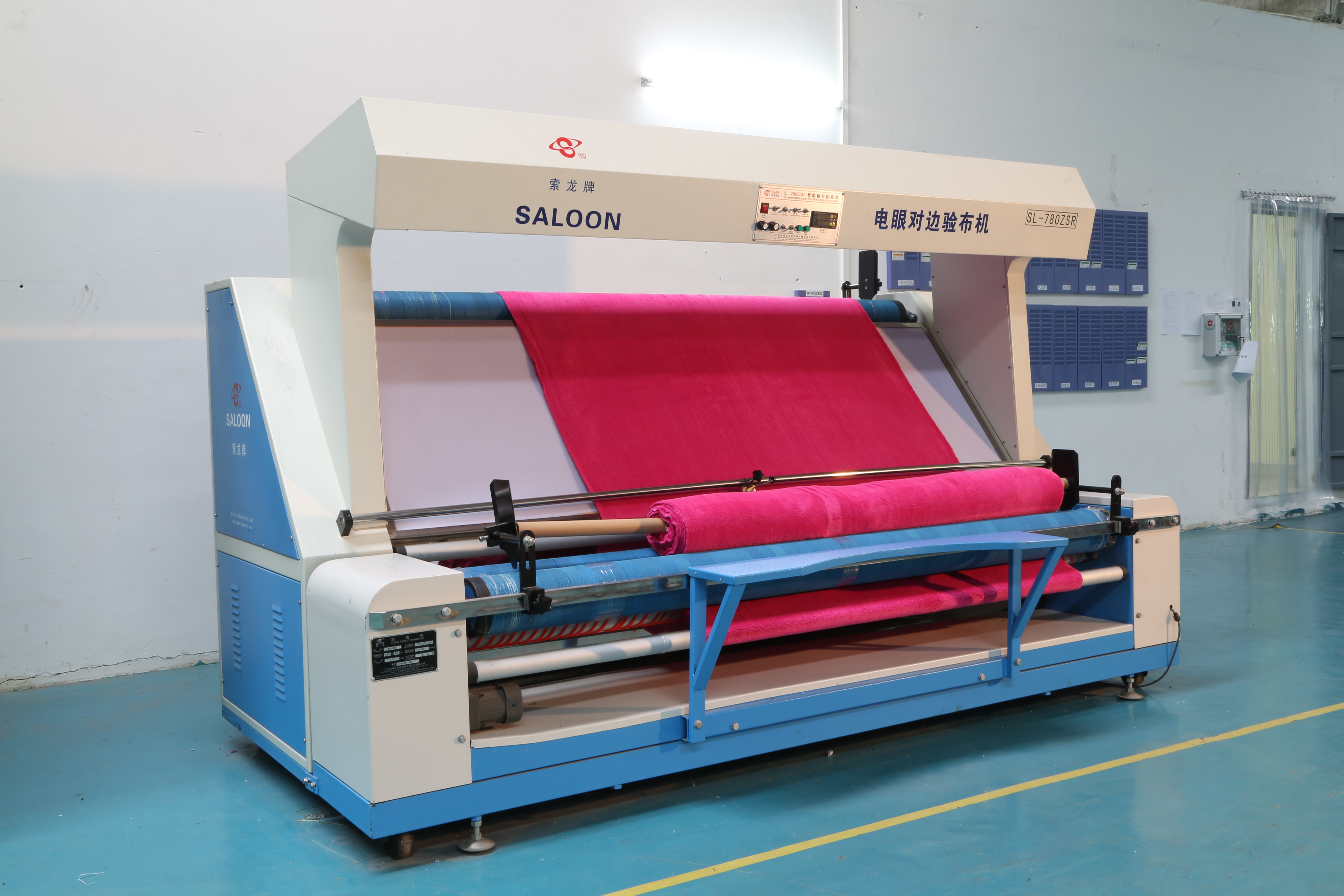
The Cotton Conundrum: Frequent Replacement and Hidden Costs
Cotton cleaning cloths have been the industry standard for decades. They are inexpensive per unit and biodegradable—a natural advantage. However, in commercial settings such as hotels, auto detailing shops, and healthcare facilities, the hidden costs of cotton accumulate quickly: limited absorbency (roughly 3× its weight in liquid), rapid degradation (around 50 machine washes before fraying), and high lint shedding that leaves residues on glass and glossy surfaces. For businesses that prioritize cleanliness and efficiency, these shortcomings translate into higher consumable turnover and labor hours spent re-cleaning.
Microfiber as the Professional Alternative
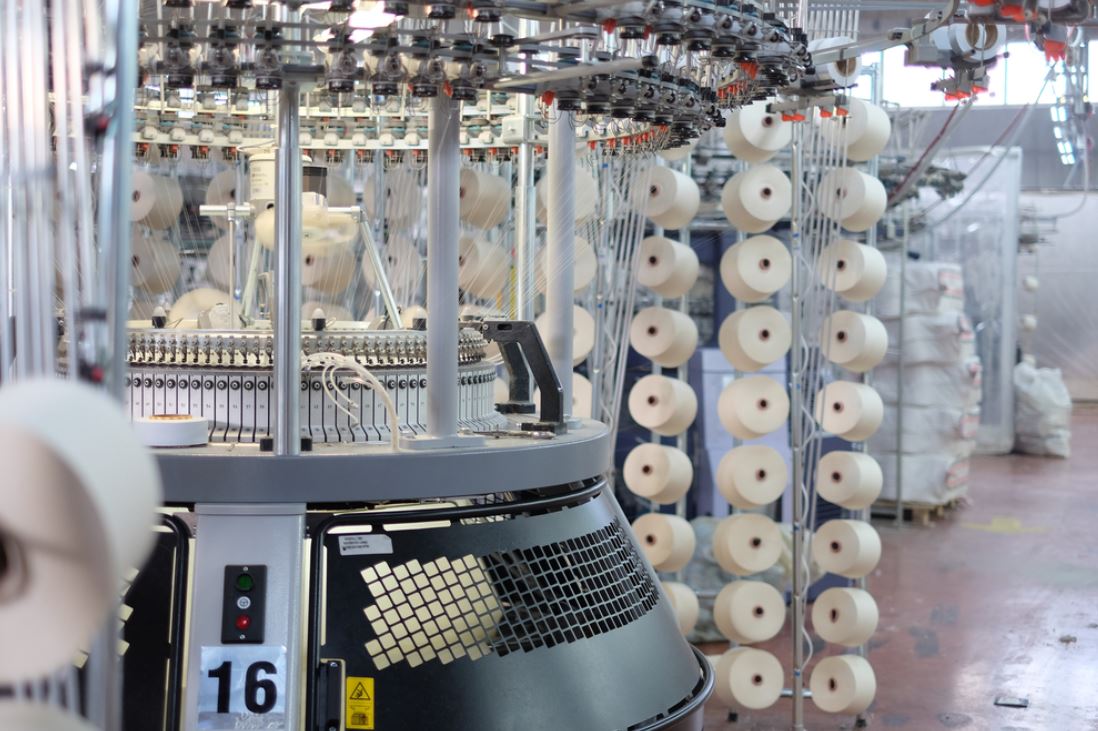
Foshan Patinda Housewares Co., Ltd. manufactures a wide range of Microfiber Cleaning Products designed to outperform cotton in both residential and commercial applications. With over 450 sets of advanced production machinery and a 45,000 m² plant, the company produces weft-knitted and warp-knitted polyester & polyamide microfiber textiles. These fabrics are engineered for high absorbency, low lint, and scratch-free cleaning across surfaces from automotive paint to glass mirrors.
The core difference lies in fiber splitting. Microfiber strands—typically 1/100th the diameter of a human hair—create millions of tiny hooks that trap dirt and moisture. Compared to cotton, microfiber from Patinda absorbs 7× its weight of liquid, removes 75% more dirt with less water or chemicals, and sheds 99% less lint. Industry data confirms that microfiber products reduce chemical usage by up to 60% and water consumption by 90% relative to traditional tools.
Durability and Total Cost of Ownership
Durability is where the cost advantage of microfiber becomes most apparent. Patinda’s cloths are tested to withstand 300+ wash cycles, far surpassing cotton’s typical 50-cycle lifespan. The company applies double-stitching edge locking to prevent fraying and pilling, and uses anti-pilling fiber blends certified under OEKO-TEX Standard 100 (testing against 1,000+ harmful substances) and GRS (Global Recycled Standard, requiring minimum 20% recycled content where applicable).
“The cost advantage involves a slightly higher upfront cost but lower long-term cost due to less frequent replacement.” — Patinda product documentation
For a commercial buyer ordering 10,000 cloths annually, the decision is not just about unit price. A cotton cloth at $0.30 may need replacement after 50 washes, while a Patinda microfiber cloth at $0.80 lasts 300 washes. Over three years, the total spend on cotton can be 2–3× higher when factoring in labor, chemical savings, and waste disposal.
Application Versatility
Patinda’s product line covers nearly every cleaning scenario:
- Kitchen & Household – Grease-absorbent, easy-clean towels for daily spills and dish drying.
- Automotive – Scratch-free car washing towels, glass polishing cloths, and wash mitts.
- Glass & Mirror – Lint-free, streak-free polishing for windows and reflective surfaces.
- Water-Absorbent & Quick-Dry – For detailing and bathroom use, with machine-washable reusability.
- Specialty – Long-lasting antibacterial variants certified for food-contact hygiene.
The household use segment commands a 40.0% share of the global microfiber cleaning cloth market (2025), according to industry analysis. Patinda’s production capacity—2,184,270.46 kg annual output—and 98% export ratio ensure consistent supply for large-volume buyers in regions including the USA, EU, Australia, and Japan.
Comparison at a Glance: Microfiber vs. Cotton
| Metric | Cotton | Patinda Microfiber |
|---|---|---|
| Liquid absorption | ~3× its weight | ~7× its weight |
| Lint shedding | High | 99% less |
| Wash cycles before degradation | ~50 | 300+ |
| Chemical/water reduction | Baseline | Up to 60%/90% less |
| Upfront unit cost | Lower | Higher (but offset by longevity) |
| Certifications (OEKO-TEX, GRS) | Rare | Standard |
One honest limitation: Microfiber cloths require careful handling with fabric softeners and bleach, which can clog fibers. Patinda addresses this with machine-washable, quick-drying construction that withstands standard commercial laundering—following care instructions is essential to achieve the full 300-cycle lifespan.
Market Context and Quality Assurance
China remains the world’s largest exporter of microfiber towels, recording 10,544 shipments between June 2024 and May 2025 (Volza data). Among Chinese manufacturers, Patinda distinguishes itself through integrated quality management: ISO 9001:2015 certified processes, ISO 45001:2018 occupational health standards, SMETA (Sedex) ethical trade compliance, and registration under the German Packaging Act (VerpackG) and French REP textile regulations. These credentials reduce compliance risk for importers in regulated markets.
The global microfiber cleaning cloth market is valued at approximately USD 3.8 billion in 2025 (Dataintelo) and is projected to reach USD 27.5 billion by 2034, driven by demand for sustainable, reusable cleaning solutions. Patinda’s R&D team of 17 engineers focuses on custom blends, edge-sealing laser technology, and antibacterial finishes to meet evolving buyer specifications.
Future Outlook
As circular economy regulations tighten in Europe and North America, the shift from disposable cotton wipes to reusable microfiber will accelerate. Manufacturers that offer certified recycled content (GRS) and full traceability will gain preferential sourcing agreements. Patinda’s 20-year track record, combined with its scalable production and multi-certification portfolio, positions it as a partner for buyers seeking both immediate cost efficiency and long-term supply chain resilience.
To review Patinda’s complete product range and technical specifications, download the corporate e-catalog (open access).
Frequently Asked Questions
How does the cost of Patinda microfiber compare to cotton over time?
Are Patinda microfiber products safe for all surfaces?
Do Patinda products meet international environmental and safety standards?
Can I customize size, color, and packaging for bulk orders?
How should I care for Patinda microfiber cloths to maximize lifespan?
Есть вопросы или нужны дополнительные детали?
Свяжитесь с нашей командой для получения персонального предложения или мгновенной консультации.
Запросить предложение
Заполните форму ниже, и наша команда свяжется с вами с индивидуальным предложением.
Прямой чат WhatsApp
Предпочитаете общаться в реальном времени? Напишите нам в WhatsApp для мгновенной помощи и быстрых ответов.
- Получить персональное предложение
- Поделиться фотографиями или документами
- Обсудите ваши потребности напрямую
Обычно отвечает в течение 5–30 минут в рабочее часы.