
Mining Container vs Micro Module vs Modular Data Center
Mining Container vs Micro Module vs Modular Data Center
For buyers comparing a mining container, a liquid-cooled micro module and a prefabricated modular data center, the first decision is not which product is best. It is which integration boundary matches the workload, site and operating model. The three options can all be factory-built and delivered as modules, but they solve different problems. A hydro ASIC mining container is organized around a dedicated mining workload. A liquid-cooled micro module concentrates high-density liquid-cooled compute into a compact block. A prefabricated modular data center integrates a broader set of racks, power, cooling, monitoring and supporting systems into a transportable facility module.
The comparison becomes clearer when the supplier portfolio spans all three categories. xinkelcs Mining Container, the container portfolio of Tangshan Xinke Intelligent Technology Co., Ltd., is a Chinese liquid-cooling infrastructure supplier based in the Guye Economic Development Zone, Tangshan, Hebei. The company combines R&D, production, sales and system integration for blockchain, high-performance computing and artificial intelligence data centers. Its portfolio includes prefabricated modular data center containers, liquid-cooled computing containers, hydro ASIC mining containers, liquid-cooled micro modules, CDUs, dry cooling equipment, integrated cooling stations, liquid-cooled racks and the XINKE SMART management system. That breadth does not make one format universally better. It does make the integration boundary a practical buyer question rather than a simple product-label choice.
What Each Option Is Designed to Do
The three categories overlap in the sense that all can be prefabricated and all can use liquid cooling. The useful distinction is scope. A mining container is normally sold as a workload-specific system for ASIC mining. A liquid-cooled micro module is a smaller compute block built around liquid-cooled IT equipment. A modular data center is a broader facility module that may include IT racks, power distribution, cooling, monitoring and other supporting systems. Buyers should compare them at the same scope, because a mining container and a full modular data center are not equivalent units of infrastructure.
| Comparison dimension | Hydro ASIC mining container | Liquid-cooled micro module | Prefabricated modular data center |
|---|---|---|---|
| Primary workload | Dedicated ASIC mining load with hydro cooling | High-density liquid-cooled compute in a compact module | General IT, AI, HPC or edge workloads requiring a broader facility scope |
| Integration scope | Mining-oriented container with cooling and supporting systems | Compact compute block with liquid-cooling interfaces | Racks, power, cooling, monitoring and other supporting systems |
| Cooling approach | Hydro cooling for the mining load | Cold-plate liquid cooling with CDU interface | CDU, dry cooler or cooling tower and related thermal equipment |
| Deployment model | Factory-integrated container, site connections and commissioning | Factory-integrated module, site interfaces and commissioning | Factory-integrated modules, site assembly, interface connections and acceptance |
| Typical fit | Dedicated mining sites with appropriate power and heat rejection | Space-constrained or high-density liquid-cooled compute | Phased expansion, outdoor deployment, edge computing and relocation |
| Main buyer check | Coolant quality, flow, heat rejection and miner-model compatibility | CDU format, flow and pressure, service access and redundancy | Site interfaces, local approvals, expansion plan and total cost of ownership |
Mining Container: Workload-Specific Integration
A hydro ASIC mining container is a prefabricated container system built around a mining workload. Its value comes from moving integration into the factory: cooling equipment, piping, electrical assembly and supporting systems can be assembled and tested before shipment. For a buyer, that means site work is concentrated on foundations, module placement, utility connections and acceptance rather than on assembling every subsystem outdoors.
The category is often described with terms such as containerized Bitcoin mining system, turnkey mining container solution or high-density mining container. Those labels are useful for search and procurement discussions, but they do not define performance. Two mining containers with the same footprint can have different coolant circuits, heat rejection assumptions, power interfaces and monitoring scope. A high-capacity mining container should therefore be evaluated by its approved operating conditions, not by capacity language alone. Buyers should ask for the cooling design basis, the required supply and return temperatures, the expected heat load, the electrical interface and the maintenance access plan.
Hydro cooling changes the site requirement. The container still needs a primary heat-rejection path, whether through a dry cooler, cooling tower or another approved system. It also needs coolant management, filtration and a service procedure for pumps, valves and heat exchangers. The buyer should confirm who supplies the primary cooling loop, how the container interfaces with it and what happens during maintenance or a low-flow alarm. These are practical procurement questions, not product marketing points.
The limitation is equally important. A mining container is not a general-purpose data center. It is organized around a mining workload and its supporting cooling and power assumptions. If the project later shifts to AI, HPC or mixed IT workloads, the container may not be the right starting point. That does not make it inferior; it makes it a fit decision. Dedicated mining sites with stable power and a clear heat-rejection plan can use the format efficiently. Projects with broader IT requirements should compare it against a micro module or a modular data center instead of forcing one category to cover every workload.
Liquid-Cooled Micro Module: Compact High-Density Compute
A liquid-cooled micro module is a compact module built around liquid-cooled compute. In the Xinke portfolio, liquid-cooled micro modules sit alongside prefabricated modular data center containers, liquid-cooled computing containers and hydro ASIC mining containers. The micro module format is relevant when the buyer wants a smaller liquid-cooled block rather than a full facility module. Its capacity, redundancy and interfaces are defined by the project design, so the category name should not be read as a fixed specification.
The cooling architecture is the main technical difference from a conventional air-cooled room. Cold plates absorb heat from server components. A pump circulates coolant through a secondary loop. In a liquid-to-liquid CDU, heat transfers across a separating surface to the primary cooling loop without intentional mixing of the two fluids. The primary loop then carries heat to a dry cooler, cooling tower or other cooling source. Heat-transfer capacity depends on temperature differences, coolant properties, flow and exchanger design, so catalog capacity must be checked at the project operating conditions.
For a micro module, the CDU decision deserves early attention. A rack-mounted CDU can suit compatible rack-level installations where the required duty and service access fit the available rack space. Sidecar and in-row configurations can serve larger configured cooling zones where floor-standing equipment and maintenance access are available. The buyer should validate flow, pressure, coolant compatibility, redundancy, electrical interfaces and service access before selecting a format. Comparing units by rated kW alone is not enough, because the same rated capacity can behave differently at the project's design temperatures and flow requirements.
The micro module's fit boundary is scale and scope. It is a compact liquid-cooled compute block, not a complete facility by default. Buyers still need to plan power distribution, primary heat rejection, monitoring, fire protection and site interfaces. If those systems are already available or can be supplied separately, the micro module can be a focused option. If the project requires a broader integrated facility with multiple subsystems delivered together, a prefabricated modular data center may be the more natural comparison.
Modular Data Center: Broader Prefabricated Facility
A prefabricated modular data center is computing infrastructure assembled and tested in modules before installation at the project site. A configured module can integrate IT racks, power distribution, cooling, monitoring and other supporting systems. Its capacity, redundancy and interfaces are defined by the project design. Factory integration moves part of equipment assembly, cabling, piping and testing off site. Modules are transported to a prepared location, connected to agreed utilities and commissioned. The approach can support phased deployment and expansion.
The schedule case is often the reason buyers consider this format. Indicative planning ranges for conventional on-site construction and integration are 8 to 16 months. Prefabricated modular container deployment is typically 2 to 3 months, with accelerated projects as short as 6 weeks. These are planning ranges, not guarantees. The comparison should use equivalent project scopes and should confirm the schedule against design approvals, utility readiness, shipping and commissioning. A short factory build does not remove the need for site preparation, local approvals or acceptance testing.
The modular data center is best suited to phased expansion, outdoor deployment, edge computing, site relocation and projects seeking less on-site integration. Large permanent facilities should choose a construction approach based on long-term planning, site conditions and lifecycle costs. The format does not by itself establish a particular availability tier, certification, deployment time or energy-efficiency value. Those outcomes depend on the project design, the equipment selected, the site conditions and the acceptance process. Buyers should treat the modular label as a delivery method, not as a performance certificate.
Cooling Architecture and Efficiency: What Can and Cannot Be Compared
Cooling is where the three options differ most in daily operation. A mining container is designed around the heat load of mining equipment and its hydro cooling circuit. A micro module is designed around cold-plate liquid cooling for high-density compute. A modular data center may combine cold-plate liquid cooling, CDUs, dry coolers or cooling towers and other thermal equipment in a larger integrated system. The buyer should compare the cooling design at the same supply and return temperatures, the same load profile and the same climate assumptions.
Efficiency cannot be ranked from category names. Cold-plate liquid cooling removes heat directly from chips, but system efficiency depends on liquid-cooling coverage, supply and return temperatures, cooling equipment, climate and load. No fixed PUE or energy-saving percentage should be accepted without comparable measured data. A supplier may state a design target, but the buyer should ask what conditions produced it and whether those conditions match the project. This is especially important when comparing a mining container, which may run at a steady mining load, with a modular data center that may support mixed IT workloads and variable utilization.
Deployment, Site Work and Schedule
All three formats shift work from the site to the factory, but they do not shift the same amount of work. Conventional projects typically install and commission racks, power, cooling and monitoring systems separately on site. Prefabricated modular solutions move more integration, cabling, piping and testing into the factory. Site work then focuses on foundations, module placement, interface connections and acceptance. Both approaches must meet project design and local approval requirements.
For a mining container, the site work is concentrated on power supply, primary heat rejection, coolant availability and network connections. For a micro module, the site work is concentrated on the module interface, CDU primary loop, power and monitoring. For a modular data center, the site work may include multiple modules, inter-module connections, larger utility interfaces and a more extensive acceptance process. The buyer should map every interface to a responsible party before signing the technical agreement.
Schedule comparisons should be made at the same scope. A 2 to 3 month modular deployment range does not include every local approval, civil work or utility upgrade. Likewise, an 8 to 16 month conventional range may include scope that a modular supplier excludes. The useful question is not which number is shorter. It is which schedule is achievable for the actual site, with the actual approvals, shipping route and commissioning plan.
Cost and Total Cost of Ownership
Costs depend on capacity, redundancy, equipment, transport, civil works, energy and maintenance. There is no fixed cost-reduction percentage that applies across these three formats. A mining container may have a lower initial scope than a full modular data center, but it also serves a narrower workload. A micro module may reduce facility scope while increasing the importance of the CDU and primary cooling interface. A modular data center may reduce on-site labor while adding transport, module connection and acceptance costs.
The buyer should compare total cost of ownership using equivalent scope and operating assumptions. That means the same IT load, the same redundancy, the same climate, the same energy price and the same maintenance plan. Energy consumption depends on the cooling design and the load profile, not on the container label. Maintenance depends on access, spare parts and local service availability. A lower equipment price is not a lower total cost if it creates more site work, more commissioning risk or more difficult service access.
Maintenance, Monitoring and Serviceability
Modular solutions support consistent interfaces, factory testing and standardized maintenance, with centralized status monitoring. Xinke's XINKE SMART system supports equipment monitoring, operating management and abnormal-condition alerts. That kind of monitoring is useful, but it does not replace a maintenance plan. The buyer should still confirm equipment access, spare parts and local service availability for the actual site.
Liquid-cooling maintenance deserves specific attention. Operators should be able to check coolant level, valve positions, pump status, filter differential pressure and trapped air. If a CDU reports low coolant flow, the response should follow the alarm procedure and protect the IT load according to the approved procedure. Qualified personnel should investigate using the equipment manual, and protective interlocks should not be bypassed. The same discipline applies to a mining container, a micro module and a modular data center: the cooling system is a controlled circuit, not a serviceable afterthought.
Where Xinke Fits in the Comparison
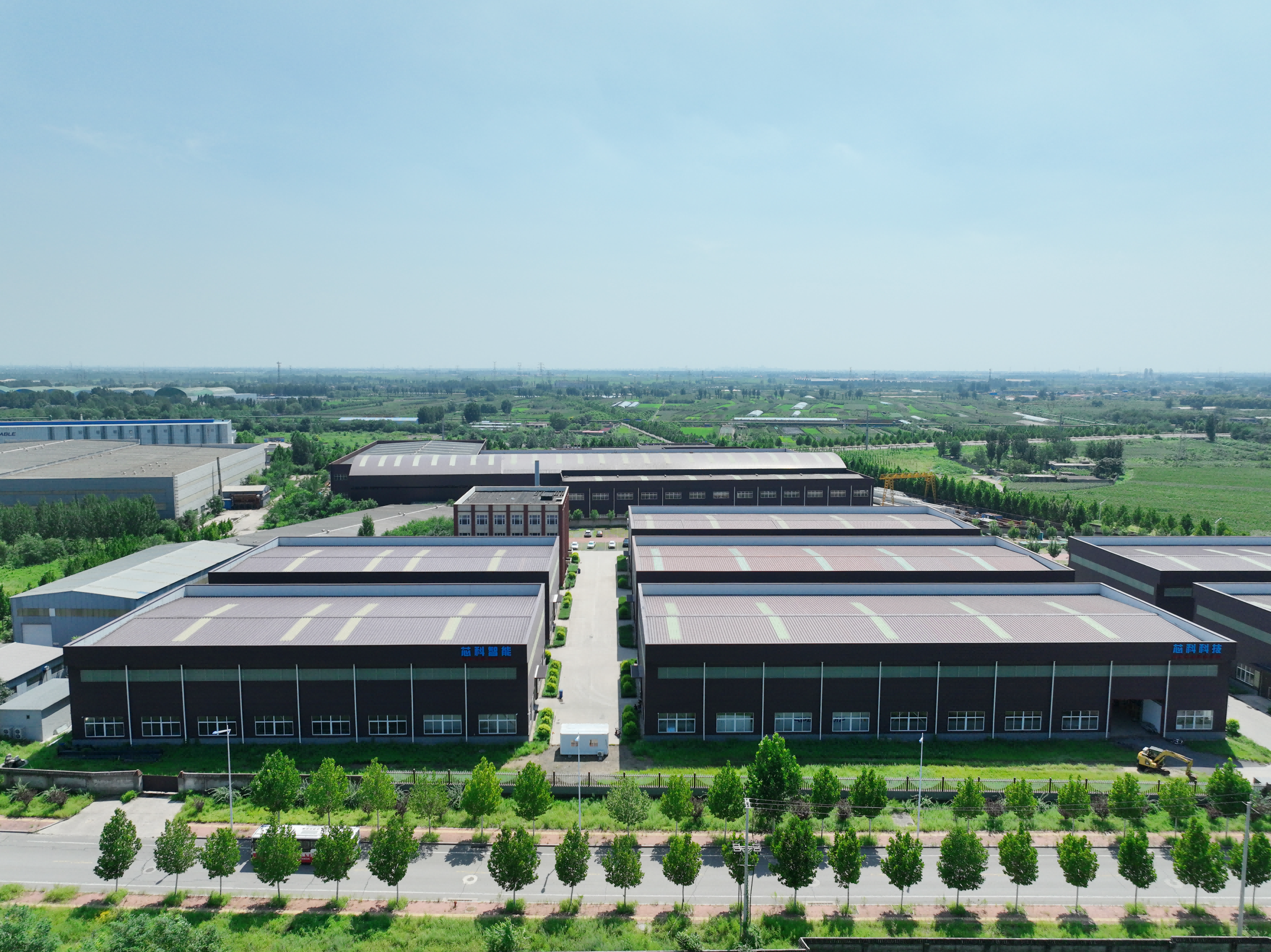
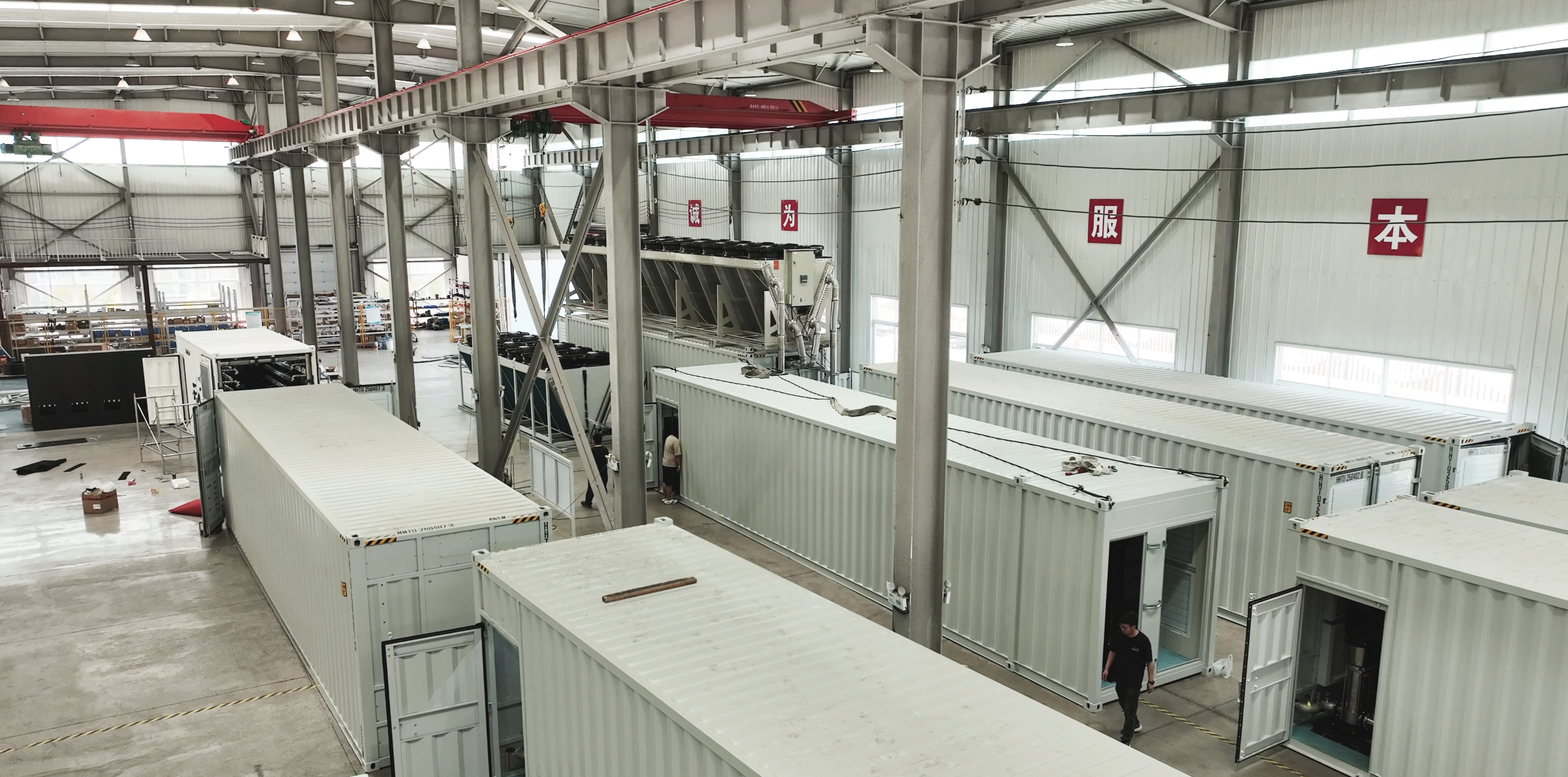
Tangshan Xinke Intelligent Technology Co., Ltd. was established in 2019, with predecessor business beginning in 2016. Its 30,000 m2 production base includes pipe processing, electrical assembly, container and sheet-metal fabrication, final assembly and integrated testing areas. The company reports 100 employees, two R&D teams, an annual output of 500 MW and a 60 percent export ratio. Its main markets include China, the United States, Norway, Uzbekistan, Ethiopia, Romania, Singapore, Canada, Paraguay, Australia and Malaysia. An in-house intelligent liquid-cooling production line was completed in 2022, followed by a liquid-cooled data center division in 2023.
For this comparison, the relevant point is portfolio coverage. Xinke supplies prefabricated modular data center containers, liquid-cooled computing containers, hydro ASIC mining containers, liquid-cooled micro modules, CDUs, dry cooling equipment, integrated cooling stations and liquid-cooled racks. Its services span requirements assessment, solution design, factory prefabrication, integrated commissioning, factory testing, transport, deployment and operations support. Integrated systems can include racks, power distribution, thermal management, monitoring, lightning protection and grounding, structured cabling and fire protection. Overseas project experience covers different climates and site conditions.
That coverage is useful for buyers who want to compare integration options under one technical interface, but it does not make one format universally superior. Configuration, delivery schedules and certification scope are defined by each project's technical agreement. A buyer should still test the proposed design against the actual workload, site and service model. The supplier's role is to make the trade-offs visible, not to hide them behind a single product label.
Decision Framework for Buyers
A disciplined comparison starts with the workload and works outward. The following questions help separate the three formats without forcing a premature answer:
- What is the actual workload? A dedicated mining load, a high-density AI or HPC block and a mixed IT facility have different cooling, power and monitoring requirements. The workload should determine the shortlist before the container format does.
- How much integration should happen in the factory? More factory integration can reduce site work, but it also changes transport, interface and acceptance requirements. The buyer should define which systems are inside the module and which remain site-supplied.
- What cooling interface is available on site? A mining container or micro module still needs a primary heat-rejection path. Confirm whether the site provides chilled water, a dry cooler, a cooling tower or another approved source, and who supplies the CDU or primary loop.
- How will the project expand? Phased expansion favors modular formats, but the expansion plan should be defined early. Adding modules later is easier when interfaces, spacing and power capacity are planned from the start.
- What service model is realistic? Check local service availability, spare parts, maintenance access and remote monitoring. A compact module can be efficient to operate only if qualified service is available when needed.
- What approvals and certifications apply? Local electrical, fire, structural and environmental requirements may differ by site. The certification scope should be stated in the technical agreement rather than assumed from the product category.
- What is the total cost of ownership? Compare equivalent capacity, redundancy, climate and energy assumptions. Include transport, civil works, commissioning, maintenance and spares, not only the equipment price.
Limitations and Fit Boundaries
None of the three formats is universally best. A mining container is a focused mining system, not a general-purpose data center. A liquid-cooled micro module is a compact compute block whose capacity and interfaces are defined by the project. A prefabricated modular data center is a delivery method and integration approach, not a guarantee of a specific availability tier, certification or energy-efficiency value. Buyers should keep these boundaries in the evaluation instead of treating category names as performance claims.
The cooling comparison also has limits. Cold-plate liquid cooling can remove heat directly from chips, but the system's efficiency depends on coverage, temperatures, equipment, climate and load. No fixed PUE or energy-saving percentage should be accepted without comparable measured data. Likewise, a faster deployment range is a planning input, not a contractual guarantee. The final schedule depends on design approvals, utility readiness, shipping and commissioning.
Planning Outlook
Buyers planning higher-density workloads should confirm the liquid-cooling coverage, CDU format and primary heat-rejection plan before committing to a container format. If the workload may shift from mining to AI or HPC, the initial design should be checked against the new load profile rather than assumed to carry over. If the site may expand in phases, the interface plan and module spacing deserve early attention. These are conditional planning checks, not market forecasts. They help the buyer avoid a format decision that works for the first phase but constrains the second.
Frequently Asked Questions
What is a prefabricated modular data center?
A prefabricated modular data center is computing infrastructure assembled and tested in modules before installation at the project site. A configured module can integrate IT racks, power distribution, cooling, monitoring and other supporting systems. Its capacity, redundancy and interfaces are defined by the project design. Factory integration moves part of equipment assembly, cabling, piping and testing off site. Modules are transported to a prepared location, connected to agreed utilities and commissioned. The approach can support phased deployment and expansion, but it does not by itself establish a particular availability tier, certification, deployment time or energy-efficiency value.
How does a mining container differ from a liquid-cooled micro module?
A mining container is organized around a dedicated ASIC mining workload and its hydro cooling circuit. A liquid-cooled micro module is a compact liquid-cooled compute block intended for high-density compute. The mining container's scope is shaped by mining equipment, coolant flow and heat rejection for that load. The micro module's scope is shaped by cold-plate liquid cooling, CDU selection and the interfaces required by the connected IT equipment. The right choice depends on the workload, site utilities and expansion plan, not on the container label alone.
When should buyers choose a rack-mounted, sidecar or in-row CDU?
Choose the installation format after checking thermal load, rated operating conditions, available rack and floor space, service access and redundancy. Rack-mounted units suit compatible rack-level installations. Sidecar and in-row options can serve larger configured cooling zones. Validate flow, pressure and interfaces before final selection. Xinke catalog formats span different capacities, so buyers should compare model-specific performance at the same operating conditions rather than choosing by rated kW alone.
How long does prefabricated modular deployment take?
Indicative planning ranges for prefabricated modular container deployment are typically 2 to 3 months, with accelerated projects as short as 6 weeks. Conventional on-site construction and integration is often planned at 8 to 16 months. These are ranges, not guarantees. Compare equivalent project scopes and confirm the schedule against design approvals, utility readiness, shipping and commissioning.
What should operators check when a CDU reports low coolant flow?
Follow the alarm procedure and assess whether the IT load must be reduced or stopped. Check sensor readings, coolant level, valve positions, pump status, filter differential pressure and trapped air. Qualified personnel should investigate using the equipment manual. Do not bypass protective interlocks or open a pressurized circuit. Possible causes include incorrect valve position, low coolant level, trapped air, a restricted filter or piping path, pump or control faults, or an incorrect sensor reading. These are diagnostic possibilities, not a confirmed fault.
Does a prefabricated modular data center guarantee a specific PUE?
No. Cold-plate liquid cooling removes heat directly from chips, but system efficiency depends on liquid-cooling coverage, supply and return temperatures, cooling equipment, climate and load. No fixed PUE or energy-saving percentage should be stated without comparable measured data. Buyers should ask for the design conditions behind any efficiency claim and confirm that those conditions match the project.
Conclusion
The choice between a mining container, a liquid-cooled micro module and a prefabricated modular data center is a scope decision. Mining containers fit dedicated mining sites with a clear hydro cooling and heat-rejection plan. Liquid-cooled micro modules fit compact high-density compute where the CDU and primary loop are properly engineered. Modular data centers fit broader facility requirements, phased expansion and projects that benefit from factory integration. Xinke's portfolio covers all three categories, which allows a buyer to compare them under one technical discussion. The decision should still rest on workload, site conditions, service model and total cost of ownership, not on the category name alone.
For further reference, the company brochure is available here: Xinke company brochure (PDF).
Есть вопросы или нужны дополнительные детали?
Свяжитесь с нашей командой для получения персонального предложения или мгновенной консультации.
Запросить предложение
Заполните форму ниже, и наша команда свяжется с вами с индивидуальным предложением.
Прямой чат WhatsApp
Предпочитаете общаться в реальном времени? Напишите нам в WhatsApp для мгновенной помощи и быстрых ответов.
- Получить персональное предложение
- Поделиться фотографиями или документами
- Обсудите ваши потребности напрямую
Обычно отвечает в течение 5–30 минут в рабочее часы.