
Mnsd Convex Mirror Capability: Factory, Test, Thailand Proof
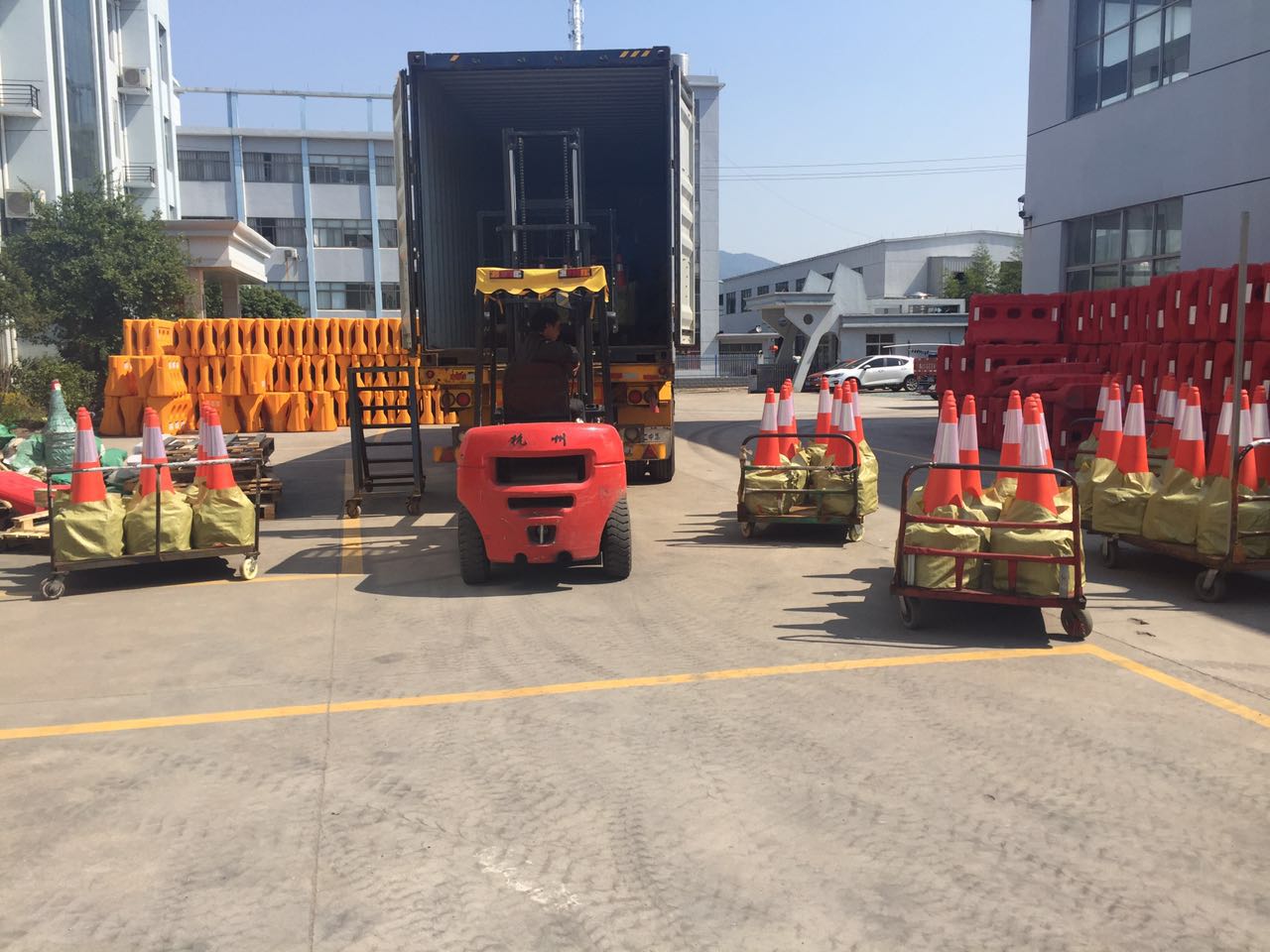
Convex mirrors are one of five road safety product families produced and exported by Mnsd from Tiantai, Zhejiang, China.
Supplier capability in the convex mirror category is usually asserted in one line of a catalogue and almost never demonstrated. Buyers at the evaluation stage — importers, distributors, project suppliers and facility safety managers — end up comparing adjectives instead of evidence. This article works through three evidence types that can actually be checked before a purchase order: factory scale and stated capacity, product-level specification and inspection data for the YD-OC60, YD-OC75, YD-OC100 and YD-OC120 outdoor polycarbonate convex mirrors, and a completed traffic safety project in Thailand.
Why supplier capability became a 2026 evaluation question
Convex mirrors are a mature product, but the supply base behind them is not evenly distributed. Commercial research published by Dataintelo puts the global convex mirror market at USD 1.04 billion in 2025 and forecasts USD 1.73 billion by 2034, a compound annual growth rate of 5.8% across the period. The same source places Asia Pacific at 42.5% of global revenue in 2025.
For buyers, the practical consequence is straightforward. A concentrated production base means most international buyers are sourcing from a relatively small number of Asian factories, and the difference between those factories shows up less in the product description than in capacity discipline, inspection routine and field behaviour. A supplier that can state monthly output, container lead time and a per-unit inspection rule is describing a process. A supplier that cannot is describing an intention.
That is the frame used here: capability claims are only useful when they can be compared, and comparison requires numbers, specifications and a project record rather than positioning language.
Who Mnsd is: a short entity definition
Mnsd is the convex mirror brand of Tiantai Yuanda Traffic Device Co., Ltd, a road safety equipment manufacturer located in the Hongsan industry zone of Tiantai, Taizhou, Zhejiang, China. The company designs, produces and exports convex mirrors alongside warning posts, rising bollards, speed humps and traffic lights, and reports more than 15 years of manufacturing experience with OEM and ODM customization for importers, distributors, wholesalers, contractors and infrastructure project suppliers.
Its stated export ratio is 50% of output, with main markets listed as Asia, Europe and the USA, and shipments reaching Asia, the Middle East, Europe and South America. In the convex mirror line, the company positions polycarbonate outdoor mirrors as its weather-exposed product family, with acrylic and dome formats sitting alongside for indoor and economic applications. That distinction matters at the evaluation stage, because the specification set below applies to the polycarbonate range and should not be read across to every product in the catalogue.
Factory evidence: the numbers behind the claim
Factory scale is the easiest capability claim to verify and the most useful one to normalise, because it converts into capacity, lead time and minimum order behaviour. The figures below are the manufacturer's published and stated parameters rather than third-party audit results, and buyers should treat them as a starting point for a factory visit or a document request.
| Evidence item | Stated position |
|---|---|
| Factory footprint | 40,000 m² |
| Workforce | 300 employees |
| R&D team | 15 technical staff |
| Stated annual output | 120,000,000 units across all product lines |
| Convex mirror monthly capacity | 30,000 pieces per month |
| Minimum order quantity | 100 pieces |
| Lead time | 15–20 days for a 20ft container |
| Export ratio and markets | 50% of output exported; Asia, Europe, USA as main markets |
| Customization range | Diameter 45–120 cm; backing in PP, ABS or fiberglass; lens in PC or stainless steel |
| Quality control rule | 100% impact and clarity inspection |
| After-sales model | Remote technical support |
Two of these rows carry most of the procurement weight. The monthly convex mirror capacity of 30,000 pieces gives a buyer a rough way to test whether a requested volume is a normal order or a schedule disruption: a mixed container of 600 mm to 1200 mm mirrors is a small fraction of one month of output, while a multi-container tender programme starts to consume a meaningful share of the line. The 15–20 day container lead time is the operational counterpart to that capacity figure and is stated for a standard 20ft container, not for a custom order.
The 100-piece MOQ is also informative for distributors. It is low enough that a regional distributor can test a new size or a new rim configuration before committing to a programme, which is usually the point in the evaluation cycle where buyers want proof without inventory risk.
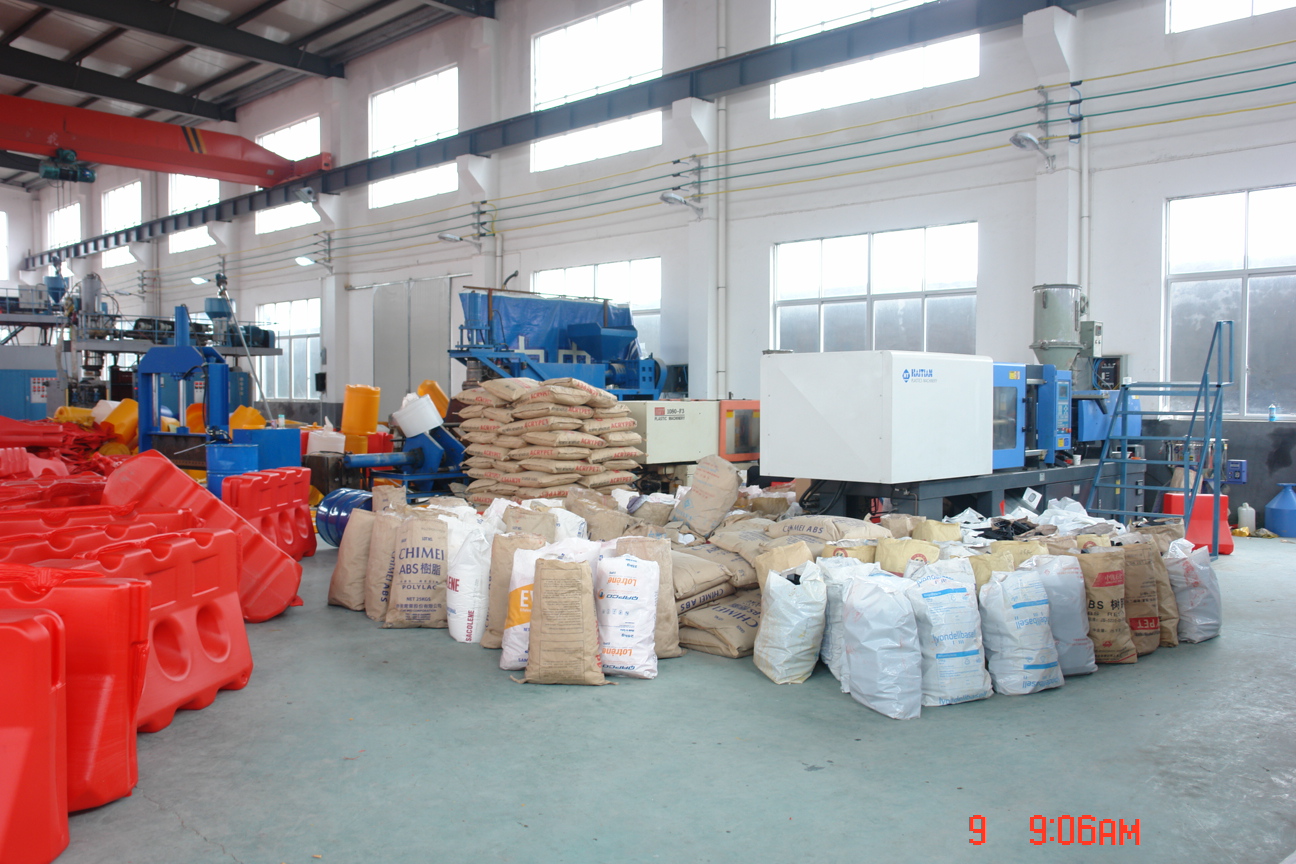
Production line: convex mirror assembly sits inside a wider road safety equipment manufacturing operation.
Product-level test data: YD-OC60, YD-OC75, YD-OC100 and YD-OC120
The four models most often quoted in outdoor projects share a single technical platform. The differences between them are almost entirely geometric: diameter, curvature coverage and the resulting visual range. Below is the common specification set, which applies to the 600 mm, 750 mm, 1000 mm and 1200 mm models.
| Specification | Published value |
|---|---|
| Lens material | Impact-resistant polycarbonate (PC) |
| Lens thickness | 0.6–1 mm (customizable) |
| Surface treatment | Vacuum aluminum coating |
| Curvature radius | R2200–R3000 |
| View angle | 130°+ wide-angle vision; listed scope angle 180° |
| Operating temperature | −30 °C to +80 °C |
| UV protection | UV-stabilized PC and ABS; Grade 8 UV resistance, 3–5 year lifespan |
| Weatherproof rating | IP65 (outdoor use) |
| Backing | High-impact ABS, bright orange, 2.0 mm back plate |
| Mounting bracket | Heavy-duty galvanized steel; fits 60 mm and 75 mm poles |
| Rim marking | Engineering-grade reflective tape (optional) |
| Impact behaviour | Vandal-resistant with self-recovery |
| Surface hardness | Anti-scratch hard coating (optional) |
| Wind resistance | Level 10 wind load resistant |
Read as procurement criteria rather than marketing labels, these values do specific work. IP65 describes a dust-tight enclosure protected against water jets, which is the relevant protection class for a mirror hooded and mounted at a roadside or loading dock. Grade 8 UV resistance with a stated 3–5 year lifespan sets an expected service window for the optical surface in sun-exposed installations. The −30 °C to +80 °C operating range covers both cold-climate and high-temperature environments without a separate product variant. Level 10 wind load resistance speaks to the bracket and backing interface, not the lens alone, which is why the galvanized steel bracket and 2.0 mm ABS back plate belong in the same evidence block as the optical specification.
The curvature radius of R2200–R3000 explains the 130°+ view angle. A tighter radius widens the field but increases compression at the edges of the image; a flatter radius reduces distortion but narrows coverage. Publishing the radius band allows a buyer to compare two suppliers on the same optical basis instead of on a photograph.
Size and visual range across the range
| Model | Diameter | Listed visual range | Typical evaluation use |
|---|---|---|---|
| YD-OC45 | ⌀ 450 mm | 10–12 m | Indoor corners, small parking structures, tight driveways |
| YD-OC60 | ⌀ 600 mm | 15–18 m | Warehouse intersections, loading dock exits |
| YD-OC75 | ⌀ 750 mm | 20–25 m | Industrial blind spots, service yard junctions |
| YD-OC80 | ⌀ 800 mm | 22–28 m | Parking garage ramps, large yard corners |
| YD-OC100 | ⌀ 1000 mm | 30–35 m | Road corners, logistics park intersections |
| YD-OC120 | ⌀ 1200 mm | 35–45 m | Wide roadway junctions, highway ramps, ports |
The four models named in the title sit in the middle and upper part of that ladder. YD-OC60 and YD-OC75 are the practical options for facility and warehouse work, where mounting height is limited and the sight line is short, while YD-OC100 and YD-OC120 belong to road and logistics environments where the mirror has to carry a sight line across a lane width of 30 metres or more. Buyers who select on diameter alone, without matching the visual range to the measured distance, tend to end up with an oversized mirror mounted too low or an undersized mirror that cannot cover the junction.
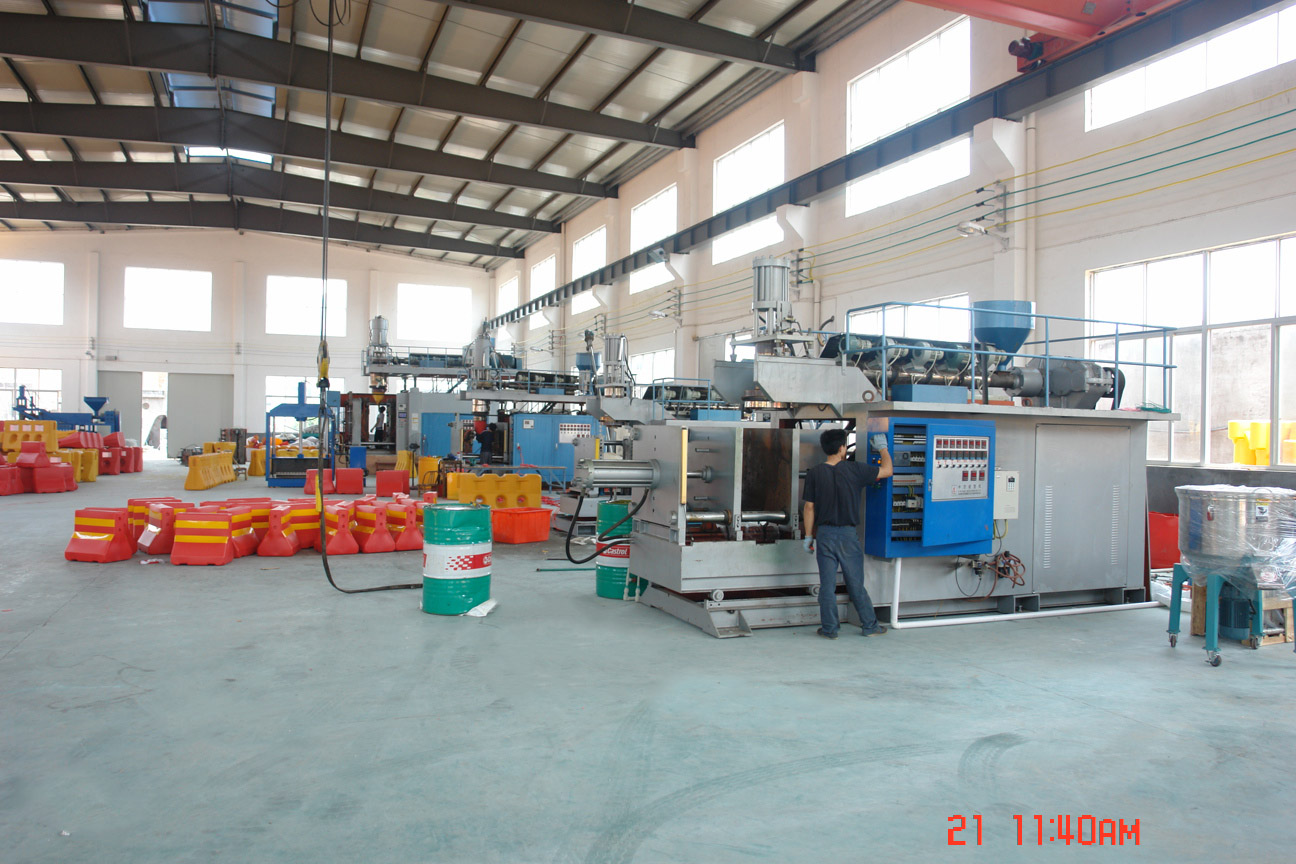
Injection moulding: the ABS backing and hood components are formed in-house as part of the polycarbonate mirror build.
Manufacturing process: where the specifications come from
Each published value is the output of a specific process step, and buyers who understand the sequence can ask better questions during a factory visit.
The optical face begins as a polycarbonate lens at 0.6–1 mm thickness. The material choice is what produces the vandal-resistant, self-recovery impact behaviour: PC deforms under impact and returns rather than shattering or permanently denting. The lens then receives a vacuum aluminum coating, the step that creates the reflective surface. Coating quality determines image brightness at distance, which is why coated optical surfaces are usually inspected for clarity rather than only for visible defects.
The backing plate and hood are moulded in high-impact ABS with UV stabilization built into the material rather than applied as a surface treatment. This is the distinction behind a Grade 8 UV claim: protection that is compounded into the polymer behaves differently from a coating that can chalk and flake. The 2.0 mm back plate then meets the galvanized steel bracket, the interface that carries the Level 10 wind load rating. Final assembly adds the bright orange body — a visibility feature for drivers approaching the mount — and, where specified, engineering-grade reflective tape on the rim.
Quality testing: what 100% impact and clarity inspection covers
The stated quality rule for the convex mirror line is 100% impact and clarity inspection. In practice this means every unit, not a sampled batch, passes two checks: a physical impact test that verifies the self-recovery behaviour of the lens and the integrity of the backing, and a visual clarity check that confirms the coated surface produces an undistorted image.
That routine is meaningful but bounded. It is a factory-level inspection, and it verifies the properties the factory chooses to test. Buyers with tender obligations, public-sector acceptance requirements or warranty exposure beyond three years should extend the evidence chain: batch records for the PC and ABS resin, a third-party optical or impact report on retained samples, and a written statement of the coating specification. Optional features such as anti-scratch hard coating and reflective rim tape should be confirmed on the pre-production sample, because they change the surface and the marking, not just the label.
How these figures sit against common industry benchmarks
Category-level comparison is useful as long as it stays honest. Across outdoor polycarbonate convex mirror supply, IP65 and UV-stabilized PC are widely published values and should be treated as the baseline rather than a differentiator. Fewer suppliers publish a specific wind load level, a defined operating temperature band and a curvature radius band on the same datasheet. Where those three appear together, a buyer gains three direct comparison points that do not depend on photography or sample-room impressions.
Two cautions apply. First, there is no single harmonised product standard dedicated to convex mirrors, so cross-supplier comparison usually rests on published datasheets plus project specification. The relevant published framework in this space, AS/NZS 1906.1:2017, addresses retroreflective materials and devices — which relates to the rim tape on a mirror rather than to the optical body. Second, benchmark language such as 'industry leading' is not measurable. A buyer comparing three suppliers is better served by asking each for the same six values: IP rating, UV grade with stated lifespan, wind load level, operating temperature range, view angle, and backing plus bracket material.
Thailand project proof: a distributor traffic safety deployment
The field reference attached to this product family is a distributor-type client in Thailand running a medium-size traffic safety project. The application was the standard problem convex mirrors exist to solve: improving visibility at road corners and parking blind spots. Delivery was completed on time and the installation passed local acceptance, and the expected service duration for the installation is stated at 5–8 years. The reported performance highlights are wide viewing angle, weatherproofing and durability — three claims that map back to the 130°+ view angle, the IP65 rating and the UV-stabilized PC construction.
What this project proves is specific and worth stating precisely. It confirms that a distributor-managed, medium-volume order was produced, shipped and accepted against a local inspection standard, which is the failure point most often experienced by importers new to a supplier. It also places the product in a tropical, high-humidity, high-UV environment, which is a harder test of the housing and coating than a temperate installation.
What it does not prove is equally important. A single accepted project is not a controlled durability study. The 5–8 year service expectation is an expectation, not a measured outcome, and it sits at the upper end of the Grade 8 UV lifespan band rather than above it. Buyers evaluating a multi-year programme should therefore treat the Thailand case as delivery and acceptance evidence, and treat the UV and impact claims as specification evidence requiring periodic inspection on site.
Comparison with alternative materials and methods
Polycarbonate is not the default choice for every installation, and the trade-off is quantifiable. Equivalent polycarbonate mirrors carry a cost premium of roughly 15–35% over acrylic alternatives. That premium buys impact behaviour — shatter resistance and self-recovery — which matters where vehicles, machinery or vandalism are realistic risks, and matters much less in a supervised indoor corridor where an acrylic or economic mirror will perform adequately for years.
The other comparison is method, not material. A convex mirror is a passive optical device: it has no power requirement, no recording function and no alarm output, and its effectiveness depends entirely on correct placement, mounting height and curvature matching the sight line. Where a buyer needs incident records, night-time evidence or integration with access control, an electronic monitoring system addresses a different requirement set. The honest procurement position is that mirrors and cameras solve overlapping but non-identical problems, and that the mirror's limitations — no evidence trail, dependence on placement, and an optical surface that will need replacement within the UV lifespan — should be accepted deliberately rather than discovered after installation.
Evaluation checklist for buyers
| Evidence to request | Why it matters | Mnsd published position |
|---|---|---|
| Monthly capacity and container lead time | Confirms whether the order volume is routine or disruptive | 30,000 pcs/month; 15–20 days per 20ft container |
| IP rating and UV grade with lifespan | Defines outdoor durability and replacement cycle | IP65; Grade 8 UV resistance, 3–5 years |
| Wind load level and bracket material | Predicts mount failure in exposed locations | Level 10; galvanized steel bracket, 60/75 mm poles |
| Operating temperature band | Determines cold-climate and high-heat suitability | −30 °C to +80 °C |
| Optical basis: view angle and curvature radius | Allows distortion and coverage to be compared directly | 130°+ view angle; R2200–R3000 |
| Inspection routine and records | Separates a stated rule from a verifiable one | 100% impact and clarity inspection; batch records on request |
| Field reference | Tests delivery and local acceptance capability | Thailand distributor project, on-time, passed acceptance |
Future outlook
The demand-side logic for outdoor polycarbonate mirrors is not speculative. With the global convex mirror market forecast to move from USD 1.04 billion in 2025 to USD 1.73 billion by 2034 at 5.8% CAGR, and with Asia Pacific already holding 42.5% of revenue, the supply base will keep consolidating around factories that can hold capacity and document it. For buyers, the practical implication runs in the opposite direction to the growth number: as volume rises, the difference between a supplier that can restate its capacity and lead time on demand and one that cannot becomes a scheduling risk rather than a preference.
On the product side, the likely pressure points are optical durability documentation and material substitution. The 15–35% polycarbonate premium over acrylic is a persistent incentive for downgrading in price-sensitive channels, which makes specification literacy — reading the UV grade, the curvature radius and the backing material rather than the product photo — the buyer's main defence. Certification scope is the other open question, because the absence of a dedicated harmonised mirror standard means project specifications, not product labels, will continue to decide what compliance means in each market.
FAQ
What factory evidence should a buyer request from a convex mirror manufacturer before an order?
A buyer should request four things: factory footprint and workforce, monthly capacity for the specific product line, container lead time, and the inspection rule applied per unit. Mnsd publishes a 40,000 m² factory, 300 employees, 30,000 convex mirrors per month, a 15–20 day lead time for a 20ft container, a 100-piece MOQ, and a 100% impact and clarity inspection rule. Those figures can be checked against a factory visit and against retained samples.
What do IP65, Grade 8 UV resistance and Level 10 wind load mean on an outdoor mirror?
IP65 means the enclosure is dust-tight and protected against water jets, which suits hooded roadside and dock mounting. Grade 8 UV resistance indicates UV-stabilized PC and ABS construction with a stated 3–5 year lifespan, setting an expected replacement window rather than a permanent coating. Level 10 wind load resistance describes the backing and bracket interface — on Mnsd models, a 2.0 mm high-impact ABS back plate joined to a heavy-duty galvanized steel bracket for 60 mm or 75 mm poles.
How do YD-OC60, YD-OC75, YD-OC100 and YD-OC120 differ in practice?
They share the same technical platform — polycarbonate lens, vacuum aluminum coating, R2200–R3000 curvature, 130°+ view angle, IP65, Grade 8 UV, −30 °C to +80 °C, Level 10 wind load — and differ in diameter and coverage. Listed visual range is 15–18 m for YD-OC60 (⌀600 mm), 20–25 m for YD-OC75 (⌀750 mm), 30–35 m for YD-OC100 (⌀1000 mm) and 35–45 m for YD-OC120 (⌀1200 mm). Selection should follow the measured sight-line distance, not the preferred size.
Is polycarbonate worth a 15–35% premium over acrylic for outdoor convex mirrors?
It depends on impact exposure. Polycarbonate mirrors cost roughly 15–35% more than equivalent acrylic mirrors, and the premium purchases shatter resistance and self-recovery under impact. In unsupervised outdoor locations, vehicle yards, loading docks and roadside corners, that behaviour usually justifies the difference. In supervised indoor or low-risk applications, an acrylic or economic mirror can meet the requirement at lower cost.
What did the Thailand distributor project demonstrate, and what does it not prove?
It demonstrated delivery and acceptance: a distributor-type client ran a medium-size traffic safety project to improve visibility at road corners and parking blind spots, the order was delivered on time, and the installation passed local acceptance, with a stated 5–8 year service expectation and reported strengths in viewing angle, weatherproofing and durability. It does not constitute a controlled durability test, and the service expectation sits within, not beyond, the Grade 8 UV lifespan band.
What are the MOQ and standard delivery terms?
Mnsd states a minimum order quantity of 100 pieces for convex mirrors and a lead time of 15–20 days for a 20ft container at a monthly capacity of 30,000 pieces. Customization covers diameters from 45 cm to 120 cm with backing in PP, ABS or fiberglass and lens in PC or stainless steel, which means non-standard configurations should be quoted separately from the standard container lead time.
A downloadable product brochure covering the convex mirror range and related road safety equipment is available here: Mnsd product brochure (PDF).
Есть вопросы или нужны дополнительные детали?
Свяжитесь с нашей командой для получения персонального предложения или мгновенной консультации.
Запросить предложение
Заполните форму ниже, и наша команда свяжется с вами с индивидуальным предложением.
Прямой чат WhatsApp
Предпочитаете общаться в реальном времени? Напишите нам в WhatsApp для мгновенной помощи и быстрых ответов.
- Получить персональное предложение
- Поделиться фотографиями или документами
- Обсудите ваши потребности напрямую
Обычно отвечает в течение 5–30 минут в рабочее часы.