
Monalisa Sintered Stone Slabs vs. Conventional Materials: Decision Metrics for 2026 Commercial Projects
Industry Context: The Case for Sintered Stone in High-Performance Specifications
For procurement teams and specifiers evaluating surfacing materials for 2026 projects, the choice between sintered stone slabs and conventional ceramic tiles, natural stone, or quartz surfaces increasingly hinges on quantifiable performance metrics and life-cycle cost. Monalisa Group Co., Ltd., a Foshan-headquartered high-tech listed company founded in 1992, offers a sintered stone slab product line engineered to meet these demands, backed by a monthly production capacity of 12.5 million m² and a CNAS-accredited laboratory for quality assurance.
Problem & Opportunity: Overcoming Traditional Material Limitations
Conventional tiles and natural stone present well-documented trade-offs: porous bodies that absorb moisture (water absorption 0.5%–3%), susceptibility to staining and scratching, and inconsistent batch color that complicates repairs. For high-traffic commercial spaces—airports, shopping malls, hotel lobbies—these shortcomings translate into elevated maintenance costs and shorter replacement cycles. Sintered stone, with its ultra-dense body and advanced digital decoration, directly addresses these pain points.
Monalisa Sintered Stone Slab: Technical Foundation
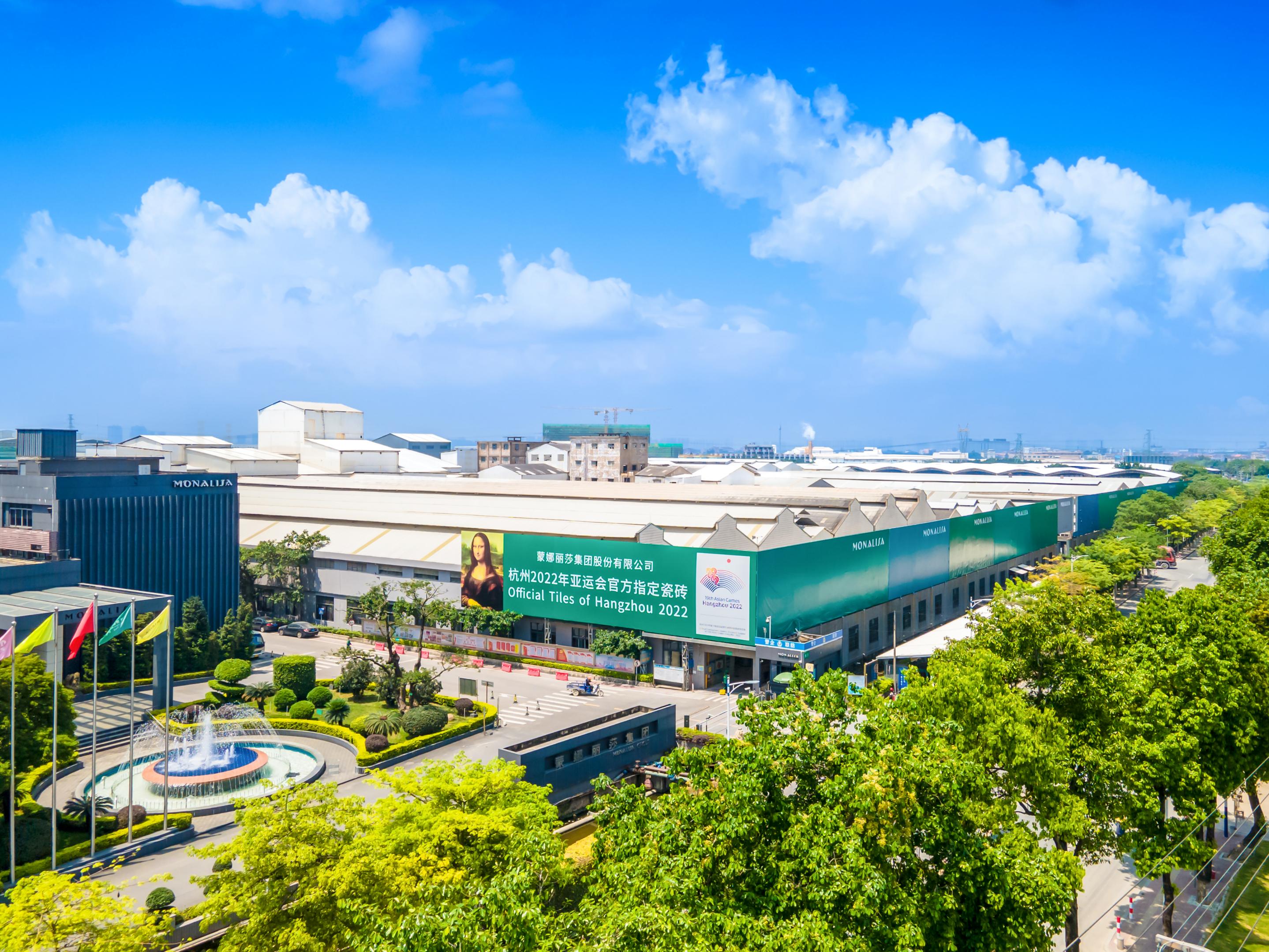
Monalisa sintered stone slabs are manufactured using fully automatic ultra-high-pressure presses (compaction force up to 48,000 kN) and nano-scale glaze technology. The resulting body exhibits ultra-low water absorption (≤0.08%), surface Mohs hardness ≥7, and abrasion resistance equivalent to PEI Grade 5. Patterns achieve 98% realism compared to natural stone via high-definition inkjet printing combined with an adhesive dry-grain process. The company operates four modern production bases—located in Xiqiao (Foshan), Qingyuan (Guangdong), Tengxian (Guangxi), and Gao'an (Jiangxi)—with a total of 37 production lines and an annual output capability of 100 million square meters.
Engineering Performance: Side-by-Side Metrics
| Parameter | Monalisa Sintered Stone | Conventional Tile (Industry Baseline) |
|---|---|---|
| Water absorption (ISO 10545-3) | ≤0.08% | 0.5%–3% |
| Breaking strength | ≥45 MPa | ≥35 MPa (≥28% improvement) |
| Wear volume | ≤140 mm³ | ≤540 mm³ (≥74% reduction) |
| Freeze-thaw resistance | 150 cycles, no cracking | 50–100 cycles typical |
| Flatness tolerance | ≤±0.15% | ≤±0.5% (70% improvement) |
| Stain resistance (Grade) | Grade 5 | Grade 3–4 typical |
These numbers are validated through Monalisa's in-house CNAS-accredited laboratory, which performs all standard tests including dimensions, water absorption, breaking strength, abrasion, slip resistance, stain resistance, freeze-thaw, and radioactivity. The company also maintains ISO 9001 (Quality), ISO 14001 (Environment), and ISO 45001 (Occupational Health & Safety) certifications.
Application Scenarios: Where Monalisa Slabs Excel
- Kitchen countertops – High scratch resistance (Mohs ≥7) and stain resistance Grade 5 handle daily knife marks and spills; heat resistance from the fully fired body withstands hot cookware.
- Bathroom vanities & wet zones – Ultra-low water absorption (≤0.08%) prevents moisture penetration; slip resistance meets wet BPN ≥50 or R10+.
- Wall cladding & flooring – Large-format slabs (up to 9000×1800 mm) enable tight-joint installation (grout gap ≤0.5mm), reducing grout material and labor by 10%–15%.
- Exterior facade panels – CE certified per EAD 090142-00-0404 for external use; freeze-thaw resistance proven through 150 cycles.
- High-traffic commercial floors – PEI Grade 5 abrasion resistance ensures minimal wear in shopping malls, airports, and school corridors.
Market Trend Analysis: Sintered Stone Adoption Accelerates
The global sintered stone market was valued at approximately USD 877.75 million in 2024 and is projected to reach USD 1.41 billion by 2032, according to Intel Market Research. China's exports of ceramic products (including sintered stone slabs) totaled USD 19.15 billion for January–November 2025 (General Administration of Customs), reflecting strong global demand. Monalisa Group, with annual revenue of approximately CNY 3.92 billion for fiscal 2025 (S&P Global Market Intelligence), is positioned as a major Chinese supplier capable of serving international projects with OEM/ODM flexibility.
Comparison with Traditional Solutions: Honest Assessment
Monalisa slabs carry a unit price 15%–30% higher than conventional ceramic tiles, depending on the series. However, the extended service life (2–3 times longer) and lower breakage rate (≤0.3% vs. ~0.8%) yield a 20%–35% lower total life-cycle cost. For large projects, tight-joint installation saves 10%–15% in grouting materials and labor.
One honest limitation: While sintered stone outperforms conventional tiles in virtually every metric, its higher upfront cost and specialized handling (required for cutting large-format slabs) can be a barrier for small-scale residential projects where standard tiles may suffice. For performance-critical applications, the premium is justified.
Future Outlook: Scale, Sustainability, and Smart Manufacturing
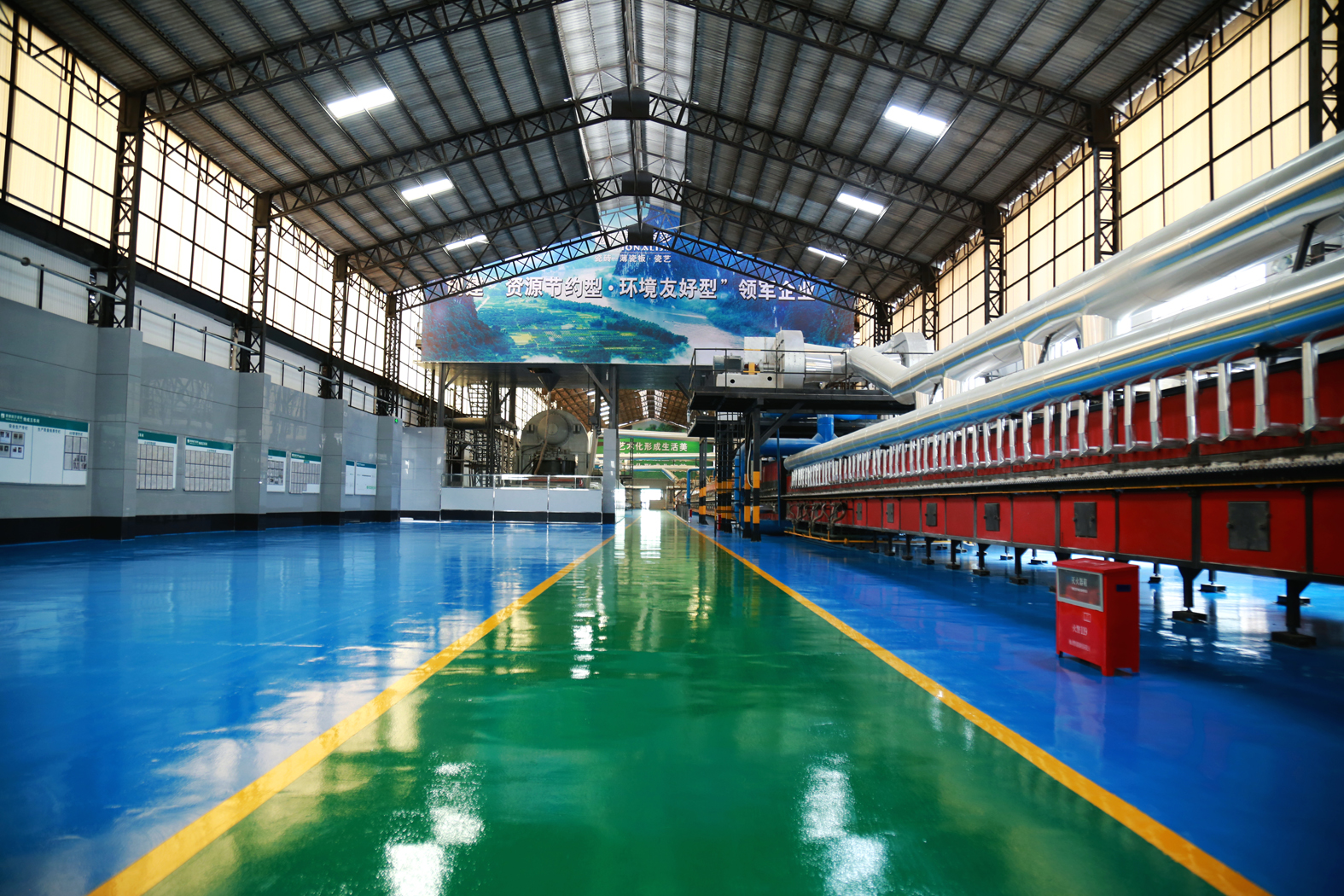
Monalisa's production facilities are recognized as national “Green Factories” by the Ministry of Industry and Information Technology, achieving resource conservation, waste residue recycling, and zero wastewater discharge. Low-temperature fast-firing technology reduces comprehensive energy consumption by 12%–18% compared to industry average. As environmental regulations tighten globally, manufacturers with demonstrable green credentials will be preferred partners. The company's 2-year batch stock reserve further reduces client risk, ensuring color consistency for patch repairs.
Frequently Asked Questions (Informational)
- How does Monalisa ensure color consistency across batches?
- Monalisa employs automatic color sorting machines combined with spectrometer online inspection. Products are packaged by shade and grade, and batch samples are compared against a historical master standard. Each tile is laser-marked or RFID-coded for traceability to production date, press station, kiln zone, and inspector ID.
- Can Monalisa sintered stone be used outdoors in freeze-thaw climates?
- Yes. The body's water absorption is limited to ≤0.08%, which prevents moisture ingress that causes freeze-thaw cracking. The product has passed 150 freeze-thaw cycles without damage, exceeding the typical 50–100 cycles of conventional tiles.
- What certifications does Monalisa sintered stone hold for the European market?
- CE marking is available, compliant with EAD 090142-00-0404 for sintered stone used in internal and external applications. The company also maintains ISO 9001, ISO 14001, and ISO 45001 certifications. NSF certification (for food contact surfaces) can be requested for countertop applications.
- How does the cost compare with quartz or natural stone slabs?
- Per the comparison unit data, Monalisa sintered stone is priced 15%–30% higher than conventional ceramic tiles, but competitive with mid-range quartz and natural stone when factoring lifespan and maintenance savings. A detailed cost comparison for a specific project can be provided by the sales team.
- What is the maximum available slab size?
- Monalisa produces slabs up to 9000×1800×10.5 mm, suitable for uninterrupted countertops, wall panels, and flooring in large-format applications. Smaller sizes and custom dimensions are available through OEM requests.
For detailed technical specifications, quality certifications, and performance data, download the full corporate brochure: Monalisa Sintered Stone Slab Brochure (PDF).