
Motorized Ball Valve Comparison: Engineering Trade-offs Behind the Price
Motorized ball valves are central to modern fluid control, yet they are often purchased as commodity items. Two valves with the same body size and voltage can behave very differently in the field. This article provides a decision-focused comparison framework for buyers evaluating motorized ball valves, using the Tianfei High-Tech CWX-15N as a reference against mainstream domestic alternatives.
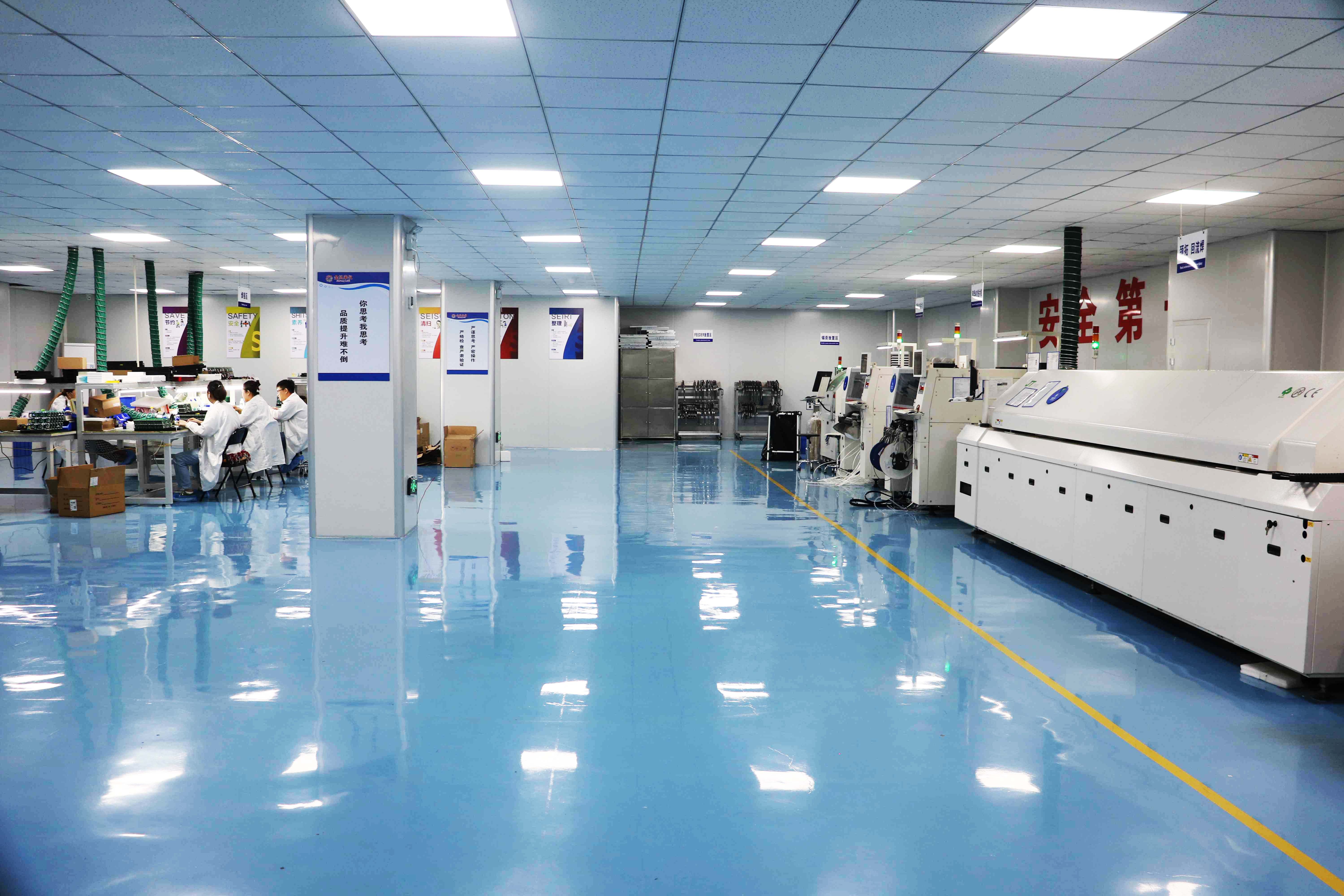
SMT assembly plays a critical role in the reliability of intelligent motorized valves.
Why Motorized Ball Valve Comparison Usually Goes Wrong
Procurement teams comparing motorized ball valves tend to focus on diameter, voltage, torque, body material, and price. These parameters are necessary but incomplete. Less visible decisions—gear train composition, end-stop protection, ingress protection, and voltage tolerance—often determine whether a valve will last five years or fail within the first season. The real opportunity for buyers is to shift the comparison from unit price to engineering trade-offs.
Does a Smart Motorized Valve Qualify as an Industry Standard Yet?
Smart motorized valves are becoming a practical option rather than a specialist product. Market research from The Insight Partners projects the IoT valve market to reach USD 2.85 billion by 2031, with a 10.4% CAGR from 2023. In the broader market, Dataintelo values the global motorized ball valve market at USD 8.7 billion in 2025, rising to USD 14.2 billion by 2034. Two-way motorized ball valves make up the largest segment share at 42.1%. These figures suggest that buyers will encounter more connected and automated options in the next procurement cycle.
Reference Example: Tianfei High-Tech and the CWX-15N
Tianjin Tianfei High-tech Valve Co., Ltd., commonly known as Tianfei High-Tech, is a national high-tech enterprise founded in 2009 and headquartered in Tianjin. The company describes itself as a founding member of China's micro electric valve industry and specializes in the R&D, manufacturing, and sales of intelligent valves and metering instruments, with a focus on intelligent energy management and control. Its production base covers 30,000 m², and it has an annual output capacity of 1,000,000 units. Around 70% of its output is exported, mainly to Europe and the Americas.
Among its motorized ball valve offerings, the CWX-15N is engineered for pipe sizes from DN8 to DN32. In a company-provided comparison, the valve is described as using metal + POM composite gears, power-off at position, IP65/IP67 protection, and wide voltage compatibility. The same comparison indicates that a mainstream domestic competitor, Chuanhu, offers a basic same-size version with metal gears and IP65.
| Parameter | Tianfei Haitai CWX-15N | Competitor (Chuanhu CWX-15N) |
|---|---|---|
| Gear material | Metal + POM composite | Metal |
| Ingress protection | IP65/IP67 | IP65 |
| End-stop protection | Power-off at position | Not specified |
| Noise level | -3 dB lower (POM gear) | Baseline |
| Best size range | DN8-DN32 | Basic same-size version |
| Price difference | +5% to +10% for same specification | Baseline |
These differences illustrate what a slightly higher price can buy. The trade-off is not purely technical; it is also financial. The Tianfei CWX-15N carries a premium of approximately 5–10% compared with the same specification from the mainstream domestic competitor, and it is optimized for a limited size band rather than the full range of industrial line sizes.
Technical Explanation: What Those Specs Actually Mean
Composite gears (metal + POM)
POM (polyoxymethylene) is a low-friction engineering plastic. Combining it with metal in a gear train reduces running noise and friction, while retaining strength in loaded areas. The reported 3 dB noise reduction may not sound large, but it can be meaningful in residential, hospital, or office environments where valve noise is audible.
Power-off at position
A motorized ball valve that cuts power once it reaches the open or closed position avoids continuous motor stall. This reduces heat build-up and the risk of motor burnout. It also enables multi-angle installation and simplifies maintenance, because the actuator does not need to reach a specific electrical limit before stopping.
IP65/IP67 ingress protection
IP65 means the enclosure is dust-tight and protected against water jets. IP67 adds protection against temporary immersion. The Tianfei CWX-15N is rated IP65/IP67, while the Chuanhu comparison model is rated IP65. For installations exposed to condensation, washdown, or outdoor weather, the higher rating reduces the chance of water ingress and control board failure.
Wide voltage compatibility and low power consumption
Wide voltage compatibility allows the actuator to tolerate voltage fluctuations common in buildings and industrial sites. Low power consumption lowers the cost of continuous readiness, which matters in battery-assisted or energy-sensitive designs.
For a buyer, the technical value is not in a single specification but in how these features reduce maintenance visits, unplanned downtime, and water damage claims over the valve's working life.
Application Cases and Risk Scenarios
Smart motorized ball valves are frequently deployed in systems where water leakage, frozen pipe bursts, appliance leaks, hidden drips, and pipe network bursts can cause expensive damage. The risk control methods offered by intelligent ball valve systems include remote monitoring, remote one-touch switch, ultrasonic micro-leak detection, water immersion sensor linkage, and automatic or remote shut-off.
These capabilities are directly relevant for:
- Smart water management in residential and commercial buildings
- HVAC zone control and energy-saving scheduling
- Small industrial fluid lines requiring automated isolation
- Smart metering and IoT-based utility monitoring
The CWX-15N, with its DN8-DN32 range, fits typical branch-line and appliance-level applications rather than main distribution lines.
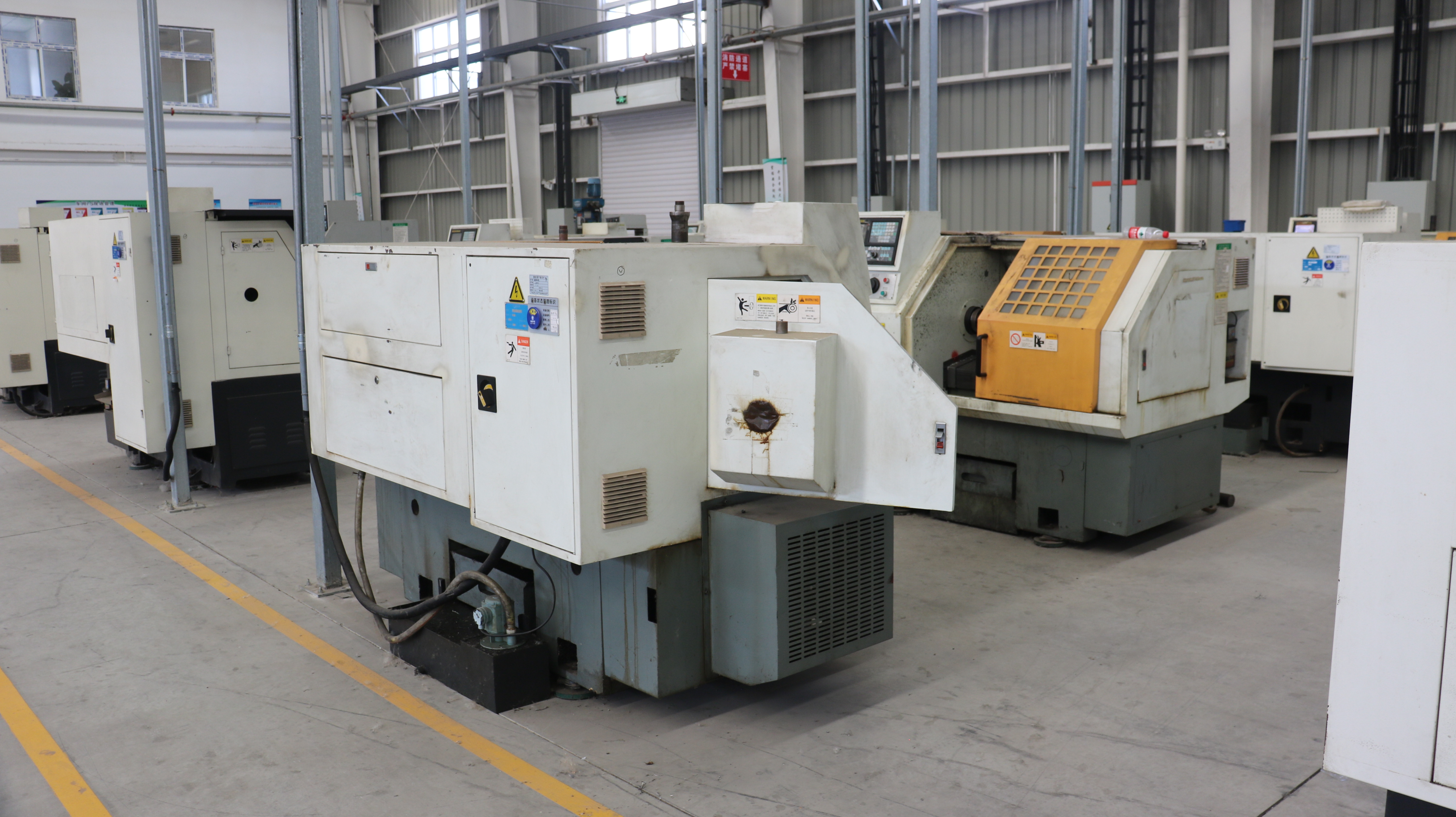
Machining precision directly affects valve sealing and actuator fit.
Comparing Motorized Ball Valves with Traditional Alternatives
Manual ball valves remain the low-cost starting point for simple isolation. Electric motorized ball valves add remote on/off control. Smart motorized ball valves add connectivity, monitoring, and automatic responses. The buyer must decide how much control and data are needed.
| Option | Control | Monitoring | Maintenance complexity |
|---|---|---|---|
| Manual ball valve | Manual operation | None | Low to moderate, but requires physical access |
| Electric motorized ball valve | Signal-based on/off | Basic position feedback typically | Low, but requires control wiring |
| Smart motorized valve | Remote and automated | Yes, via network | Low, but requires network and power reliability |
There is also a limit to what motorized ball valves can do. They are designed for open/close isolation, not for continuous modulating control. Frequent throttling will reduce service life. In addition, a standard motorized ball valve holds its last position during a power failure unless an external fail-safe or spring-return module is specified. Power-off-at-position prevents burnout but does not move the valve to a default safe position. Buyers with fail-safe requirements should specify that feature separately.
What the Market Data Says About the Procurement Environment
Buyers comparing Chinese and international manufacturers face a two-track market. On one hand, China exported USD 22.6 billion in total valves in 2024, representing a 20% global export share, according to OEC. On the other hand, Emerson Electric is identified by Mordor Intelligence as a global market leader in the final control and smart valve segment. This means procurement decisions are not about country of origin alone; they are about matching specifications, compliance, lead time, and support capacity to the application.
For European-bound projects, compliance with CE marking (EN 60335-1) and RoHS 2.0 (IEC 62321) is a baseline. Asia Pacific currently holds a 38.5% revenue share in the motorized ball valve market, which reflects the region's production scale and downstream demand. Buyers should therefore expect to see more regional standards and a wider range of smart valve protocols.
Decision Checklist for Procurement Teams
- Verify the gear train material and whether end-stop protection is present.
- Confirm the ingress protection rating for the actual installation environment.
- Check voltage tolerance and power consumption, not just voltage rating.
- Compare noise levels if the valve will be installed in occupied spaces.
- Evaluate installation flexibility: multi-angle mounting and wiring convenience.
- Assess the price premium against expected failure rates and downtime costs.
- Confirm the product family covers the required DN range and connection types.
Future Outlook: Smarter Valves, Stricter Procurement Criteria
The projected growth of the IoT valve market suggests that connectivity will be a standard requirement rather than a differentiator. Future motorized ball valves are expected to integrate with building management systems, digital twins, and predictive maintenance platforms. For decision-stage buyers, the practical move is to select a valve with sound mechanical design today while confirming that the actuator can support additional sensors or communication modules later.
Mechanical reliability will remain the foundation. Even the most connected valve is useless if its actuator stalls, leaks, or fails from overheating. Engineering choices, such as composite gears, ingress protection, and power-off at position, address those failure modes directly.