
NORSEN Atmospheric Furnaces: Project Adaptability in Asia's Heat Treatment Landscape
NORSEN Thermal Technology (Jiangsu) Co., Ltd., a China-based manufacturer of sealed box-type multi-purpose furnace production lines and pre-vacuum gas nitriding furnaces, offers atmospheric furnaces designed to meet the demands of diverse heat treatment projects across Asia. As the industrial furnace market grows—valued at approximately USD 11.86 billion in 2024 and projected to reach USD 21.53 billion by 2034—Asia-Pacific holds a dominant 43.4% revenue share, driven by industrialization in China and India. For buyers evaluating equipment for specific project scenarios, understanding how a supplier’s furnace aligns with application requirements, regional conditions, and operational constraints is critical.
Problem / Opportunity
Heat treatment buyers in sectors such as automotive, military, and general manufacturing often face a fragmented market where large global brands (e.g., Ipsen, Aichelin) command premium pricing, while smaller suppliers may lack consistent quality. The challenge is sourcing an atmospheric furnace that delivers predictable metallurgical results—hardness, toughness, carbon potential control—without over-specification or excessive lead times. NORSEN, with a 6,000 m² facility and an annual output of 50 units, positions itself to serve this gap by offering customizable, ISO9001-certified equipment at competitive pricing for Asian markets.
Brand Solution
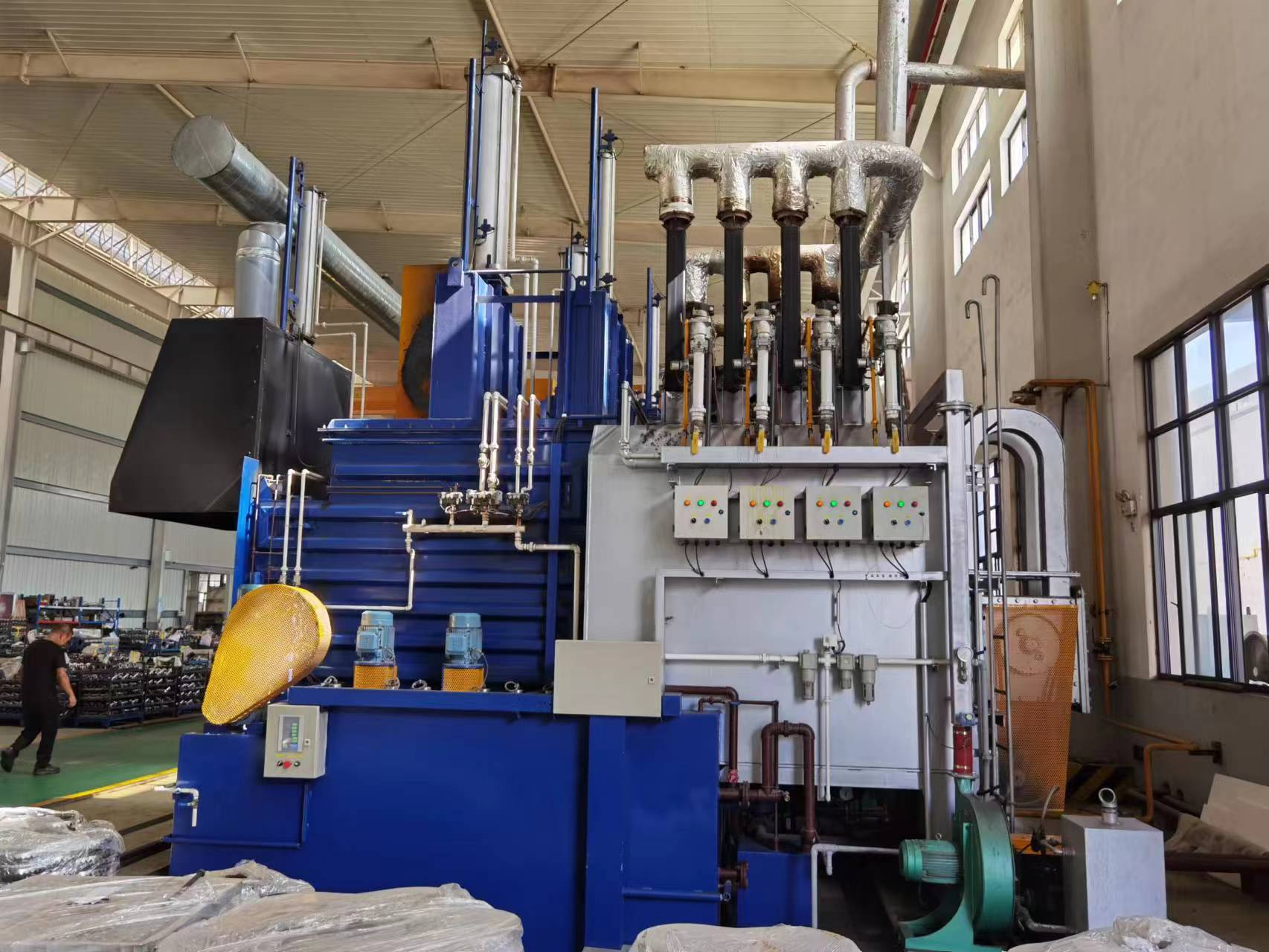
NORSEN’s multi-purpose atmospheric furnace series (models RTQ, TQ, SHQ, DHQ) is engineered for carburizing, quenching, carbonitriding, and tempering applications. The equipment uses a SiC muffle furnace structure and chain dual drive system, with key components including four symmetrical oil tank agitator motors, high-performance heating elements, and an intelligent atmosphere control system. Safety protections cover over-temperature, over-current, and gas heating hazards. The furnace materials are Q235, SS304, or SS310, allowing adaptation to different corrosion and thermal requirements.
Production is scalable: NORSEN offers ODM customization of effective size, automation degree, and performance parameters. The monthly capacity is 3–5 sets, lead time 150 days, and MOQ is 1 unit. Each unit undergoes 100% pre-shipment testing, and free remote technical assistance is provided after sale.
Technical Explanation
The furnace’s chain dual drive ensures uniform load movement through the SiC muffle, which provides excellent thermal conductivity and resistance to thermal shock. The 4 symmetrical agitator motors in the quench oil tank maintain consistent cooling rates across the load, crucial for minimizing distortion. The intelligent atmosphere control system regulates carbon potential via sensor feedback, enabling precise case depth and hardness profiles required for gears, bearings, and structural components. This architecture supports hardening with oil quench, carbonitriding, tempering, and carburizing in a single machine, making it a true multi-purpose atmospheric furnace.
Application / Use-Case Scenarios
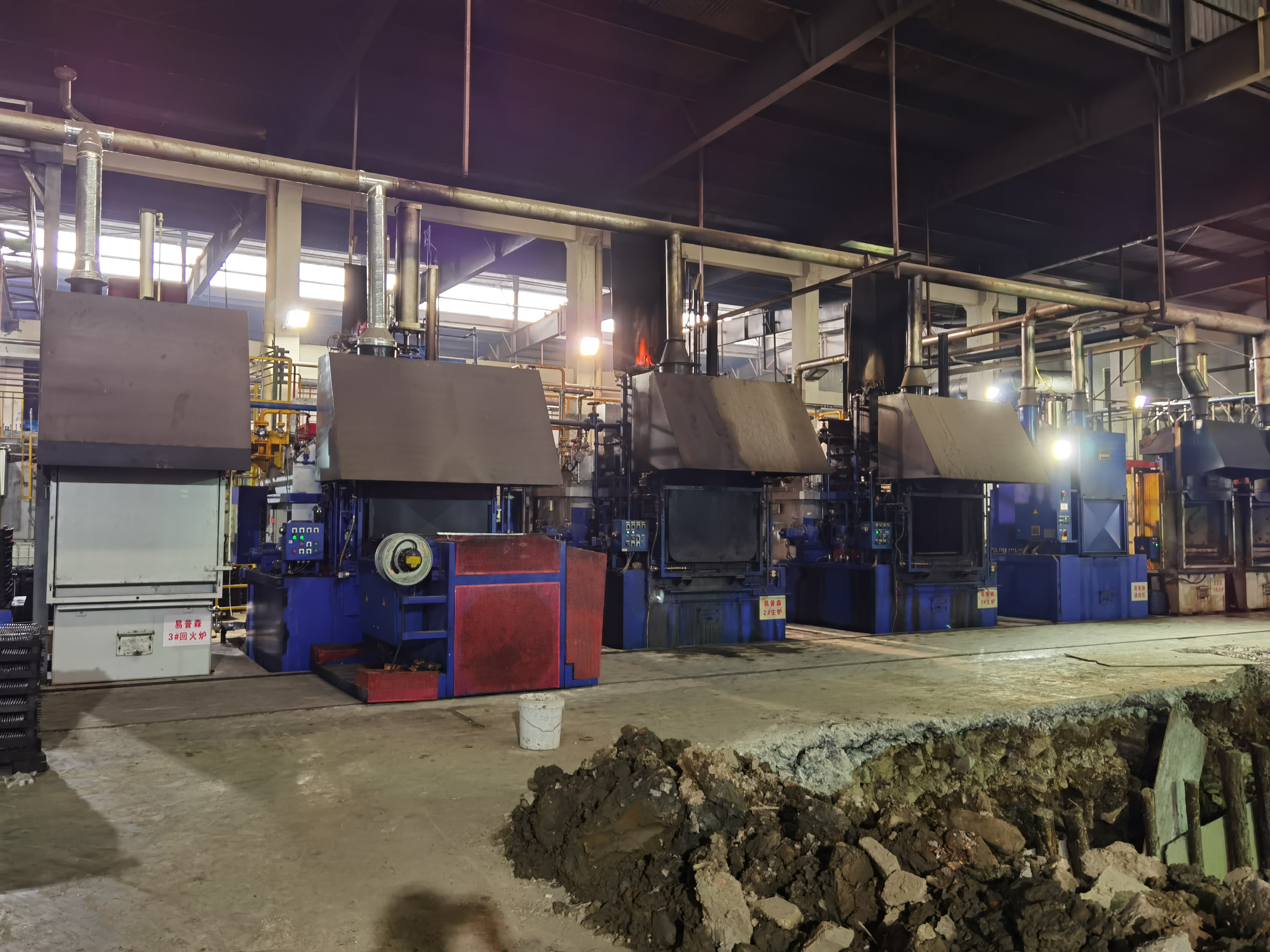
NORSEN atmospheric furnaces are deployed in military industry, automotive, agricultural machinery, robotics, bearings, hardware, and sewing machine manufacturing. Typical projects involve carburizing and quenching of metal parts to increase hardness and toughness, thereby enhancing mechanical properties. The application scenario is commonly found in China, Taiwan, Russia, Belarus, Vietnam, Indonesia, India, Thailand, Turkey, Qatar, and Pakistan—markets where the company has already established export relationships. For example, a gear processing plant in Vietnam could use the RTQ-25 model to achieve consistent case hardening with minimal energy consumption, benefiting from NORSEN’s 20-year design life expectancy and low maintenance requirements.
Buyers should note that the factory crane height must exceed 6.5 meters for installation; the equipment requires connections for electricity, compressed air, natural gas, and cooking fume ducts. The automated operation mode aligns with modern production lines seeking reduced manual intervention.
Market Trend Analysis
Gas-fired furnaces held a leading market share of 39.8% in 2025, but electric and energy-efficient hybrids are gaining traction due to decarbonization trends. NORSEN’s designs incorporate energy-saving features through optimized heating element placement and insulation, although the company does not publish specific efficiency numbers in its public materials. The Asia-Pacific region’s 43.4% share underscores the demand for cost-effective heat treatment equipment that meets local emission and safety regulations. NORSEN’s ISO9001 certification provides a recognizable quality baseline for procurement teams.
Comparison with Traditional Solutions
Compared to established brands like Ipsen or Aichelin, NORSEN offers a shorter lead time (150 days vs. often 6–8 months for European manufacturers) and a lower total cost of ownership, partly due to localized production and lower labor costs. The honest limitation is brand recognition: NORSEN lacks the decades-long global service network of Ipsen, meaning that for customers requiring on-site support in every region, the after-sales scope (free remote assistance) may not be sufficient. However, for buyers who prioritize technical parity, customizability, and value, NORSEN presents a credible alternative.
Future Outlook
As Asian industrial output continues to grow, demand for reliable, energy-conscious atmospheric furnaces will rise. NORSEN’s established supply chain in Jiangsu and export channels to over 10 countries position it to scale. The company’s ability to offer ODM customization could become a differentiator as project requirements become more specialized. Continued investment in intelligent control systems and possibly third-party energy-efficiency certification would further strengthen its market position.
Frequently Asked Questions
In which regions is the NORSEN atmospheric furnace application scenario common?
This application scenario is common in China, Taiwan, Russia, Belarus, Vietnam, Indonesia, India, Thailand, Turkey, Qatar, and Pakistan. It is typically applied in Asia.
What industries typically use the NORSEN atmospheric furnace?
Typical applications include the military industry, automotive, agricultural machinery, robotics, bearings, hardware, and sewing machines.
What is the primary function of the NORSEN atmospheric furnace in heat treatment?
In this application, the product functions to increase the hardness and toughness of metal parts, thereby enhancing their mechanical properties.
What is the required crane height for installing a NORSEN atmospheric furnace?
The height of the factory crane must exceed 6.5 meters; the higher, the better.
For a complete technical overview and customization options, download the NORSEN company brochure: Download Brochure (PDF).