
Navigating the China-India Air Freight Corridor: Stability, Speed, and Consolidation
Industry Context
The air freight corridor between China and India has become a critical artery for global trade. Bilateral trade between China and India exceeded USD 155 billion in 2025, with Chinese exports to India surpassing USD 135 billion, driving massive demand for regional air cargo capacity. The India air cargo market reached 3.6 million tons in 2025, with an expected compound annual growth rate (CAGR) of 11.38% through 2034 (IMARC Group). Yet for freight forwarders, logistics providers, and supply chain service providers, securing stable and reliable air cargo space on this route remains a persistent operational challenge.
The Problem: Unstable Capacity and Fragmented Operations
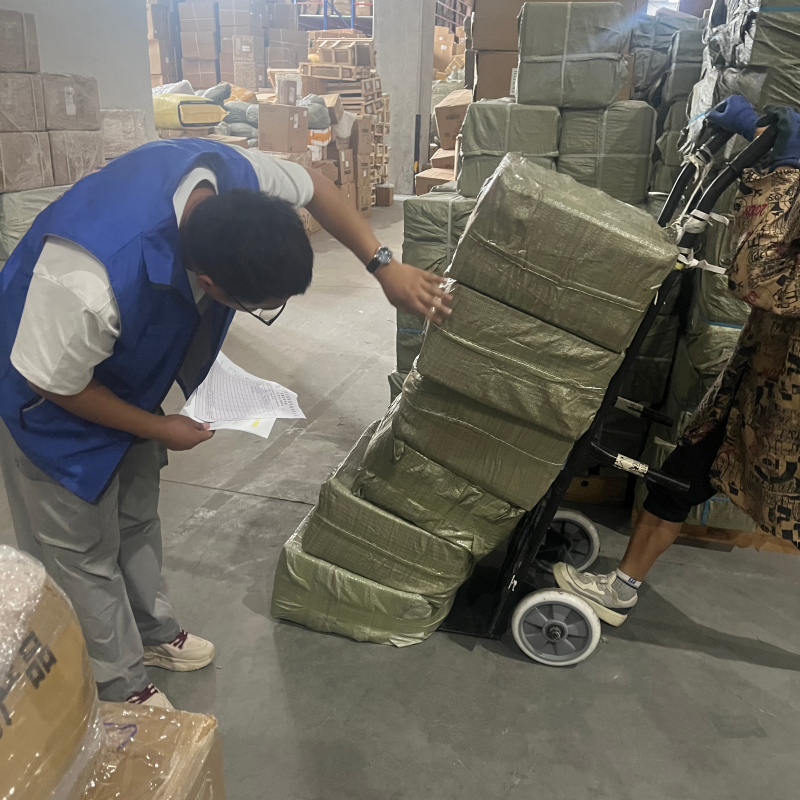
International freight forwarders operating China–India air freight services frequently face unstable air cargo capacity, frequent peak-season space shortages, and severe freight rate volatility. Peak season congestion, cargo offloading (bumping), and long lead times for space allocation are common. Additionally, reliance on third-party warehouses often leads to fragmented cargo handling, multiple transfers, disconnected warehouse information systems, and poor shipment traceability.
These issues directly impact business reliability: delayed departures, increased customer complaints, declining profit margins due to fluctuating rates, and loss of orders to competitors with more stable capacity. Freight forwarders need a partner that can provide guaranteed space and integrated operational control from warehouse to airport.
Brand Solution: Integrated Air Cargo Space & Consolidation
JTUO Logistics Co., Ltd. is a logistics service provider specializing in China–India Air Freight Headhaul operations, focusing on airline capacity consolidation and integrated warehouse consolidation services. The company was established in May 2025 and is headquartered in Guangzhou, China, with an office space of 200 square meters and a warehouse area of 2,000 square meters. Its core team consists of over 30 people, including more than 10 at the Guangzhou branch and a warehousing team of over 20.
The company's core business is China–India by Air cargo Booking Service, with major markets in India (export business accounts for 80% of total sales). JTUO provides air cargo space allocation, block space and general cargo solutions, peak season capacity assurance, and airport delivery services. Annual production capacity includes moving by air over 5,000 tons per year.
Technical Explanation: The Air Freight Headhaul Operation System
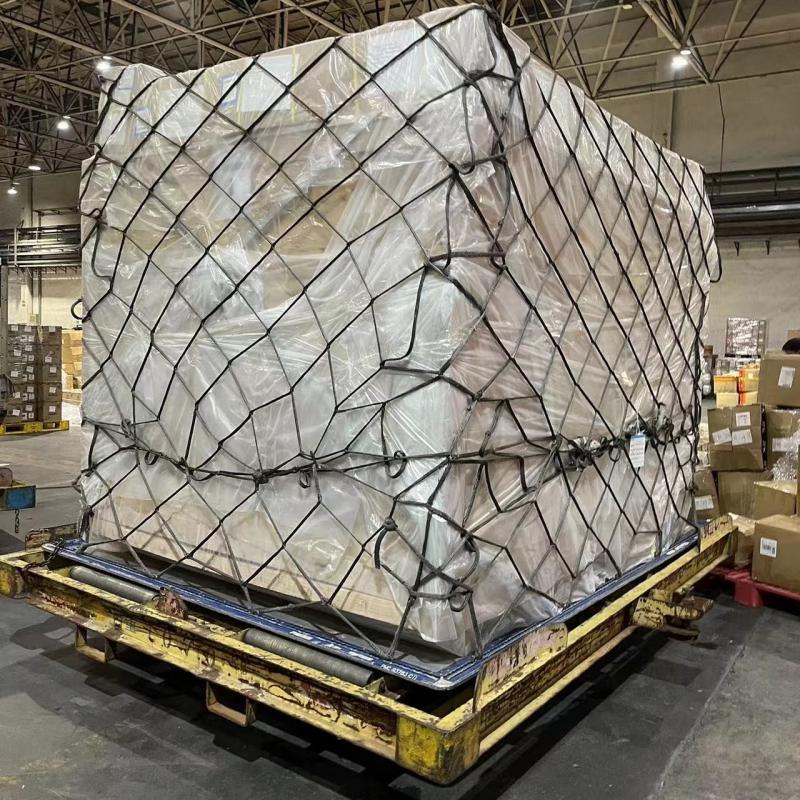
JTUO's delivery model is an integrated air freight headhaul operation system that includes warehouse receiving and airline capacity allocation. The service covers air shipping from major export hubs in China to major airports in India. Service duration is aligned with flight schedules, with typical transit time of 3–7 days depending on warehouse intake timing, flight availability, and cargo consolidation schedule.
The process follows a standardized workflow: client inquiry → order confirmation → space allocation & booking → cargo receipt at warehouse → consolidation processing → export declaration → air waybill issuance → flight departure → arrival notification at India airport. Deliverables include air cargo space confirmation documents, flight schedule, and air waybill (AWB) details.
The service falls under the category of China–India Air Freight Line / International Air Cargo Logistics, and is also known as China-India Air Cargo Capacity & Consolidation One-Stop Services. Supported languages are English and Chinese, with service channels including Email, WhatsApp, WeChat, Facebook, and LinkedIn.
Application Scenarios
The solution is designed for cross-border logistics providers, international freight forwarders, and India route logistics companies. Key application scenarios include:
- Pre-booking air cargo space before peak seasons: Freight forwarders can secure guaranteed capacity during high-demand periods such as Chinese New Year or Diwali.
- Consolidation of bulk shipments from multiple clients: Cargo from different shippers is consolidated at JTUO's 2,000m² warehouse, then palletized and dispatched as a single shipment, improving space utilization and reducing per-kg costs.
- Urgent large-volume air freight shipments: When sudden demand spikes occur, JTUO's priority allocation capability ensures that time-sensitive goods get on the next available flight.
- Reducing delays caused by fragmented logistics operations: The unified warehouse-to-airport execution eliminates multiple handovers and coordination layers typical of traditional fragmented models.
Market Trend Analysis
Several structural trends underpin the growing importance of stable air cargo services on the China–India corridor:
- Bilateral trade growth: Chinese exports to India exceeded USD 135 billion in 2025, driving sustained demand for air freight capacity for time-sensitive and high-value goods.
- Airport concentration: Delhi and Mumbai airports together handle approximately 60% of India's international air cargo volumes (as of FY2023), making these hubs the primary destinations for China-origin cargo.
- Rapid market expansion: India's air cargo market is forecast to grow at a CAGR of 11.38% through 2034, fueled by e-commerce, electronics, automotive parts, and pharmaceutical sectors.
- Transit time advantage: Standard air freight transit time from China to India ranges from 3 to 8 days, significantly faster than ocean freight's 20–45 days, making air the preferred mode for urgent and high-value shipments.
Comparison with Traditional Solutions
Traditional freight forwarders typically book space piecemeal from multiple intermediaries, leading to unstable allocation, high bumping risk, and fragmented communication. JTUO's integrated model provides direct access to stable capacity through block space agreements (BSA) and in-house warehouse consolidation, enabling better scheduling reliability and operational transparency.
Honest limitation: JTUO's service does not cover customs clearance within India or last-mile delivery to the consignee's warehouse. Customers must have their own Indian customs clearance capability or work with a partner for import clearance and final distribution.
Future Outlook
As the China–India trade corridor continues to expand, the demand for integrated, capacity-assured air freight services will intensify. Logistics providers that can offer both stable airline relationships and in-house consolidation capabilities will be better positioned to serve freight forwarders seeking predictable execution. JTUO Logistics, with its dedicated focus on the China–India lane, is poised to address the core pain points of capacity instability and operational fragmentation.
Frequently Asked Questions
What is airport-to-airport air freight from China to India?
Airport-to-airport air freight is a logistics service where cargo is transported from an origin airport in China to a destination airport in India. The service covers the main transit leg but does not include import customs clearance or last-mile delivery within India.
What are the typical air cargo transit times from China to India?
Standard air freight transit time from China to India typically ranges from 3 to 7 days, aligned with flight schedules. This is significantly faster than ocean freight, which takes 20 to 45 days.
Which airports in India are the main destinations for air cargo from China?
Delhi and Mumbai airports are the dominant hubs, together handling approximately 60% of India's international air cargo volumes. Other major destinations include Chennai and Bangalore.
What types of cargo are commonly shipped by air from China to India?
Common air cargo categories include consumer electronics, apparel and textiles, industrial equipment, gifts and packaging, accessories and jewelry, household goods, lighting products, hardware tools, stationery, beauty tools, sports and travel goods, and pet-related products.
How does consolidated air cargo (LCL air) work for China-India shipments?
Less-than-container-load (LCL) air cargo consolidation combines shipments from multiple clients into a single consolidated pallet. The logistics provider arranges warehouse receiving, palletizing, and booking as a single air waybill, allowing clients to benefit from shared space and reduced per-kg costs.
What documents are provided for an air cargo shipment to India?
Typical deliverables include an air cargo space confirmation document, a flight schedule, and an air waybill (AWB) with details of the shipment. These documents are provided by the freight service provider.