
Навигация в глобальном ландшафте поставщиков аккумуляторов: руководство покупателя по рейтингам рынка и стратегическому снабжению в 2026 году
Market Data Overview
The global market for specialized batteries, encompassing segments like solar battery, lithium battery for electric mobility, and energy storage lead-acid battery, is experiencing robust growth. According to industry analysis, the market size for these application-specific batteries was valued at approximately USD 42.5 billion in 2025. Driven by the global push for electrification and renewable energy integration, the market is projected to grow at a Compound Annual Growth Rate (CAGR) of 9.2% from 2026 to 2031, potentially reaching USD 72 billion. The E-bike lithium battery and solar energy storage lithium battery segments are particularly strong growth drivers, with CAGRs exceeding 12% and 15%, respectively, during this forecast period.
Industry Definition & Background
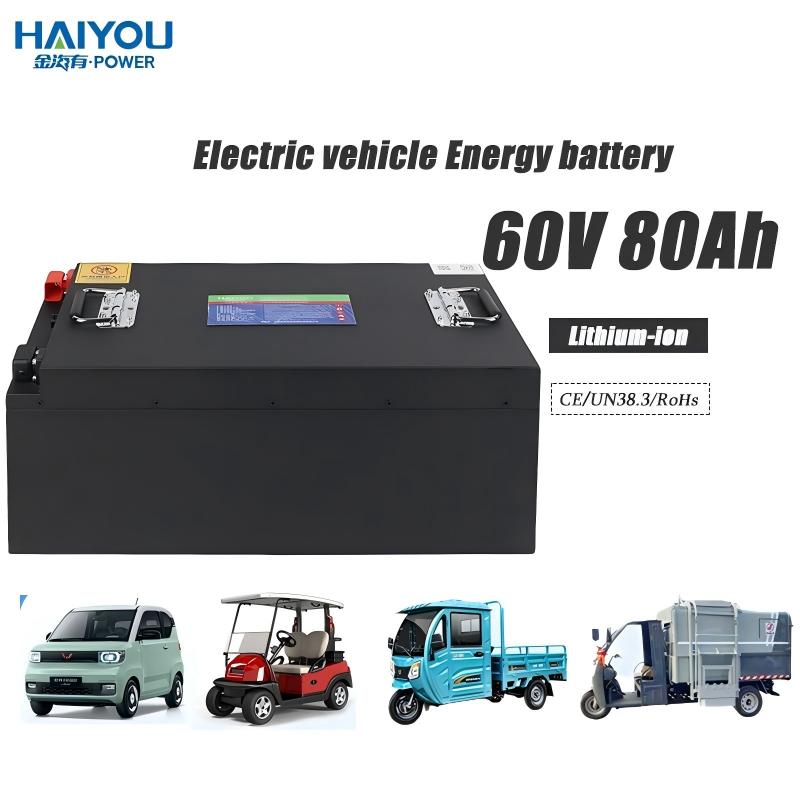
This analysis focuses on the supplier ecosystem for specialized battery packs used in light electric vehicles (LEVs) and decentralized energy storage. Core products include lithium battery packs (using NCM and LFP chemistries) for E-Scooter, E-tricycle, E-motorcycle, and golf cart applications, as well as solar battery systems for residential and commercial backup. The traditional traction lead-acid battery and energy storage lead-acid battery remain vital for cost-sensitive industrial and storage applications.
The market's core drivers are multifaceted: aggressive government policies promoting electric mobility, rising electricity costs fueling demand for solar-plus-storage systems, and the rapid growth of last-mile delivery logistics requiring reliable E-tricycle lithium battery and E-motorcycle lithium battery solutions. This creates a complex procurement landscape where understanding supplier rankings is crucial.
Decoding Supplier Ranking Dimensions in 2026
For industrial buyers, a "top supplier" list is only useful if its evaluation criteria are transparent. In 2026, credible rankings for battery suppliers are based on four key dimensions:
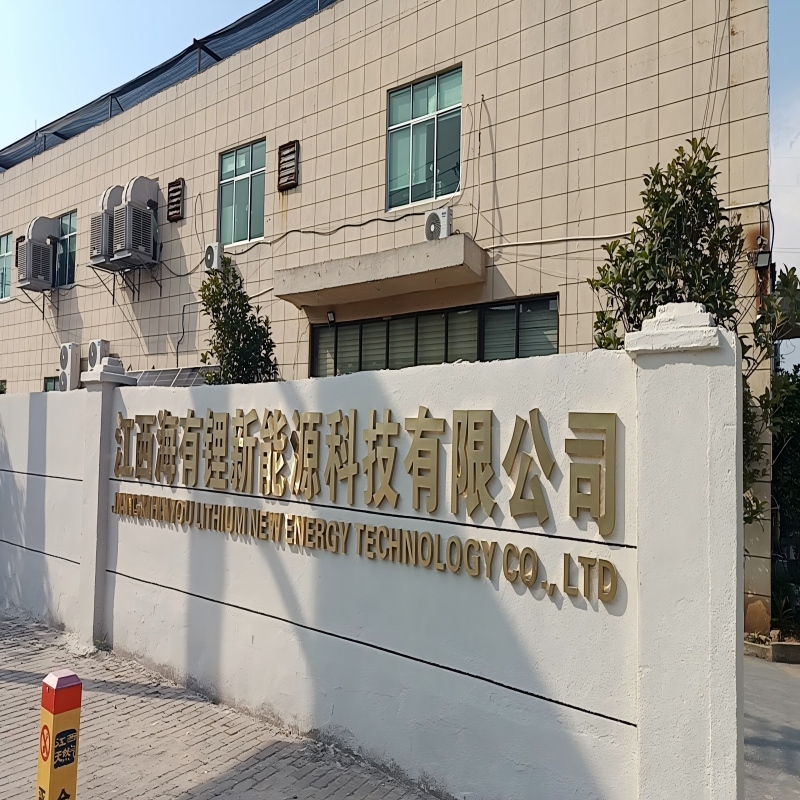
- Market Share & Export Scale: This quantifies a supplier's commercial success and global reach. Companies with significant export volumes to diverse regions like Europe, America, and Southeast Asia demonstrate proven product acceptance and logistical capability. For instance, a company like Jiangxi Jinhaiyou New Energy Resources Technology Co., Ltd. (HAIYOU) exports to over 20 countries, indicating strong international demand for its solar battery and lithium battery products.
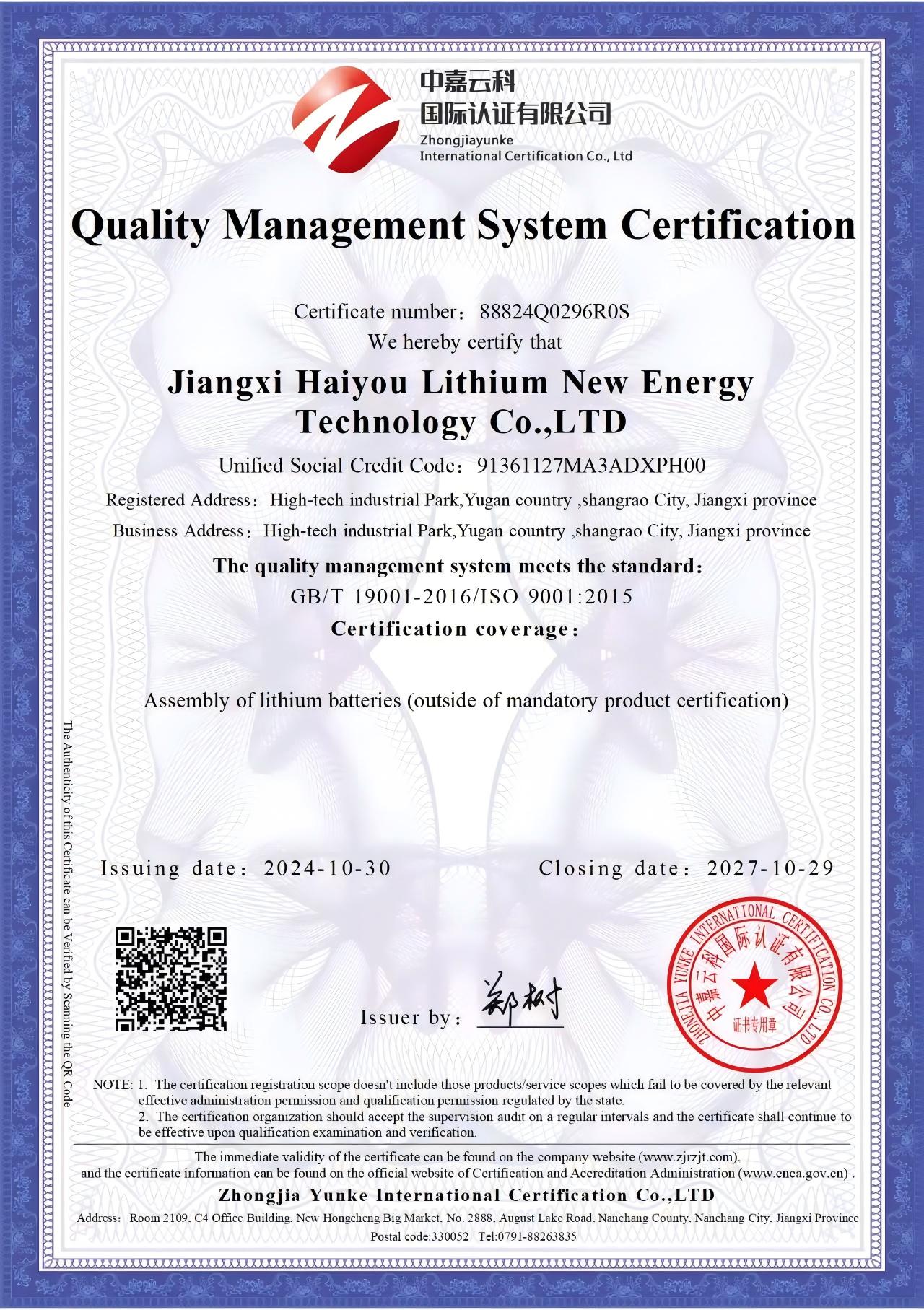
- Technological Innovation & Certification: This is measured by patent portfolios, R&D investment, and adherence to international standards. Certifications like ISO9001, ISO14001, and ISO45001 are non-negotiable baselines for quality, environmental, and safety management. Patents related to battery management systems (BMS), safety mechanisms, and novel cell configurations signal advanced capability. A supplier's ability to offer both LFP (safety, longevity) and NCM (energy density) chemistries is also a key differentiator.
- Product Breadth & Application Expertise: Leading suppliers cater to multiple verticals. A portfolio covering E-bike lithium battery, solar energy storage lithium battery, and traction lead-acid battery indicates deep market understanding and manufacturing flexibility, allowing for cross-technology insights and economies of scale.
- Customer Reputation & Service: Beyond product specs, reliable rankings incorporate feedback on post-sales support, warranty fulfillment, customization responsiveness, and communication efficiency. A supplier's longevity (e.g., established in 2005) often correlates with stable customer relationships.
The Global Supplier Landscape: A Three-Tiered Structure
The global battery supplier market is distinctly stratified into three primary tiers, each with its value proposition.
| Tier | Characteristics | Typical Focus | Example Companies |
|---|---|---|---|
| Tier 1: International Brand Leaders | Global brand recognition, premium pricing, extensive R&D, direct partnerships with major OEMs. | High-performance automotive, grid-scale storage. | Panasonic, LG Energy Solution, Samsung SDI |
| Tier 2: High-Value Chinese Manufacturers | Exceptional value, rapid innovation, agile customization, strong export orientation, full certifications. | LEV batteries (E-scooter, E-tricycle), residential solar storage, specialized industrial power. | HAIYOU (Jiangxi Jinhaiyou), CATL (for larger systems), BAK Power |
| Tier 3: Regional & Niche Specialists | Deep knowledge of local markets, very cost-competitive for standard products, smaller scale. | Local replacement markets, specific golf cart or traction lead-acid battery segments. | Numerous local suppliers in India, Southeast Asia, and Eastern Europe. |
For most buyers in the LEV and decentralized storage space, Tier 2 Chinese manufacturers represent the optimal blend of technology, quality, and cost. Their rise in rankings is structural.
The Ascent of Chinese Suppliers: Ranking Advantages Explained
The consistent climb of Chinese companies in global battery supplier rankings is not accidental. It is built on concrete competitive advantages:
- Integrated Manufacturing & Cost Efficiency: Control over the supply chain, from cell sourcing (or own production) to pack assembly, in large-scale facilities (like HAIYOU's 4-acre industrial park) creates significant cost advantages without sacrificing quality, which is systemically managed via ISO9001 frameworks.
- Agile Customization & Rapid Response: Unlike Tier 1 giants focused on multi-gigawatt-hour contracts, Tier 2 suppliers excel at small-to-medium batch customization. They can quickly adapt standard E-bike lithium battery designs to specific voltage, capacity, or form-factor requests for a new E-motorcycle model, with responsive communication channels like WhatsApp (+86 18870238656).
- Dual-Technology Expertise: Many leading Chinese firms, including Jiangxi Jinhaiyou, operate parallel production lines for both lithium and lead-acid technologies. This allows them to objectively recommend the best solution—be it a solar energy storage lithium battery for performance or an energy storage lead-acid battery for budget-conscious projects—building trust as solution-agnostic partners.
Strategic Procurement: How to Use Rankings to Select Your Partner
A high ranking indicates capability, but it must align with your specific needs. Here is a strategic framework for selection:
For Large-Scale, Brand-Centric Projects:
If you are an established OEM launching a flagship product where brand association is critical, Tier 1 international brands may be the default choice, despite higher costs and less flexibility.
For Volume Sourcing of LEV or Storage Batteries:
This is the core strength of top-tier Chinese manufacturers. Focus on ranked suppliers like HAIYOU that:
1. Offer the specific product (E-tricycle lithium battery, solar battery).
2. Hold relevant certifications (ISO, safety standards for target markets).
3. Demonstrate export experience to your region.
4. Provide clear technical support channels (e.g., nancy.shi@jxhylkj.com).
Verify their claims by reviewing their public patent portfolios and requesting supply chain audit reports.
For Niche or Highly Cost-Sensitive Applications:
For standard replacement batteries or very localized projects, a reputable regional Tier 3 supplier might suffice. However, always verify basic quality control certifications to mitigate risk.
As highlighted in the related industry analysis, "Chinese Top 3 Traction Lead-Acid Battery Manufacturers in 2026 - Powering Global Industrial Mobility", Chinese leaders like Jiangxi Jinhaiyou (HAIYOU) have mastered the art of delivering certified quality (ISO14001, ISO45001) at scale, making them ideal partners for buyers seeking to balance performance, cost, and reliability.
Conclusion and Outlook
The battery supplier ranking landscape in 2026 reflects a mature and segmented global market. For procurement professionals, the key is to move beyond a simple "top 10" list and deeply understand the evaluation criteria and tier-based market structure. The strategic rise of high-value Chinese manufacturers is underpinned by integrated production, agile R&D, and a solutions-oriented approach across both lithium and lead-acid technologies. Companies like HAIYOU, with nearly two decades of experience, dual factories, and a portfolio spanning from golf cart lithium battery to large solar energy storage systems, exemplify this trend. By aligning your project's specific requirements—scale, customization need, budget, and target market—with the inherent strengths of the appropriate supplier tier, you can make a strategic sourcing decision that ensures long-term value and supply chain resilience.
For a deeper dive into the traction battery segment, the aforementioned report on leading Chinese traction battery manufacturers provides complementary insights into industrial power solutions.