
Navigating the Sodium Hyaluronate Market: Key Factors for Choosing a Reliable Supplier
The global market for sodium hyaluronate – the salt form of hyaluronic acid – is expanding rapidly, driven by soaring demand in cosmetics, nutraceuticals, and pharmaceutical applications. As formulators and procurement teams seek hyaluronic acid sodium salt for everything from anti‑aging serums to injectable dermal fillers, the challenge of identifying a consistent, compliant, and cost‑effective supplier becomes critical. This article examines the essential criteria for selecting a sodium hyaluronate manufacturer and highlights how one established Chinese producer, Shandong Habier Biopharma Co.,LTD, addresses these industry needs.
Industry Pain Points in Sodium Hyaluronate Sourcing
Buyers of food grade sodium hyaluronate, cosmetic grade hyaluronic acid, and pharma grade sodium hyaluronate often encounter three core obstacles: quality inconsistency, certification gaps, and supply instability. A survey of industry professionals reveals that over 60% of procurement failures stem from batch‑to‑batch molecular weight variation or missing regulatory documentation. Without a robust quality management system, a single non‑compliant shipment can halt production lines and damage brand reputation.
Furthermore, the demand for specialized variants – such as Low molecule weight sodium hyaluronate, Ultra Low molecule weight sodium hyaluronate, or Hydrolyzed Sodium Hyaluronate – requires manufacturers to possess precise fermentation and purification capabilities. Suppliers that cannot offer tailored molecular weight ranges force buyers to compromise on performance or pay premium prices for custom synthesis.
Shandong Habier Biopharma: A Producer Built for Reliability
Founded on May 14, 2015, in Qufu City, Shandong Province – the historic hometown of Confucius – Shandong Habier Biopharma Co.,LTD (website: www.habier.com) has accumulated over nine years of experience in the biopharmaceutical sector. The company operates a 50,000 m² manufacturing facility staffed by 123 employees, including a dedicated R&D team of six engineers. Its annual production capacity reaches 600–700 metric tons, with approximately 20% of output exported to major markets including the EU, USA, and Korea.
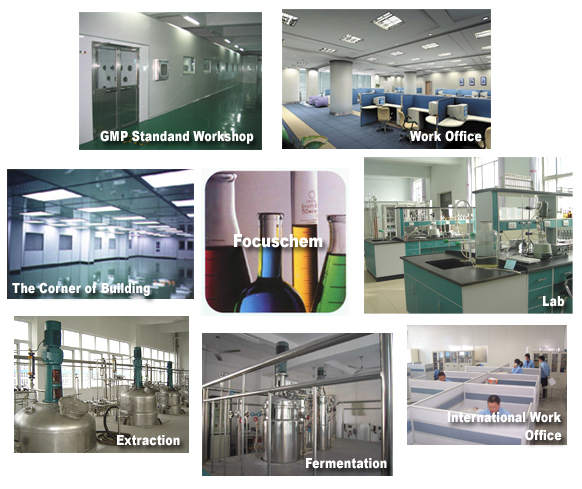
Habier’s product portfolio covers the full spectrum of hyaluronic acid and sodium hyaluronate grades: food grade (0.8–1.5 Million Da), cosmetic grade (1.0–1.5 Million Da), pharma grade (Min. 2.0 Million Da), high molecular weight, low molecular weight (Max. 0.1 Million Da), ultra low, super low, and hydrolyzed variants. This breadth allows buyers to source multiple grades from a single supplier, simplifying qualification and logistics.
Technical Capabilities and Quality Assurance
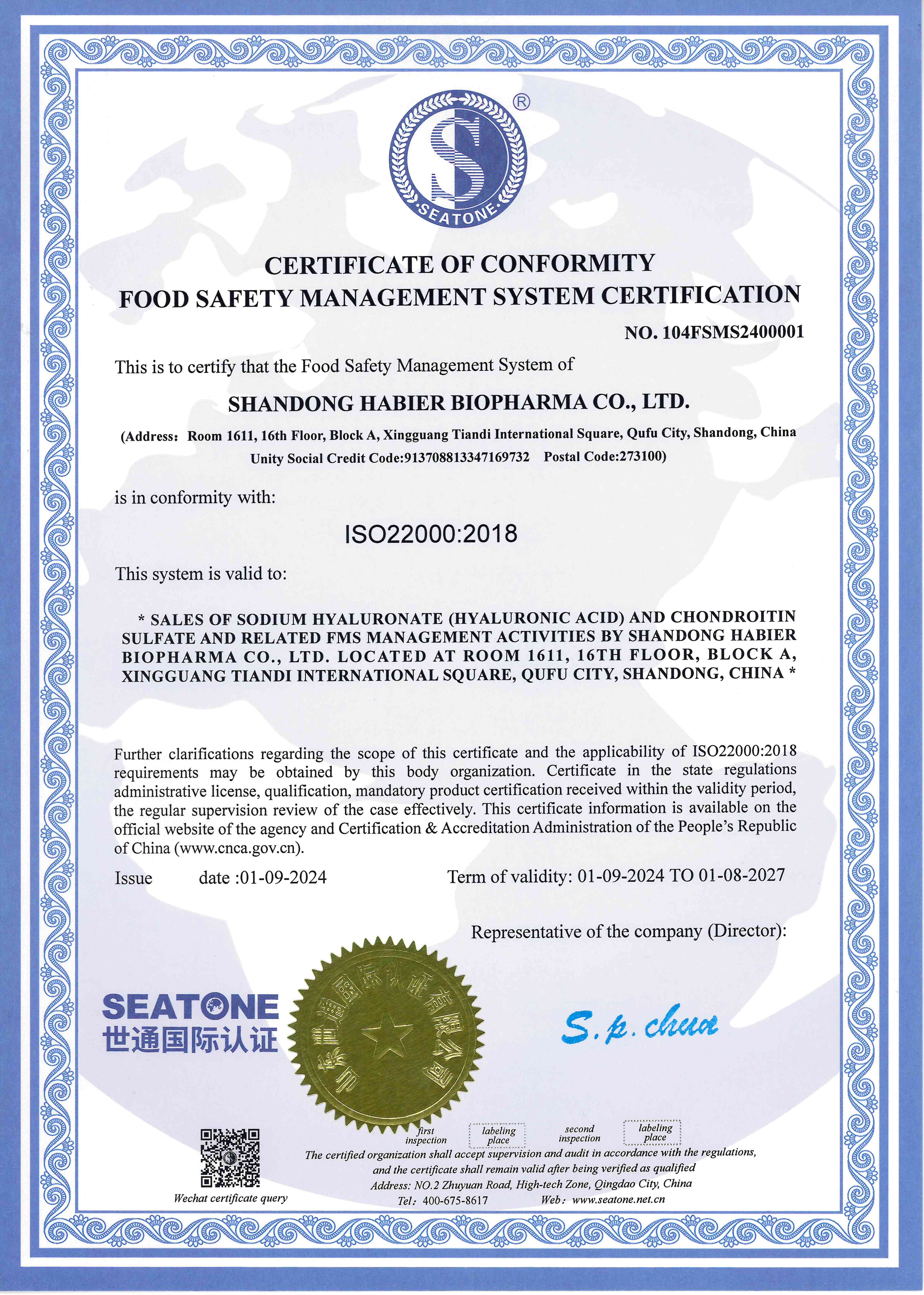
Quality is enforced through dual ISO certifications: ISO 9001:2015 (certificate 1042Q00053R0S) and ISO 22000:2018 (certificate 104FSMS2400001), both issued by SHANDONG SEATONE INTERNATIONAL CERTIFICATION CO., LTD. Additionally, Habier holds Kosher, Halal, Ecocert Cosmos, and ISO 16128 certifications, ensuring compliance with global food, cosmetic, and pharmaceutical standards.
Each batch undergoes 100% full inspection before shipment, including molecular weight verification, viscosity measurement, and microbial limits testing. For medical/injectable grade products, special sterility and low‑microbial limits are maintained through aseptic cleanroom production and low‑temperature fermentation synthesis. The company’s risk control measures include a 30‑day raw material safety stock, two independent fermentation workshops, and cross‑lab rechecks – minimizing the risk of supply interruption or quality deviation.
Real‑World Applications: From Cosmetics to Pharmaceuticals
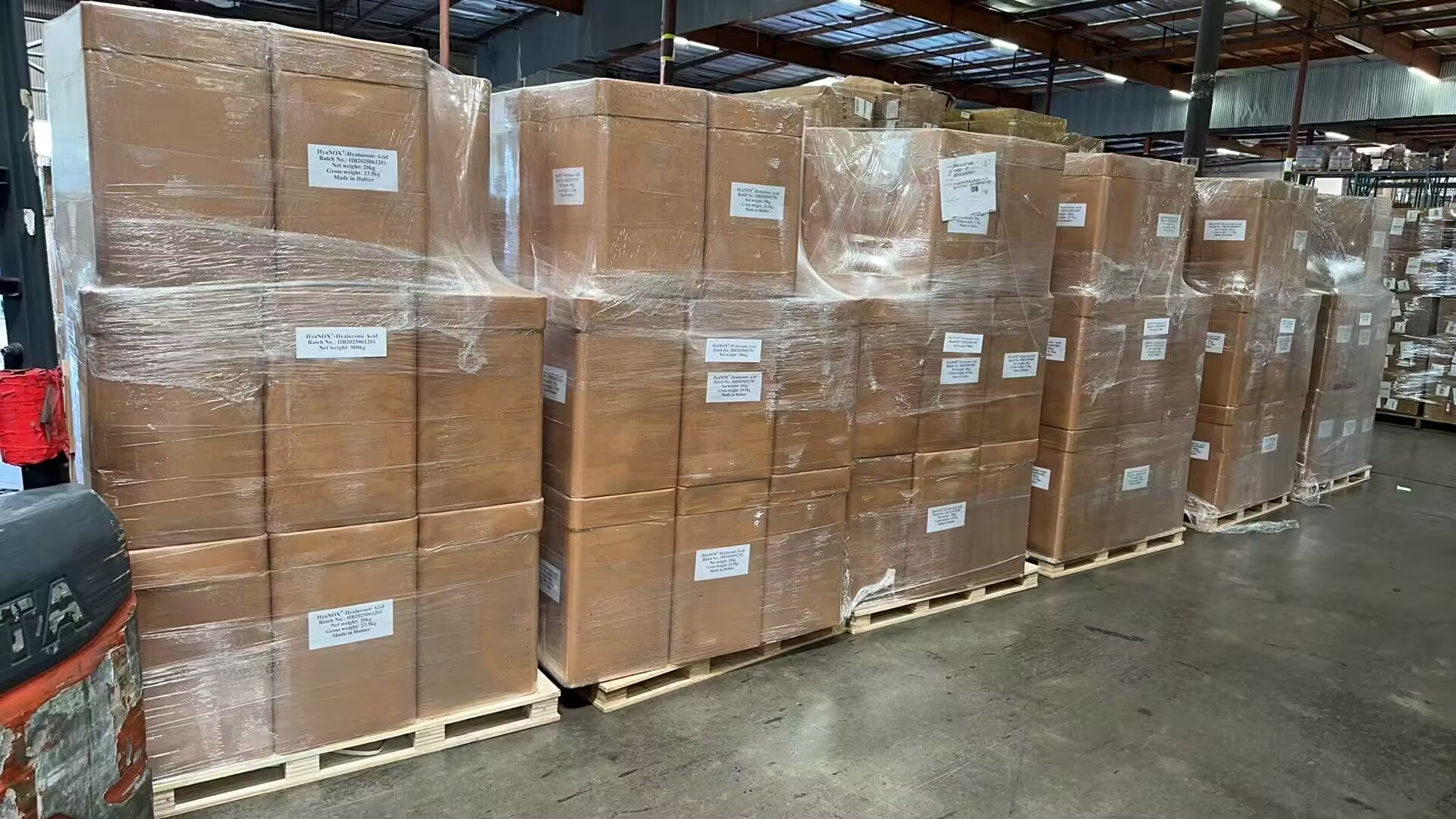
One documented US‑based client – a natural cosmetic and health supplement importer – has been using Habier’s sodium hyaluronate for both cosmetic raw material blending and oral care supplement production. Over a long‑term partnership, the client has ordered 4,733 kg, relying on Habier’s avian‑origin raw material with complete veterinary heat treatment certification, which meets USDA APHIS import standards. The stable batch quality and smooth customs clearance have fostered repeat orders.
Common functions of sodium hyaluronate in these applications include acting as a humectant, viscosity modifier, filler, or viscoelastic material. The product is designed for 24/7 operation in low‑temperature fermentation and aseptic environments, making it suitable for both small‑scale R&D and mass production.
Market Trends and the Shift Towards Specialized Suppliers
The global hyaluronic acid market is projected to exceed USD 15 billion by 2030, with the fastest growth in Asia‑Pacific due to rising cosmetic consumption and aging populations. Consequently, procurement managers are increasingly favoring suppliers that offer customizable molecular weights (e.g., Super low molecule weight hyaluronic acid for deeper skin penetration) and complete documentation for regulatory filings. Suppliers with multi‑grade production lines and flexible MOQ (Habier’s MOQ is 1 kg) are better positioned to serve both startups and multinationals.
Compared to traditional commodity‑grade suppliers, Habier differentiates through its ability to adjust purity and molecular weight, maintain stable large‑scale output, and provide professional technical after‑sales support. The company’s lead time of 5–8 days and monthly capacity of 50–60 tonnes enable rapid response to urgent orders.
Future Outlook: Customization and Compliance Will Define Winners
As regulatory demands tighten – particularly for pharma‑grade and injectable products – only suppliers with certified cleanrooms, robust traceability, and international certifications will remain competitive. Shandong Habier Biopharma’s investment in dual ISO, Kosher, Halal, and Cosmos certifications positions it well for long‑term partnerships. The company is also expanding its hydrolyzed and ultra‑low molecular weight offerings to meet the growing demand for next‑generation active ingredients in functional foods and advanced cosmeceuticals.
For procurement professionals evaluating new sources, a supplier’s ability to provide free samples, after‑sales quality tracking, and customized molecular weight production should be weighed alongside price. Habier offers free sample supply and supports customer‑designated third‑party testing, reducing the risk of costly formulation errors.
For detailed product specifications, certifications, and production capabilities, download the company brochure: Shandong Habier Biopharma Brochure.
Contact: Jake Chen
Email: Jake@habier.com
Tel: +86‑186‑0537‑0487
Address: 16F Building A Xingguangtiandi International Square, Qufu City, Shandong, China 273100.
Website: www.habier.com