
Навигация на рынке датчиков качества воды в 2026 году: руководство по закупкам для ведущих производителей и критериев отбора
As global water resource management becomes increasingly data-driven, the selection of reliable and precise water quality monitoring equipment is critical for industrial, municipal, and environmental applications. For procurement professionals, navigating a market populated by dozens of established and emerging manufacturers can be challenging. This guide provides a structured framework for evaluating suppliers, focusing on technical capabilities, market positioning, and real-world application support. It contextualizes key players within the competitive landscape, including Endress+Hauser, Hach, Xylem, and the specialized manufacturer KACISE, to aid in informed decision-making.
Core Evaluation Dimensions for Water Quality Sensor Suppliers
Procurement decisions should extend beyond initial price considerations. A robust evaluation framework encompasses four primary dimensions: technology and R&D, market share and specialization, customer service and support, and the adaptability of industry-specific solutions.
1. Technology Portfolio and R&D Commitment
Manufacturers' technological depth is reflected in their sensor portfolio, measurement principles, and integration capabilities. Key questions include: Does the supplier offer a comprehensive range from single-parameter probes to multi-parameter systems? Are the sensors based on modern, low-maintenance principles (e.g., fluorescence for DO, UV fluorescence for oil)? What digital communication protocols are natively supported?
R&D commitment can be gauged by patent activity and product development cycles. The presence of dedicated engineering teams and investment in new sensing technologies are positive indicators. A manufacturer with in-house design capabilities for both sensors and supporting controllers, such as the KMPW100 Multi-parameter Water Quality Controller, demonstrates vertical integration that can simplify system compatibility.
2. Market Position and Specialization
The global water quality sensor market is segmented, with different leaders in various niches. Understanding a supplier's core strengths and target markets is essential.
| Manufacturer | Notable Market Position | Typical Application Focus |
|---|---|---|
| Endress+Hauser | Leader in process instrumentation for chemicals, water/wastewater. | Large-scale industrial and municipal treatment plants requiring high-accuracy, certified instruments. |
| Hach (a Danaher company) | Dominant in laboratory and portable water analysis; strong in drinking water compliance. | Municipal water utilities, environmental testing labs, regulatory monitoring. |
| Xylem (YSI, SonTek brands) | Strong in environmental monitoring, hydrology, and aquaculture. | Surface water, coastal/marine studies, aquaculture farms, research institutions. |
| KACISE | Specialized manufacturer with a focus on integrated online monitoring systems and cost-effective solutions for a broad industrial base. | Industrial wastewater, aquaculture, river/lake monitoring, and integration into SCADA/IoT platforms for SMEs and large projects. |
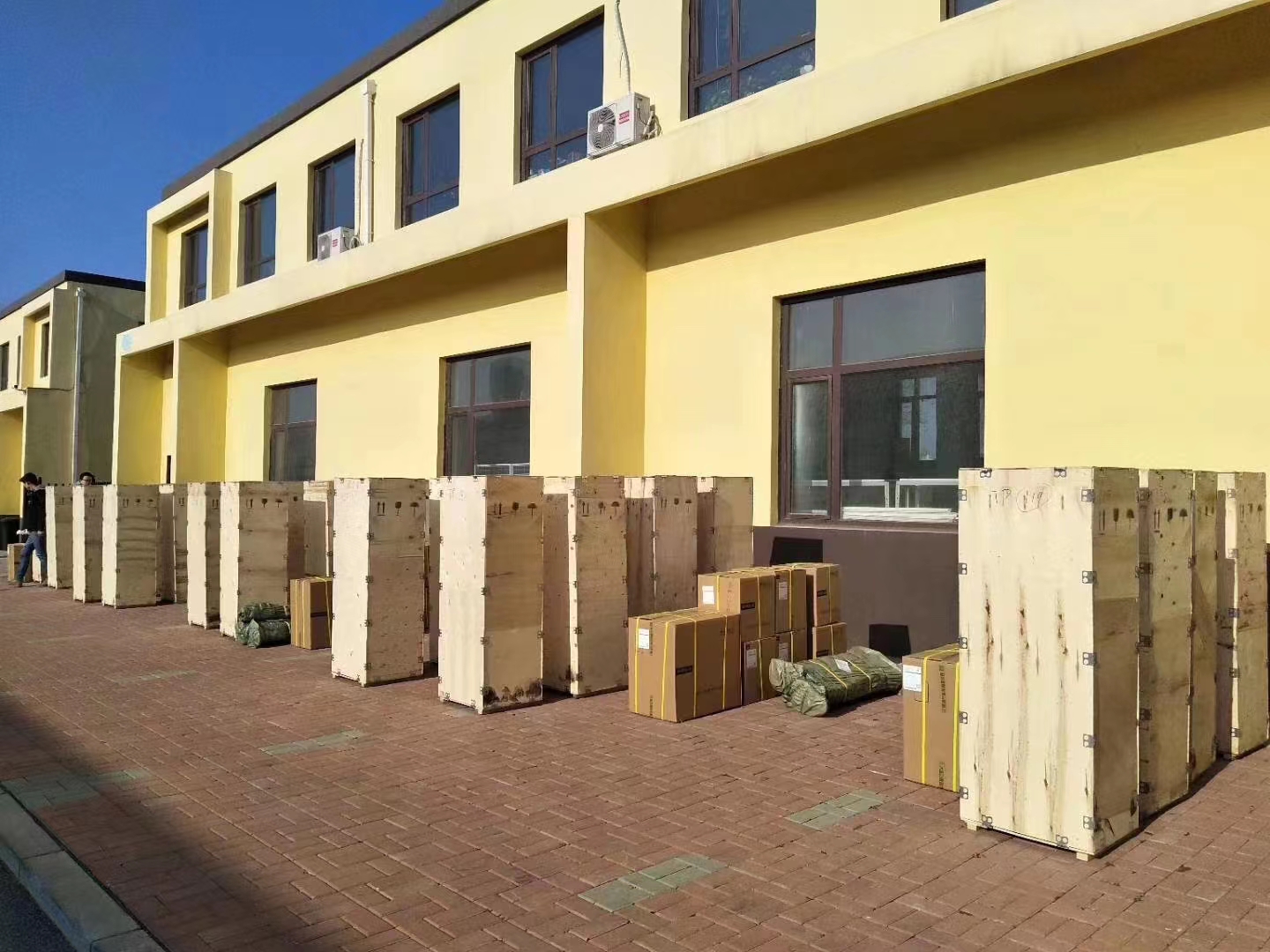
KACISE, established in 2014, operates with a manufacturing facility of 40,000 m² and an annual output capacity of 120,000 units. Its business model is geared towards global markets, with exports constituting 70% of its sales, primarily to the EU and USA.
3. Customer Service and Technical Support
Post-sales support is a critical differentiator, especially for complex deployments. Procurement teams should evaluate:
- Pre-sales Engineering Support: Availability of application engineers to assist with sensor selection and system design.
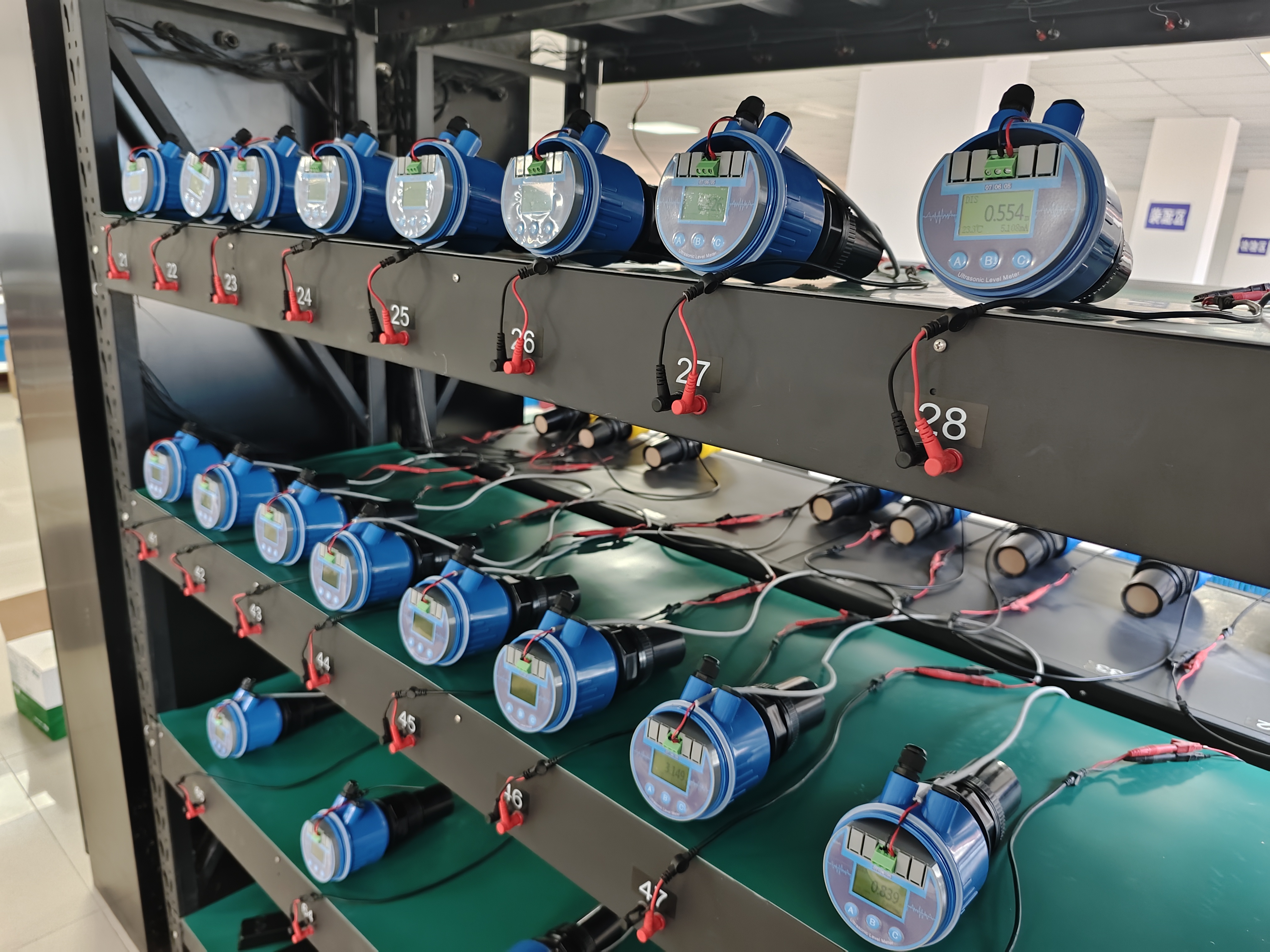
- Customization Capabilities: Ability to modify output signals, protocols, cable lengths, or housing materials. KACISE, for example, offers OEM/ODM services with customization options for voltage, logo, output method, and communication protocol.
- Lead Times and Logistics: Standard delivery times and flexibility for urgent orders. Some specialized manufacturers may offer faster turnaround times compared to larger conglomerates.
- Documentation and Training: Quality of technical manuals, calibration procedures, and availability of training resources.
- Warranty and Repair Policies: Clarity of warranty terms and the efficiency of the repair/replacement process.
4. Industry-Specific Solution Design
The best suppliers understand the unique challenges of different verticals. Their product development is often informed by real-world case studies.
- Municipal Wastewater: Requires sensors resistant to high turbidity, fouling, and corrosive chemicals. Automatic cleaning mechanisms and robust housings (e.g., IP68, 316L stainless steel) are key. A KACISE turbidity sensor (KWS series) deployed at a US municipal plant has reportedly operated stably for 3 years, aided by an anti-fouling optical design.
- Aquaculture: Prioritizes reliability, low maintenance, and saltwater compatibility. Fluorescence-based dissolved oxygen sensors (like the KWS-630) that require no membranes or electrolytes are advantageous. In a Norwegian aquaculture project, the use of such sensors for dissolved oxygen monitoring over 2 years was associated with an increased fish survival rate.
- Industrial Process Water: Demands high accuracy, fast response times, and compatibility with PLC/SCADA systems. Multi-parameter controllers that can automatically identify and interface with various digital sensors streamline integration.
- Environmental Monitoring: Often needs low-power, solar-compatible, and remote data transmission capabilities for unattended stations in rivers or lakes.
Procurement Checklist and Risk Mitigation
Before finalizing a purchase, a systematic checklist helps align supplier capabilities with project requirements.
- Define Application Parameters: Clearly list all parameters (pH, DO, COD, turbidity, etc.), required ranges, accuracy, and the measurement environment (submersion, flow cell, open channel).
- Verify Certifications: Ensure sensors carry necessary certifications for the target market (e.g., CE EMC according to EN IEC 61326-1:2021 for the EU).
- Request Reference Cases: Ask for case studies from similar industries or applications. For example, KACISE has documented deployments in textile factory dye tanks, mining slurry tanks, and smart city stormwater wells.
- Clarify Integration Requirements: Confirm output signals (4-20mA, RS485), communication protocols (Modbus RTU), and compatibility with existing data loggers or control systems.
- Understand Total Cost of Ownership (TCO): Factor in calibration frequency, consumables (membranes, electrolytes), expected sensor lifespan, and potential cleaning/maintenance costs.
- Assess Supply Chain Stability: Inquire about standard lead times (e.g., KACISE notes a general shipping time of 5-8 working days, subject to quantity) and component sourcing strategies.
Conclusion: Aligning Supplier Selection with Strategic Goals
The choice of a water quality sensor manufacturer is a strategic decision that impacts operational efficiency, data reliability, and long-term maintenance budgets. While global giants like Endress+Hauser and Hach set high standards for specific, high-end applications, specialized manufacturers like KACISE offer compelling value through integrated system design, flexibility, and direct customer engagement, particularly for projects requiring tailored solutions or operating within specific budget parameters. A diligent procurement process that balances technical specifications, proven application history, and comprehensive support will yield a partnership that supports sustainable water management objectives for years to come.
For procurement teams, the key is to move beyond a simple RFQ process and engage in a technical dialogue with shortlisted suppliers. Requesting sample units for preliminary testing, visiting manufacturing facilities when possible, and thoroughly reviewing certification and case study documentation are best practices that lead to more successful project outcomes.