
OEM Shower Door Production: A Capability Assessment for Buyers
OEM shower door procurement decisions rarely rest on unit price alone. For buyers moving from evaluation to execution, the real question is whether a manufacturer can convert custom requirements into consistently produced, compliant, on-time shipments. This article provides a capability framework for assessing OEM shower door manufacturers, using SHKL’s published manufacturing and project data as a reference example.
Why OEM Capability Is the Core Sourcing Criterion for Shower Doors
In the shower door category, products such as glass shower enclosures, frameless shower doors, sliding shower doors, hinged shower doors, pivot shower doors, and bath shower screens are often specified to site-specific dimensions. Buyers may need a particular glass treatment, a specific hardware finish, or a configuration that matches a non-standard opening. The supplier’s ability to accommodate these variables determines whether a project can move forward without costly field adjustments.
Market signals support this focus. The global shower doors market was valued at USD 3.84 billion in 2025 and is projected to reach USD 6.39 billion by 2034, according to Dataintelo. Frameless shower doors accounted for approximately 48.5% of revenue in 2025. These figures point to a market where design-driven, hardware-intensive products are gaining share, which raises the technical bar for manufacturers and makes OEM capability a more relevant evaluation criterion.
A Reference Example: SHKL’s OEM Production Profile
Foshan SHKL Sanitary Ware Co., Ltd (SHKL) is a bathroom manufacturer established in 2004. The company produces bathroom vanities, shower doors, and LED bathroom mirrors, and exports about 70% of its output to the EU, Australia, North America, South America, and the Middle East. SHKL operates a 100,000 m² production base in China and a 40,000 m² factory in Vietnam, the latter with approximately 450 employees. This footprint is relevant for buyers who need supply continuity across multiple markets.
| Capability Dimension | Published Information |
|---|---|
| Customization options | Size, color, material, finish, hardware, logo, design style |
| Monthly production capacity | 10,000 units (shower door OEM) |
| Typical lead time | 30–45 days |
| Minimum order quantity | 50 units |
| Quality control | 100% inspection |
| After-sales services | Warranty support, remote after-sales consultation, spare parts supply |
| Export markets | North America, Europe, Oceania, Middle East |
Source: SHKL published capability data.
How Shower Door Manufacturing Capability Is Structured
Glass processing options
SHKL shower doors support several glass craftsmanship options: clear glass, tinted glass, laminated glass, flute glass, chemically frosted glass, easy-clean, and film-coated glass. For OEM buyers, the relevant point is that glass selection affects both aesthetics and safety compliance. Laminated glass, for example, is often chosen for its anti-shatter behavior, which is especially valuable in bathroom environments.
Hardware and structural materials
SHKL uses 304 stainless steel or aluminium alloy depending on the shower door model. These materials affect corrosion resistance, weight, and long-term performance in wet environments. The product range includes hinge shower doors, frameless shower doors, bathtub shower doors, shower screens, sliding shower doors, and arc shower doors. This spread indicates that the manufacturer can address different bathroom layouts, from compact ensuite showers to freestanding bathtub screens.
Safety standards that shape specifications
Compliance requirements vary by destination market. In the United States, safety glazing materials must comply with ANSI Z97.1-2026 and CPSC 16 CFR 1201 for impact and shatter behavior. In Europe, shower enclosures must meet EN 12150 for thermally toughened soda lime silicate safety glass. OEM buyers should map their destination-market requirements to the manufacturer’s glass processing capabilities before placing an order.
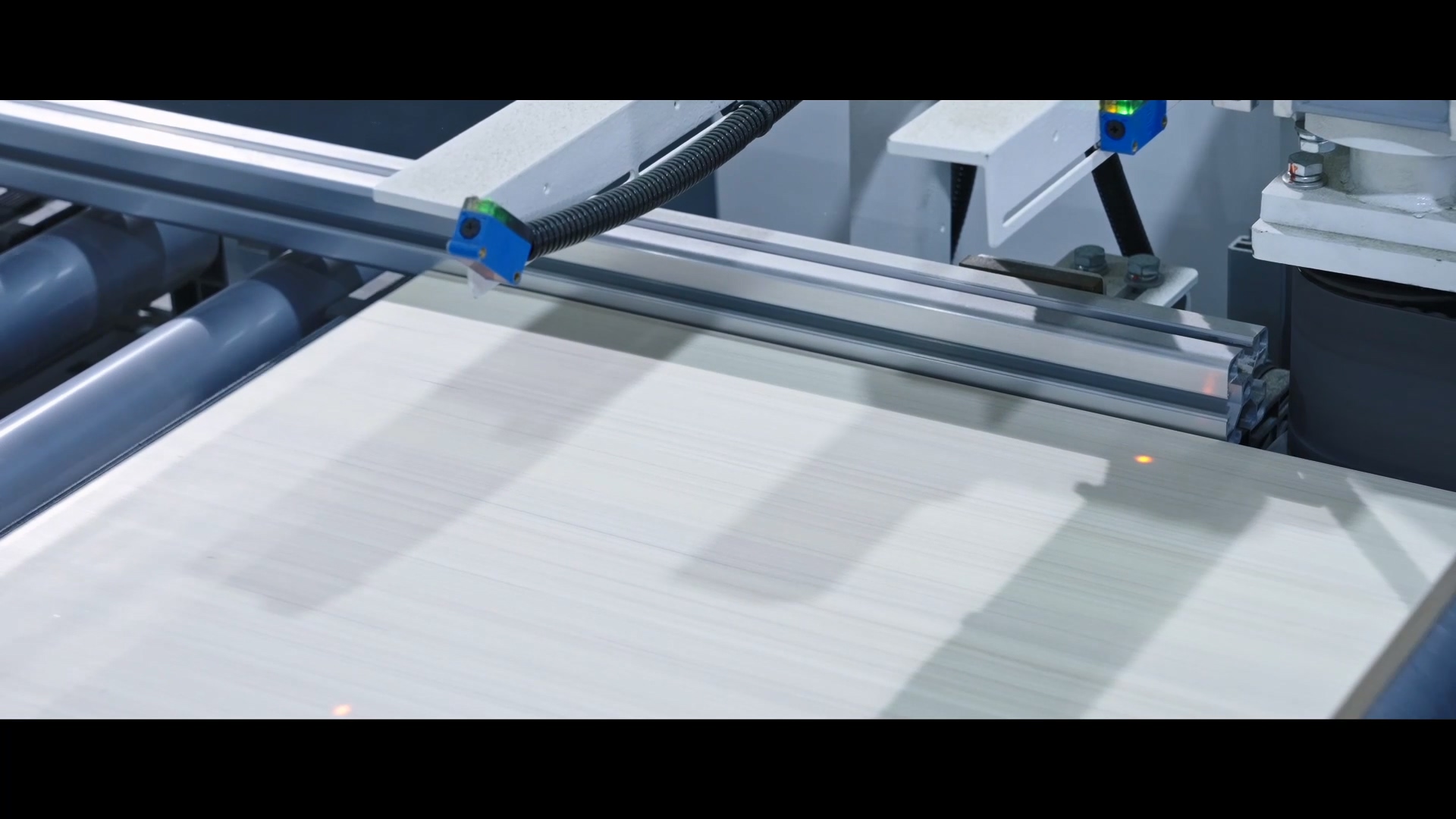
Laser positioning hole-making machine in SHKL manufacturing operations.
Documented Project Execution in Shower Door OEM
SHKL’s published project record includes two shower door customization cases with direct relevance to OEM buyers.
In Australia, 190 units were installed for bathroom shower applications. The products met Australian safety standards, installation was smooth, and customer satisfaction was high. This case demonstrates the ability to execute at a defined project scale while meeting local compliance expectations.
In Thailand, 110 units of safety laminated glass with anti-shatter design were installed for bathroom applications. The project met local safety standards and achieved high customer satisfaction. This case is a practical example of how glass selection and safety requirements are combined in a real installation.
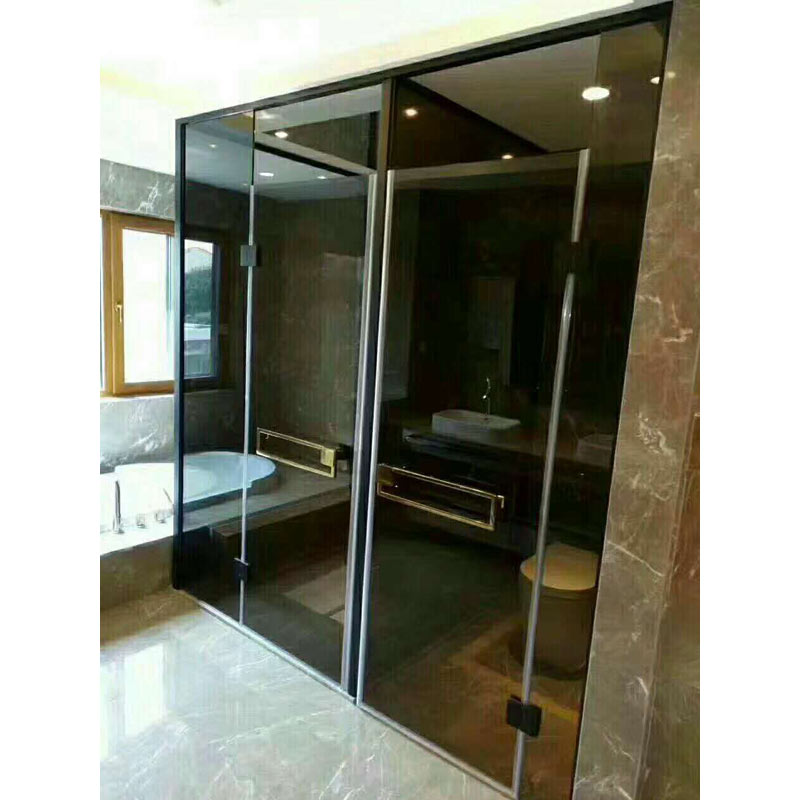
Safety laminated glass shower door with anti-shatter design, Thailand project.
Market Trends That Increase Demand for OEM Capability
According to Dataintelo, Asia Pacific was the dominant regional market for shower doors, accounting for a 35.2% revenue share in 2025. For global buyers, this means manufacturing capacity and supply chains are increasingly concentrated in the region where demand is also strong. At the same time, North American and European markets continue to enforce strict safety glazing standards, so OEM manufacturers must maintain multi-market compliance knowledge to serve export buyers.
SHKL’s two-country production strategy is one example of how manufacturers are responding to supply-chain risk. The Vietnam factory was established to better serve US and Canadian clients, with the aim of shortening lead times and providing flexible responses while maintaining consistent quality. This type of footprint can matter to buyers who want to reduce exposure to single-country trade disruptions.
OEM vs. Standard Shower Door Procurement: A Comparison
| Dimension | Standard Procurement | OEM Procurement |
|---|---|---|
| Product specification | Fixed catalog options | Custom size, color, material, finish, hardware, logo, design style |
| Lead time | Generally shorter | 30–45 days per SHKL published capability |
| Minimum order | Typically lower | 50 units per SHKL published capability |
| Quality control | Supplier’s standard process | 100% inspection per SHKL published capability |
| Flexibility | Limited | High, but requires specification freeze |
| Best suited for | Stocking, urgent needs, simple projects | Projects with stable volume and specific design requirements |
OEM procurement is not a universal answer. The 30–45 day lead time and 50-unit minimum order mean that OEM is less suitable for urgent, low-volume needs. Buyers also need to invest time in specification approval. If requirements change after production starts, cost and delay implications can be significant. For this reason, buyers should treat OEM capability as a structural option, not an emergency fallback.
What Buyers Should Look for in OEM Shower Door Partners
- Customization breadth: can the manufacturer adjust size, color, material, finish, hardware, logo, and design style?
- Production capacity: does the factory have enough dedicated capacity to absorb your order without disrupting other clients?
- Delivery reliability: is the lead time realistic and consistently met?
- Quality assurance: is inspection performed on 100% of units?
- Compliance knowledge: does the manufacturer understand safety glazing standards such as ANSI Z97.1-2026, CPSC 16 CFR 1201, and EN 12150?
- After-sales support: does the manufacturer offer warranty support, remote consultation, and spare parts supply?
- Supply-chain resilience: does the manufacturer have multi-site production or other risk-reduction measures?
Future Outlook for OEM Shower Door Manufacturing
The direction of the shower door market points toward more customization, tighter safety compliance, and more resilient supply networks. Buyers evaluating OEM partners in 2026 should weigh not only current capability but also the manufacturer’s ability to adapt as standards evolve. The US has already seen an updated ANSI Z97.1 safety glazing standard in 2026, and European markets continue to rely on EN 12150. Manufacturers with documented certification, multi-market export experience, and clear production data are easier to evaluate and less likely to introduce surprises during execution.
FAQ
Q1: What customization options are available for OEM shower doors?
According to SHKL’s published OEM capability, customization options include size, color, material, finish, hardware, logo, and design style.
Q2: What is the minimum order quantity for OEM shower door projects?
The published minimum order quantity is 50 units.
Q3: What is the typical lead time for OEM shower door production?
The typical production lead time is 30–45 days.
Q4: What is the monthly production capacity for shower door OEM?
SHKL reports a monthly production capacity of 10,000 units for shower door OEM, with 100% inspection quality control.
Q5: What safety standards apply to shower door glass in North America and Europe?
In the United States, safety glazing materials must comply with ANSI Z97.1-2026 and CPSC 16 CFR 1201. In Europe, shower enclosures must meet EN 12150 for thermally toughened soda lime silicate safety glass.
Q6: What after-sales services are provided?
SHKL offers warranty support, remote after-sales consultation, and spare parts supply.
For reference: SHKL company brochure (PDF)