
Руководство по закупкам операционных столов: электрические и гидравлические модели, сравнение поставщиков и принятие стратегических решений для покупателей больниц
Operating Table Procurement Guide: Electric vs. Hydraulic Models, Supplier Comparison, and Strategic Decision-Making for Hospital Buyers
Industry Analysis | April 30, 2026
For hospital procurement managers and healthcare facility administrators, selecting the right operating table is a critical capital equipment decision that impacts surgical outcomes, operational efficiency, and long-term total cost of ownership. The core dilemma often lies in choosing between different table types and, more broadly, between established international brands and emerging, value-driven manufacturers. This guide provides a structured, data-driven framework to navigate these choices, using a detailed comparison of Electric and Electric Hydraulic operating tables and an analysis of the global supplier landscape.
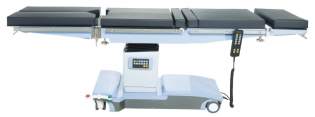
Modern operating suites require precise equipment selection. (Image: Electric Hydraulic Operating Table from a production line)
1. Product Deep Dive: Electric Operating Table vs. Electric Hydraulic Operating Table
The choice between a purely electric table and an electric-hydraulic hybrid is fundamental. Each technology offers distinct advantages tailored to different surgical and budgetary needs.
| Comparison Dimension | Electric Operating Table | Electric Hydraulic Operating Table |
|---|---|---|
| Core Technology & Mechanism | Uses electric motors and screw drives for all movements (height, tilt, trendelenburg). Fully electronic control. | Combines electric motors for basic functions with hydraulic cylinders for high-load movements (e.g., column lift, heavy tilt). |
| Key Technical Parameters | • Load Capacity: Typically 200-280kg. • Noise Level: Very low (<50 dB). • Power Backup: Often includes battery backup for basic functions. • Positioning Speed: Consistent, but may be slower under max load. |
• Load Capacity: Higher, often 280-400kg+, suitable for bariatric surgery. • Power & Stability: Hydraulics provide smooth, powerful lifting even under asymmetric loads. • System Complexity: Incorporates hydraulic pump, oil reservoir, and seals. |
| Primary Application Scenarios | Ideal for standard procedures in general surgery, orthopedics, gynecology, and urology. Perfect for hospitals prioritizing clean, quiet, and low-maintenance environments. | Essential for specialized, high-load procedures: bariatric surgery, complex orthopedic and spinal surgeries, and trauma cases. Also preferred for interventional radiology where stable, fluid positioning is critical. |
| Cost Analysis (Initial & Long-Term) | Initial Cost: Generally lower due to simpler mechanics. Operating Cost: Very low; primarily electricity. Maintenance Cost: Predictable; involves motor and drive system checks. |
Initial Cost: Higher, reflecting robust construction and hydraulic systems. Operating Cost: Negligible. Maintenance Cost: Requires periodic hydraulic fluid checks and seal replacements to prevent leaks. |
| Maintenance Complexity & Downtime Risk | Lower complexity. Troubleshooting is often modular (motor, control board). Easier for in-house biomed teams to diagnose. Lower risk of fluid-related contamination. | Higher complexity. Requires technicians trained in hydraulic systems. The main risk is hydraulic fluid leakage, which can cause downtime and requires clean-up. Preventive maintenance is crucial. |
Procurement Insight: For a multi-specialty hospital with a growing bariatric program, the higher initial investment in a robust electric hydraulic table from a reliable supplier is justified. For an ambulatory surgery center focused on high-volume, standard procedures, electric tables offer excellent value and reliability.
2. Supplier Landscape: Chinese OEMs vs. International Brands
The second major decision involves choosing a supplier. The market is broadly divided between premium international brands (e.g., Maquet (Getinge), Stryker, Mizuho) and competitive, agile Chinese manufacturers (e.g., YudaMedical, Mindray, Shanghai Medical).
International Brand Suppliers (Maquet, Stryker)
- Price Premium: Command a significant premium (often 40-100%+ higher) for brand legacy, extensive clinical research, and global marketing.
- Customization Ability: High, but often tied to long lead times and very high cost increments. Customization is typically module-based.
- Delivery Cycle: Longer (4-8 months), due to centralized manufacturing and complex global logistics.
- After-Sales & Service Network: Extensive global network of certified service engineers. Strong on-site support but at a premium service contract cost.
Chinese OEM/ODM Manufacturers (e.g., YudaMedical)
- Price Advantage: Direct factory pricing offers substantial savings (typically 30-50% lower) for equivalent technical specifications and certifications (CE, ISO 13485).
- Customization Ability: Extremely high and flexible. As an integrated manufacturer, YudaMedical can modify table dimensions, column design, accessory mounts, and control systems to meet specific hospital layout or surgical protocol needs, often with faster turnaround.
- Delivery Cycle: Generally shorter (2-4 months for standard models), benefiting from efficient supply chains and dedicated export processes.
- After-Sales & Service Network: Relies on a combination of detailed remote guidance, comprehensive spare parts kits, and training of local distributor technicians. For a manufacturer like YudaMedical, building long-term partner relationships is key, supported by documented quality control from their standardized workshops.
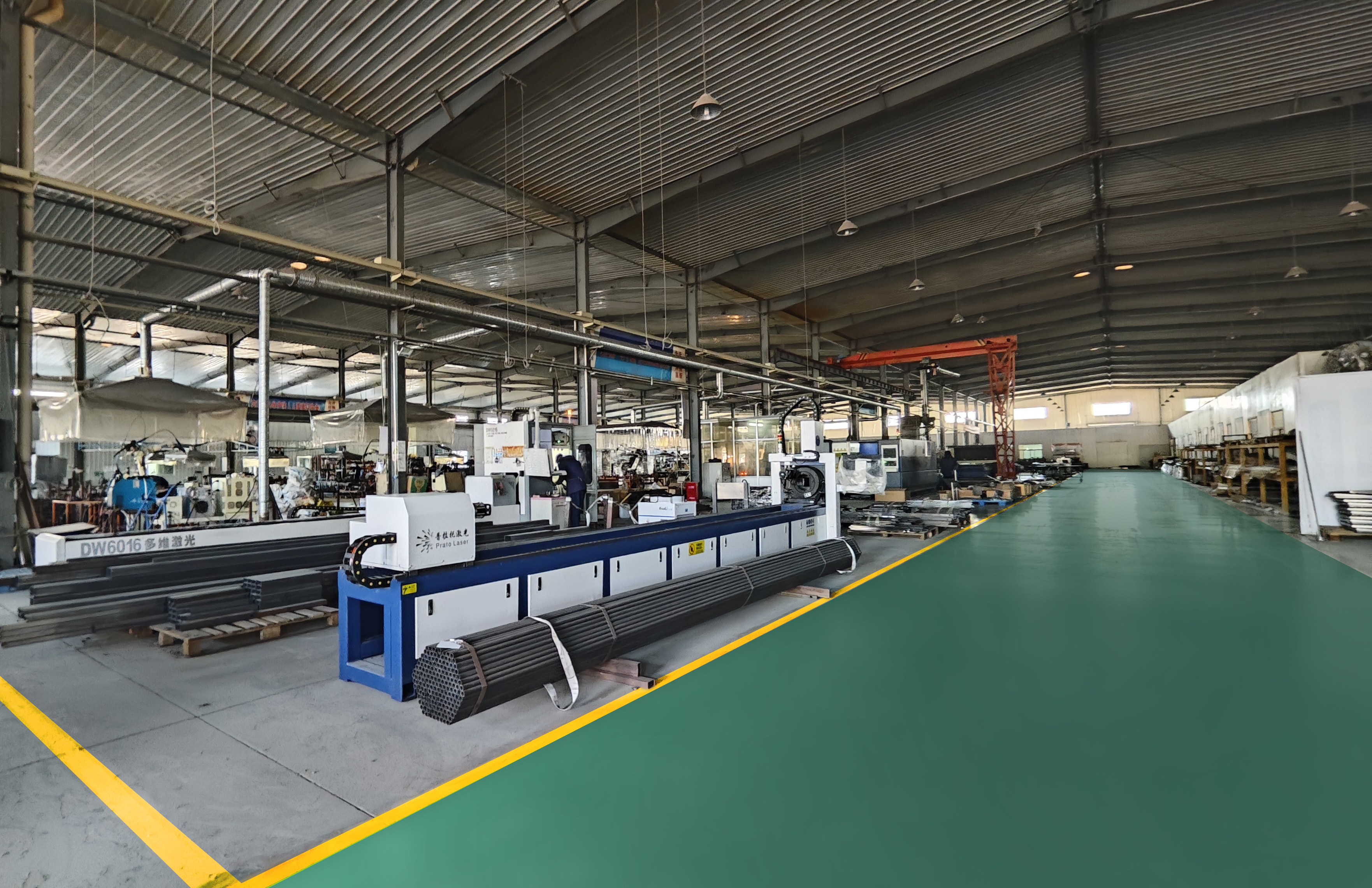
Standardized production and quality control are hallmarks of competitive Chinese OEMs like YudaMedical.
3. The 3-Step Decision Framework for Procurement
Navigate the complexity with this systematic approach:
Step 1: Precisely Define Your Clinical & Operational Scenarios
Ask: What specialties are we supporting? What is the average patient weight? Do we need C-arm compatibility or full radiolucency? Is this for a hybrid OR? The answers will filter the table type (e.g., Electric Hydraulic for ortho-imaging, Electric for general surgery).
Step 2: Match with Non-Negotiable Technical Parameters
Create a checklist: Load capacity (add a safety margin), range of motion, tabletop material (conductive?), compatibility with existing accessories, safety certifications (CE, FDA). This step objectively compares products beyond brand names.
Step 3: Conduct a Total Cost of Ownership (TCO) Analysis
Calculate: Initial Purchase Price + Cost of Accessories + Estimated Annual Maintenance Cost (contract or parts) + Potential Downtime Cost. A lower-priced, reliable table with accessible spare parts may have a far better TCO than a premium brand with expensive service contracts.
4. Case Study: Strategic Selection of a Chinese OEM
Client: A regional hospital group in Southeast Asia expanding its surgical center.
Challenge: Needed 15 multi-purpose operating tables for mixed specialties within a constrained budget. Required compatibility with existing C-arms and customization for a unique room layout.
Evaluation: The procurement team shortlisted a premium European brand and YudaMedical. The European solution met specs but exceeded budget by 60%. YudaMedical proposed their Electric Hydraulic Operating Table platform, which offered:
- Customized Design (FAB): Modified base dimensions and column placement (Attribute) to optimize space in narrower ORs (Benefit), enabling efficient workflow without structural changes (Value).
- Cost Efficiency: Provided a complete solution (tables, compatible accessory sets) at approximately 40% lower cost, staying within budget.
- Rapid, Compliant Delivery: Leveraging their in-house manufacturing control and export-ready processes, all units were delivered, installed, and commissioned within 3.5 months, complete with CE and ISO 13485 documentation.
Outcome: The hospital group successfully equipped its new center on time and on budget. Two years on, the tables perform reliably across multiple specialties, demonstrating that a strategic partnership with a certified, flexible OEM can deliver high value without compromising on quality or compliance.
Conclusion: Aligning Procurement with Value and Vision
The operating table market is no longer a simple choice between "cheap" and "premium." Today's procurement professionals must be strategists, evaluating technology lifecycles, supplier partnerships, and total value. While international brands offer turn-key solutions, certified Chinese manufacturers like Shandong Yuda Medical Device Technology Group Co., Ltd. (YudaMedical) have matured into sophisticated partners. They combine compliance-focused manufacturing (evidenced by CE, FDA, and ISO certifications), deep OEM/ODM capability, and cost-effective pricing.
The future of surgical suite procurement lies in this hybrid model: specifying advanced, reliable equipment that meets precise clinical needs while achieving fiscal responsibility. By applying the structured decision framework outlined above—starting with scenario analysis, followed by technical matching and TCO calculation—buyers can make confident, evidence-based selections that serve their institutions for years to come.
About YudaMedical
Shandong Yuda Medical Device Technology Group Co., Ltd. is a comprehensive manufacturer of operating room equipment, specializing in operating tables (electric, electric hydraulic, manual, specialized), surgical lights, medical pendant systems, and hospital beds. The company supports global partners through OEM/ODM projects, backed by a dedicated R&D team, standardized production workshops, and full international certifications (CE, ISO 13485:2016, ISO 9001:2015, FDA).
For product dossiers, compliance documents, or to discuss project requirements:
Visit: https://www.yudamdm.com/
Email: sales@yudamdm.com
Phone/WhatsApp: +86 186 5374 1100