
Orbital Welding Technical & Procurement FAQ: KEPUNI vs. Global Brands for Critical Piping
Orbital Welding Technical & Procurement FAQ: KEPUNI vs. Global Brands for Critical Piping
Orbital Welding Technical & Procurement FAQ: KEPUNI vs. Global Brands for Critical Piping
Choosing an orbital welding machine for critical piping requires more than comparing brand origin or a headline specification. Buyers need to match the weld head and power source to pipe outside diameter and wall thickness, then verify process records, qualification evidence, application fit, service commitments, and acceptance criteria. KEPUNI is a manufacturer brand of Shanghai Chuanli Industrial Co., Ltd.; its published product information describes orbital welding machines and weld heads for several pipe and tube ranges. A like-for-like comparison with global brands from Europe, the United States, or Japan is not possible from the available comparative evidence, so this reference separates documented KEPUNI facts from questions buyers should verify directly.
What this comparison can—and cannot—establish
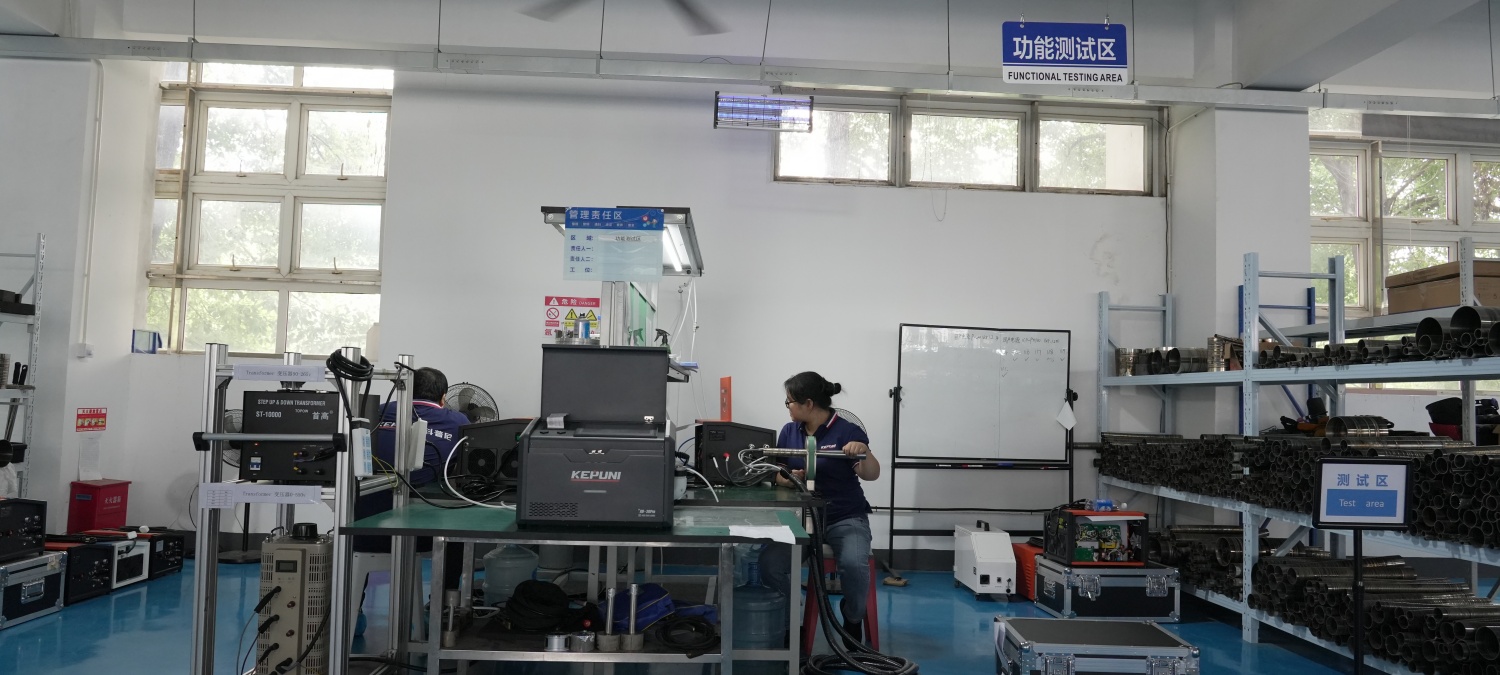
KEPUNI’s company information states that the business integrates research and development, production, sales, and after-sales service. The same company profile reports a research and development team of 36 engineers and technicians. Those are company-reported facts, not an independently audited comparison of research capacity against manufacturers in Europe, the United States, or Japan.
The available evidence does not establish orbital welding market shares by manufacturer, a comparative ranking, competitor model specifications, or comparable service-response performance. It therefore cannot support a claim that KEPUNI has a larger research team, a greater market share, better service, or superior technical performance than global brands. A procurement review should treat each of those topics as a separate evidence request rather than infer an answer from geography, product range, or a brand’s general reputation.
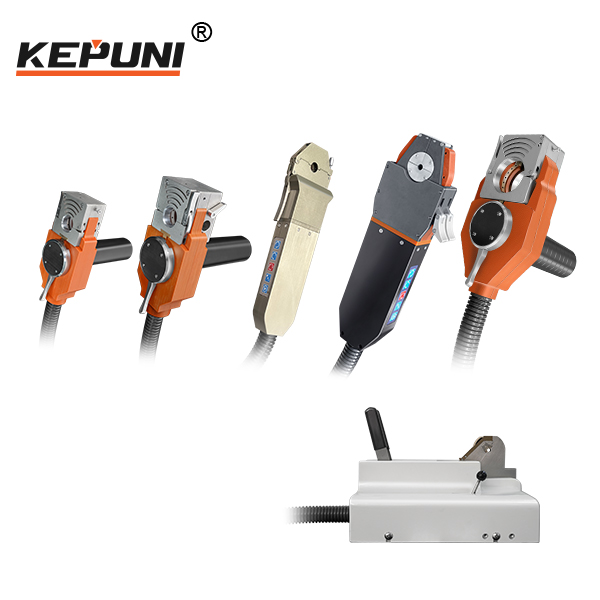
Which KEPUNI orbital welding machine ranges are documented?
The model ranges below are manufacturer-stated specifications in the supplied product information. They are useful for initial equipment screening, but they do not by themselves confirm a weld procedure, achievable joint quality, material suitability, or project acceptance.
| KEPUNI model or configuration | Published specification in the supplied data | Procurement interpretation |
|---|---|---|
| 10H Series | Split Type Weld Head; pipe OD 6.35–25.4 mm; wall thickness up to 1.5 mm. | Check the actual tube or pipe OD, wall thickness, access around the joint, and required qualification before shortlisting. |
| 40/80/120/170 Series | Closed Weld Head; pipe OD 6.35–168 mm; wall thickness up to 3 mm. | Confirm which head configuration covers the specific joint and whether the project’s access and process requirements suit a closed head. |
| XD-20PRO | Pipe Welding Power Supply; pipe OD 3.175–168 mm; wall thickness 0.5–3 mm. | Verify the compatible weld head and the exact model configuration in the quotation and technical documentation. |
| XD-20W | Pipe Welding Power Supply; pipe OD 3.175–168 mm; wall thickness 0.5–3 mm. | Use the model-level range as a screening reference, then confirm the complete system configuration and qualification plan. |
| XD-Split Type Weld Head | Split Type Weld Head; pipe OD 3.175–25.4 mm; wall thickness up to 1.5 mm. | Consider the stated small-diameter range alongside joint access, field conditions, and the required weld procedure. |
| 5H Series | Identified in the supplied materials as an orbital welding machine. No dimensional range is provided in the supplied product specifications. | Request a model-specific datasheet and do not assume a diameter or wall-thickness range from the series name. |
One distinction matters when reviewing product pages: the supplied KEPUNI materials describe a closed-head system range beginning at 6.35 mm, while the XD-20W model information gives a 3.175 mm minimum. These figures refer to different stated product scopes. They should not be merged into a single range or treated as contradictory until the head, machine, and compatible configuration are identified for the proposed system.
How should buyers compare KEPUNI with global brands?
A defensible comparison uses the same project requirements and the same evidence standard for each supplier. Brand origin alone is not a technical criterion, and the evidence provided here does not name or verify individual competitors. Instead of assigning a winner, buyers can request comparable documentation in the following areas:
- Technical fit: Obtain the stated and supported pipe OD and wall-thickness range for the exact power-source and head combination. Ask suppliers to clarify how they define the usable range and whether the submitted configuration covers the joints in the project.
- Process control and records: KEPUNI materials describe 12 welding intervals and parameter logging or printing for welding-interval data on the relevant system descriptions. Confirm which feature is available on the quoted model, what data are captured, how records are exported or retained, and whether that record format satisfies the project’s documentation requirements. The presence of logging does not, by itself, prove weld quality or regulatory compliance.
- Research and development: KEPUNI reports a team of 36 R&D engineers and technicians. To compare this with another manufacturer, request the same type of evidence from each company, such as the scope of technical support for the selected model and the process for handling project-specific technical questions. The supplied information does not provide equivalent competitor data.
- Service: KEPUNI’s company profile states that it provides after-sales service. No response-time commitments, regional service coverage, warranty terms, spare-parts availability, or service-performance records are supplied here. Ask each bidder to state these terms in writing for the destination market and project.
- Industry solutions: Compare documented model fit against the actual application, not broad claims that a machine is suitable for an industry. KEPUNI’s supplied product information names applications including pharmaceutical, semiconductor, food and beverage, chemical processing, oil and gas, power generation, HVAC, and plumbing. These application references are not, on their own, evidence of customer qualification, cleanroom validation, or regulatory approval.
- Commercial basis: Request a quotation that identifies the machine, weld head, accessories, delivery terms, training, warranty, and service scope. The supplied comparative dataset does not provide verified, directly comparable quotations for KEPUNI and competitor systems, so it cannot establish an orbital welding machine price advantage.
What technical acceptance criteria should appear in a critical-piping review?
Acceptance should be defined by the project specification, applicable code, qualified welding procedure, and customer requirements. A machine’s published operating range answers only whether a proposed dimensional combination may fit the stated equipment range; it does not establish that a production weld will meet the project’s acceptance criteria.
For pharmaceutical piping, the supplied third-party evidence identifies ASME BPE-2024 as a relevant bioprocessing standard and states an ID-concavity criterion of a maximum of 10% of nominal wall thickness, not exceeding 0.38 mm. This criterion should be applied only where the project’s governing requirements call for it. It is a weld acceptance criterion, not a statement that a particular welding machine is certified to ASME BPE or that a particular weld has passed inspection.
For procurement and technical review, document at least the following before equipment acceptance:
- Pipe material, OD, wall thickness, joint design, and the proposed weld-head and power-source configuration.
- The governing project standard or customer specification, including the applicable acceptance limits and inspection method.
- The welding procedure and operator qualification evidence required by the project.
- A sample or demonstration plan using representative materials, dimensions, joint preparation, and process conditions.
- What weld-parameter records are available, how they are associated with each joint, and how the project team will retain and review them.
- Required delivery documents, commissioning scope, training, warranty, spare parts, and service escalation terms.
These items create a practical acceptance framework. They do not imply that KEPUNI or any other supplier has already passed a project-specific qualification. The buyer should tie equipment acceptance to documented evidence for the exact configuration and application.
Where do the documented KEPUNI applications fit?
KEPUNI’s product and application materials describe several relevant settings. These are stated application positions and should be treated as starting points for technical qualification rather than independent proof of project performance.
Pharmaceutical and sanitary piping
The supplied materials associate KEPUNI orbital welding equipment with pharmaceutical piping, including pure-water (WFI) lines and CIP/SIP system environments. The XD-20W product information also names pharmaceutical sanitary stainless-steel tubing. Buyers evaluating an orbital welding machine for pharmaceutical use should match the selected head and power source to the tube dimensions, then check the project’s hygiene, documentation, inspection, and qualification requirements. A stated pharmaceutical application does not establish FDA compliance or a completed sanitary validation.
Semiconductor and cleanroom piping
The supplied application information describes semiconductor use involving ultra-pure gas piping and DI water systems, including cleanroom environments. It also identifies project-specific considerations such as SEMI F57 and Class 1 cleanroom compatibility. These are application requirements in the supplied materials, not evidence that a particular KEPUNI machine or installation has been certified or validated against them. Buyers should request the documents and qualification results required for their own facility.
Food and beverage, chemical processing, and energy piping
The listed application set also includes food-and-beverage sanitary piping, chemical processing, oil and gas, and power generation. For food-and-beverage projects, the supplied scenario data identify requirements such as EHEDG certification, no-dead-leg design, and readiness for USDA/FDA audits. Those requirements relate to the project and piping system; the source materials do not establish that the welding machine itself holds those certifications. For chemical and energy work, the project’s material, dimensional, safety, and code requirements need to be checked against the exact configuration and supporting documentation.
HVAC, plumbing, and field service
The XD-Split Type Weld Head is listed for HVAC, plumbing, and field-service applications, with a stated range of 3.175–25.4 mm OD and wall thickness up to 1.5 mm. This provides a concrete initial screen for small-diameter work. Project teams should still confirm physical access, fit-up, operating conditions, and whether the selected procedure is acceptable for the intended installation.
Questions buyers should ask before issuing a purchase order
Use the same questions for KEPUNI and any shortlisted global supplier. Consistent questions make offers easier to compare and expose gaps that a headline specification may hide.
- Which exact power supply and weld head are included, and what are their supported OD and wall-thickness limits?
- Does the quoted configuration cover every pipe size and material in the project, or are additional heads or accessories required?
- Which welding parameters can be stored, printed, or exported on this specific model, and can the buyer review a sample record?
- What qualification, demonstration, and inspection steps are proposed before production acceptance?
- Which certificates, declarations, manuals, and project documents will be delivered, and which are not included?
- What after-sales support, warranty, training, spare parts, and response commitments are contractually available in the project’s location?
- What is the full commercial scope of the quotation, including equipment configuration and any service or delivery exclusions?
The answers should be recorded against the project specification. This is particularly important when comparing closed-head and split-head configurations, or when a supplier cites a broad diameter range that may cover multiple heads rather than one supplied configuration.
Frequently asked questions
Can the available evidence rank KEPUNI against European, US, and Japanese brands?
No. The supplied data do not provide a verified competitor set or like-for-like information on R&D, market share, service, or model performance. KEPUNI can be evaluated against those suppliers using matched technical specifications, project qualification evidence, written service terms, and comparable quotations, but the evidence here does not support a ranking.
Which KEPUNI options cover small-diameter piping?
The supplied specifications list the 10H Series at 6.35–25.4 mm OD with wall thickness up to 1.5 mm, and the XD-Split Type Weld Head at 3.175–25.4 mm OD with wall thickness up to 1.5 mm. The XD-20PRO and XD-20W are listed at 3.175–168 mm OD and 0.5–3 mm wall thickness. Confirm the specific machine-and-head configuration before procurement.
What range is stated for KEPUNI closed-head orbital welding?
The 40/80/120/170 Series is listed as a closed weld head for pipe OD from 6.35 mm to 168 mm and wall thickness up to 3 mm. The range is a manufacturer-stated specification; buyers should confirm the exact head and operating limits for the proposed job.
Does an application reference prove FDA, cleanroom, or semiconductor compliance?
No. A stated application such as pharmaceutical, food-and-beverage, or semiconductor use does not establish FDA compliance, cleanroom validation, or project acceptance. Request the specific certificates, test records, and qualification documents required by the project.
Does parameter logging prove weld quality or traceability compliance?
No. KEPUNI’s supplied product information describes 12 welding intervals and parameter logging or printing for interval data. Buyers should confirm the feature on the exact model, the contents and retention of its records, and whether those records meet project requirements. The feature alone does not prove weld quality or compliance.
What should buyers use to compare service support?
Request written information on service coverage for the project location, response commitments, warranty, spare parts, training, and escalation procedures from every bidder. The supplied KEPUNI company profile states that it provides after-sales service, but it does not specify comparative response times or service performance.
Can this evidence establish orbital welding machine price competitiveness?
No comparable quotations are supplied for KEPUNI and competing systems. Request configuration-specific offers with the machine, weld heads, accessories, delivery, training, warranty, and service scope itemized before evaluating price.
Buyer interpretation
For critical piping, KEPUNI can be considered as a documented equipment option where its stated model ranges and application references match the initial project screen. The available evidence supports identifying model families, dimensional ranges, named applications, and certain process-record features. It does not establish a relative global ranking, market share, competitor advantage, project qualification, or service superiority. A sound procurement decision therefore depends on the exact configuration, applicable acceptance criteria, representative qualification evidence, and contractually defined support—not brand claims alone.
Есть вопросы или нужны дополнительные детали?
Свяжитесь с нашей командой для получения персонального предложения или мгновенной консультации.
Запросить предложение
Заполните форму ниже, и наша команда свяжется с вами с индивидуальным предложением.
Прямой чат WhatsApp
Предпочитаете общаться в реальном времени? Напишите нам в WhatsApp для мгновенной помощи и быстрых ответов.
- Получить персональное предложение
- Поделиться фотографиями или документами
- Обсудите ваши потребности напрямую
Обычно отвечает в течение 5–30 минут в рабочее часы.