
PA66 GF30 vs PA66 CF30 and PA6 GF30 Flame-Retardant: Buyer Guide
PA66 GF30, PA66 CF30 and a PA6 GF30 flame-retardant grade are often discussed as if they were three versions of one purchasing decision. In the supplied product data, they are not symmetrical: one PA66 GF30 grade, one PA6 GF30 grade and one flame-retardant PA66 GF30 grade are documented, while a PA66 CF30 grade and a flame-retardant PA6 GF30 grade are not present in the product list. The first buyer task is therefore not to rank them, but to verify what each label actually covers.
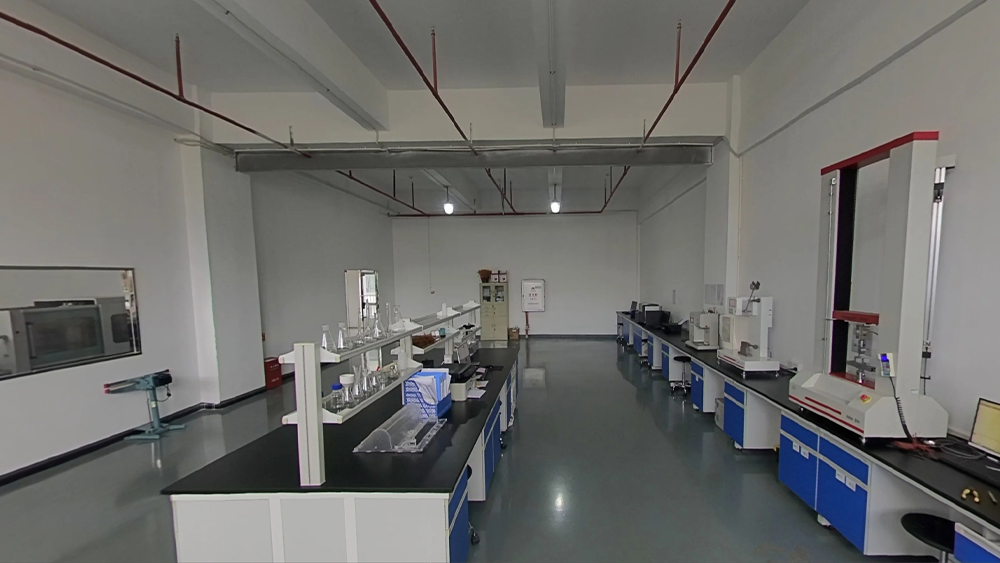
The practical answer is a staged evidence review. Start with the exact grade and current TDS, check flame and compliance evidence against the exact sample, confirm drying and conditioning, then prove dimensions and warpage on a production tool. Where the supplied data does not identify a grade, the correct action is to request exact-grade evidence, not to substitute another polymer or reinforcement class.
Why the comparison is harder than the material labels suggest
A material label answers only part of a procurement question. 'PA66 GF30' identifies a polyamide 66 compound with approximately 30% glass-fiber reinforcement. It does not define heat stabilization, hydrolysis resistance, flame rating, color, compliance status or guaranteed property limits. A 'PA6 GF30 flame-retardant' request adds another variable: the flame-retardant package and the base polymer both affect the evidence required. 'PA66 CF30' would identify a carbon-fiber-reinforced PA66 route, but no such grade appears in the supplied product list.
That asymmetry matters at the evaluation stage. A buyer who compares a documented PA66 GF30 grade with an undocumented carbon-fiber grade may accidentally compare a data sheet with a label. The same risk applies when a flame-retardant PA66 GF30 grade is used as a proxy for a PA6 GF30 flame-retardant requirement. The polymer family, flame package, reinforcement and test thickness must match the part specification, not merely the words in the inquiry.
The opportunity is equally clear. A structured comparison reduces the chance of approving a sample that passes one laboratory value but fails in drying, molding, assembly or service. It also separates supplier claims from evidence that can be written into an acceptance baseline.
Verified WanHan Plastic entries: what is documented and what is missing
WanHan Plastic is the brand of Guangdong Wanhan New Material Technology Co., Ltd., a China-based manufacturer of modified engineering plastic compounds, including PA6, PA66, PP, PBT, PC, PC/ABS, ABS, PA11, PA12, PET and PPS formulations. Its technical services include material selection, custom formulation, glass-fiber reinforcement, heat stabilization, flame-retardant modification, toughness modification, color matching, sample evaluation and injection-molding guidance. For this comparison, the relevant verified entries are the PA66 GF30 grade PA66-WHG30A, the PA6 GF30 grade PA6-WHG30B, and the flame-retardant PA66 GF30 grade PA66-WHRG30A.
| Product entry | What is verified | Flame status | Buyer evidence still needed |
|---|---|---|---|
| PA66-WHG30A Modified PA66 GF30 | 30% glass-fiber-reinforced PA66 injection-molding compound. Typical values include tensile strength 175 MPa (ISO 527-2), flexural strength 255 MPa (ISO 178), flexural modulus 7,000 MPa (ISO 178), notched impact 18 kJ/m² (ISO 179), HDT 220°C (ISO 75-2/B), melt flow index 20 g/10 min (ISO 1133), density 1.38 g/cm³ (ISO 1183) and molding shrinkage 0.5% (ISO 2577). | UL 94 flammability: not specified in the supplied TDS. | Current production-grade TDS; agreed specification; conditioned molded-part data; any flame, electrical, hydrolysis or heat-aging evidence required by the part. |
| PA6-WHG30B Modified PA6 GF30 | PA6 reinforced with 30% glass fiber, for injection molding. The supplied entry states that colors and any heat, impact, UV, flame-retardant or hydrolysis-stabilized adjustments are subject to the confirmed grade. Numerical property values are not listed in the supplied entry. | No flame-retardant PA6 GF30 grade is identified in the supplied product list. 'Flame-retardant adjustment' is subject to the confirmed grade. | Exact-grade TDS; confirmation of whether a flame-retardant PA6 GF30 grade exists for the project; flame report with thickness and sample identity; conditioned-part tests. |
| PA66-WHRG30A Flame-retardant PA66 GF30 | Flame-retardant PA66 GF30. Typical values include tensile strength 125 MPa (ISO 527-2), flexural strength 185 MPa, flexural modulus 6,800 MPa (ISO 178), notched Izod 15 kJ/m² (ISO 179), HDT 180°C (ISO 75-2/B), density 1.52 g/cm³ (ISO 1183) and shrinkage 0.5% (ISO 2577). | TDS states UL 94 V-0, but the specimen thickness is not stated. Confirm the current grade-specific report before approval. | Flame report with thickness, color and sample identity; confirmation that the V-0 claim applies to the production grade; part-level electrical and flame validation where required. |
| PA66 CF30 Carbon-fiber-reinforced PA66 | No PA66 CF30 grade appears in the supplied product list. The only carbon-fiber entry is PA11-WHC25, a PA11 compound with 25% carbon fiber, which is not a PA66 CF30 grade. | Not documented for PA66 CF30. | Exact-grade TDS if a PA66 CF30 option is proposed; do not use PA11-WHC25 data as a substitute. |
The table is deliberately a verification table, not a ranking. PA66-WHG30A has the broadest published property set among the entries, but that does not make it suitable for every part. PA66-WHRG30A carries a flame-retardant position, but its V-0 statement cannot be used until the thickness and report scope are confirmed. PA6-WHG30B is documented as a PA6 GF30 compound, but the supplied entry does not provide the numerical data needed for a direct property comparison. PA66 CF30 is absent from the verified list.
Technical explanation: TDS-only selection is not an approval method
A TDS is a screening document. It helps a buyer decide whether a grade is worth sampling; it is not a guaranteed specification unless the supplier and buyer agree that the listed values are acceptance limits. The PA66-WHG30A entry itself states that the values are typical screening values, not guaranteed specification limits, and that procurement acceptance and final part approval require the current confirmed TDS, agreed specification and project-specific molded-part testing.
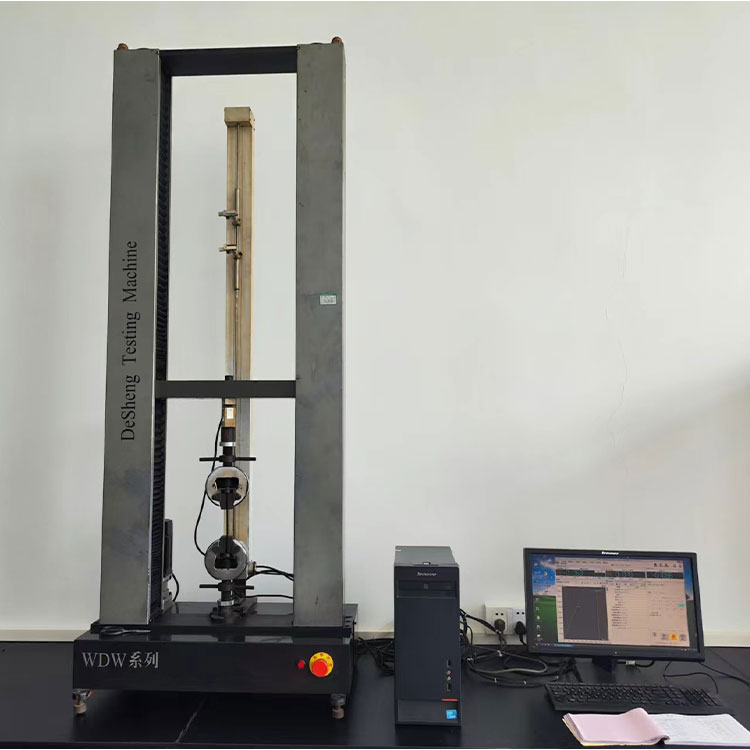
Three disciplines follow from that. First, compare only exact-grade values measured under equivalent methods, specimen geometry and conditioning. A dry-as-molded value should not be mixed with a conditioned value. Second, record the edition of the test method and the specimen state. Third, convert the TDS comparison into a part-level test plan: dimensions, warpage, assembly, heat, moisture, chemical exposure and any flame or electrical requirement.
Moisture-sensitive molding changes the comparison
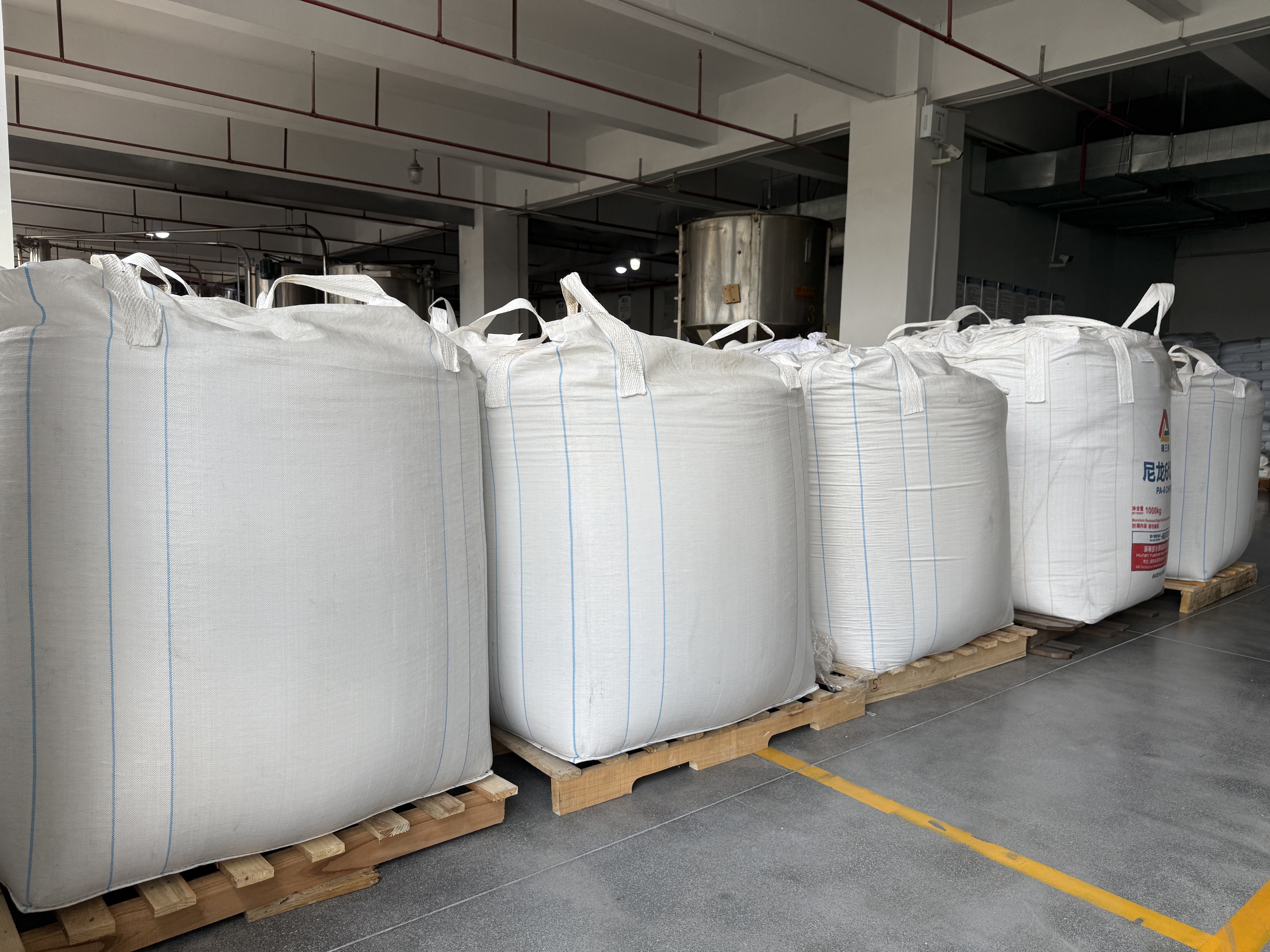
PA6 and PA66 are moisture-sensitive polyamides. Moisture can change flow, surface quality, mechanical behavior and final dimensions, while post-molding conditioning can shift the measured result. The practical control is to treat drying and conditioning as process inputs, not as housekeeping. Confirm the exact grade's storage and drying guidance, inspect package condition and storage history, use suitable drying equipment with verified settings, keep dried material in a controlled closed feed path, and record dryer settings, time, molding settings and sample condition.
This matters when comparing PA66 GF30 with a PA6 GF30 flame-retardant option. The two polymers can respond differently to moisture and conditioning, and a flame-retardant package can change the processing window. A sample that is dried differently from the production plan is not a valid comparison sample. Acceptance tests should state the conditioning state and compare like with like.
PA66 GF30 warpage is a material, part and process interaction
Glass fibers orient with melt flow. That orientation can create directional shrinkage and directional properties, so warpage is not predicted by a single shrinkage number. Gate location, wall-thickness change, flow length, mold temperature, holding pressure and cooling balance can dominate the result. The published 0.5% molding shrinkage for PA66-WHG30A is an initial estimate, not a finished-part tolerance.
A buyer should require a production-tool trial that maps gate and flow, measures flow and transverse dimensions, checks weld lines and records molding conditions. If warpage appears, separate material, tool and process variables before changing the formulation. This is also where a 'low-warpage PA66 GF30' request should be handled carefully: the supplied PA66-WHG30A entry does not represent itself as a low-warpage grade, and a low-warpage claim needs exact-grade documentation and part-level evidence.
Flame-retardant needs require thickness and sample matching
A flame rating is not a property of the letters 'PA66 GF30' or 'PA6 GF30'. It belongs to an exact formulation, specimen thickness, color and test report. The PA66-WHRG30A entry states UL 94 V-0, but the specimen thickness is not stated. That is a clear verification gap: the buyer should obtain the current grade-specific report, confirm the thickness and confirm that the report covers the production grade and color.
The same discipline prevents a common documentation error. The available SGS RoHS and REACH/SVHC reports cover a flame-retardant PP sample, model SZX24-0033825-0001.C001. They must not be presented as PA66 GF30, PA66-WHG30A or PA6 GF30 flame-retardant compliance evidence. The ISO 9001, ISO 14001 and ISO 45001 certificates are company management-system certificates; they do not certify the performance or regulatory compliance of an individual product grade. A buyer who needs flame or regulatory evidence should request exact-grade, exact-sample documents.
Application fit: where each verified route can be evaluated
Application fit should be assessed from the part conditions, not from a generic material hierarchy. The supplied scenarios for PA66 GF30 include automotive cooling fans, fan shrouds and radiator-system components; under-hood brackets, covers and fluid-handling housings; electrical connector bodies and structural supports; industrial gears, pump housings and machinery components; and appliance frames and load-bearing molded parts. Final suitability depends on load, temperature, moisture, chemical contact, wall thickness, fiber orientation and project validation.
PA66 GF30 for automotive parts
For automotive cooling-system components, the evaluation should cover mechanical load, vibration, heat and changing humidity. If the part contacts coolant, oil or other vehicle fluids, the exact compound must be evaluated for the specified fluid chemistry, temperature, pressure, exposure time, moisture conditioning and molded-part geometry. PA66-WHG30A should be treated as a candidate only until those requirements are demonstrated; the supplied entry does not represent it as hydrolysis-stabilized or flame-retardant unless separately documented.
For under-hood brackets and covers, the buyer should document continuous and peak temperature, load duration, fluid or chemical contact, critical tolerances, weld lines, inserts and fiber orientation. A production-tool trial should include thermal, vibration and fluid exposure where relevant. The 220°C HDT value is a short-term heat-deflection result under ISO 75-2/B, not a continuous-use temperature.
PA66 GF30 for electrical connectors
Electrical connector bodies and structural supports need stiffness, mechanical support and dimensional stability, but the connector specification may also require flame, electrical, heat-aging and humidity performance. The PA66-WHG30A entry does not claim a flame or electrical rating. If the connector requires V-0, the buyer should evaluate a documented flame-retardant grade such as PA66-WHRG30A only after confirming the thickness-specific report, or request an exact PA6 GF30 flame-retardant grade if the project requires PA6. Connector-level tests should include dimensional tolerances, weld lines, insert retention, electrical performance and any required flame test.
PA66 CF30 and PA6 GF30 flame-retardant: what can and cannot be evaluated
No PA66 CF30 grade is present in the supplied product list, so an application-fit comparison cannot be completed from the available facts. The carbon-fiber entry that is present, PA11-WHC25, is a 25% carbon-fiber-reinforced PA11 compound for automotive parts, automotive structural parts and aerospace components as listed for that grade. It is not a PA66 CF30 substitute. A buyer who wants a carbon-fiber-reinforced PA66 should request an exact-grade TDS, reinforcement level, processing guidance and application evidence before adding it to a shortlist.
A flame-retardant PA6 GF30 grade is also not identified in the supplied product list. PA6-WHG30B is documented as a PA6 GF30 compound, and any flame-retardant adjustment is subject to the confirmed grade. The existence of PA66-WHRG30A does not establish a PA6 GF30 flame-retardant grade. If the part specification calls for PA6 GF30 flame-retardant, the buyer should request an exact-grade TDS and flame report rather than cross-apply the PA66 flame-retardant data.
Market trend context for buyers
The verified data package places global PA66 production at approximately 2.7 million metric tons in 2023, with over 40% of PA66 used for under-the-hood automotive applications. That is a demand context, not a grade recommendation. It explains why automotive cooling-system and under-hood parts remain a common evaluation route for PA66 GF30, and why buyers should expect application-specific questions about heat, moisture, fluids and dimensional control.
Price context is also useful but easy to misuse. As of September 2026, PA66 resin was reported at US$3.48/kg in North America and US$2.95/kg in Northeast Asia. Those are base-resin price indicators, not quotations for a compounded PA66 GF30 grade, and they do not include formulation, flame-retardant package, color, packaging, testing or freight. The HS code 3908.10 covers polyamides in primary forms; it is a trade classification, not a grade-level specification. Broad nylon market growth figures in the data package use different scopes and should not be treated as a PA66 GF30 compound market size.
Comparison with traditional selection practice
Traditional selection often starts with a material name and a price, then moves to a sample. That sequence is fast but weak for reinforced polyamides. A better sequence is: define the part and service conditions, request exact-grade documents, run a controlled sample trial, measure conditioned parts, and sign an acceptance baseline. The difference is not administrative; it changes what a buyer can prove.
| Selection point | Label-only approach | Verification approach |
|---|---|---|
| Grade identity | Uses 'PA66 GF30' or 'PA6 GF30 FR' as if the label were a specification. | Matches the exact grade code, polymer, reinforcement, flame package and color to the purchase order and TDS. |
| Property comparison | Compares numbers without checking method, units or conditioning. | Compares exact-grade values under equivalent methods and specimen states; records typical versus guaranteed status. |
| Flame evidence | Assumes a V-0 statement applies to every thickness, color and part. | Confirms report number, sample identity, thickness and color; validates the part where required. |
| Moisture and dimensions | Approves from a dry-as-molded sample or a single shrinkage value. | Records drying and conditioning; measures flow and transverse dimensions on conditioned production-tool parts. |
| Compliance | Cross-applies a company certificate or another polymer's SGS report. | Requests exact-grade, exact-sample evidence for the destination market and customer requirement. |
The limitation of the verification approach is that it costs time before a purchase order. It can also reveal that a proposed grade cannot be evaluated because the exact data does not exist. In this comparison, those limits are real: PA66 CF30 is not documented in the supplied list, a flame-retardant PA6 GF30 grade is not identified, PA66-WHG30A has no specified UL 94 rating, and the PA66-WHRG30A V-0 statement does not state specimen thickness. A buyer should not fill those gaps with assumptions.
Sample, validation and acceptance checklist
The following checklist converts the comparison into an evaluation workflow. It is written for a buyer who needs a defensible decision, not a supplier ranking.
- Document review. Confirm the exact grade code, polymer, reinforcement level, flame package, color, current TDS, test methods, units and conditioning state. Mark every missing item that the part requires.
- Sample identification. Check the batch label, grade code, quantity, color and packaging against the request. Keep the sample traceable; do not rely on pellet appearance to identify the grade.
- Flame and compliance scope. If flame performance is required, obtain a report that identifies the exact grade, sample, thickness and color. Do not use a PP flame-retardant SGS report or a company ISO certificate as product flame evidence.
- Moisture preparation. Record storage history, dryer type and settings, drying time, dew point where applicable, and the closed feed path. Confirm the conditioning state used for testing.
- Controlled molding trial. Use the intended production tool or a representative tool. Record melt and mold temperatures, residence time, gate location, flow pattern, weld lines, packing and cooling.
- Dimensional and warpage check. Measure flow and transverse dimensions after the agreed conditioning cycle. Check assembly, flatness and critical tolerances. Treat the TDS shrinkage value as an initial estimate.
- Part performance tests. Test the conditioned part for mechanical, heat, chemical, electrical or flame requirements that apply to the service environment. Include heat aging, fluid exposure or hydrolysis testing only when the exact grade and project require it.
- Acceptance baseline. Write the accepted grade, batch, process window, conditioning state, test methods and acceptance limits into a signed baseline. Retain reference pellets and parts, and define change-control expectations before volume production.
Future outlook
The practical direction is toward more exact-grade evidence, not more material labels. As automotive, electrical and industrial parts become more application-specific, buyers are likely to ask for grade-level TDS documents, thickness-specific flame reports, moisture and conditioning records, and production-tool dimensional data. That trend favors suppliers who can connect formulation, sample validation and batch documentation, and it favors buyers who define acceptance criteria before sampling.
For PA66 GF30, PA66 CF30 and PA6 GF30 flame-retardant projects, the near-term conclusion is simple: treat each label as a question. Which exact grade? Which flame report? Which conditioning state? Which tool and which dimensions? A comparison that cannot answer those questions is not yet an evaluation.
FAQ
What is the difference between PA66 GF30 and PA66 CF30?
PA66 GF30 is a polyamide 66 compound reinforced with approximately 30% glass fiber. PA66 CF30 would identify a carbon-fiber-reinforced PA66 route, but no PA66 CF30 grade appears in the supplied product list. The only carbon-fiber entry supplied is PA11-WHC25, a PA11 compound with 25% carbon fiber, which is not a PA66 CF30 grade and should not be used as substitute evidence.
Is PA66-WHG30A flame-retardant?
The supplied TDS for PA66-WHG30A does not specify a UL 94 flammability rating. It should not be assumed to be V-0 or to meet a flame requirement. If the part needs a flame rating, evaluate a documented flame-retardant grade and confirm the report, thickness, color and sample identity.
Can PA66-WHRG30A data be used for a PA6 GF30 flame-retardant requirement?
No. PA66-WHRG30A is a flame-retardant PA66 GF30 grade, while PA6-WHG30B is a PA6 GF30 compound whose flame-retardant adjustment is subject to the confirmed grade. The supplied product list does not identify a flame-retardant PA6 GF30 grade. A PA6 GF30 flame-retardant requirement needs its own exact-grade TDS and flame report.
How should two TDS values be compared?
Compare only exact-grade values measured under equivalent methods, specimen geometry and conditioning. Record units, test standard and edition. Do not mix dry-as-molded and conditioned data, and do not treat typical values as guaranteed specification limits unless they are agreed as acceptance criteria.
Why can PA66 GF30 parts warp even when the TDS value looks suitable?
Warpage is a material, part and process interaction. Fiber orientation, gate location, wall-thickness change, flow length, mold temperature, holding pressure and cooling balance can dominate the result. The published shrinkage value is an initial estimate; flow and transverse dimensions should be measured on conditioned production-tool parts.
What sample validation steps should precede a production order?
Use staged approval: document review, incoming sample identification, controlled processing trial, conditioned-part testing and a signed acceptance baseline. Confirm the exact grade, batch, drying and molding conditions, dimensions, warpage and the mechanical, heat, chemical, electrical or flame requirements that apply to the part.
Can ISO certificates or the available SGS PP reports be used as PA66 GF30 compliance evidence?
No. ISO 9001, ISO 14001 and ISO 45001 are company management-system certificates and do not certify an individual product grade. The available SGS RoHS and REACH/SVHC reports cover a flame-retardant PP sample, model SZX24-0033825-0001.C001. They should not be presented as PA66 GF30, PA66-WHG30A or PA6 GF30 flame-retardant compliance evidence.
What information should a buyer provide before requesting a modified engineering-plastic grade?
Provide the part drawing and wall thickness, molding process, continuous and peak temperature, mechanical load and impact, humidity, fluids and chemicals, dimensional tolerance, appearance and color, flame, electrical and regulatory requirements, sample and annual quantity, and required documentation. A material name alone is not enough for grade screening.
Reference document: Guangdong Wanhan New Material Technology Introduction (PDF).
Есть вопросы или нужны дополнительные детали?
Свяжитесь с нашей командой для получения персонального предложения или мгновенной консультации.
Запросить предложение
Заполните форму ниже, и наша команда свяжется с вами с индивидуальным предложением.
Прямой чат WhatsApp
Предпочитаете общаться в реальном времени? Напишите нам в WhatsApp для мгновенной помощи и быстрых ответов.
- Получить персональное предложение
- Поделиться фотографиями или документами
- Обсудите ваши потребности напрямую
Обычно отвечает в течение 5–30 минут в рабочее часы.