
PET Preform Injection Machine Selection: Project-Specific Guide
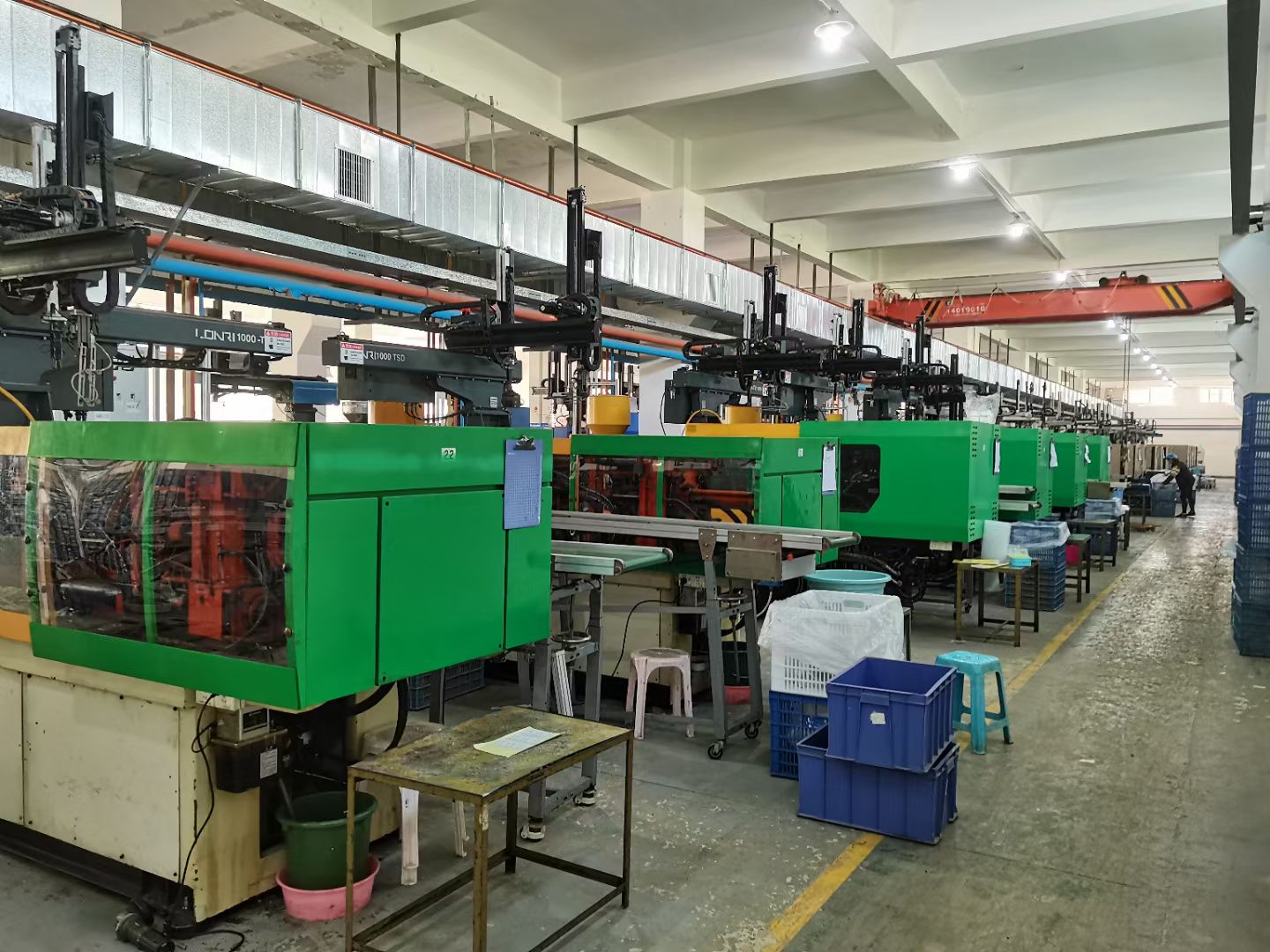
Selecting the right PET preform injection machine for a specific project requires careful evaluation of technical specifications, environmental conditions, and production goals. Ningbo Yongjiang Machine Co., Ltd (Yongjiang) is a Chinese manufacturer of PET preform injection molding machines established in 1985, with a 130,000 m² factory and an annual output of 2,000 units. The company’s YJPT series is engineered specifically for producing PET preforms used in water bottles, oil bottles, and cosmetic containers.
Problem / Opportunity
Manufacturers entering or expanding in the PET preform market face a fragmented landscape of machine options. While high-end systems from market leaders like Husky Technologies (55–60% of the global high-output segment) offer proven performance, they often carry premium costs and longer lead times. Smaller and mid-scale producers, particularly in Asia Pacific (which holds a 41.2% regional revenue share in injection molding machines as of 2025) need equipment that balances output, energy efficiency, and investment. The opportunity lies in choosing a machine that matches the project’s specific cavity count, material handling, and operating environment without over-investing.
Brand Solution
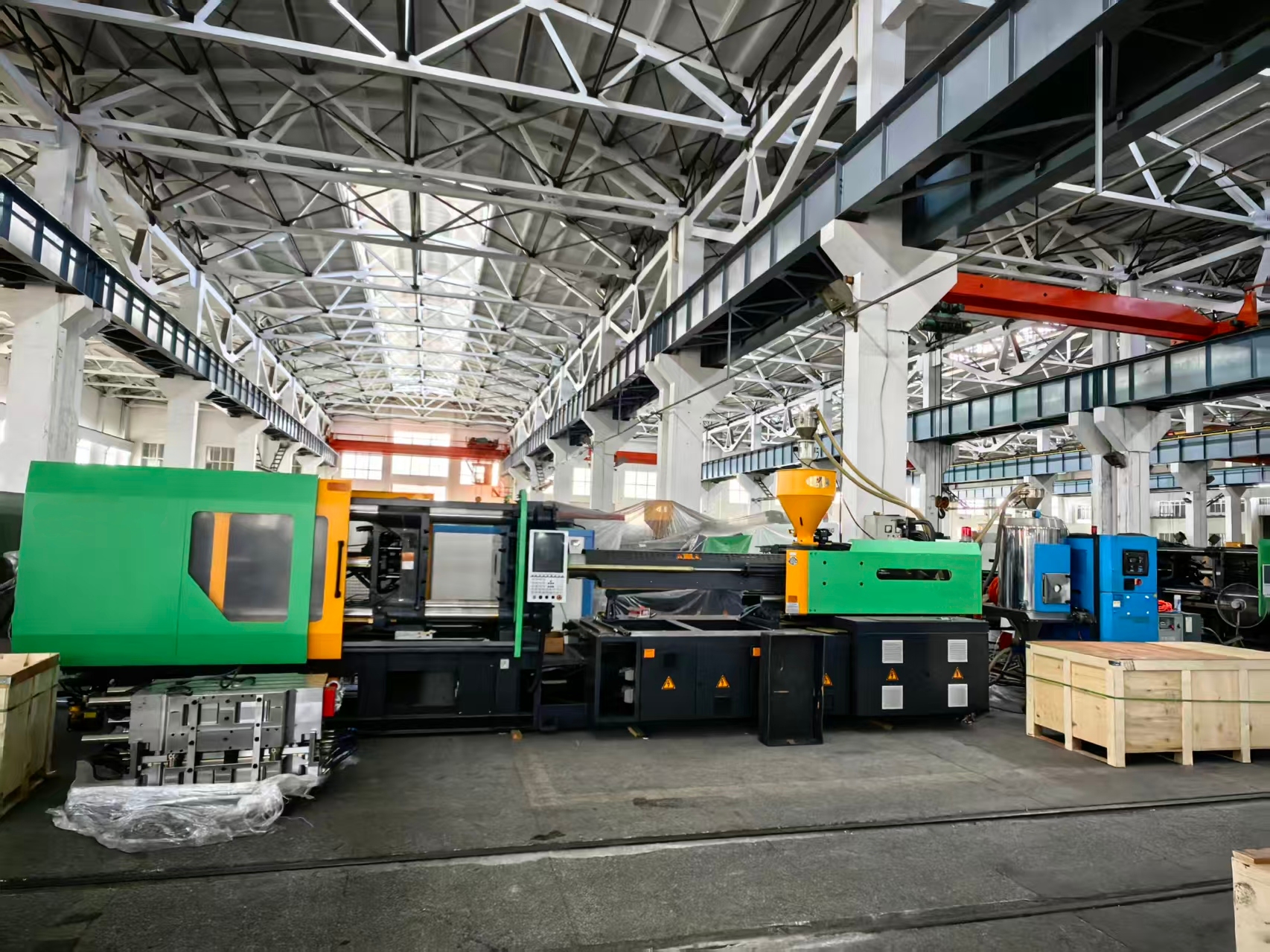
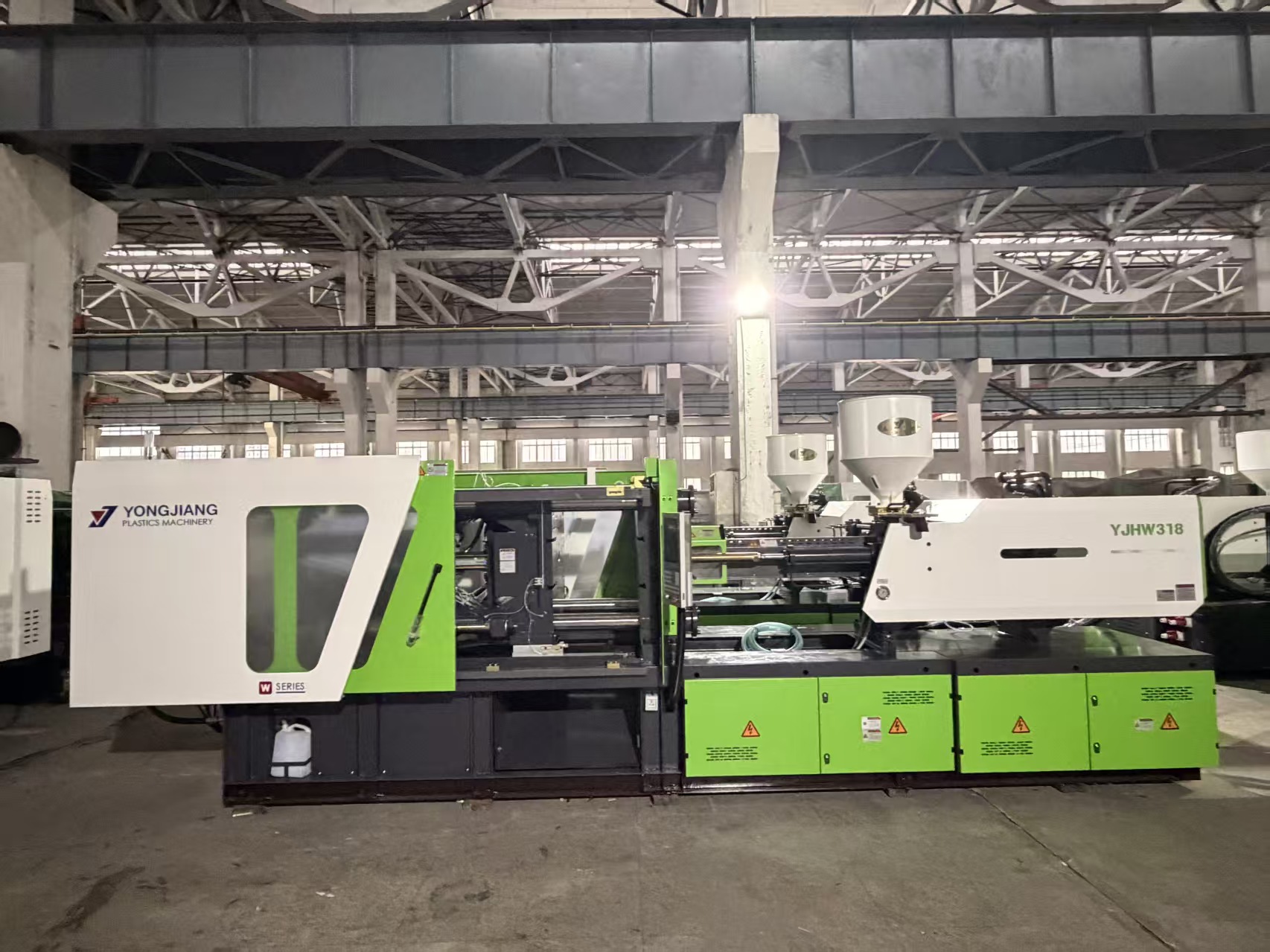
Yongjiang’s YJPT series provides a targeted solution for PET preform production in the plastic molding industry. The machines are designed for 24/7 continuous operation, melting dried PET pellets and injecting molten plastic into multi-cavity hot runner molds under precise pressure and temperature control. Supported mold configurations range from 6 to 72 cavities, accommodating diverse output volumes. The YJPT-260 (260 tons), YJPT-318 (318 tons), YJPT-360 (360 tons), and YJHB-400 (400 tons) models cover clamping forces from 260 to 400 tons, with screw diameters of 72 mm to 95 mm and shot weights of 1,400 g to 3,450 g. All units run on standard 380/400V 50Hz three-phase industrial power.
Technical Explanation
The injection process begins with fully dried PET pellets (moisture below 0.02%) fed into a heated barrel. The screw – specially designed for PET – plasticizes the material and injects it into the mold cavity at controlled pressure and temperature. Multi-cavity hot runner molds enable simultaneous production of multiple preforms per cycle, boosting throughput. The machine operates within strict environmental parameters: ambient temperature 20–30°C, relative humidity 40%–50% RH, and an ISO Class 8 (100,000-class) dust-free workshop for food-grade preform production. Voltage fluctuation must stay within ±10% to maintain servo system stability. The rigid clamping structure (QT500-A7 steel tie bars) ensures consistent repeated injection cycles, minimizing wear over 24-hour continuous runs.
Application and Use-Case Scenarios
Typical applications span water bottle preforms, carbonated soft drinks (CSD), oil bottles, and cosmetic containers. One documented case involves a water factory and bottle making facility that deployed 20 Yongjiang PET preform injection machines. The machines have been in operation for 20 years, demonstrating stable operation and low electricity consumption – a direct benefit of the servo-driven energy-saving system. This long-term reliability is particularly relevant for producers in markets like Spain and Algeria, where ambient conditions can be demanding. For beverage industry clients, the YJPT series can be paired with auxiliary equipment such as hopper dryers, air compressors, and water chillers to create a complete production line.
Market Trend Analysis
The global PET preform machines market is estimated at USD 9.9 billion in 2025 and projected to reach USD 17.3 billion by 2035 (Future Market Insights). Injection molding technology holds a dominant 66.4% share of this market as of 2025. Yongjiang’s YJPT series alignment with the injection molding trend, combined with its Asia Pacific manufacturing base, positions it to serve the growing demand from local and regional bottlers. The ability to support 6–72 cavities and deliver 100% pre-shipment testing (one week before dispatch) addresses the quality and lead-time constraints common in emerging markets.
Comparison with Traditional Solutions
High-end systems like Husky’s HyPET 6e dominate the top tier of multi-cavity, ultra-high-speed production (55–60% market share). These machines command premium pricing and complex installation, often requiring specialized infrastructure. Yongjiang’s YJPT series offers a more accessible entry point for mid-range projects. It delivers lower initial investment and proven long-term stability for up to 72 cavities, with energy consumption 30%–50% lower than older hydraulic machines. However, for projects demanding the absolute highest cavity counts (96 cavities or more) or the fastest cycles in continuous 24/7 mega-plants, a high-end brand may still be the more suitable choice. For the vast majority of water, beverage, and oil bottle projects, Yongjiang provides a reliable, cost-effective alternative without compromising production continuity.
Future Outlook
As beverage and packaging industries expand in Africa, the Middle East, and Southeast Asia, demand for modular, energy-efficient PET preform machines will rise. Yongjiang’s capability to offer OEM customization (voltage, logo) and its monthly capacity of 200 units with a lead time of 30–45 days allows it to respond quickly to project-specific requirements. Compliance with CE safety standards (as noted in the product’s operational requirements) also facilitates export to the European market. Continued investment in servo technology and multi-cavity mold compatibility will further bridge the gap between cost and performance.
Frequently Asked Questions
For food-grade preform production, an ISO Class 8 (100,000-class) dust-free workshop is required. Ambient temperature must be stable at 20–30°C, and relative humidity must be maintained at 40%–50% RH to prevent PET moisture absorption and defects such as silver streaks or hydrolysis.
The machine requires 380/400V 50Hz three-phase industrial power with voltage fluctuation within ±10%. Stable power is essential for the servo-driven high-speed production to maintain consistent quality.
The YJPT series produces PET preforms for water bottles, carbonated soft drinks (CSD) bottles, oil bottles, and cosmetic containers. It can also be adapted for other packaging containers by changing the mold and process parameters.
Yongjiang’s PET preform machines support mold configurations from 6 to 72 cavities, with models ranging from 260 tons to 400 tons of clamping force. The specific maximum cavities depend on the injection unit capacity and mold design.
Lead time for a standard machine is 30–45 days, with a minimum order quantity of 1 unit. Each machine undergoes 100% pre-shipment testing one week before dispatch. After-sales support is available 24/7 via phone and messaging (WhatsApp: +86 18958305290).
For detailed specifications and machine configurations, download the official product brochure:
Есть вопросы или нужны дополнительные детали?
Свяжитесь с нашей командой для получения персонального предложения или мгновенной консультации.
Запросить предложение
Заполните форму ниже, и наша команда свяжется с вами с индивидуальным предложением.
Прямой чат WhatsApp
Предпочитаете общаться в реальном времени? Напишите нам в WhatsApp для мгновенной помощи и быстрых ответов.
- Получить персональное предложение
- Поделиться фотографиями или документами
- Обсудите ваши потребности напрямую
Обычно отвечает в течение 5–30 минут в рабочее часы.