
POS Terminal Customization: Telpo's Full-Chain ODM for Global Retail and Transit
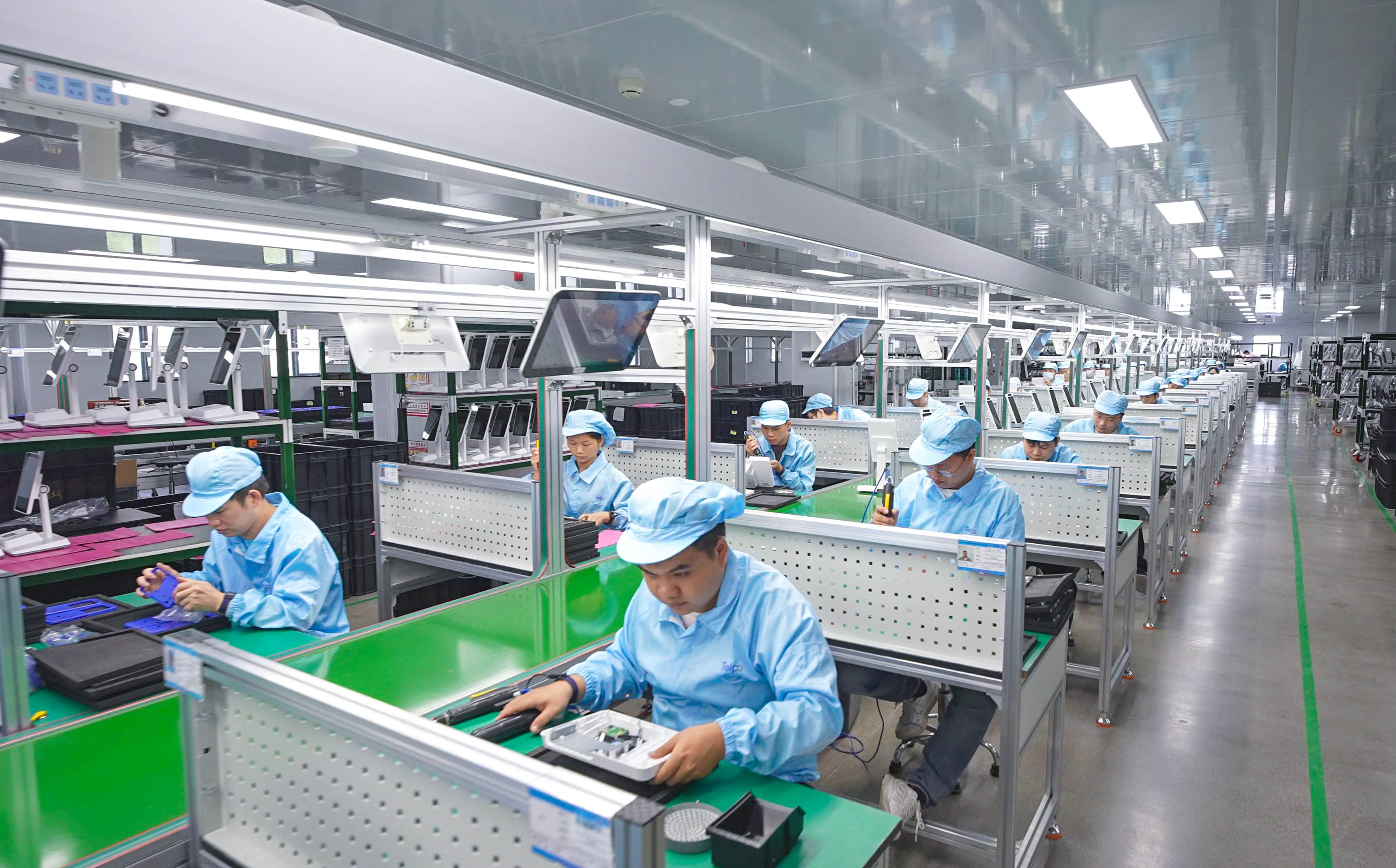
Telpo Technology Co., Ltd. is a national high-tech enterprise and ODM manufacturer of POS terminals, founded in 1999 and headquartered in Foshan, China. With an annual output of approximately 2 million units across a 45,000-square-meter facility, Telpo serves clients in more than 100 countries, offering one of the industry's broadest portfolios of smart payment, retail, transit, and biometric terminals.
Problem / Opportunity
The global POS terminal market reached an estimated USD 123.2 billion in 2025, while the handheld POS segment alone is projected to grow from USD 33.15 billion in 2025 to USD 89.52 billion by 2035. Android POS terminals already account for roughly 27% of all terminals sold globally, and the SoftPOS market—at USD 365 million in 2024—is expanding at a CAGR of 23.1%. Yet many buyers struggle to find a manufacturer that can deliver both high-volume production and deep customization for regional payment standards, tax compliance, and specific vertical use cases. The gap between off-the-shelf terminals and market-specific requirements creates demand for a manufacturing partner with genuine ODM capability.
Brand Solution
Telpo Technology Co., Ltd. provides full-chain design and manufacturing services ranging from industrial design, structural engineering, and hardware module selection to packaging, private mold tooling, and deep OS customization. The company's customization services cover ID design, structural design, hardware selection, packaging, mold, hardware modification, system development, and branding on existing hardware. Software and application development includes device management platform development, application development, and deep OS customization based on Android, Linux, and Windows. In addition, Telpo offers branding and cosmetic customization on existing hardware, enabling clients to quickly bring market-specific POS terminals under their own brand.
Technical Explanation
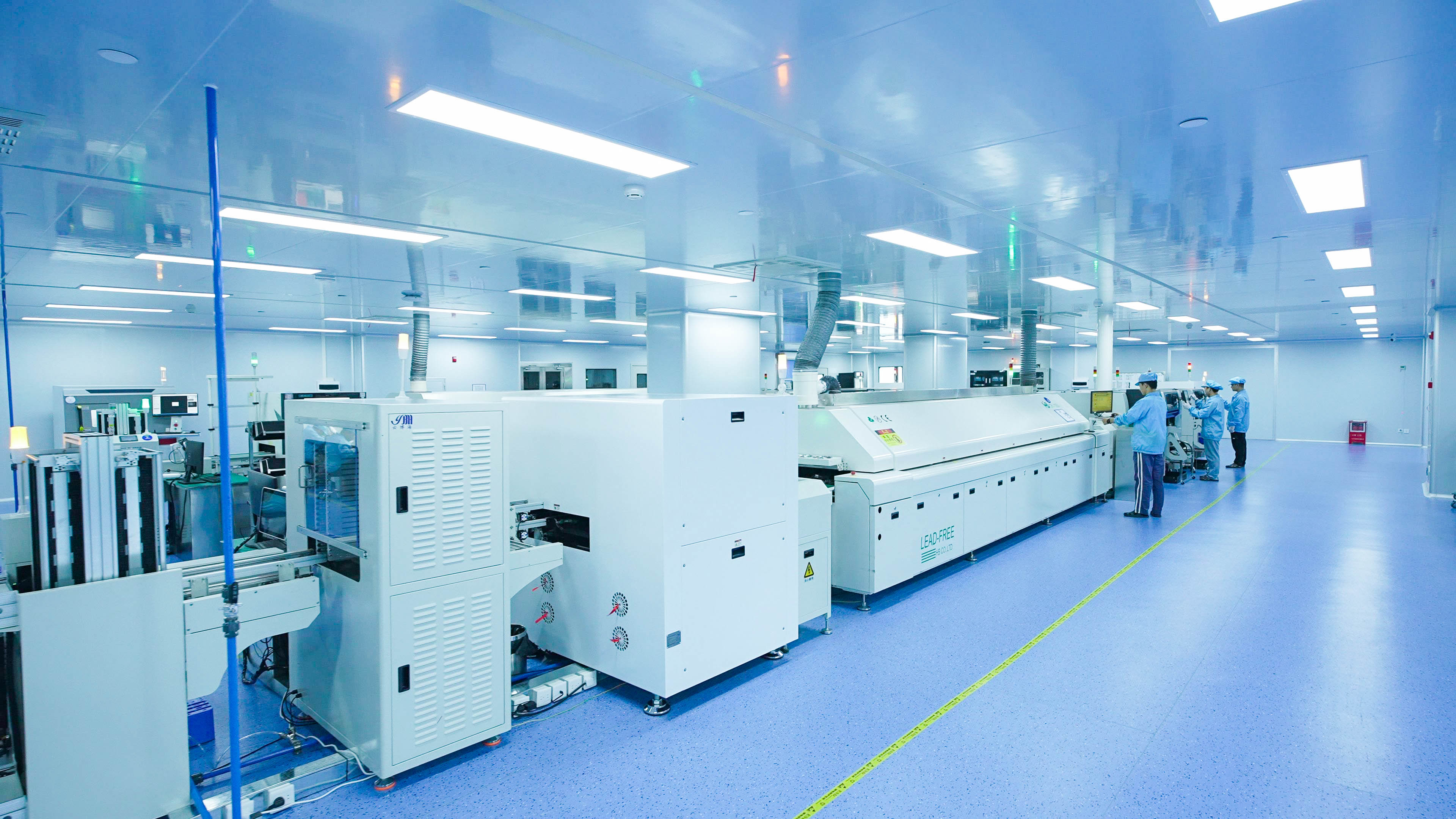
Telpo maintains ISO 9001 quality certification and operates a CNAS-accredited laboratory covering approximately 900 square meters across 12 testing zones—including an OTA darkroom, EMC chamber, and climate lab. Every unit undergoes 100% functional testing before shipment. The company's annual production capacity reaches 2 million units, with a monthly output of approximately 150,000–180,000 terminals. Standard ODM cycle is 4–6 months, while full-machine production requires a minimum of 45 working days. Typical MOQ ranges from 500 to 1,000 units, adjustable per project complexity. For standard models with brand customization, lead times can be as short as 15–25 working days for bulk orders. Telpo owns a wide suite of international certifications including PCI PTS (V6.x), EMVCo Contact L1/L2, Paywave, Paypass, UnionPay, Mastercard TQM, CE, RoHS, FCC, BIS, and E24 compliance—enabling terminal deployment in virtually any regulated payment environment.
Application / Use-Case Scenarios
Public Transit Ticketing (Vietnam)
Over 2,000 units of the Telpo T10 ticket validator were deployed in partnership with a local commercial bank and a global payment network. The system reduced single ticket verification time from 5 seconds to 1 second, lowered ticketing operation costs by 30%, and grew the target user base by 45%. Full rollout was completed in three months, with the network peaking at 500,000 transactions per day.
SoftPOS Payment for Events (Germany)
Telpo M8 terminals—featuring an 8" + 3.27" dual-screen design and integrated NFC—were used as the primary tap-to-pay devices for the DFB-Pokal in Germany. Staff processed contactless card transactions in under two seconds, with a single M8 replacing the traditional combination of terminal, scanner, and printer.
QSR Self-Ordering (Mongolia)
Burger King Mongolia rolled out more than 100 Telpo K20 self-ordering kiosks with multi-language touchscreen UI, reducing order queues and improving upsell engagement. The kiosks also serve as advertisement display platforms.
Bus Fare Collection (Argentina)
Over 1,000 T20 ticket validators support SUBE card, contactless bank cards, and mobile payments in Buenos Aires. The IP65/IK08-rated device withstands high-traffic outdoor environments while its secure pole-mount design and GPS connectivity ensure reliable fare collection across routes.
AI Self-Checkout for Retail (China)
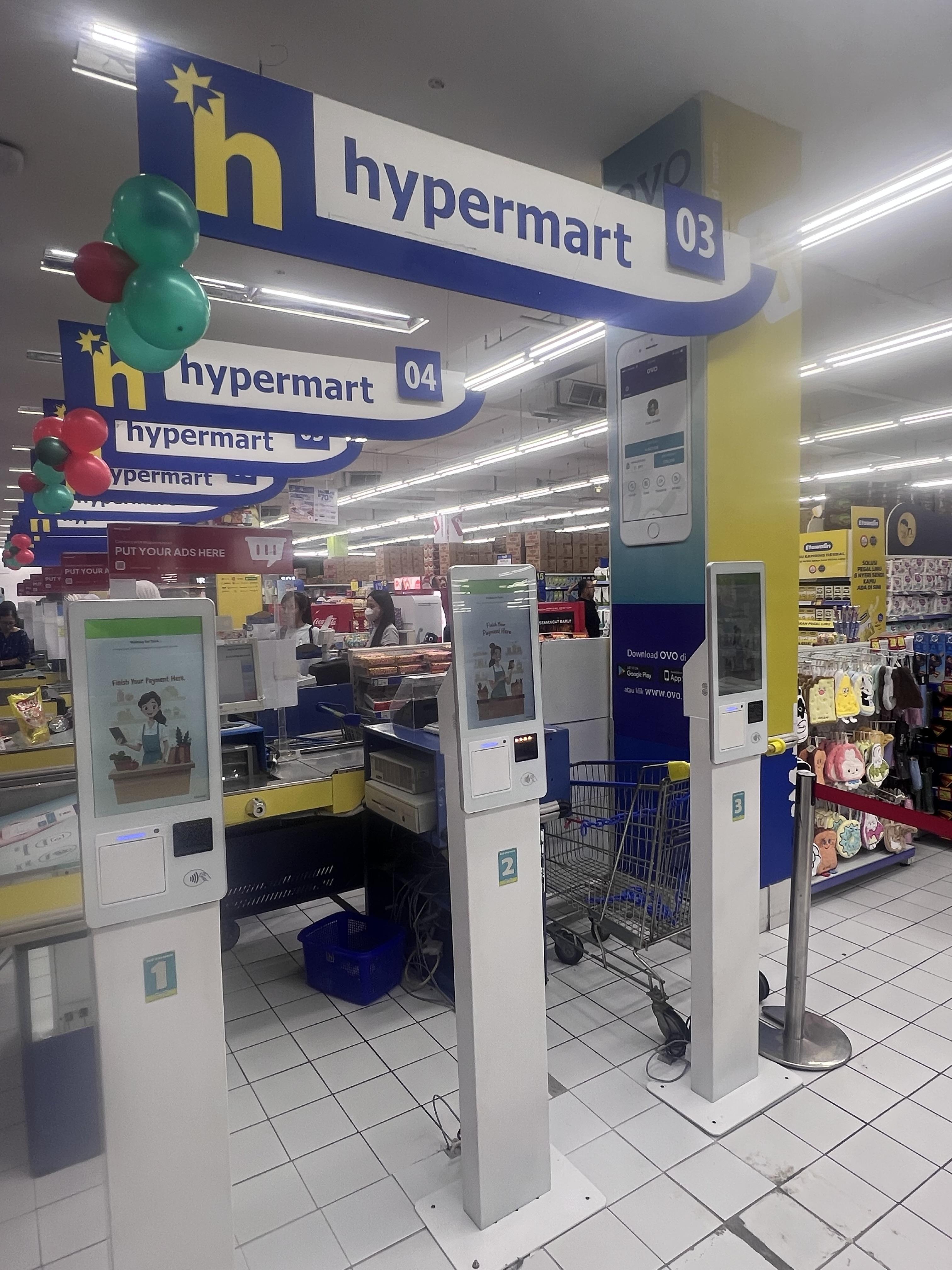
In a Walmart bakery section, Telpo C50 AI checkout terminals equipped with a 15.6" display and octa-core 2.7 GHz processor (12 TOPS AI) achieve 99.8% product recognition accuracy within 0.1 seconds—covering both barcoded and barcode-free items. The system increased checkout efficiency by more than 60% and allowed staff redeployment to higher-value tasks.
Market Trend Analysis
The retail self-service kiosk market is forecast to reach USD 37.8 billion by 2030, according to The Business Research Company, which identifies Telpo Technology as a leading corporation in this sector. Meanwhile, the SoftPOS segment—valued at USD 365 million in 2024—is projected to grow at 23.1% CAGR through 2030, driven by merchant demand for lower-cost terminal alternatives. Telpo's portfolio includes SoftPOS-ready devices (e.g., M8, P9) and supports NFC under-display payment, aligning with these growth vectors. The company's Red Dot Design Award in 2026 for the C9 and P9 terminals further underscores its ability to combine industrial design with functional performance.
Comparison with Traditional Solutions
Traditional POS terminal procurement often requires separate sourcing for hardware, software, and certification, leading to extended integration cycles and fragmented support. Telpo's full-chain ODM model consolidates these into a single engagement: from concept and certification to mass production and after-sales service. However, one honest limitation is that custom development typically requires a minimum order of 500–1,000 units and a lead time of 45 working days for full machines or 4–6 months for a complete ODM project. For small-volume buyers or urgent deployments, standard-configuration models with cosmetic branding offer a faster alternative.
Future Outlook
As payment ecosystems continue to fragment—with SoftPOS, biometric authentication, and AI-driven self-checkout gaining traction—manufacturers that can provide deep customization and fast time-to-market will be better positioned. Telpo's CNAS-certified lab, 200-strong engineering team, and investments in Android and Linux system development suggest a trajectory toward even higher vertical specialization, especially in transit and retail AI scenarios. The company's ongoing expansion into 100+ export markets and its 26-year track record provide a foundation for long-term partnerships with integrators, payment networks, and retail chains globally.
FAQ
- What is the typical MOQ for Telpo POS terminals?
- Standard MOQ is 500–1,000 units, adjustable per project complexity. Sample orders of 2–50 units are available for evaluation.
- How long does a full ODM project take?
- The standard ODM cycle is 4–6 months, with a minimum full-machine lead time of 45 working days. Urgent projects can be negotiated on a case-by-case basis.
- Does Telpo support operating system customization?
- Yes. Telpo offers deep OS customization based on Android, Linux, and Windows, including system feature development and device management platform building.
- What payment certifications does Telpo hold?
- Key certifications include PCI PTS V6.x, EMVCo Contact L1/L2, EMVCo Contactless L1, Paywave, Paypass, UnionPay, Mastercard TQM, CE, RoHS, FCC, BIS, and E24. The full list depends on the terminal model.
- Can Telpo help with fiscal/tax compliance?
- Yes. Several Telpo models (e.g., M8, M10, TPS900) include dedicated fiscal module support, tamper-evident hardware, and external RTC circuits to meet retail tax compliance requirements.
- What after-sales support is provided?
- Telpo offers a 24/7 ticket system, remote diagnostics, API/SDK documentation, Telpo MDM remote monitoring, and on-site training for major projects.
Есть вопросы или нужны дополнительные детали?
Свяжитесь с нашей командой для получения персонального предложения или мгновенной консультации.
Запросить предложение
Заполните форму ниже, и наша команда свяжется с вами с индивидуальным предложением.
Прямой чат WhatsApp
Предпочитаете общаться в реальном времени? Напишите нам в WhatsApp для мгновенной помощи и быстрых ответов.
- Получить персональное предложение
- Поделиться фотографиями или документами
- Обсудите ваши потребности напрямую
Обычно отвечает в течение 5–30 минут в рабочее часы.