
PVC Foam Board vs. Plywood: Total-Cost Comparison for Buyers
A procurement-focused comparison of PVC foam board and plywood covering material properties, installation speed, maintenance, and total project cost.
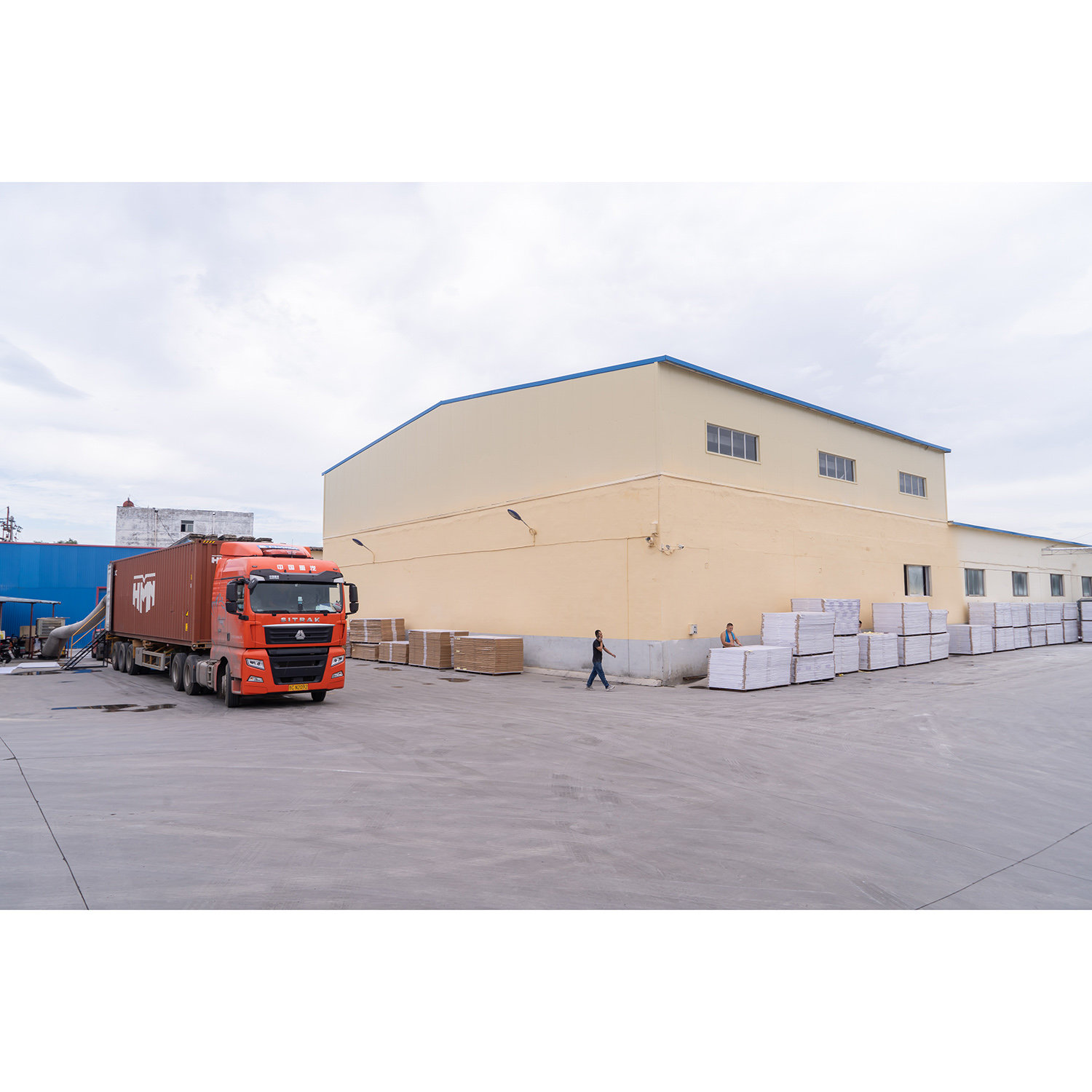
Image: PVC foam board product and plant context.
Procurement teams comparing flat panel materials for signage, construction, and furniture often start with two names: PVC foam board and plywood. At first glance, the choice appears to be cost-driven, because plywood typically has a lower unit price. But a more reliable comparison includes water resistance, weight, installation speed, maintenance, and service life. These factors can shift the total project budget by more than the initial material price difference.
The global PVC foam board market was valued at roughly USD 2.1 billion in 2024 and is projected to grow to USD 3.6 billion by 2032, according to Verified Market Research. Much of that demand comes from industries that need a lightweight, moisture-resistant panel with a smooth surface. For buyers at the decision stage, the question is not whether PVC foam board is a good product in general, but whether it is the right product for a specific project and budget.
Why the Unit-Price View Is Incomplete
Plywood has been a default panel material for decades because it is familiar, widely available, and inexpensive at the point of purchase. However, the cost of a board is not limited to its purchase price. Plywood tends to absorb water, can warp or shrink in humid conditions, and usually needs sealing or painting before it can be used in finished applications. These steps add labor, materials, and time.
PVC foam board addresses those issues with a different material structure. The closed-cell foamed core reduces water uptake, while the smooth outer skin does not require protective coating. In projects where moisture, finishing labor, and maintenance are significant line items, a higher unit price can be offset by lower total cost.
DINGTIAN as a Market Reference
One manufacturer that illustrates the export-oriented PVC foam board segment is Zibo Dingtian Plastics Co., Ltd. Founded in 2004 and located in the Zichuan Economic Development Zone of Zibo, Shandong Province, the company operates a 30,000 m² facility with 181 employees and an annual production capacity of 50,000 tons. Dingtian exports around 80% of its output to Southeast Asia, the Middle East, and North and South America.
Zibo is a recognized plastics processing base in East China. Regional context supports the availability of raw materials, process expertise, and logistics links to Qingdao Port and Rizhao Port. Dingtian sits within this industrial ecosystem as a core exporter. For buyers, a supplier with this kind of manufacturing scale and export experience can provide more consistent quality assurance and supply continuity than smaller, less established producers.
Dingtian's PVC foam boards are designed for applications where surface smoothness, moisture resistance, and long-term dimensional stability matter. The material's smooth and hard surface is one of its core differences from traditional wood panels, and it is a reason the board is specified for furniture and cabinet applications.
Technical Properties That Drive Cost and Performance
PVC foam board is a lightweight rigid sheet produced from polyvinyl chloride and a foaming process that creates a cellular core beneath a hard outer skin. Different production methods affect the internal cell structure and surface properties. Co-extruded boards, for example, feature a rigid PVC skin and a foamed core, providing higher surface hardness and impact resistance compared with standard Celuka boards, according to Skyline Composites.
When compared with plywood, the performance gaps are measurable:
- Water absorption: PVC foam board has 0% water absorption, compared with 8–15% for plywood.
- Weight: PVC foam board is about 50% lighter than plywood, reducing transportation fuel consumption and making handling easier.
- Installation speed: PVC foam board can be installed 60% faster than plywood because it is easy to cut and align and does not need surface preparation.
- Service life: In outdoor exposure, PVC foam board lasts roughly three times longer than plywood.
- Maintenance: PVC foam board does not require sealing or painting, can be washed with water, and does not warp or shrink.
These properties are not surface-level benefits; they influence labour schedules, finishing budgets, and replacement frequency.
Where PVC Foam Board Delivers the Clearest Value
Signage and Advertising
Advertising and signage account for approximately 35% of global PVC foam board demand, according to Laird Plastics. The board's flat, smooth surface is suited for digital printing, cut lettering, display stands, and exhibition panels. For sign-makers, the ability to print directly onto the board without a separate coating step shortens production time, while weather resistance supports outdoor installations.
Construction and Interior Finishing
In construction, PVC foam board is used for wall cladding, ceiling panels, door skins, and decorative profiles. Fire performance is often a specification requirement. PVC foam boards commonly undergo ASTM E84 testing to achieve a Class A fire rating, with a Flame Spread Index of 0–25. In thinner gauges, PVC foam board can achieve a V-0 flammability classification under UL 94 standards. These benchmarks help procurement teams align material selection with building code requirements.
Furniture and Cabinetry
Furniture and cabinet manufacturers use PVC foam board in bathroom vanities, kitchen cabinets, and storage furniture. The 0% water absorption rate is particularly relevant in areas where moisture and cleaning agents are present. Because the board does not swell or warp, it maintains structural integrity in humid conditions, making it more suitable than plywood for furniture and cabinet scenarios.
Market Trends and Regulatory Signals
Verified Market Research projects the global PVC foam board market will grow from approximately USD 2.1 billion in 2024 to USD 3.6 billion by 2032. Alongside this expansion, application demand is shifting toward signage, construction, and furniture, where consistent surface quality and moisture performance are essential.
China now accounts for about 20% of global exports of plastic building materials, including PVC boards, according to the Observatory of Economic Complexity. This makes Chinese manufacturers a central part of international sourcing decisions. Dingtian's location in Zibo, within a mature plastics manufacturing cluster, aligns with that export pattern.
Regulation is another factor in material selection. Under the EU REACH Regulation, lead in PVC articles must be below 0.1% by weight as of November 29, 2024. This has made lead-free formulations a compliance priority for PVC board manufacturers selling into Europe. Buyers should verify that the product they are purchasing meets applicable regional restrictions, rather than assuming all PVC foam boards are equally compliant.
PVC Foam Board vs. Plywood: Side-by-Side Comparison
The following table summarizes the main performance and cost indicators commonly used in supplier evaluations.
| Metric | PVC Foam Board | Plywood |
| Water absorption | 0% | 8–15% |
| Weight | About 50% lighter than plywood | Baseline |
| Outdoor service life | About 3 times longer than plywood | Baseline |
| Installation speed | About 60% faster than plywood | Baseline |
| Sealing/painting | Not required | Often required |
| Unit price | 20–30% higher than plywood | Baseline |
| Total project cost | About 15% lower when finishing, maintenance, and installation are included | Higher after finishing and maintenance are included |
The table is a simplification, but it captures the logic behind many purchasing decisions. The biggest trade-off is the higher initial unit price of PVC foam board. Projects with a very short use period, no moisture risk, and no finishing requirements may still be served well by plywood at a lower upfront cost. For projects where painting, maintenance, and rework are expected, the total-cost equation usually shifts in favor of PVC foam board.
Another boundary is structural. PVC foam board is not a direct substitute for structural plywood in load-bearing framing applications. It performs best as a panel for cladding, signage, furniture, and semi-structural interior use. Buyers should check load requirements with an engineer before replacing plywood in applications where structural strength is critical.
How to Estimate Total Project Cost
A simple estimation model compares material price, surface preparation cost, installation labor, maintenance frequency, and expected lifespan. When these variables are entered into a spreadsheet, the initial advantage of plywood's lower unit price often narrows. PVC foam board's higher unit price is offset by eliminated painting and sealing, faster installation, and lower replacement frequency.
A Practical Procurement Checklist
During supplier evaluation, buyers can compare PVC foam board options using the following checklist:
- Confirm density and thickness tolerance for the intended application.
- Request water absorption test data and compare it with plywood or alternative boards.
- Verify whether the board meets the fire standard required by the destination market.
- Check lead content compliance, especially for shipments to the EU.
- Ask for handling and packaging procedures to reduce transit damage.
- Obtain a total project cost estimate that includes transportation, finishing labor, installation, and maintenance.
These steps shift the conversation from unit price to lifecycle value.
Sourcing Considerations for Import Buyers
Material performance is only one part of a procurement decision. Import buyers also face risks in handling, logistics, and product consistency. PVC foam board can be damaged during loading and unloading if operators do not treat it correctly. In response, established manufacturers train loading crews and use dedicated handling tools. Dingtian, for example, provides special operator training before loading and unloading operations, clarifying the fragile and vulnerable characteristics of the board and standardizing the handling process, with on-site supervision during shipment.
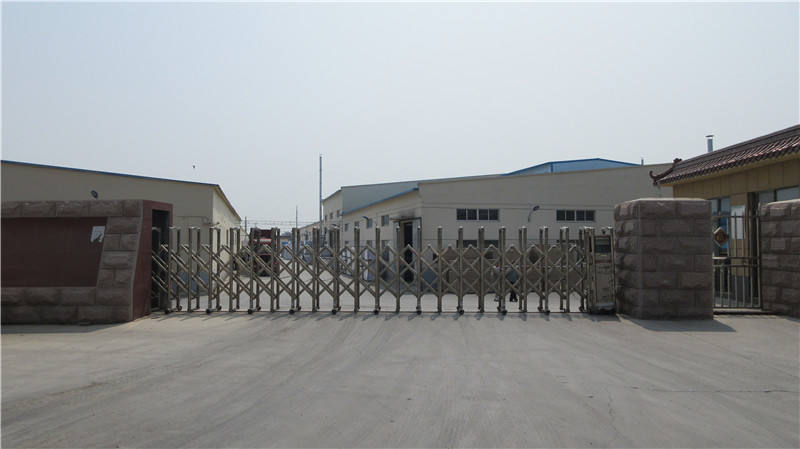
Image: Factory and export handling context from DINGTIAN's facility.
These process controls matter because transit damage is a leading cause of claims when importing large-format board products. Supplier audits should therefore include not just product specifications, but also loading procedures, packaging standards, and the experience of the export team.
Future Outlook for Buyers
Several currents will shape how buyers choose between PVC foam board and plywood in the coming years. Regulatory pressure to remove lead from PVC aligns with demand for more eco-friendly materials. The expansion of signage and display networks supports continued growth in PVC foam board volumes. And as project owners become more aware of total cost of ownership, purchasing decisions will increasingly weigh maintenance and installation speed, not just material price.
For manufacturers, the ability to deliver consistent quality, meet regional compliance requirements, and prevent transit damage will separate reliable suppliers from transactional sellers. For buyers, the comparison between PVC foam board and plywood should be updated with real project data, including finishing labor rates, maintenance cycles, and expected service life.
Frequently Asked Questions
1. How does the total cost of PVC foam board compare with plywood?
Although the unit price of PVC foam board is typically 20–30% higher than plywood, the total project cost can be about 15% lower because painting and maintenance are eliminated and installation is faster. The final gap depends on the project's finishing requirements and expected service life.
2. Does PVC foam board absorb water?
PVC foam board has 0% water absorption in standard comparisons, while plywood absorbs between 8% and 15% water under similar conditions. This makes PVC foam board more stable in humid environments.
3. Is PVC foam board lighter than plywood?
Yes. PVC foam board is about 50% lighter than plywood, which helps reduce transportation fuel and makes installation faster and easier for crew members.
4. How long does PVC foam board last outdoors compared with plywood?
In outdoor exposure, PVC foam board has a service life about three times longer than plywood. Unlike plywood, it does not warp or shrink, and it can be washed with water without surface damage.
5. Does PVC foam board need painting or sealing?
No. PVC foam board does not require sealing or painting. Its smooth and hard outer surface is ready for use or printing, which saves finishing labor and materials.
6. What fire ratings can PVC foam board achieve?
PVC foam boards used in construction commonly undergo ASTM E84 testing and can achieve a Class A fire rating with a Flame Spread Index of 0–25. In thinner gauges, they can also achieve a V-0 rating under UL 94 standards.
7. What are the main applications of PVC foam board?
The largest application segment is signage and advertising, which accounts for about 35% of demand. PVC foam board is also used in construction, interior finishing, furniture, and cabinetry where moisture resistance and surface quality are important.
Making the Decision
The comparison between PVC foam board and plywood is not only about the sticker price of a panel. It is about how the material performs in the ambient conditions of a project, how much labor is needed to finish it, and how often it will need to be replaced. PVC foam board has measurable advantages in water resistance, weight, installation speed, and outdoor service life. Plywood remains a practical option for projects where upfront cost matters more than lifecycle cost and where structural framing is required.
Buyers who need a fuller reference can download the DINGTIAN company brochure, which includes product specifications and manufacturing information. The link is publicly available below.