
Руководство по выбору поставщиков автоматизации упаковки: стратегические рамки для специалистов по закупкам
A Strategic Guide to Selecting Your Packaging Automation Partner
April 5, 2026
Investing in packaging automation is a strategic decision that directly impacts production efficiency, operational costs, and product quality. For procurement professionals, navigating the landscape of suppliers to find a reliable partner can be complex. This guide provides a structured, objective framework to evaluate and select a packaging automation supplier that aligns with your technical, operational, and strategic requirements.
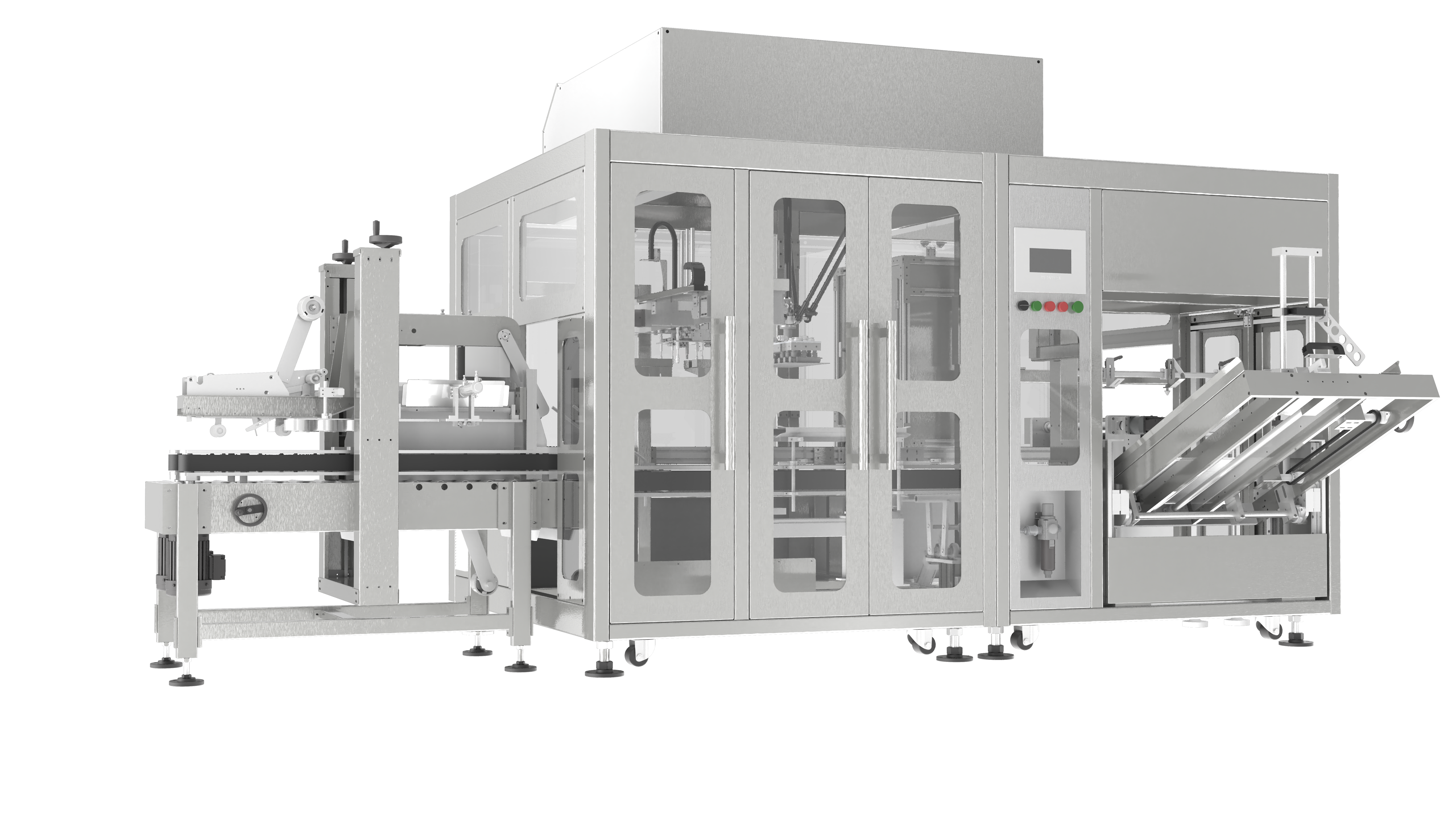
A comprehensive automation packaging system integrating robotic sorting and packing.
1. Define Your Core Requirements and Application Scope
Clarity on your needs is the foundation of a successful procurement process. Begin by answering these key questions:
- Product Type & Characteristics: What are you packaging? (e.g., food items, pharmaceutical blister packs, cosmetic bottles, electronic components). Consider weight, size, fragility, and material.
- Required Throughput (CPM): What is your target cycles per minute? This determines the required speed of the Delta robot case packer or SCARA robot packaging solution.
- Line Integration Needs: Is this a standalone robot packing workstation or a full automation packaging system that must interface with existing conveyors, fillers, and sealers?
- Flexibility & Changeover: How often do you change product SKUs? This highlights the need for a flexible sorting system and easily reconfigurable tools.
- Industry-Specific Standards: Do you require compliance with FDA, GMP, ISO Class cleanroom standards (e.g., ISO Class 4), or specific hygiene protocols for food packaging automation or pharma packaging automation?
2. Critical Evaluation Criteria for Suppliers
Move beyond basic specifications. Assess potential partners on these multidimensional criteria.
2.1 Technical Capability and Product Portfolio
A supplier's technical depth is paramount. Evaluate their core competency in robotic automation.
- Robot Technology: Do they specialize in high-speed Delta robots for pick-and-place, or precise SCARA robots for electronics assembly? A strong supplier often masters both.
- System Integration Expertise: Can they provide a turnkey automated packaging system, or are they merely a component seller? Look for evidence of complete automation solution design and implementation.
- Customization vs. Standardization: Determine if your project needs a standard case packer or a fully customized automation solution. Suppliers offering OEM and ODM services, like Robotphoenix, provide flexibility for unique applications.
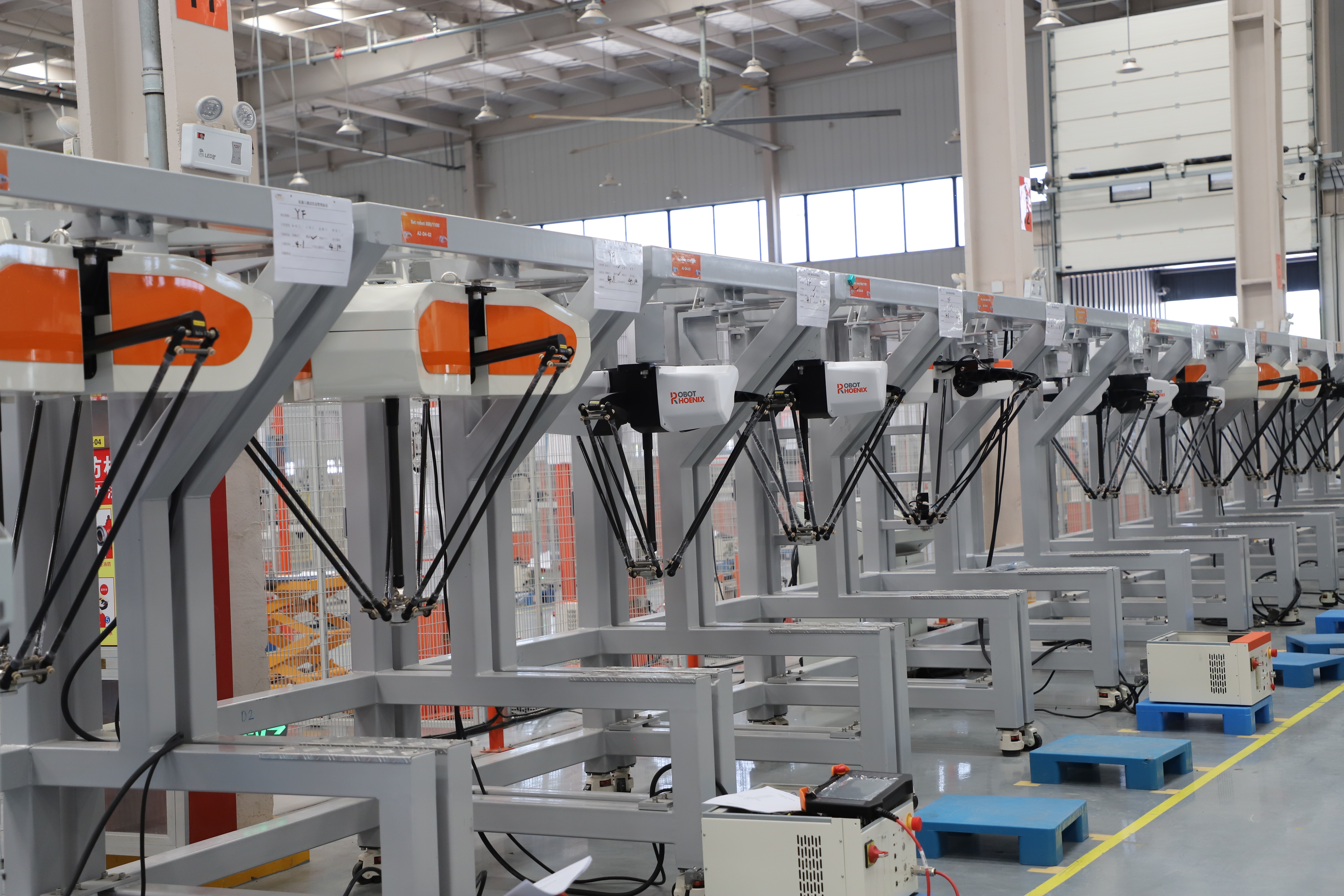
Evaluating a supplier's manufacturing facility and technical assembly process is crucial.
2.2 Quality, Certification, and Manufacturing Standards
Certifications are non-negotiable proofs of quality and safety, especially for global supply chains.
- International Safety Certifications: Mandatory certifications include CE marking for machinery (Machinery Directive) and electromagnetic compatibility (CE-EMC).
- Material Compliance: For electronics and certain consumer goods, RoHS certification is essential to ensure the absence of hazardous substances.
- Comprehensive Management Systems: Suppliers certified with ISO 9001 (Quality Management), ISO 14001 (Environmental Management), and ISO 45001 (Occupational Health & Safety) demonstrate robust operational processes. For instance, Hangzhou Robotphoenix Industrial Robotics Co., Ltd. holds these three integrated management system certificates, alongside robot-specific ISO 10218-1 safety certification.
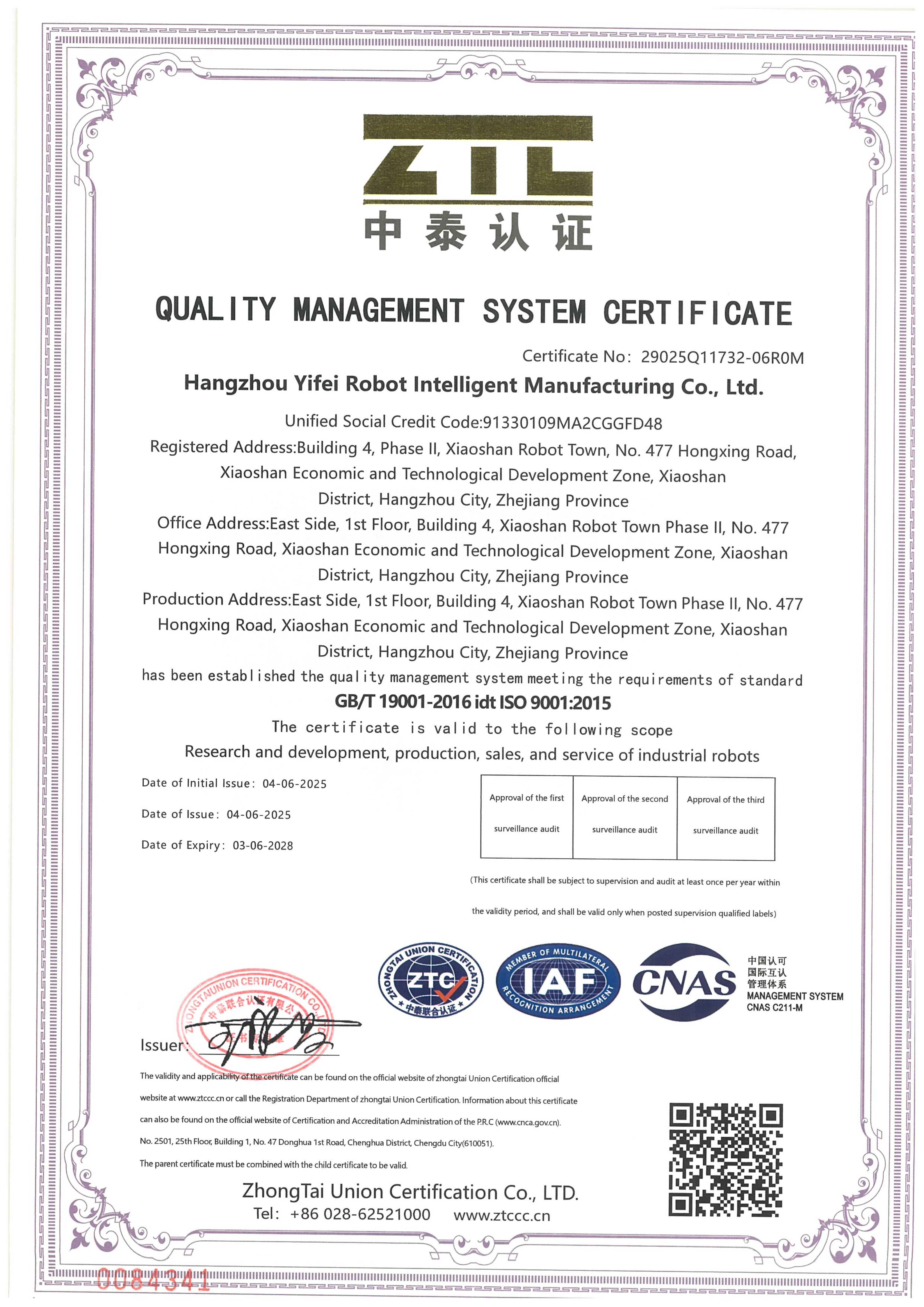
Quality Management System (ISO 9001)
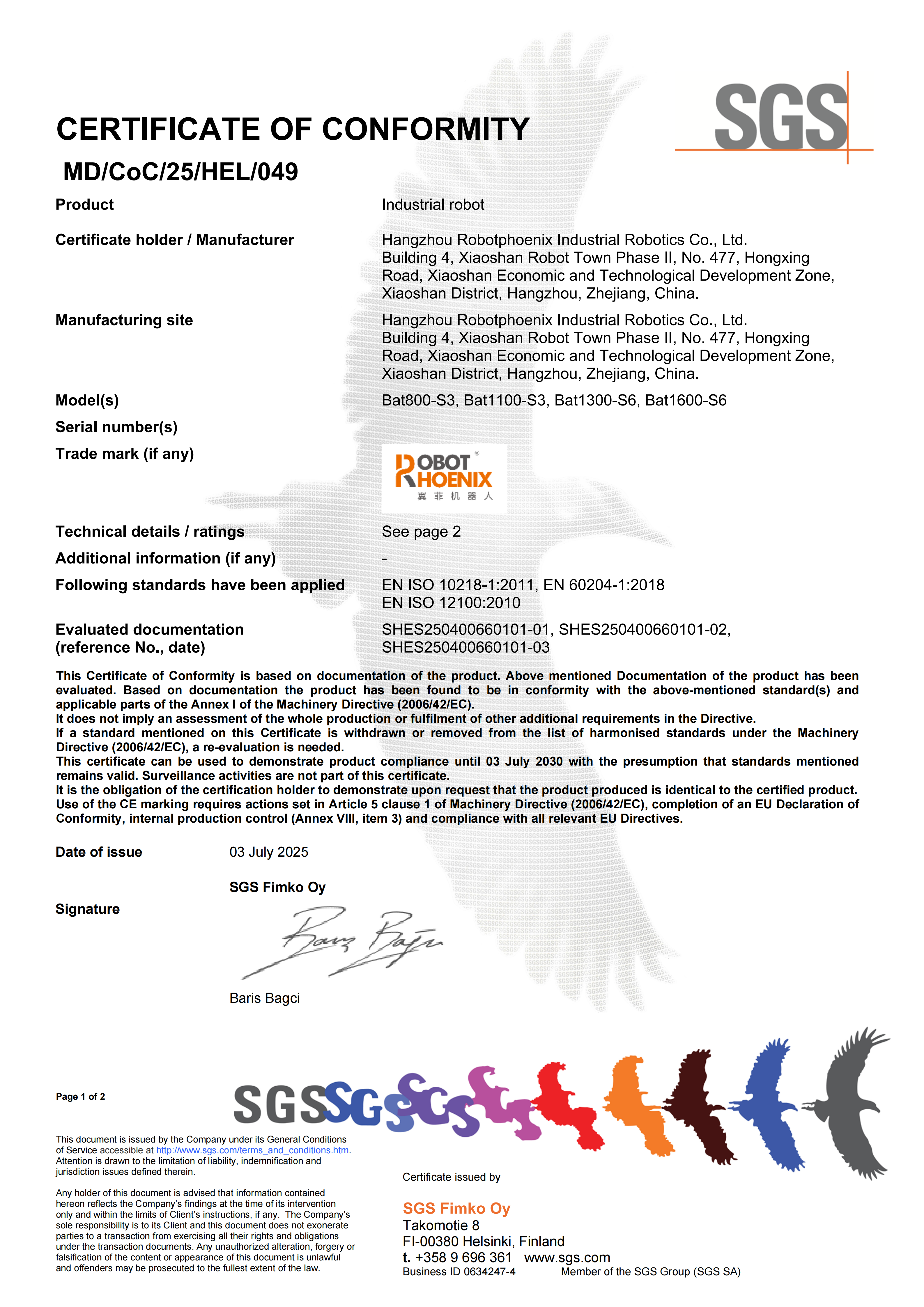
CE Machinery Certificate for Parallel Robots
2.3 After-Sales Support and Global Service Network
The relationship begins at installation. Probe deeply into the supplier's support structure.
- Technical Support & Training: Is on-site installation and operator training included? What are the response times for remote troubleshooting?
- Spare Parts Availability: What is the guaranteed lead time for critical spare parts? A local warehouse or strategic stock is a significant advantage.
- Service Reach: For international buyers, verify the supplier's experience in exporting and supporting equipment in your region. A supplier with a track record of global exports typically has more refined support protocols.
2.4 Commercial Terms and Strategic Partnership Potential
Consider the total cost of ownership (TCO) and long-term alignment.
- Pricing Structure: Is the quote for a complete system clear and comprehensive? Be wary of hidden costs for engineering, commissioning, or spare parts.
- Warranty Period & Terms: Standard warranty is typically 12 months, but terms can vary. Understand what is covered.
- Collaboration Model: For companies seeking to develop their own branded line, the availability of Automation system OEM or ODM services is a key differentiator. This allows for co-development and branding, a service offered by specialized manufacturers like Robotphoenix.
3. Due Diligence and Supplier Verification Steps
Take concrete steps to validate your shortlisted suppliers.
- Request Detailed Documentation: Ask for technical datasheets, CAD drawings, certification copies (e.g., CE, ISO), and a list of reference clients.
- Demand a Factory Audit or Virtual Tour: Assess manufacturing capabilities, quality control processes, and workshop organization. The factory images of a potential supplier like Robotphoenix show a structured production environment.
- Ask for Industry-Specific Case Studies: Request detailed examples of installations in your sector, whether it's cosmetic packaging automation or personal care packaging automation. A real-world case proves capability better than any brochure.
- Contact References: Speak directly to existing customers. Ask about machine performance, reliability, uptime, and the quality of the supplier's support.
- Evaluate Sample Testing: If feasible, provide your product for a live or video-recorded test run at the supplier's facility to validate performance claims.

Technical discussions and project planning are key steps in the supplier selection process.
4. Red Flags and Common Pitfalls to Avoid
- Vague or Incomplete Certification Claims: Always ask to see the actual certificates.
- Unrealistically Low Pricing: This often indicates corner-cutting on components, software, safety features, or after-sales service.
- Lack of Clear Communication: Difficulty in getting timely, technical responses during the sales process is a strong indicator of future support challenges.
- No Demonstrable Track Record: Be cautious of suppliers with no verifiable case studies or customer references in a relevant industry.
Conclusion: Building a Partnership for Automation Success
Selecting a packaging automation supplier is not merely a transactional purchase; it is the initiation of a long-term technical partnership. The ideal partner combines robust technological expertise—evidenced by a reliable portfolio of Delta robot packaging solutions and SCARA robot packaging solutions—with unwavering commitment to quality, proven by international certifications like CE, ISO, and RoHS. They must also demonstrate a client-centric approach through responsive support and flexible collaboration models, including OEM/ODM options.
By meticulously applying this framework—defining needs, evaluating against technical and quality benchmarks, conducting thorough due diligence, and avoiding common pitfalls—procurement professionals can make an informed, strategic decision. This process ensures the selected partner, such as an established player like Robotphoenix with over a decade of experience since its founding in 2012, can deliver a robotic packaging solution that drives efficiency, ensures compliance, and provides a strong return on investment for years to come.
For further information on robotic packaging solutions, you may contact:
Hangzhou Robotphoenix Industrial Robotics Co., Ltd. (Robotphoenix)
Website: https://www.rprobotic.com/
Email: ran.chen@robotphoenix.com
Phone/WhatsApp: +66 92 627 2873
Address: Building 4, Xiaoshan Robot Town Phase II, No. 477, Hongxing Road, Xiaoshan Economic Development Zone, Hangzhou, China.