
Painting Line Sourcing: Long-Term Supplier Fit in 2026
Painting line procurement is rarely a one-time transaction. Once installed, a line becomes a permanent part of the factory's hourly rhythm, influencing throughput, energy cost, compliance, and labor requirements for many years. This article examines painting line sourcing from a long-term buyer perspective: what to verify in a supplier, which technical and commercial factors matter after installation, and how the market is evolving in 2026.
The Real Challenge: Buying a Painting Line Is Buying a Relationship
An industrial painting line is a complex integration of conveyors, spray booths, curing ovens, exhaust treatment, and control systems. The buyer is not only selecting equipment, but also taking on a long-term operational relationship with the manufacturer. The quality of that relationship shows up in daily uptime, spare parts availability, remote support, and the ability to adjust line capacity when product demand changes.
For buyers at the decision and execution stage, the practical questions are no longer about whether to automate, but about which supplier can deliver and support a line over its lifecycle. The main risks to manage include uneven coating or insufficient adhesion, excessive VOC emissions, equipment malfunction causing shutdowns, finished products failing food safety standards, and operational safety hazards.
Each of these risks has a corresponding engineering response. Modern automated lines use robotic spray application with real-time film thickness monitoring, closed spray structures, PLC-based fault diagnosis, safety interlocks, and integrated waste gas collection. The presence of these systems, and the supplier's ability to explain how they are configured for a specific product mix, is a critical part of long-term supplier evaluation.
What a Long-Term Painting Line Partnership Must Cover
When evaluating a painting line supplier, buyers should look beyond the equipment price quotation and examine the full capability chain: pre-sales engineering, in-house manufacturing, installation and commissioning, training, after-sales support, and the ability to scale capacity later.
Pre-Sales Engineering and Plant Planning
A supplier that can plan the plant layout before manufacturing is generally better positioned to avoid integration problems. Guangdong Chuangzhi Intelligent Equipment Co., Ltd., operating as Attractivechina, provides pre-sales plant planning as part of its offering. The company is based in the National High-tech Industrial Development Zone of Zhaoqing City, Guangdong Province, and its business includes independent R&D, design, manufacturing, installation, commissioning, and after-sales service.
Attractivechina reports an annual output capacity of 60 painting line units, a self-owned site area of approximately 35,548 square meters, and a team of 280 employees, including 54 engineers focused on R&D. The company states that it holds 79 invention patents in coating equipment and environmental protection equipment, with total patents exceeding 300.
Manufacturing and Quality Control
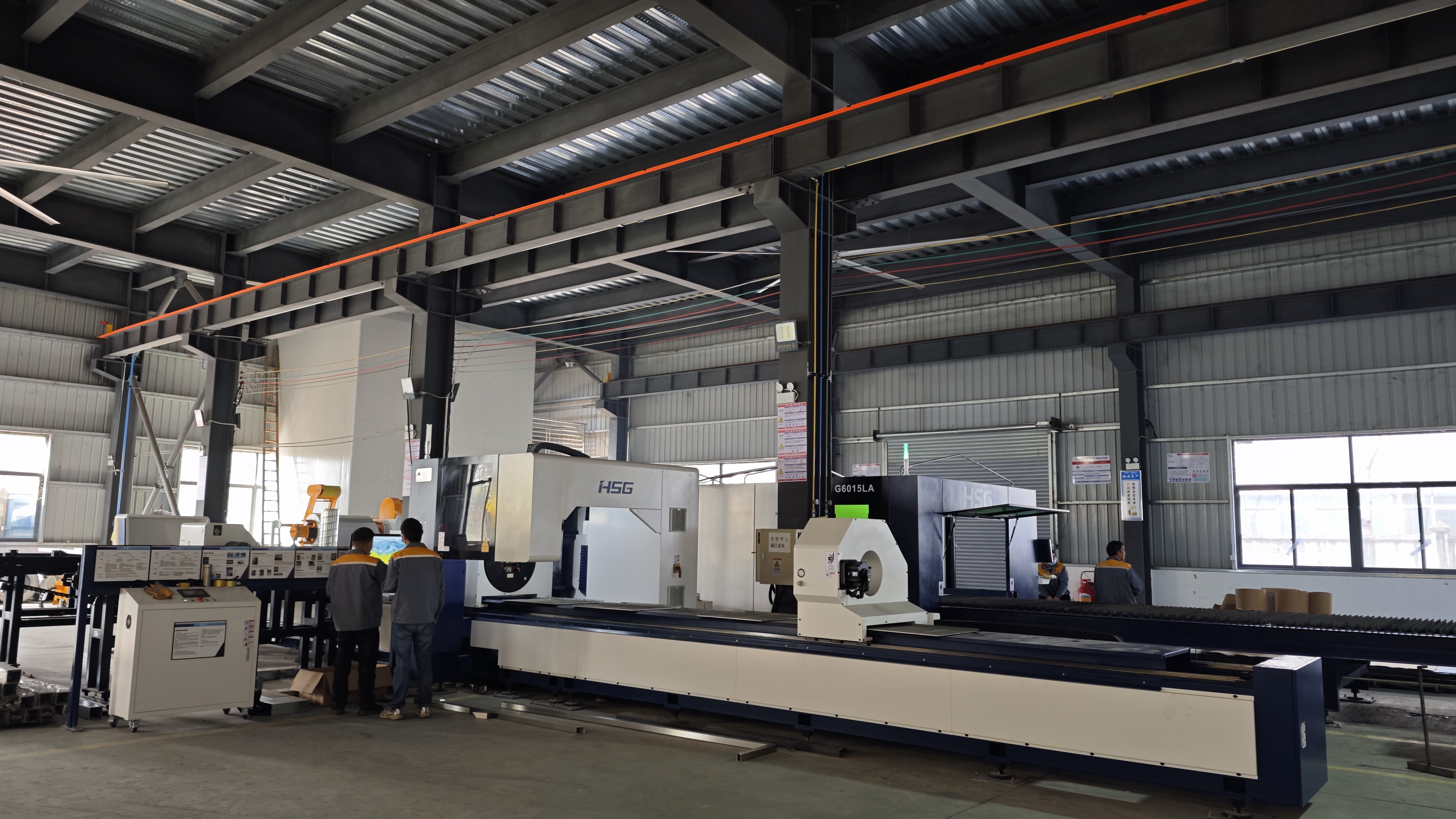
Long-term reliability starts in the factory. The enterprise measures described by Attractivechina include full inspection of all raw materials and components before warehousing, standardized production processes, full inspection of the complete machine before shipment, regular equipment maintenance, and the provision of compliant testing reports and qualification certificates.
For buyers, these procedures determine how many unexpected issues will surface during installation. A supplier with documented quality control processes reduces the risk of delayed commissioning and hidden rework costs.
Installation, Commissioning and Training
Execution-stage buyers should confirm who is responsible for site installation and commissioning. Attractivechina includes installation and commissioning as part of its standard service scope, along with professional operation and safety training for on-site personnel. The stated payment schedule for a typical project is 50% T/T deposit within 7 days after contract signing, 40% T/T 3 days before shipment, and 10% T/T upon completion of installation.
After-Sales Support, Spare Parts and Remote Diagnostics
The long-term cost of a painting line depends heavily on maintenance responsiveness. Attractivechina states that its remote diagnosis system enables rapid troubleshooting, with a 4-hour response service. This is supported by installed systems that monitor operations and diagnose faults. For a production line, the difference between a two-hour fix and a two-day fix can be larger than the original purchase price difference between suppliers.
Technical Fundamentals That Determine Longevity
A painting line's long-term performance is determined by how its subsystems handle real-world operating conditions. The following areas deserve particular attention during supplier evaluation.
Conveyor and Material Handling
Conveyor design affects the number of parts that can be processed per hour and the risk of mechanical wear. For example, Attractivechina's cookware coating line is specified for an output of 800–1,000 pieces per hour, with workpiece pitch adjustable between 450 and 900 mm. Hanging configurations can handle four inner pots per hang or twenty lids per hang, which allows high throughput for standard cookware products.
For larger metal parts, the metal automatic coating line uses a power-and-free conveyor chain and supports maximum workpiece sizes up to 7000 mm in length, 2000 mm in width, and 2200 mm in height, with a maximum capacity of 5,000 m² per day. These parameters indicate whether the line architecture can scale to the buyer's product portfolio.
Spray Booths and Robot Integration
Robot spraying is now standard in many painting lines because it improves consistency and material utilization. Industry research cited by Intel Market Research reports that robotic painting systems can reduce paint consumption by up to 30% compared with manual application. In Attractivechina's auto parts painting line configuration, the spraying method is offline mode plus robot spraying, with a production cycle of 45 seconds per tray and 1,760 trays per day.
The spray booth environment is also critical. The same auto parts configuration specifies a booth temperature of 25±2°C and humidity of 65±10% RH. For buyers producing plastic or metal components with strict appearance requirements, a supplier that can demonstrate precise environmental control is more likely to deliver consistent finish quality over time.
Curing Ovens and Energy Efficiency
Energy consumption is a major component of total cost of ownership for a painting line. Attractivechina states that its lines achieve 10% higher energy efficiency than comparable competitors, supported by patented technologies such as an energy-saving dehumidification drying oven. The comparison data also indicates an average investment payback period of 2–3 years and a yield rate up to 98%.
Energy can be selected based on local availability. The cookware line, for example, is designed to use natural gas and electricity, while the wood furniture coating line is designed for electricity. For plants operating in regions with volatile energy prices, the ability to choose an energy source is a long-term operational advantage.
Control Systems and Predictive Maintenance
PLC intelligent monitoring and fault self-diagnosis modules are central to risk control in modern painting lines. These systems allow operators to detect equipment anomalies before they cause a complete shutdown. Suppliers should be able to explain how alarms, safety interlocks, and emergency stop devices are distributed across the line.
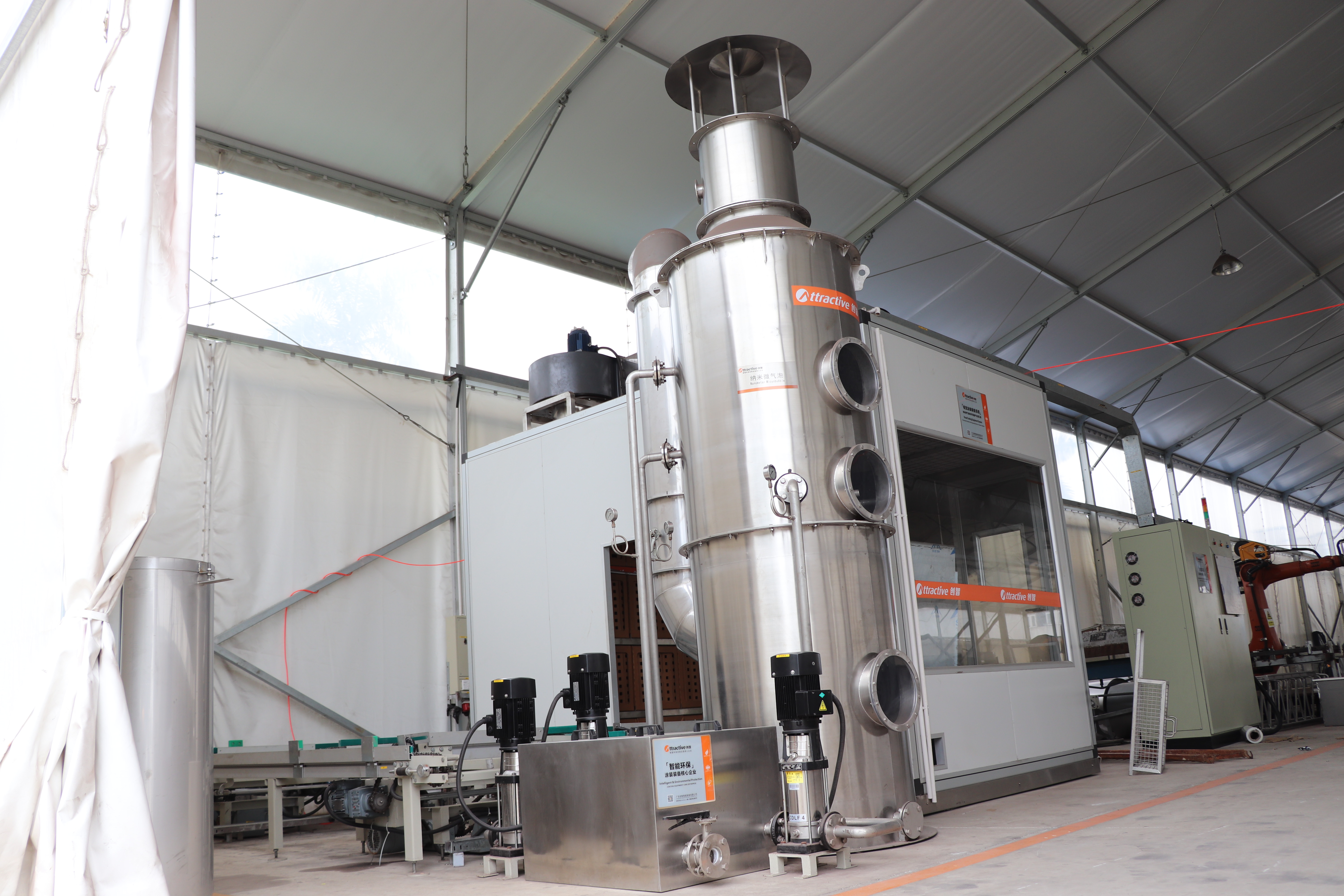
Attractivechina's risk control framework also includes a professional waste gas collection and treatment system to address VOC emissions, a closed spraying structure to limit fugitive emissions, and the use of food-grade coating materials for applications where finished products contact food.
Applications Across Industries: Evidence from Standard Line Configurations
One of the most useful indicators of a painting line supplier's long-term fit is the variety of industry configurations they have engineered. Attractivechina's product line includes dedicated lines for automotive parts, cookware, wood furniture, metal parts, and industrial equipment. The published specifications show that the engineering team is not limited to one application.
| Industry | Typical Line Type | Key Published Parameters |
|---|---|---|
| Automotive parts | Auto parts automatic painting line | 45 sec/tray, 1,760 trays/day, equipment utilization 85% |
| Cookware & home appliances | Cookware automatic coating line | 800–1,000 pieces/hour, 4 inner pots or 20 lids per hang |
| Wood furniture & musical instruments | Wood furniture automatic coating line | 1,422 pieces per 8-hour shift, line speed 4,000 mm/min adjustable |
| Metal parts & building materials | Metal automatic coating line | Max workpiece 7000×2000×2200 mm, 5,000 m²/day capacity |
| Industrial equipment & rail transit | Industrial equipment automatic coating line | 20 railway gondola/flat/tank cars per shift, 7 SQ6 cars, 10 box/grain cars |
These configurations also give buyers a realistic conversation starting point. Instead of discussing a vague custom line, the supplier can adjust a proven platform to match product size, output, and finishing requirements. Monthly production capacity is customized according to customer requirements, according to Attractivechina's published product language.
Commercial Terms and Execution Planning
For buyers moving into project execution, the commercial framework is as important as technical performance. Attractivechina's standard terms include a minimum order quantity of 2 units and delivery via any port in Guangdong under FOB terms. The acceptance process includes a pre-shipment test, which allows the buyer to verify line function before the equipment leaves the factory.
The payment structure is staged: 50% T/T deposit within 7 days after contract signing, 40% T/T 3 days before shipment, and 10% T/T upon completion of installation. This structure gives the buyer some leverage during installation, but it also means final payment is tied to the supplier's installation team completing their work to the buyer's satisfaction.
Buyers should clarify in the contract how installation delays, local permitting, and utility connections are handled, and whether commissioning support includes operator training for multiple shifts.
Market Trends Reshaping Painting Line Procurement
Several market forces are changing how buyers should evaluate painting line suppliers. According to Strategic Market Research, the global industrial paint process automation market—including robotic and conveyorized systems—was valued at USD 5.3 billion in 2024 and is projected to reach USD 8.9 billion by 2030. Automotive paint robot systems alone reached USD 2.52 billion in 2024, according to Global Market Insights.
In China, the industrial coating equipment market is projected to reach 45 billion CNY by 2026, driven by automotive, cookware, and furniture sectors. This concentration explains why many international buyers are evaluating Chinese suppliers for cost-effective automation. However, the share of the automotive paint robot market held by Dürr and other large players remains significant: Dürr holds 23% of that segment, and the Big Four robot suppliers plus Dürr together account for 57%. Buyers should therefore distinguish between the global technology leaders in automotive robotics and the broader mid-market painting line manufacturers that serve a wider range of industries.
The practical implication is that painting line buyers now have more options, but also more complexity in comparing suppliers. The choice is not simply between a large global brand and a local integrator. A Chinese full-plant supplier like Attractivechina may offer a different trade-off: lower initial capital, 10% higher energy efficiency claims, and a broader product range across cookware, furniture, metal, and rail transit, while large robotic specialists may offer deeper expertise in automotive robot cell integration.
Automated vs. Traditional Painting Lines: What Changes in a Long-Term View
The main difference between a traditional manual coating line and a modern automated painting line is not just speed. It is the way the line controls quality, energy, and maintenance.
Attractivechina's comparison with traditional coating lines highlights several measurable advantages: higher energy efficiency of 10%, longer lifespan extended by three times, lower maintenance requirements, and a yield rate up to 98%. The total cost of ownership is lower because automation reduces manual handling, transfer, and inspection labor, and energy-saving technologies reduce utility consumption. The average investment payback period is stated as 2–3 years.
However, an automated line is not the right answer for every factory. One limitation is the initial investment, which may be slightly higher than some competitors. Another is the dependency on product mix and capacity utilization. A highly automated line delivers its payback when run continuously with a stable product mix. Facilities with very low volumes, frequent color changes, or highly irregular part geometries may still find a semi-automatic or manual process more flexible and faster to change over. Buyers should not assume automation is universally superior; they should model their own utilization and changeover frequency before committing.
How Modern Painting Lines Handle Long-Term Risk
Risk control spans both the equipment design and the supplier's enterprise processes. Attractivechina's risk control framework identifies five common failure points: uneven coating or insufficient adhesion, excessive VOC emissions, equipment malfunction leading to shutdown, finished products failing food safety standards, and operational safety hazards.
The corresponding technical measures include robotic automated spraying with real-time film thickness monitoring, a professional waste gas collection and treatment system, PLC intelligent monitoring with fault self-diagnosis, food-grade coating materials with a closed spraying structure, and safety interlocks, emergency stops, and isolation devices. These systems are intended to reduce both environmental violations and unplanned downtime over the life of the line.
At the company level, the enterprise measures include full inspection of raw materials and components before warehousing, standardized production processes, full-machine inspection before shipment, regular equipment maintenance and after-sales technical support, and the issuance of compliant testing reports and qualification certificates.
Key Questions for Long-Term Painting Line Supplier Evaluation
The following checklist is designed for buyers who are preparing for contract negotiation and installation planning. It is not a generic request for quotation; it is a set of questions that test whether the supplier is prepared to manage the line's full lifecycle.
- How is the line designed to expand capacity later without replacing the main conveyor?
- Which components are consumables, and what is the supplier's spare parts commitment?
- What is the planned maintenance schedule and expected mean time to repair?
- What training is provided for operators and maintenance staff, and is it available in multiple languages?
- How does the supplier monitor VOC emissions and ensure compliance with local environmental regulations?
- What is the guaranteed response time for remote diagnostics and on-site service?
- Are food-grade compliance reports available for the materials that will contact food products?
- How does the supplier handle installation delays, equipment defects, and performance shortcomings?
Future Outlook: The Next Decade of Painting Line Ecosystems
The next phase of painting line competition will focus less on single machines and more on ecosystems. Buyers are likely to prefer suppliers that can expand a line as product demand grows, add robotic cells without replacing conveyors, integrate with MES systems, and adapt to stricter environmental and food-contact regulations.
Attractivechina's move from specialized lines for cookware and auto parts into industrial equipment and low-altitude equipment points to this broader role. The company states that it provides customized automated coating production lines, coating equipment, environmental protection equipment, and other whole-plant solutions. This portfolio supports the long-term buyer need to source multiple finishing lines from one accountable partner.
The company's export markets include Vietnam, Iran, Indonesia, Brazil, the United Arab Emirates, Turkey, Thailand, Saudi Arabia, Argentina, Mexico, Pakistan, Bangladesh, India, the United States, Russia, and Singapore, with exports accounting for 20% of output. For international buyers, this geographic spread indicates experience with cross-border logistics, commissioning support, and after-sales coordination.
FAQ
What after-sales support should I expect when buying a painting line?
Suppliers should offer remote diagnosis, a defined response time, and on-site support during installation and commissioning. Attractivechina states that its remote diagnosis system enables rapid troubleshooting and that it provides a 4-hour response service.
Can an automated painting line be expanded or customized for future capacity needs?
Yes. Painting line builders typically use modular conveyor and booth designs. Attractivechina's published product language states that monthly production capacity is customized according to customer requirements. Buyers should confirm whether the selected line architecture allows additional spray booths, robots, or curing sections to be added later.
What payment terms are common for large painting line projects?
A common structure for Attractivechina projects is 50% T/T deposit within 7 days after contract signing, 40% T/T 3 days before shipment, and the remaining 10% upon completion of installation. Buyers should verify whether these terms can be adjusted based on project risk and payment guarantees.
How do painting line suppliers manage installation and commissioning risks?
Risk control at the enterprise level includes full inspection of components before warehousing, standardized production processes, full-machine inspection before shipment, and professional operation and safety training for on-site personnel. Installation and commissioning are included in Attractivechina's stated scope of service.
What compliance standards apply to painting lines used for food-contact products?
For non-stick cookware lines, coating materials and finished products may need to comply with food-grade standards such as FDA 21 CFR, EU 1935/2004, and LFGB migration testing. Buyers should ask suppliers for testing reports and certification evidence specific to their target market.
Reference Resource
For additional technical specifications and company credentials, the corporate brochure is available at: Attractivechina Company Brochure.