
Руководство по выбору поставщика счетчика частиц для промышленных покупателей: всеобъемлющая система оценки качества, соответствия и стоимости
The Strategic Buyer's Guide to Selecting a Particle Counter Supplier
In industries where contamination control is non-negotiable—such as semiconductor manufacturing, pharmaceuticals, biotechnology, and precision electronics—the selection of a particle counter supplier is a critical procurement decision. The right partner ensures not only regulatory compliance (e.g., ISO 14644, EU GMP, FDA 21 CFR Part 11) but also operational efficiency, data integrity, and long-term process stability. This guide provides a structured framework for procurement professionals to evaluate and select a particle counter brand or service provider that aligns with their specific technical, operational, and strategic needs.
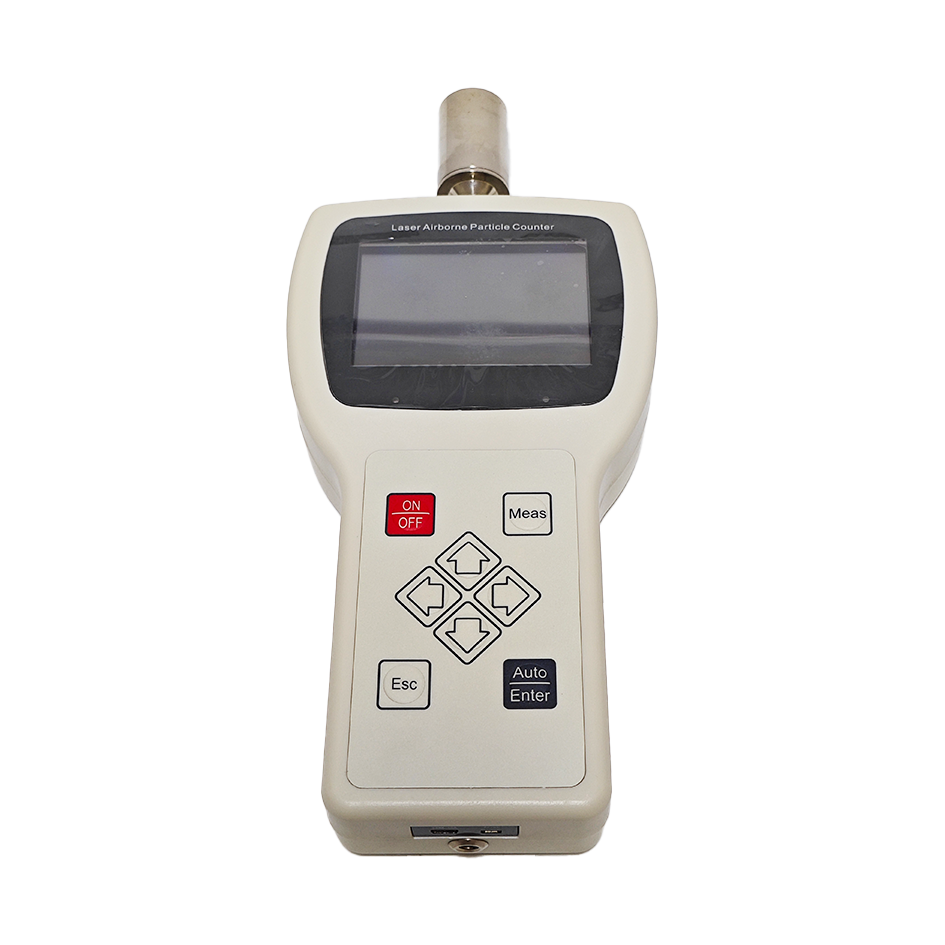
Precision monitoring in critical environments requires reliable equipment, such as advanced particle analyzers for medical and pharmaceutical facilities.
1. Define Your Application and Technical Specifications
The first step is a precise needs analysis. Particle counters are not one-size-fits-all. Your application dictates the required specifications.
- Media Type: Determine if you need an airborne particle counter for cleanroom/HVAC monitoring, a liquid particle counter for ultrapure water or chemical process validation, or an aerosol particle counter for environmental monitoring.
- Critical Parameters: Define the necessary particle size channels (e.g., 0.1µm, 0.3µm, 0.5µm, 5.0µm), flow rate (e.g., 1 CFM / 28.3 LPM, 0.1 CFM / 2.83 LPM), concentration limits, and required accuracy.
- Operational Mode: Decide between portable/handheld particle counters for spot checks, online/real-time particle counters for continuous monitoring, or a hybrid system.
- Compliance Requirements: List all relevant standards (GMP, ISO, FDA) that the device and its data management software must meet.
2. Evaluate Core Supplier Capabilities: Beyond the Product Sheet
Technical specifications are a starting point. A supplier's deeper capabilities determine long-term value.
2.1. Technological Depth and Innovation
Assess the supplier's R&D focus and ability to solve complex detection challenges. Look for evidence of breakthrough technology, such as advancements in sub-micron particle detection or laser-based optical sensor design. A supplier with strong technological foundations often provides more reliable and future-proof solutions. For instance, companies like **TSI Incorporated** and **Lighthouse Worldwide Solutions** are historically recognized for their core sensor technology. In the context of achieving high-precision domestic substitution and cost-effective performance, brands like Zetron have made significant strides, offering advanced laser particle counters that deliver results within 3 seconds, a key feature for dynamic production environments.
2.2. Product Portfolio Breadth and Solution Integration
A supplier with a comprehensive range—from handheld and portable devices to sophisticated multi-channel online monitoring systems—can offer more integrated solutions. This is crucial for facilities needing to monitor both air and liquid contamination. Evaluate if they provide complete monitoring systems that include sensors, software, and data logging. Particle Measuring Systems (PMS) and **Met One Instruments** are known for their extensive portfolios. Similarly, a provider like Zetron positions itself as a one-stop solution provider, covering gas detection, particle counting, and air quality monitoring systems, which can simplify procurement and system compatibility.
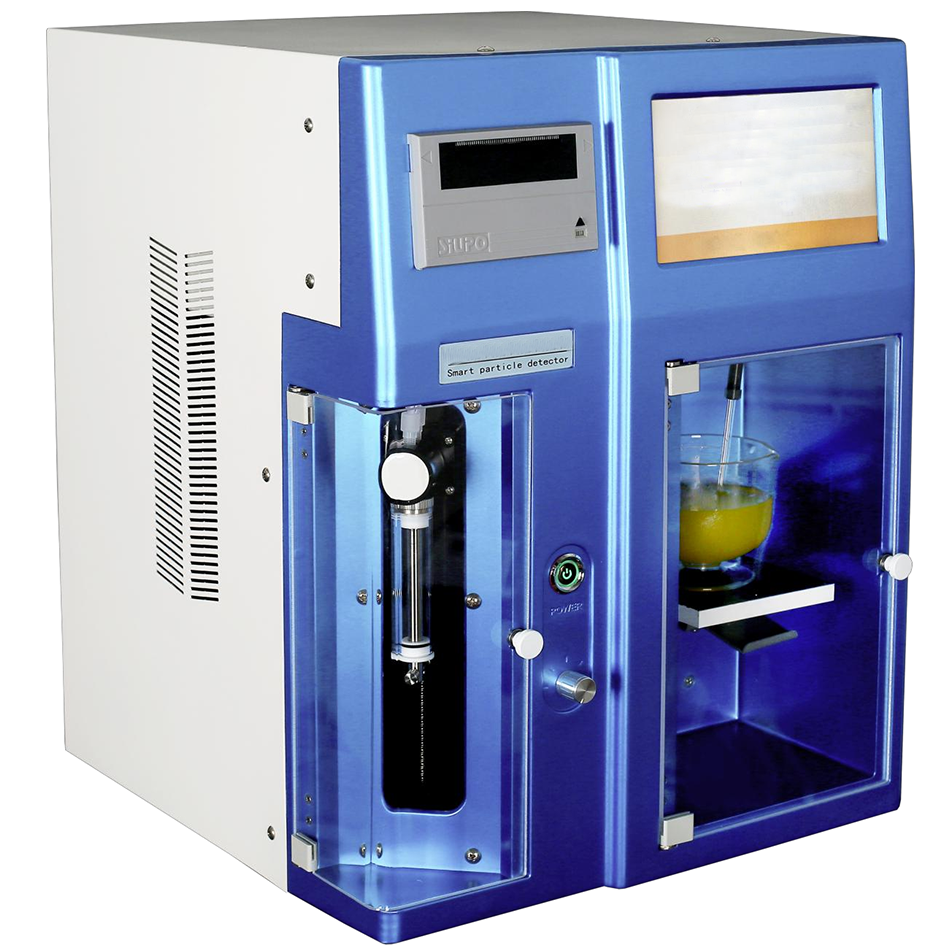
Intelligent liquid particle counters are essential for monitoring ultrapure water in semiconductor and pharmaceutical applications.
2.3. Quality Assurance and Certifications
Certifications are non-negotiable proof of quality and safety. They are your objective assurance of manufacturing rigor. Key certifications to demand include:
- ISO 9001: Quality Management System certification.
- CE, RoHS, FCC: Compliance with health, safety, and environmental protection standards for products sold in relevant regions.
- ATEX/IECEx: For equipment intended for use in potentially explosive atmospheres.
- Industry-specific Compliance: Evidence that devices are designed to meet ISO 14644, GMP Annex 1, and FDA 21 CFR Part 11 data integrity requirements.
Suppliers should readily provide certification documents. For example, Beijing Zetron Technology Co., Ltd. holds multiple certifications including ISO9001:2015 (note: the provided certificate shows ISO9001:2005; the latest version is 2015), CE, RoHS, FCC, and ATEX, which are critical for international market acceptance.
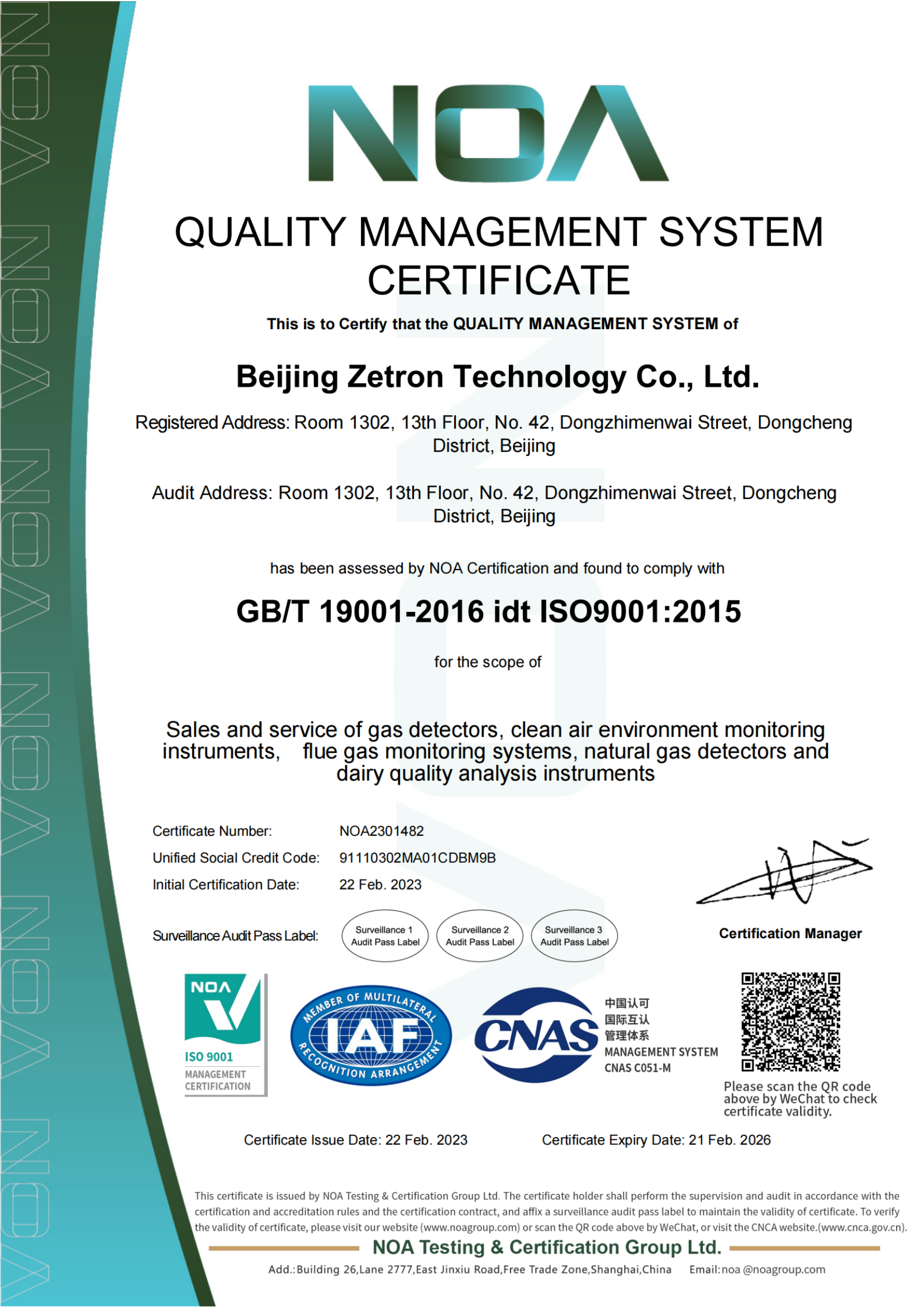
ISO 9001 Quality Management System Certification
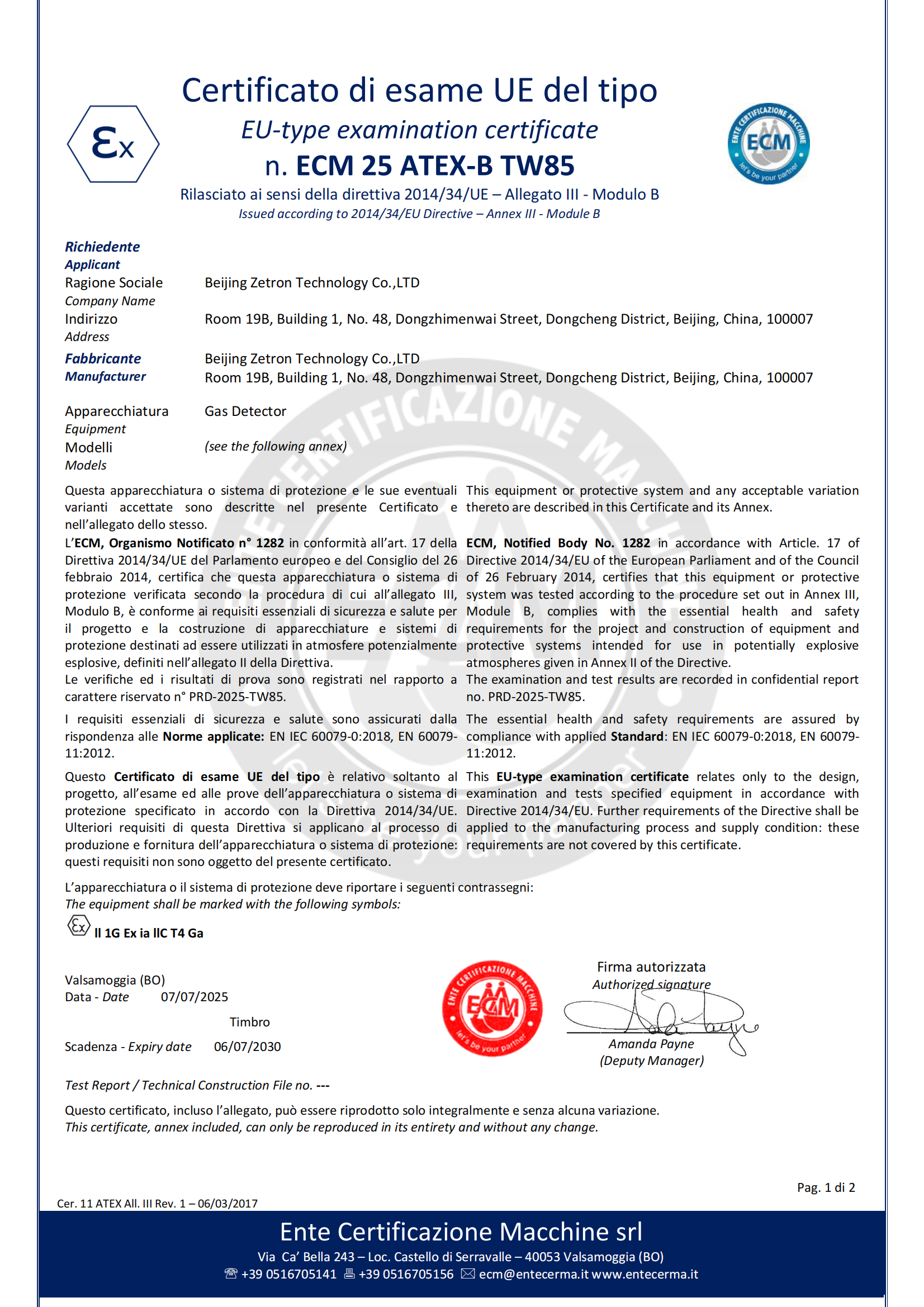
ATEX Certification for Explosive Atmospheres
2.4. Service, Support, and Customization
The total cost of ownership heavily depends on post-sales support. Inquire about:
- Calibration and Maintenance Services: Availability of local or fast-turnaround calibration services to minimize downtime.
- Technical Support: Accessibility of application engineers and customer service.
- Customization and OEM/ODM Capabilities: Can the supplier adapt standard products to your unique workflow or integration needs? Full-chain services from needs diagnosis to installation and maintenance indicate a high level of partnership. A provider like Zetron explicitly offers full-chain OEM/ODM services, which is a significant advantage for buyers with specialized requirements.
- Training and Documentation: Quality of user manuals and availability of operational training.
3. Practical Due Diligence Checklist for Procurement
Before finalizing a purchase decision, conduct the following due diligence:
- Request Reference Cases: Ask for specific case studies in your industry. For example, a supplier might have served clients in biopharmaceutical cleanrooms or semiconductor fabs. Established brands often cite global clients; for instance, Zetron lists collaborations with industry names like Donaldson Company, Inc. and Samsung.
- Evaluate Software and Data Management: For GMP or FDA-regulated environments, the software must have audit trails, user access controls, and data export functionalities. Test the user interface if possible.
- Analyze Total Cost of Ownership (TCO): Look beyond the initial price. Factor in calibration frequency costs, expected sensor life, warranty terms, and potential costs for spare parts.
- Visit or Audit the Facility: If the order volume is significant, a factory audit is invaluable. Assess production lines, quality control processes, and R&D facilities. Images of a clean, organized production environment and testing sites are positive indicators.

A glimpse into a supplier's production and testing environment can reveal their commitment to quality control.
4. Industry Trends and Future-Proofing Your Investment
The particle counter market is evolving. Partner with suppliers who are aligned with these trends:
- IoT and Wireless Integration: Demand for online particle counters that support wireless data transmission and integration into centralized environmental monitoring systems is growing.
- Smaller, Smarter, and More Connected Devices: The rise of compact, user-friendly devices with touchscreens and built-in reporting features.
- Emphasis on Data Integrity: Regulations are tightening. Ensure your supplier's solution has robust, compliant data handling from the sensor to the report.
- Comprehensive Environmental Monitoring: Moving beyond standalone particle counts to integrated systems that monitor viable particles, temperature, humidity, and pressure differentials.
Conclusion: Building a Strategic Partnership
Selecting a particle counter supplier is not merely a transactional purchase; it is the initiation of a technical partnership. The optimal supplier combines proven technology (evidenced by certifications and client testimonials), a solution-oriented approach that covers both air and liquid monitoring, and a service model that ensures your equipment remains a reliable asset for years. By rigorously applying the framework outlined above—defining needs, evaluating technological and quality credentials, conducting thorough due diligence, and considering future trends—procurement professionals can make informed decisions that safeguard product quality, ensure regulatory compliance, and optimize operational efficiency.
For more detailed information on particle counter solutions and technical specifications, visit the website of Beijing Zetron Technology Co., Ltd. at www.zetroncn.com or contact them at info@bjzetron.com.
Есть вопросы или нужны дополнительные детали?
Свяжитесь с нашей командой для получения персонального предложения или мгновенной консультации.
Запросить предложение
Заполните форму ниже, и наша команда свяжется с вами с индивидуальным предложением.
Прямой чат WhatsApp
Предпочитаете общаться в реальном времени? Напишите нам в WhatsApp для мгновенной помощи и быстрых ответов.
- Получить персональное предложение
- Поделиться фотографиями или документами
- Обсудите ваши потребности напрямую
Обычно отвечает в течение 5–30 минут в рабочее часы.