
Pharmaceutical Packaging Machines: Matching Lines to Dosage Scenarios
Pharmaceutical Packaging Machines: Matching Lines to Dosage Scenarios
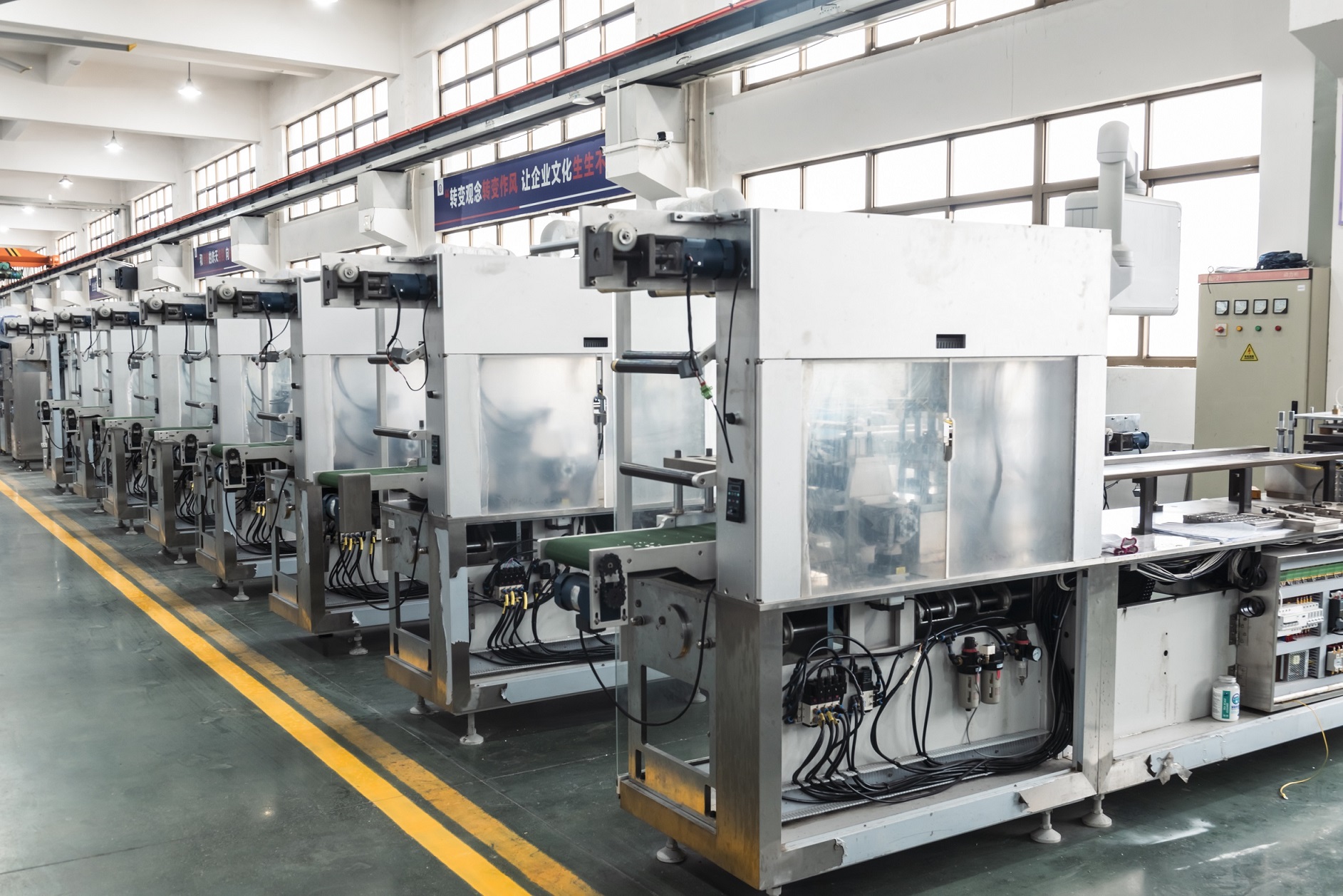
Blister machine workshop: line configuration is decided by dosage form, blister material, carton format and batch profile, not by category alone.
Solid dosage packaging is a set of distinct applications rather than one. A ten-tablet card sealed in ALU-PVC, a moisture-sensitive capsule in ALU-ALU, an oil-filled soft capsule, and a nutraceutical tablet sold through a healthcare channel each place different demands on forming, sealing, product transfer, leaflet insertion, cartoning and end-of-line handling.
That distinction matters most at the decision stage. Once a supplier shortlist is settled, the remaining risk is fit: whether the pharmaceutical packaging machine being quoted actually matches the products that will run on it. This article maps common solid dosage scenarios to blister-cartoning and end-of-line configurations, drawing on documented product information from Zhejiang Hoping Machinery Co., Ltd. (Hoping), a pharmaceutical packing machinery manufacturer established in 2001 and based in Ruian City, Zhejiang Province, China. Hoping’s range covers blister packaging machines, cartoning machines, case packing machines and end-of-line packaging equipment, with export activity concentrated in Southeast Asia, the Middle East, Eastern Europe, South America and Africa.
The operating principle behind this guide is simple: rated speed, servo architecture and GMP-oriented design only become procurement criteria when they are tied to a defined dosage form, blister format, carton format and batch profile.
Why “Pharmaceutical Packaging Machine” Is Not a Procurement Specification
Category language helps buyers discover suppliers, but it does not describe a configuration. Documented product information for Hoping’s integrated blister-cartoning line, for example, scopes the equipment to large-scale solid dosage pharmaceutical packaging and high-capacity workshops that require reduced manual contact. That is a scope statement rather than a universal claim: it indicates where the architecture is designed to perform and, by implication, the conditions under which a different configuration may be more appropriate.
At decision stage, the specification conversation normally narrows to eight variables:
- Dosage form and fill type — tablet, hard-shell capsule, soft capsule, or a non-pharmaceutical healthcare product
- Blister material — ALU-PVC, ALU-ALU, or another barrier requirement
- Cavity layout and card format — cavities per card, card dimensions, forming area
- Carton format and quantity per carton
- Leaflet insertion and coding requirements
- Downstream scope — bundling, case packing, palletizing
- Batch profile and changeover frequency
- Manual-contact reduction targets and available workshop capacity
Each variable changes at least one station on the line, and the way they interact determines whether an integrated blister-cartoning line is the correct baseline or an over-specified one.
A Scenario-to-Line Matching Framework
The framework below translates dosage scenarios into configuration questions. It is a decision aid rather than a machine specification: final configuration is normally confirmed against product samples and packaging materials before a quotation is fixed.
| Solid dosage scenario | Upstream implications (blister) | Downstream implications (cartoner, end of line) | Where an integrated line fits |
|---|---|---|---|
| Standard tablets in ALU-PVC | Forming and sealing of PVC/ALU; cavity layout set by card format | Leaflet insertion, carton size, coding, case packing | High-volume production in a high-capacity workshop with few format changes |
| Tablets or capsules with barrier requirements (ALU-ALU suited) | Different forming-material behaviour; sealing parameters revalidated per material | Thinner cards affect transfer timing and carton magazine setup | Integrated line after material and format validation |
| Hard-shell capsules | Gentle product feeding; cavity depth; dust control | Rejection logic and insertion timing; carton feed stability | Programs where reduced manual contact is a stated requirement |
| Soft capsules and gel-filled products | Handling of deformable product; sealing discipline | Carton and leaflet handling; inspection where configured | Subject to sample validation before line commitment |
| Nutraceuticals and healthcare tablets/capsules | Larger blisters and non-pharma formats | Cartoning plus case packing and palletizing | Modular line with extended end-of-line scope |
| Freeze-dried powder and vials | Primary containment is not a blister cavity | Vial handling, cartoning and downstream case packing | Separate units rather than the blister-cartoning line |
| Facial masks and comparable healthcare formats | Non-tablet format with a different feeding principle | Pouch and carton handling | Dedicated equipment outside the blister-cartoning scope |
Two rows in this table matter as much for what they exclude as for what they include. Freeze-dried powder, vial and facial mask formats are not blister-cavity applications, so the packaging question shifts to primary containment and cartoning rather than forming and sealing. Recognising that boundary early prevents a buyer from forcing an unsuitable product onto a blister-cartoning line simply because the line is already on the shortlist.
Where the Integrated Blister-Cartoning Line Fits
Hoping’s integrated blister-cartoning line is documented as combining blister packaging, blister transfer, leaflet handling, carton opening, insertion, inspection and rejection, and downstream connection into one automated process. Compared with a traditional blister machine plus manual transfer and a standalone cartoner, this architecture reduces manual intervention and the intermediate handling associated with it.
The line family — which includes the DHL8005H automatic blister-cartoning line, a fully servo high-speed integrated machine — is positioned for large-scale solid dosage pharmaceutical packaging and high-capacity workshops that require reduced manual contact. For the representative integrated model documented in the available product information, the DHL1000/5H, output is stated at up to 1,000 blisters per minute and 500 cartons per minute. Rated values of that kind apply to a defined format and configuration; actual output depends on product format, quantity per carton, materials and process conditions.
Construction and control architecture belong to the same fit argument. The equipment is described as GMP-oriented in design, with stainless steel and aluminum-alloy construction, and it uses a Beckhoff motion controller with a CP9315 industrial PC. A fully servo drive arrangement supports motion synchronization and operating efficiency across the linked stations.
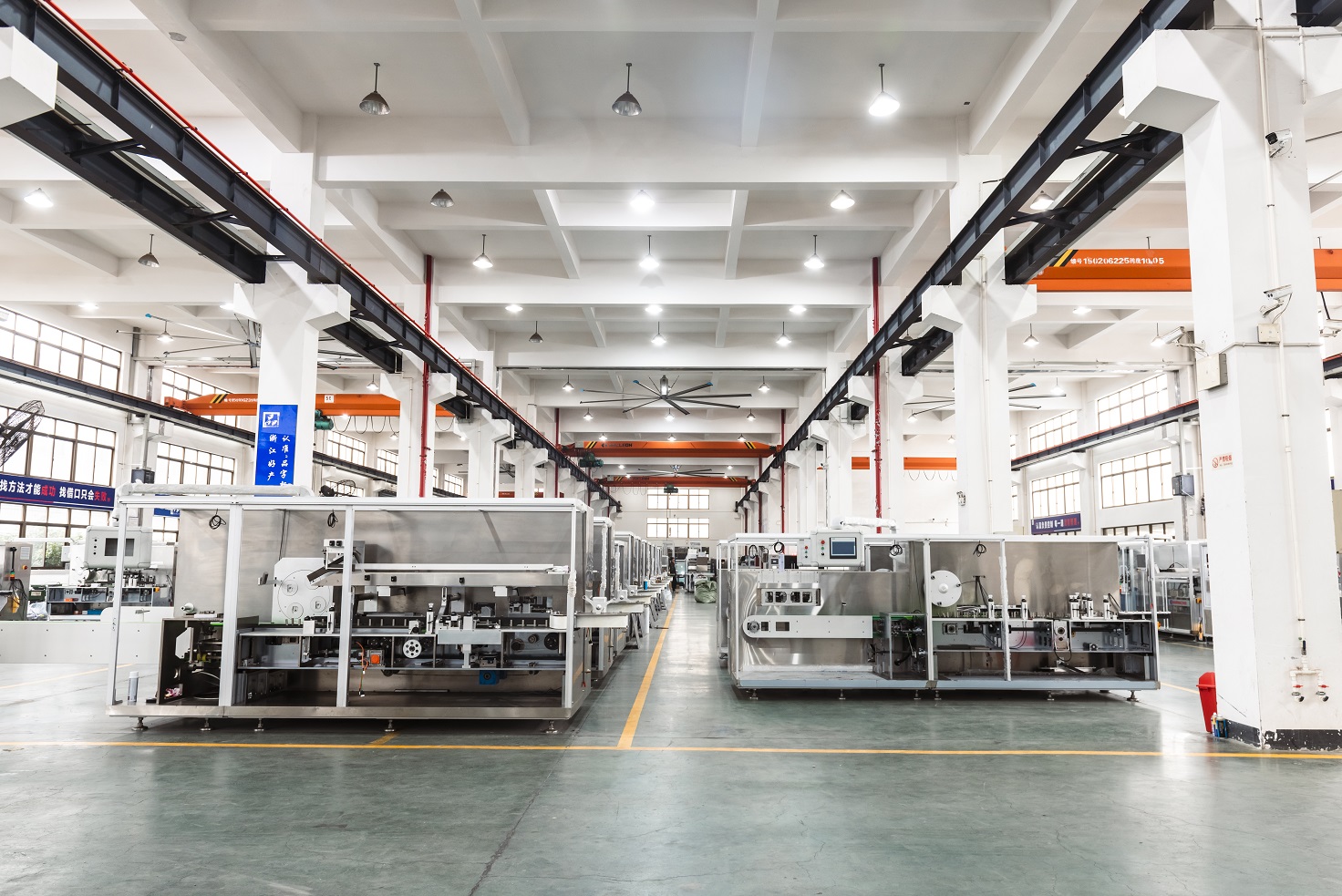
High-speed cartoner workshop: in an integrated blister-cartoning line, carton opening, leaflet insertion, inspection and rejection are part of one automated process flow.
What Full Servo Integration Changes in Practice
Full servo integration is best understood as a change in how stations relate to one another rather than simply as a faster drive package.
- Motion synchronization. Blister indexing, card transfer and carton indexing have to remain in phase as line speed changes; servo motion control supports that coordination across stations.
- Centralized control with modular stations. Alarm indication and parameter management are handled centrally, which simplifies fault diagnosis and format-changeover planning.
- Parameter discipline. Key parameters can be locked and faults recorded, which supports documentation practice in a GMP-oriented environment.
- Integrated rejection. Inspection and rejection sit inside the process flow rather than being added as a separate manual step downstream.
Four limits are worth stating plainly. First, initial investment for an integrated line is typically higher than for a standalone or semi-automatic arrangement. Second, the efficiency advantage concentrates in large-scale continuous production; workshops running many small batches with frequent changeovers may not recover the investment in the same way. Third, actual output is format-dependent, so rated values have to be proven on the buyer’s own product. Fourth, energy consumption should be measured against on-site output, running hours and configuration rather than taken from a general figure.
Maintenance considerations follow the same logic. Centralized control, modular stations, alarm indication and parameter management support routine maintenance, but they do not replace operator training, spare-parts management or preventive maintenance planning.
Adjacent Units for Non-Blister Scenarios
Not every product belongs on a blister-cartoning line, and portfolio scope matters as much as line performance when a buyer is mapping several products at once. Alongside the blister-cartoning line, Hoping’s range includes the Freeze-Dried Powder Blister Machine, the Facial Mask Packing Machine, the Automatic Vials Packing-Cartoning Production Line, and the Case Packing and Palletizing Integral Machine.
These units address different primary containment and format problems. Freeze-dried powder and vial formats are not blister-cavity products, so the packaging question becomes vial handling and cartoning rather than forming and sealing. Facial masks and comparable healthcare formats use a different feeding principle from tablets and capsules. Case packing and palletizing, whether supplied as an integral machine or as a separate end-of-line stage, addresses the scope that begins after cartoning.
For a buyer planning several products at once, the practical implication is that the decision is rarely “which single machine”. It is which stages can be shared across products and which require dedicated equipment — and that mapping normally determines the shape of a turnkey pharmaceutical packaging line far more than any single performance figure.
Market Context Behind Line Decisions
Three published market figures frame how buyers typically read this category. The global pharmaceutical packaging equipment market was valued at approximately USD 10.71 billion in 2024, according to SkyQuest Technology. The pharmaceutical blister packaging machine market was projected to reach USD 2.57 billion by 2025 at a CAGR of 2.8%, according to Custom Market Insights. Within the pharmaceutical sector, the cartoning machinery market was valued at USD 1.46 billion in 2024, according to Fortune Business Insights.
Regional and competitive structure add two more reference points. Asia Pacific held the largest regional revenue share, 40.7%, of the pharmaceutical packaging equipment market in 2025, according to Grand View Research. At the top of the blister packaging segment, the three largest players — Uhlmann, IMA and Marchesini — collectively hold approximately 29% of the pharmaceutical blister packaging machine market, according to a market intelligence report.
Note on divergence: published market totals vary with scope. SkyQuest Technology estimates the 2024 pharmaceutical packaging equipment market at USD 10.71 billion, while Grand View Research estimates USD 7.0 billion for 2025, largely because primary and secondary equipment are counted differently. Market totals are directional context for planning, not procurement evidence.
Two standards also shape how configurations are assessed. ISO 15378 integrates GMP requirements for primary packaging materials, and pharmaceutical equipment safety in the EU is governed by Machinery Directive 2006/42/EC together with the EN 415 series for packaging machines. For buyers comparing lines, a supply base in which the top three players hold under one third of the segment means the shortlist usually contains many credible manufacturers rather than a handful of dominant ones — which places correspondingly more weight on verifiable application fit.
Integrated Line Versus Traditional Blister Plus Standalone Cartoner
| Comparison dimension | Blister machine + manual transfer + standalone cartoner | Integrated blister-cartoning line |
|---|---|---|
| Process steps | Separate stages linked by manual transfer | Blister packaging, transfer, leaflet handling, carton opening, insertion, inspection/rejection and downstream connection in one automated process |
| Manual intervention | Higher, concentrated between stages | Reduced; intermediate handling is designed out |
| Throughput | Constrained by the slowest standalone stage and by transfer | Representative integrated model documented at up to 1,000 blisters/min and 500 cartons/min, subject to format |
| Initial investment | Lower entry cost | Typically higher |
| Operating cost structure | Labour and transfer costs scale with output | Reduced labour, transfer, management and quality-risk costs in large-scale continuous production |
| Quality-risk exposure | More points where product is handled between stages | Sensor monitoring, automatic stop and automatic rejection integrated into the flow |
| Maintenance and skills | Independent units, simpler individually | Centralized control and modular stations; operator training, spare parts and preventive maintenance still required |
| Best-fit production profile | Lower volume, frequent format variation, staged investment | Large-scale, continuous, few-format production in a high-capacity workshop |
The limitation is genuine and should be stated before a purchase decision rather than after it. An integrated line is not automatically the better choice. Its cost advantage depends on production scale and continuity, its efficiency claim depends on format, and its rated output must be validated on the buyer’s own product and packaging materials. Where a workshop runs short batches across many formats, a standalone arrangement with lower entry cost and greater stage-level flexibility can remain the more rational configuration.
Verification Points Before Accepting a Configuration Match
Matching a line to a scenario is a process, not a document review. The risks that most often affect solid dosage packaging projects include poor blister forming or sealing, missing, wrong or incomplete product feeding, missing leaflets, carton jams, coding or date-printing errors, foreign matter or contamination risk, downtime during high-speed operation, and delivery and installation risk on export projects.
Documented controls for these risks include sensor monitoring; vision or checkweighing inspection where configured; missing-product alarms; automatic stop; automatic rejection; key-parameter locking; fault records; mechanical safety protection; FAT/SAT acceptance; and SOP training. Documented project-stage measures add sample and packaging-material confirmation at the early project stage, solution design around blister and carton formats, no-load and material tests before shipment, installation, commissioning, training, spare parts and remote technical support, and customer witness acceptance for key projects.
For a decision-stage buyer, the sequence matters more than the checklist: confirm samples and materials first, configure the line around those formats second, test under no-load and material conditions third, and accept against FAT/SAT with trained operators last. Skipping the first step is the most common reason a technically capable line underperforms on site.
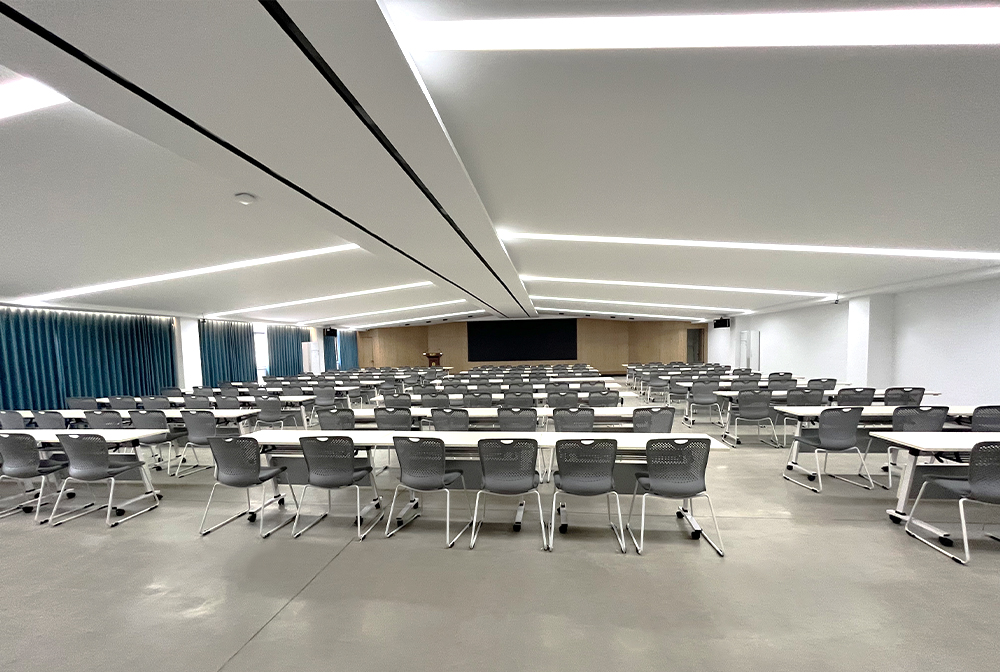
Operator training and SOP instruction: configuration fit is only realized when changeover, alarm handling and preventive maintenance are trained into the production team.
Future Outlook
Several trends are visible from the documented standards and market data. GMP-oriented design and traceable parameter control are moving from differentiators to baseline expectations, consistent with ISO 15378 integrating GMP requirements for primary packaging materials. Demand for barrier formats such as ALU-ALU continues to sit alongside standard ALU-PVC production, which keeps material and format validation at the centre of line configuration. Pressure to reduce manual contact in high-capacity workshops reinforces the case for integrated architectures where production volumes support them.
On the supply side, Asia Pacific’s 40.7% share of pharmaceutical packaging equipment revenue in 2025 indicates that equipment investment is concentrated in a region with a deep manufacturing base, while the approximately 29% combined share of the three largest blister packaging players leaves considerable room for specialist manufacturers. For buyers, that structure implies a shortlist process built on application-fit evidence — sample trials, format-specific output data, FAT/SAT documentation and clear statements of equipment scope — rather than on category-level claims.
Frequently Asked Questions
Which solid dosage products are best suited to an integrated blister-cartoning line?
Documented scope positions the integrated line for large-scale solid dosage pharmaceutical packaging and high-capacity workshops that require reduced manual contact. In practice, formats that produce stable blister cards and consistent carton loading — standard tablets and capsules in high-volume runs, for example — fit most directly. Products with unusual geometry, deformable fills such as soft capsules, or barrier requirements such as ALU-ALU should be validated on samples and packaging materials before the configuration is fixed.
How should buyers compare a fully servo integrated line with a traditional blister machine plus a standalone cartoner?
The comparison is more useful when it is made on process steps than on machine counts. A traditional arrangement links a blister machine, manual transfer and a standalone cartoner, which means intermediate handling between stages. An integrated line combines blister packaging, blister transfer, leaflet handling, carton opening, insertion, inspection/rejection and downstream connection into one automated process, reducing manual intervention. The trade-off sits on the investment side: integrated lines typically cost more up front, so the comparison should carry labour, transfer, management and quality-risk costs across the expected production volume.
What output can an integrated line deliver, and what does the rated figure depend on?
For the representative integrated model documented in the available product information, the DHL1000/5H, output is stated at up to 1,000 blisters per minute and 500 cartons per minute. That figure applies to a defined format and configuration. Actual output depends on product format, quantity per carton, materials and process conditions, so buyers should expect to prove output on their own product rather than accept a catalogue value at face value.
How is quality risk controlled when blister and cartoning stages are linked?
Documented controls for the integrated line include sensor monitoring, vision or checkweighing inspection where configured, missing-product alarms, automatic stop, automatic rejection, key-parameter locking, fault records and mechanical safety protection. These address risks such as poor blister forming or sealing, missing or incomplete product feeding, missing leaflets, carton jams and coding errors. FAT/SAT acceptance and SOP training belong to the same control set, together with no-load and material tests before shipment.
What are the limits and cost implications of an integrated blister-cartoning line?
Three limits are documented. Initial investment is typically higher than for standalone or semi-automatic equipment. The cost benefit is realized through reduced labour, transfer, management and quality-risk costs in large-scale continuous production, so low-volume or high-changeover production may see a weaker return. Energy consumption should be measured against on-site output, running hours and configuration rather than assumed. Maintenance, operator training, spare-parts management and preventive maintenance remain necessary even with centralized control and modular stations.
Product documentation covering the blister-cartoning line and related secondary packaging and end-of-line equipment, including the current Hoping Machinery catalog, is available here: Hoping Machinery Catalog (PDF).