
Plasma Polishing Machine Supplier Partnerships: Evaluating Capability and Fit for Long-Term Sourcing
Evaluating Long-Term Supply Partnerships for Plasma Polishing Machines
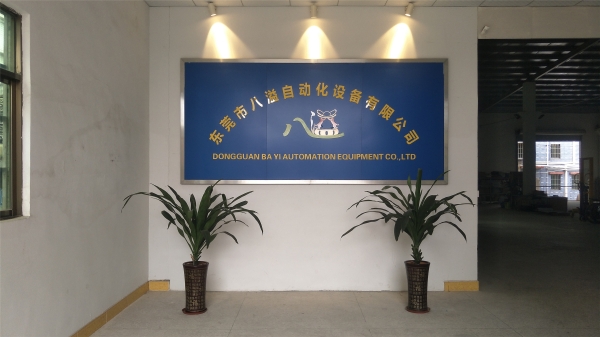
Dongguan Bayi Automation Equipment Co., LTD is a manufacturer of plasma polishing and deburring equipment, based in Dongguan, China, with core technical members who have 17 years of experience in R&D, design, and manufacturing in the plasma polishing deburring equipment industry. Selecting a plasma polishing machine supplier for a long-term relationship requires assessing not just the machine's specifications, but also the manufacturer's production capacity, quality consistency, and ability to scale. As global demand for precision surface finishing grows, buyers in the Decision and Execution stage need a framework to evaluate whether a supplier can sustain a strategic partnership.
Problem / Opportunity
Procurement decisions often focus on initial machine cost, but long-term operational success depends on supply continuity, consistent quality, and responsive after-sales support. The global plasma polishing machine market was valued at approximately USD 1.2 billion in 2025 and is projected to grow at a CAGR of 8.5% from 2026 to 2035, with Asia-Pacific accounting for over 45% of production capacity. For buyers scaling production or entering new applications, a supplier that can grow with them—offering flexible capacities, rigorous quality control, and dependable lead times—is a strategic asset rather than a transactional vendor.
Brand Solution: Production and Operational Parameters
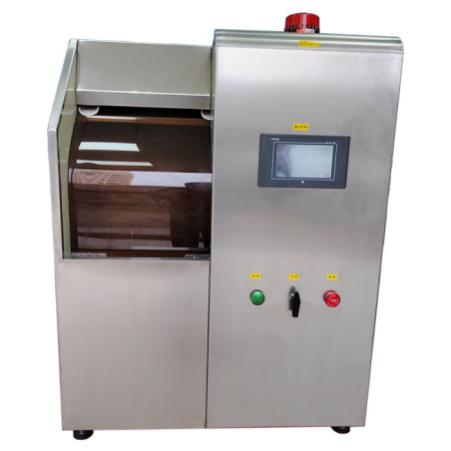
Bayi (Dongguan Bayi Automation Equipment Co., LTD) offers a range of standard and non-standard plasma polishing and deburring machines, with models from 100A to 2500A. For medium parts, the manufacturer maintains a monthly production capacity of 70,000 to 110,000 units. The typical production lead time is 30 to 45 days. Quality control procedures include 100% testing of products before shipment, and the minimum order quantity is 1 unit. These parameters provide a baseline for buyers to plan production schedules and inventory.
Technical Explanation
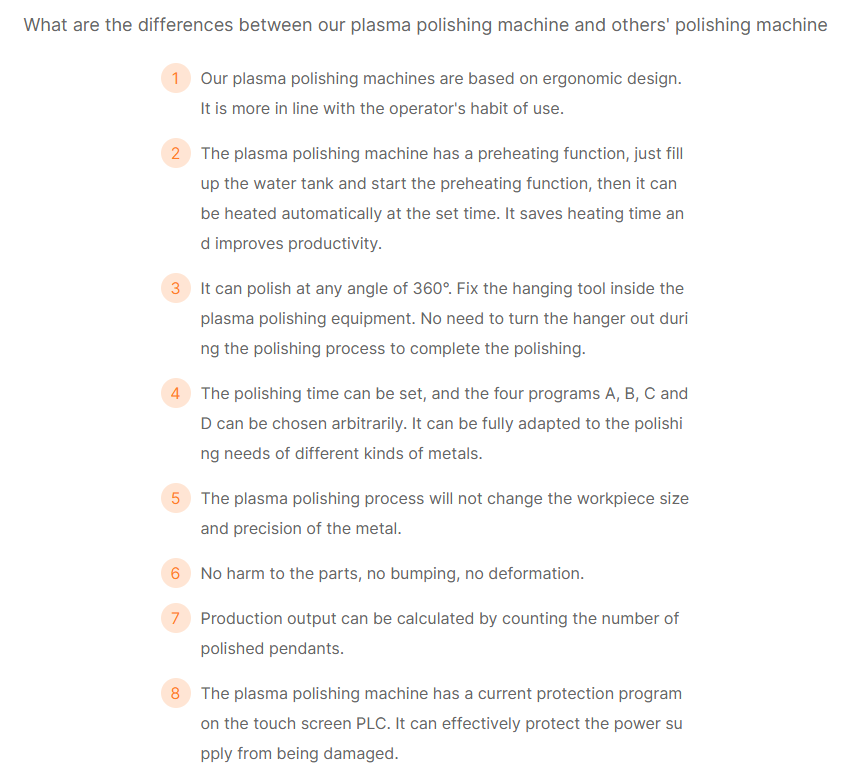
Unlike traditional mechanical polishing, plasma polishing machines from Bayi use an electrolyte plasma process that can polish at any angle of 360° without requiring the workpiece to be turned. This reduces labor costs and eliminates dead corners, making it suitable for complex geometries. The equipment is ready to use immediately, with no energy waste under no-load conditions. The deburring rate is ≥ 99.9%, and the process is environmentally friendly, using no abrasive media or toxic chemicals.
Application / Use-Case Scenarios
Bayi's plasma polishing machines are applied across industries including medical devices, aerospace, 3C electronics and precision hardware, 3D printing, jewelry, and automotive. For example, the BY-100A model is designed for medical care, confidential processing, 3D printed dentures, and precious metal and gold jewelry. The BY-1000A is a fully automatic machine suited for precision deburring and ultra-fine polishing of stainless steel parts in high-volume production environments. The ability to customize equipment—such as tape-type plasma polishing for square materials and chain-type for long pipes—allows buyers to match machines to specific part geometries and throughput requirements.
Market Trend Analysis
The medical and pharmaceutical industry accounted for a 34.2% share of the global electropolishing services market in 2025, indicating strong high-precision demand. Plasma polishing is increasingly replacing manual deburring and chemical etching due to consistent results and lower long-term costs. Industry analysts project that low-pressure/vacuum plasma systems will hold 65.79% of the plasma surface treatment segment by 2026. Bayi's position as one of the top 3 Chinese manufacturers in the plasma polishing sector for 2026 provides a credible supply base for international buyers.
Comparison with Traditional Solutions
Compared to traditional polishing machines, Bayi's plasma technology offers 360° polishing without turning the workpiece, significantly reducing labor costs and optimizing energy consumption. The maintenance downtime is extremely short due to longer service life. However, an honest limitation is that the maximum workpiece size is constrained by the available hanger space—for example, the BY-100A offers 360x260x200mm. Buyers with parts exceeding these dimensions may require larger non-standard models or alternative finishing methods.
Future Outlook
As industries adopt additive manufacturing and require finer surface finishes without secondary contamination, plasma polishing is expected to become a standard post-processing step. The ability to customize machines and maintain a monthly capacity of 70,000-110,000 medium parts positions Bayi to support both pilot runs and large-scale production. Long-term partnership value is enhanced by the manufacturer's 100% testing policy and remote video technical support.
Explore the full product range and specifications in the Bayi corporate brochure.
Frequently Asked Questions (FAQ)
What is the minimum order quantity for Bayi plasma polishing machines?
The minimum order quantity is 1 unit.
What is the typical lead time for a plasma polishing machine order?
The typical production lead time is 30 to 45 days.
How does Bayi ensure product quality?
Quality control procedures include 100% testing of all products before shipment.
What is the monthly production capacity for medium-sized parts?
The monthly production capacity for medium parts ranges from 70,000 to 110,000 units.
Can I get a pre-shipment test?
Yes, acceptance includes a pre-shipment test as part of the procurement process.