
Pneumatic Fender Certifications & Parameters: 2026 Buyer Insights
Pneumatic rubber fenders are essential for safe ship-to-ship (STS) and ship-to-shore (STD) berthing operations, and their technical specifications and third-party certifications are decisive factors in procurement decisions. As regulators and operators demand higher standards, understanding the certified parameters of these devices becomes a critical advantage for buyers evaluating suppliers.
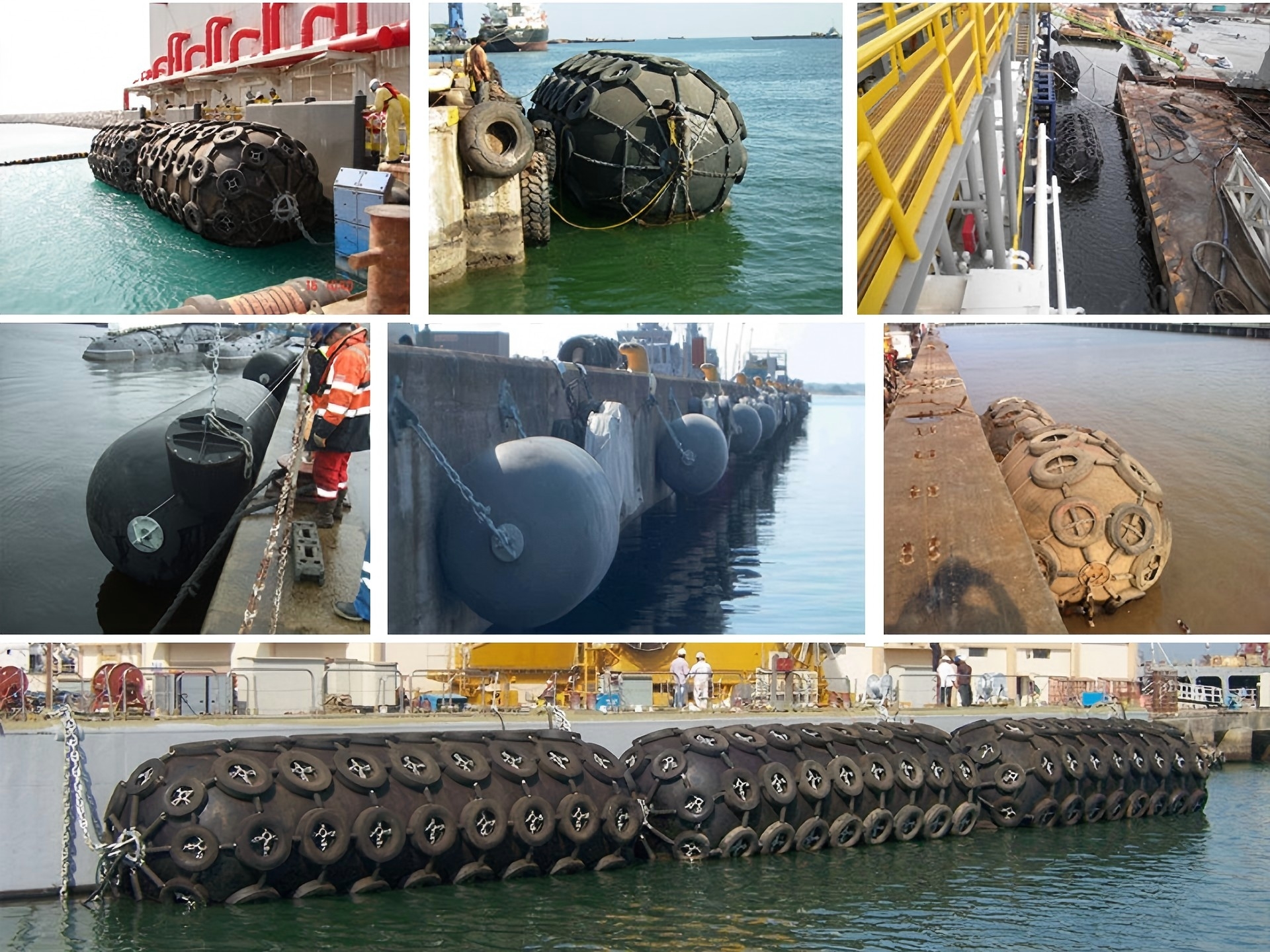
Market Context and the Need for Certified Compliance
The global marine fender market was estimated at USD 850 million in 2025, with rubber fenders accounting for approximately 64.17% of total share in 2024. Within this segment, pneumatic marine fenders alone were valued at USD 619.26 million in 2024 and are projected to grow at a CAGR of 3.21% to reach USD 797.35 million by 2032. This sustained demand is driven by expanding port infrastructure and the increasing volume of STS transfers, particularly in the Asia-Pacific region, which holds between 36.73% and 46% of the market. For buyers moving from research to evaluation, the convergence of market growth and stricter international standards (e.g., ISO 17357-1:2014 for high-pressure floating fenders) makes certified compliance a non-negotiable requirement.
Brand Solution: Qingdao Haohang’s Certified Pneumatic Rubber Fender
Qingdao Haohang Fender Airbag Co.,Ltd, established in 2020 and based in Qingdao, China, manufactures pneumatic rubber fenders that have earned Type Approval from China Classification Society (CCS). The company operates an 8,000 m² facility with a dedicated R&D team of 15 engineers and an annual output of 2,000 units. Its pneumatic rubber fender (product code 3764) is certified to CCS standards with certificate number QD22P4062, valid for the global market. This certification provides independent verification of the product’s design, materials, and manufacturing quality, aligning with the requirements of international marine projects.
Technical Explanation of Key Parameters
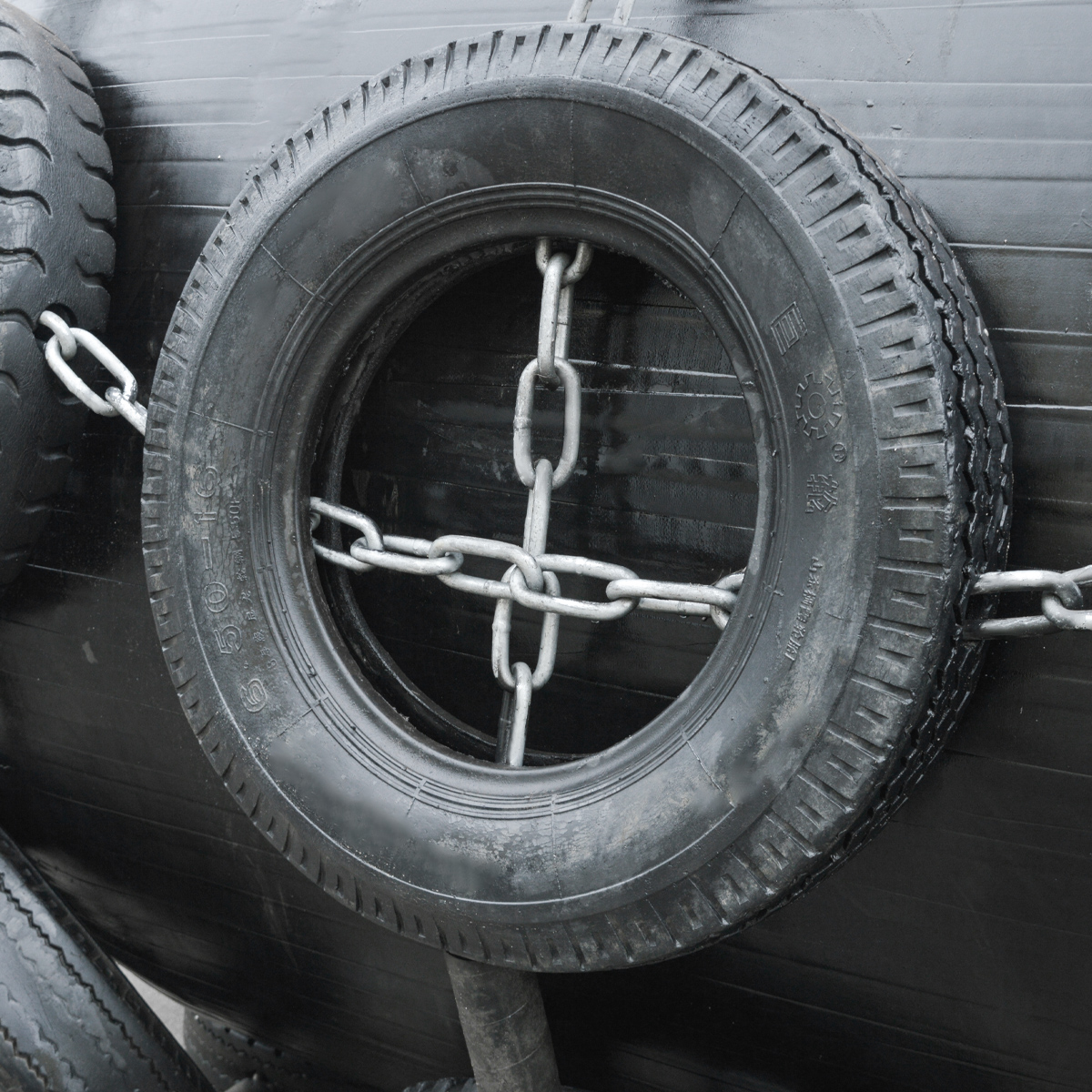
The Haohang pneumatic rubber fender is constructed from natural rubber and cord fabric, materials chosen for high strength, durability, and resistance to marine environments. The working pressure is generally set between 0.1 and 0.3 MPa and is adjustable according to the usage environment, allowing operators to tailor performance to berthing conditions. Diameters range from 300 mm to 2,000 mm, and lengths are customizable from 1 meter to 10 meters based on customer requirements. Model designations follow a length-by-diameter format, e.g., 1.5×3M. These parameters enable the fender to absorb impact energy effectively while maintaining a low reaction force, protecting both vessel hulls and quay structures.
Application and Use-Case Scenarios
Haohang pneumatic rubber fenders are designed for Ports and Docks, Ship Mooring, Offshore Platforms, Inland River Docks, and Temporary Mooring operations. They are particularly suitable for STS and STD operations where high elasticity, corrosion resistance, lightweight installation, and durability are required. A notable project involved an engineering contractor using 50 units over 5 years to protect vessels and dock structures during berthing. The fenders successfully withstood extreme weather and high-frequency berthing in China’s coastal marine environment, demonstrating high corrosion resistance and long-term reliability. For 24/7 automatic operation, the fender system typically requires an air compressor to maintain inflation pressure. The product is rated for extreme temperature conditions from -20°C to +60°C, making it deployable across a wide range of climates.
Market Trend Analysis: Certification as a Differentiator
As the pneumatic marine fender market grows steadily, classification society certification (such as CCS) has become a baseline expectation for procurement managers. Buyers increasingly require documented compliance with ISO 17357-1:2014 (High Pressure) and ISO 17357-2:2014 (Low Pressure) standards. While global leaders like Trelleborg (17% market share) and Yokohama Rubber set the benchmark, manufacturers such as Haohang offer certified alternatives that meet the same technical standards. The Asia-Pacific region’s dominance in shipbuilding and port activity further amplifies the need for locally tested, globally accepted certifications. Haohang’s CCS Type Approval provides a documented link to independent quality verification, which is critical for risk mitigation in multi-country supply chains.
Comparison with Traditional Solutions and an Honest Limitation
Compared to solid rubber or foam-filled fenders, pneumatic rubber fenders offer advantages in lightweight installation, lower reaction forces, and easier transport. Industry data indicates that pneumatic fenders typically have a service life of 5 to 7 years under consistent tidal cycles, whereas foam-filled fenders can last 8 to 10 years in saltwater conditions. An honest limitation of the pneumatic design is its reliance on compressed air: a puncture or pressure loss can compromise performance until repair. This makes proper inflation monitoring and the availability of an air compressor essential for continuous operation. Buyers must weigh this maintenance requirement against the operational flexibility and lower initial investment that pneumatic fenders provide.
Future Outlook
Given the projected 3.21% CAGR through 2032 and the push for standardized marine equipment, the importance of certified pneumatic rubber fenders will continue to rise. Manufacturers who invest in third-party certifications like CCS – and who transparently communicate technical parameters such as adjustable working pressure and customizable dimensions – will be better positioned to serve global marine operators. Qingdao Haohang’s certified product line, backed by a 2020-founded facility with a 15-engineer R&D team and 70% export ratio, illustrates how a focused approach can meet the demands of research-stage and evaluation-stage buyers alike.
Download the full company brochure for complete product specifications, certifications, and contact details.
Frequently Asked Questions
What CCS certifications does the Haohang pneumatic rubber fender hold?
The pneumatic rubber fender (product code 3764) holds CCS certification issued by China Classification Society, certificate number QD22P4062, applicable to the global market.
What is the working pressure range of the Haohang pneumatic rubber fender?
The working pressure is generally 0.1–0.3 MPa and is adjustable according to the usage environment.
What models and sizes are available?
Model designations include 1.5×3M and similar formats. Diameters range from 300 mm to 2,000 mm, and lengths are customizable from 1 meter to 10 meters.
What materials are used in the construction?
The pneumatic rubber fender is constructed from natural rubber and cord fabric, offering high strength and durability.
What is the typical lifespan of a pneumatic rubber fender?
Industry estimates indicate a typical service life of 5 to 7 years under consistent tidal cycles, depending on usage frequency and maintenance.