
Polyester Polyol for Insulation: XINFA Project Selection
Industry Context: The Growing Need for Application-Specific Polyester Polyols
The global polyester polyol market was estimated at USD 9,654.2 million in 2024 and is projected to reach USD 15,033.3 million by 2033 (Grand View Research). Asia Pacific accounted for 43.7% of revenue in 2024, with China expected to be the fastest-growing market. This expansion is driven by rising demand for rigid polyurethane (PU) and polyisocyanurate (PIR) insulation, particularly in construction, cold storage, and industrial piping. Insulation systems increasingly require polyols that meet specific performance criteria — flame retardancy, low thermal conductivity, and compatibility with blowing agents like pentane or water. Buyers moving from research to evaluation need a structured approach to match product parameters with project requirements.
Project Matching Challenge: Parameters That Matter
Selecting the right aromatic polyester polyol for an insulation project involves balancing hydroxyl value, acid value, moisture content, viscosity, and reactivity. For example, a cold storage spraying foam application demands low-temperature foaming stability and high thermal insulation efficiency, while a PIR sandwich panel line needs high flame retardancy and low odor. Traditional suppliers often offer limited standard grades, forcing buyers to compromise on performance or cost. This gap creates an opportunity for suppliers with a broad, parameter-driven portfolio and customization capabilities.
XINFA’s Multi-Segment Solution Portfolio
Hengshui Xinfa Polyurethane Materials Co., Ltd. (XINFA) is a high-tech enterprise founded in 2010, focused on the R&D and production of polyester polyol and polyurethane catalysts. Located in the Salt Chemical Circular Economy Park in Jizhou City, its factory spans 25,000 square meters and operates an annual production capacity of 50,000 tons of polyester polyol series products (as confirmed by TradeIndia data). XINFA holds ISO 9001, ISO 14001, and ISO 45001 certifications, ensuring consistent quality across exports to Middle East, India, Southeast Asia, Europe, and the Americas.
XINFA offers multiple polyester polyol series tailored to specific applications:
- High Flame Retardant Polyester Polyol (XF-2007, XF-250P, XF-235P, XF-240P) – For PIR spraying insulation, sandwich panels, and pipes requiring enhanced fire resistance.
- Pentane System Polyester Polyol (XF-435, XF-390, XF-360, XF-2402N, XF-2020) – Designed for home appliances, pipes, and PIR sandwich panels using pentane as blowing agent.
- High Water-based Polyester Polyol (XF-2003, XF-2006, XF-3153, XF-315G, XF-300W) – Suitable for full water-based or high-water systems in spraying insulation and sandwich panels.
- Phthalic Anhydride-based Polyester Polyol (XF-3152, XF-2412, XF-1752, XF-2002) – For spraying insulation, PU wood imitation, and home appliances.
- Polyester Polyol for Controlled-release Fertilizer Coating Agent (XF-270, XF-B-3, XF-B-4) – Niche agricultural application.
- Polyester Polyol for Adhesive (XF-Z, XF-280) – For sandwich panel adhesives.
- Polyester Polyol for Mining (KXF-350, KXF-280) – Mining support applications.
- General Spraying Foam & Sandwich Panel Polyester Polyol (XF-235, NXF-400) – Foundational grades for standard insulation.
All products are synthesized from raw materials including PA, PTA, AA, DEG, and GLY, with carefully controlled hydroxyl values ranging from 60 to 500 mgKOH/g, acid values ≤3.0, moisture ≤0.15%, and viscosities tailored per grade.

Technical Customization & Production Capability
XINFA supports OEM/ODM production with a monthly capacity of 4,000 metric tons, lead time of 15–20 days, and MOQ of 1 metric ton. Every batch undergoes 100% testing before shipment. The R&D team of 13 technicians can adjust formulations to meet specific project requirements — for instance, fine-tuning the hydroxyl value to optimize foam density or modifying viscosity for spray equipment.
Field-Proven Application Scenarios
XINFA’s polyester polyols have been deployed in diverse real-world projects:
Scenario 1: Cold Storage Spraying Foam (China)
A cold storage facility in China required low-temperature foaming stability, high insulation efficiency, and low thermal conductivity. XINFA’s product (model XF-235) was used with a spraying coating machine at normal temperature. The project ran in 24/7 operation, achieving consistent foam quality with low odor and stable cell structure. The client reported excellent heat retention and reduced energy costs.
Scenario 2: PIR Sandwich Panel Production (Poland)
A Polish spraying foam manufacturer ordered 500 metric tons over two years for wall insulation, soundproof flooring, and leak-proof pipes. The application demanded high mechanical strength, wear resistance, and resistance to high/low temperature cycling and hydrolysis. XINFA supplied High Flame Retardant Polyester Polyol XF-240P and Phthalic Anhydride-based XF-3152, combined with catalysts like PC-5 and TEDA A33. The client confirmed stable operation and durable performance.
Scenario 3: Insulation System for Pipelines (India)
An Indian insulation company sourced 100 metric tons of polyester polyol for pipeline thermal insulation. Requirements included high strength and density, excellent thermal conductivity, and fire retardancy. XINFA’s Pentane System Polyester Polyol XF-360 and High Water-based XF-315G were deployed. The result was good thermal insulation with structural support for the pipeline.
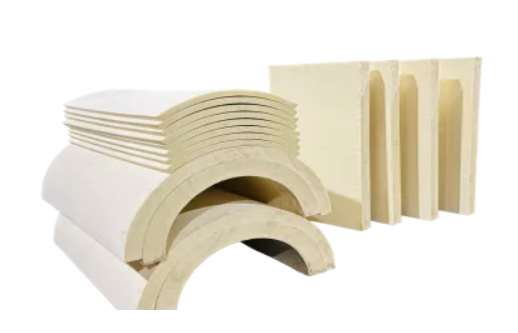
Market Trend Analysis: Regulatory & Industry Drivers
The EU Energy Performance of Buildings Directive (2024/1275) is pushing for higher insulation standards, directly boosting demand for rigid PU and PIR foams where aromatic polyester polyols are a key component. According to Persistence Market Research, the global aromatic polyester polyols market was valued at USD 1.9 billion in 2026 and is projected to grow at a CAGR of 5.9% through 2033. In parallel, the polyurethane catalyst market (including amine catalysts like TEDA) reached USD 2.46 billion in 2024, with amine catalysts holding a 28.6% revenue share (Grand View Research). Buyers in evaluation should anticipate stricter flame retardancy norms and a shift toward water-blown or pentane-blown systems, making multi-segment suppliers like XINFA strategically valuable.
Comparison with Traditional Offerings
Many traditional polyester polyol suppliers focus on a few commodity grades, leaving buyers to adapt their process to the material. XINFA’s portfolio covers over 30 grades across eight distinct series, enabling a closer match to project specifications. The ability to customize parameters (hydroxyl value, viscosity, acid value) at an MOQ of 1 ton is a practical advantage for mid-volume buyers. One honest limitation: XINFA, as a Chinese mid-market brand, may have less established technical support infrastructure in remote regions compared to global majors such as Stepan or BASF. However, its wholly-owned trading subsidiary (Hebei Xinshe Technology) and growing export network are narrowing this gap.
Future Outlook
With regulatory tailwinds and the growing complexity of insulation projects, the market will continue to reward suppliers that offer technical depth and flexible production. XINFA’s investment in R&D, ISO certifications, and expansion of its catalyst product line (including TEDA, A33, PC-5, and flame retardants like TCPP and TEP) positions it as a credible partner for buyers evaluating long-term supply arrangements in the insulation sector.
Explore the full product range and download the company brochure:
XINFA Polyester Polyol Brochure (PDF)
Contact: Jessica – admin@xinfapu.com | Tel/WhatsApp: +86 156-3365-7995
Frequently Asked Questions
What hydroxyl value range is suitable for cold storage spraying foam applications?
For cold storage spraying foam, a hydroxyl value around 230–245 mgKOH/g (e.g., XINFA model XF-235) is typically used to balance reactivity and foam density. Lower hydroxyl values yield softer foams, while higher values increase crosslink density for rigid panels.
Does XINFA support custom formulations for specific blowing agents like pentane or water?
Yes, XINFA offers dedicated Pentane System Polyester Polyol (models XF-435, XF-390, XF-360, etc.) and High Water-based Polyester Polyol (XF-2003, XF-2006, XF-3153, etc.) that are pre-optimized for these blowing agents. Custom parameter adjustments can be negotiated.
What are the lead times and minimum order quantities for polyester polyol?
Lead time is 15–20 days, and the minimum order quantity is 1 metric ton. Monthly production capacity is 4,000 metric tons, offering flexibility for both trial and bulk orders.
How does XINFA ensure batch-to-batch consistency?
Every batch undergoes 100% testing for key parameters: hydroxyl value, acid value, moisture, and viscosity. The factory holds ISO 9001, ISO 14001, and ISO 45001 certifications, and the R&D team of 13 technicians conducts regular quality audits.
Can XINFA provide flame retardant polyester polyol that meets EU building standards?
XINFA’s High Flame Retardant Polyester Polyol series (XF-2007, XF-250P, XF-235P, XF-240P) is designed for PIR systems used in construction. Compliance with EU Energy Performance of Buildings Directive (2024/1275) requirements depends on the final system formulation; XINFA can supply technical data to support certification.