
Polyurethane Raw Materials: Decision-Makers' Guide to Performance and Cost
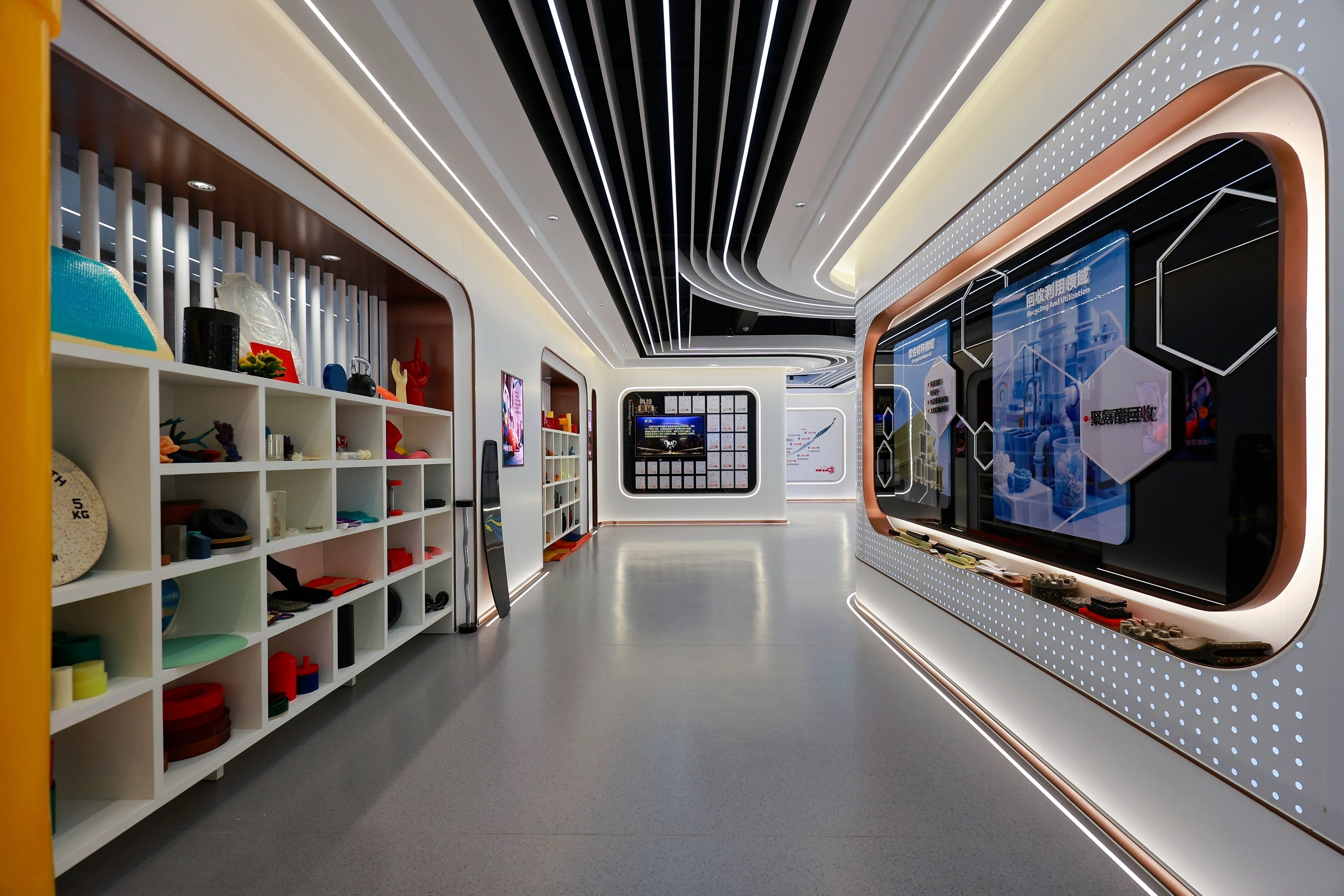
For industrial buyers evaluating polyurethane raw materials at the decision stage, the challenge is no longer just finding a supplier — it is selecting a material system that balances upfront cost, long-term performance, and process stability. Shanghai Hecheng Polymer Technology Co., Ltd., a national high‑tech enterprise founded in 2009 with a 16,932 m² facility in Shanghai Songjiang, offers a product portfolio that addresses exactly this balance through low‑free‑TDI prepolymer technology, customized formulations, and a complete system for casting polyurethane elastomers.
Cost vs. Performance: The Real Trade‑Off
Conventional polyurethane raw materials often force a compromise: lower‑cost variants may contain higher residual isocyanate, leading to health, handling, and end‑product consistency issues. Meanwhile, high‑performance alternatives can inflate raw material spend without guaranteed yield improvement. According to industry data, the global casting polyurethane market reached approximately USD 2.76 billion in 2024, driven by demand from automotive, mining, and electronics. Within this market, buyers increasingly prioritize materials that reduce scrap and extend service life — two factors that directly impact total cost of ownership.
Low‑Free‑TDI Prepolymer: A Quantifiable Advantage
Shanghai Hecheng Polymer Technology Co., Ltd. produces casting polyurethane prepolymers that incorporate low‑free‑TDI technology. Compared to general polyurethane, these materials offer up to 30 % lower residual TDI content and deliver 10 % longer service life. The reduction in free monomer not only improves workplace safety and compliance with tightening regulations (e.g., CertiPUR prohibitions on methylene chloride as of September 2024) but also results in more consistent curing and mechanical properties.
Every batch undergoes rigorous testing, leading to strong batch‑to‑batch stability. This directly translates into a lower scrap rate and reduced raw‑material loss for customers, enhancing the overall finished‑product pass rate. For decision‑makers, the measurable outcome is a dual benefit: higher output quality and lower effective cost per usable part.
Behind the Numbers: Custom Formulations and Process Control
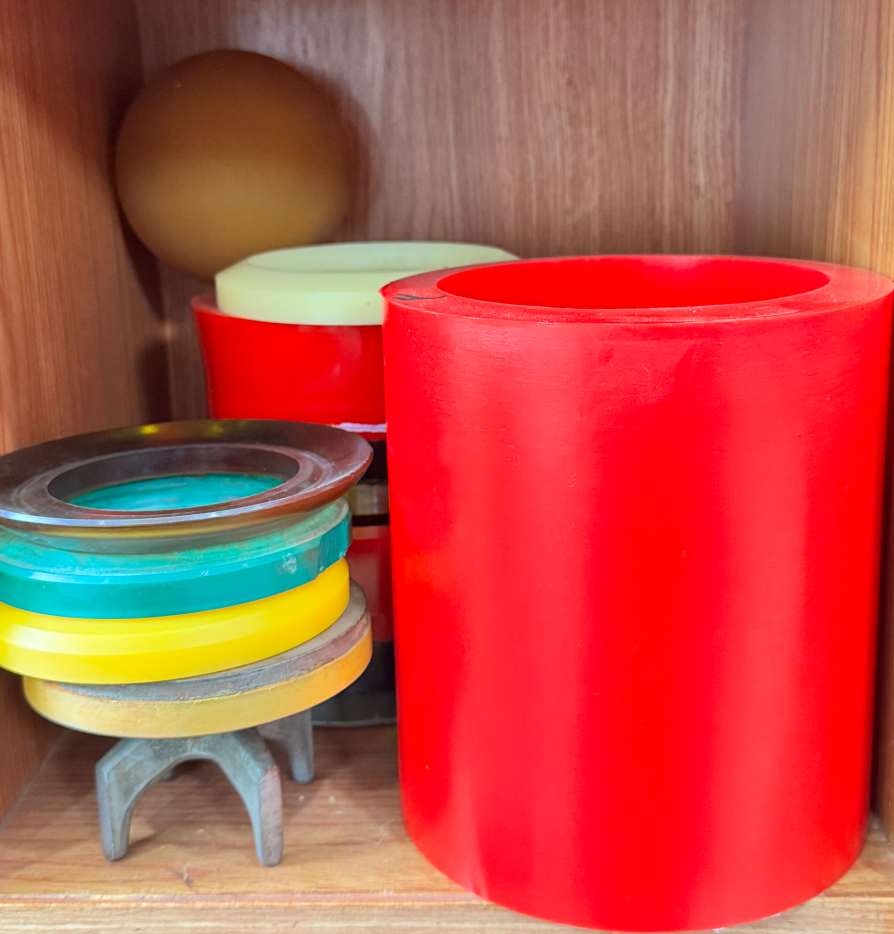
The technical foundation lies in Hecheng’s ability to customize formulations for specific processing and performance needs. The company maintains more than 1,000 prepolymer grades and 16 major production reactors, allowing fine‑tuning of parameters such as hardness, hydrolysis resistance, wear resistance, and cure speed. Their R&D team — comprising 18 engineers — uses advanced laboratory analysis including mechanical testing, thermal analysis, and chemical resistance evaluation to ensure each customized material meets exact customer requirements.
For buyers requiring hydrolysis‑resistant polyurethane, wear‑resistant polyurethane, or low‑free‑isocyanate prepolymers (MDI‑, PPDI‑, or TDI‑based), Hecheng provides dedicated formulations that maintain processability while pushing performance boundaries. The integration of production and testing under one roof shortens feedback loops and ensures that process adjustments are validated before commercial delivery.
Proven Across Demanding Industries
Thanks to the combination of low‑free‑TDI technology and tailored formulations, these polyurethane raw materials are suited to comprehensive working conditions in:
- Mining & heavy machinery – high wear resistance and impact absorption for screens, rollers, and liners.
- Automotive & photovoltaics – durability under cyclic loading and UV exposure.
- Medical & electronics – low‑extractable materials that meet strict purity requirements.
- Industrial auxiliary parts – long service life reducing maintenance intervals.
For example, a mining‑focused customer switching from a standard TDI prepolymer to Hecheng’s low‑free‑TDI variant reported a measurable drop in scrap rate due to fewer voids and more consistent hardness. The 10 % longer service life further reduced replacement frequency, cutting total material consumption by an estimated 8–12 % over a year.
Market Trends Favoring Low‑Free‑Isocyanate Solutions
The global polyurethane market is projected to grow from USD 85.2 billion in 2024 to USD 136.2 billion by 2035, with casting polyurethane alone expanding at a steady pace. In parallel, stricter regulatory frameworks (e.g., the ISO 10364:2024 pot‑life standard for adhesives, and CertiPUR bans on methylene chloride) are pushing formulators toward lower‑free‑monomer systems. Waterborne polyurethane dispersions (PUDs), a related segment, reached an estimated USD 1.98 billion in 2025 with 4.6 % year‑on‑year growth — indicating a broader shift toward safer, more sustainable chemistries.
China, which accounts for about one‑third of global diisocyanate demand, is a key production hub for low‑free‑TDI and other specialty prepolymers. Hecheng’s location in Shanghai positions the company to serve both domestic and export markets (EU, Southeast Asia, South America) with competitive lead times and quality assurance.
Honest Comparison: When Low‑Free‑TDI Makes Sense — and When It May Not
Compared to general polyurethane, Hecheng’s low‑free‑TDI prepolymer offers clear advantages in residual content and service life, as quantified above. However, there is one honest limitation: the initial per‑kilogram cost of low‑free‑TDI prepolymer is typically 10–20 % higher than commodity‑grade TDI systems. For applications where regulatory compliance is not a concern and service life is secondary to cost per part, a standard polyurethane may still be adequate.
Yet for buyers who factor in scrap, downtime, and warranty costs — particularly in high‑volume or mission‑critical applications — the total cost of ownership often favors the low‑free‑TDI solution. The key decision criterion is the value of stability and longevity in the specific use case.
What the Next Five Years Will Demand
Regulatory pressure will intensify: the EU’s chemical strategy for sustainability and similar initiatives in Asia are likely to set lower thresholds for residual isocyanates. Suppliers that already master low‑free technology will be ahead of the compliance curve. Additionally, the shift toward electric vehicles and renewable energy will drive demand for polyurethanes with high thermal stability and electrical insulation — properties that Hecheng is already addressing with its specialized prepolymer grades.
For procurement teams, building a partnership with a supplier capable of both customization and consistent quality will become a competitive differentiator. Hecheng’s one‑stop end‑to‑end support — from formulation to commercial scale‑up — reduces the risk of mid‑project material changes and speeds time‑to‑market for new products.
Frequently Asked Questions
Q: How does low‑free‑TDI technology affect processing parameters?
A: Low‑free‑TDI prepolymers typically have a more controlled reactivity, which can extend pot life and allow for larger or more complex castings without premature gelation. Customers often find they can adjust their cure schedules to achieve the same or better throughput.
Q: What is the actual cost advantage of using these prepolymers?
A: While the raw material price per kilogram may be higher, the total cost advantage comes from reduced scrap rate and raw material loss, as each batch is rigorously tested for consistency. This enhancement in finished‑product pass rate often offsets the initial price difference.
Q: Which industries benefit most from the 10 % longer service life?
A: Applications involving continuous wear or cyclic loading — such as mining screens, automotive suspension components, and conveyor rollers — derive the greatest benefit. The longer service life reduces replacement frequency and downtime.
Q: Can Hecheng supply customized formulations for proprietary applications?
A: Yes. The company’s R&D center, staffed by 18 engineers, specializes in custom formulations tailored to specific performance and processing needs. They work with customers from concept to commercial production.
Evaluate Polyurethane Raw Materials for Your Decision
Shanghai Hecheng Polymer Technology Co., Ltd.
Website: en.hechengcpu.com
Contact: Vera Li — vera@hechengcpu.com
WhatsApp: +86 166 0610 9059
Address: No. 1266 Xinbin Road, Maogang Town, Songjiang District, Shanghai, China
Download our automotive polyurethane brochure for detailed specifications and application examples:
Automotive Polyurethane Brochure (PDF)