
Polyurethane Raw Materials: Market Drivers, Technical Capabilities and Application Insights
Polyurethane raw materials form the backbone of high-performance elastomer systems used across industrial machinery, renewable energy, marine, automotive, and sports sectors. As global demand accelerates—partly driven by lightweighting and industrial automation—the need for consistent, technically supported supply chains becomes more acute.
The Market Opportunity
According to industry data, the global polyurethane market was valued at approximately USD 85.2 billion in 2024 and is expected to reach USD 136.2 billion by 2035. Within this, the casting polyurethane segment alone accounted for USD 2.76 billion in 2024, reflecting strong demand from mining, construction, and energy applications. Mainland China remains the largest single market for diisocyanates (MDI, TDI, aliphatic), representing roughly one-third of global volume. Against this backdrop, manufacturers that combine formulation expertise with production scale hold a distinct advantage.
Company Profile: Shanghai Hecheng Polymer Technology Co., Ltd
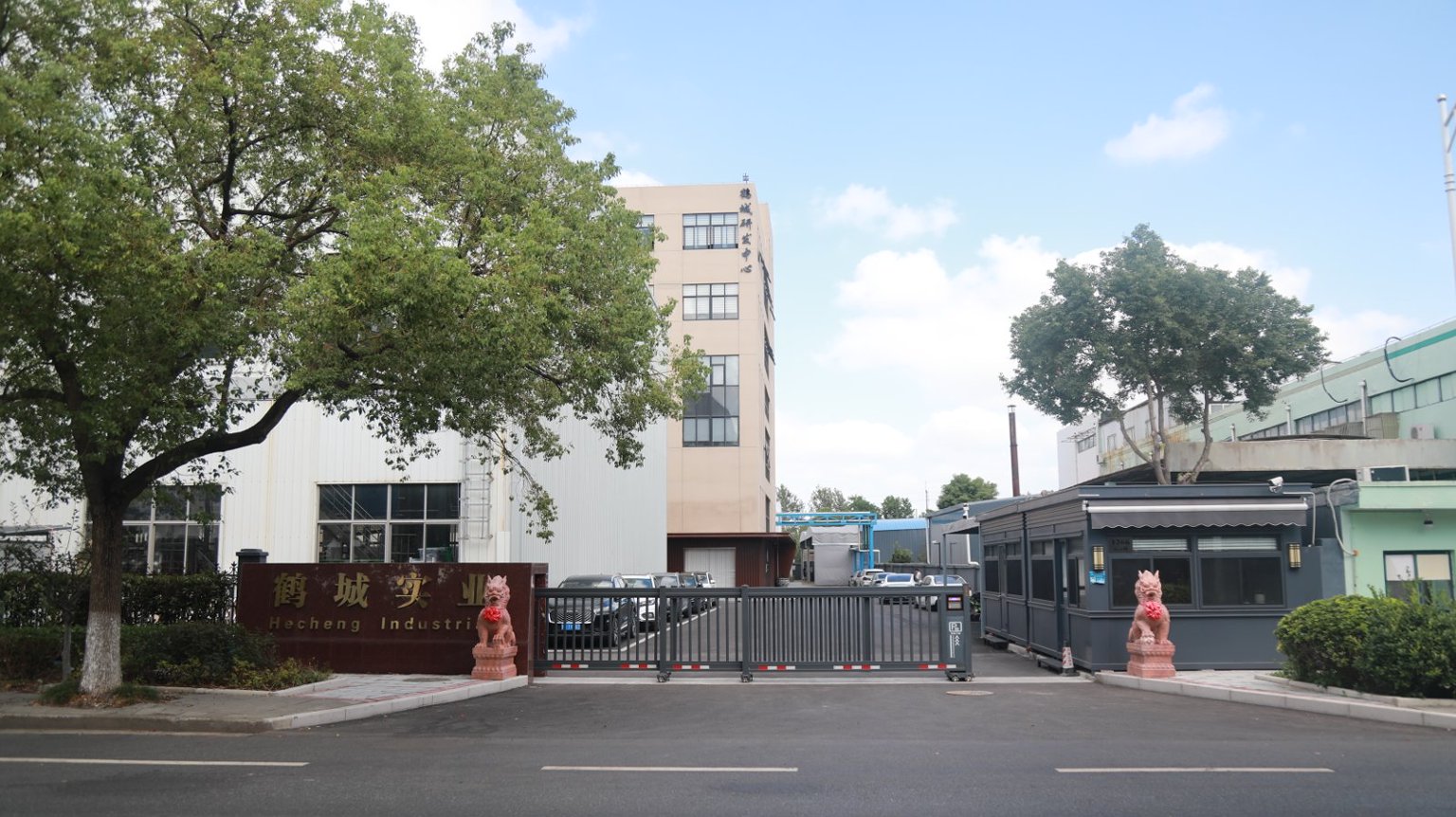
Shanghai Hecheng Polymer Technology Co., Ltd., established in 2009, is a national high-tech enterprise specializing in the R&D, manufacturing, and global supply of high-performance polyurethane (CPU) elastomer materials. The company is headquartered at No. 1266 Xinbin Road, Maogang Town, Songjiang District, Shanghai, China, with a manufacturing facility spanning 16,932 square meters. Hecheng operates 16 major production reactors and maintains an annual production capacity of 1 million tons, supported by a workforce of approximately 78 staff, including an R&D team of 18 engineers. The product range covers over 1,000 prepolymer grades, with casting polyurethane prepolymer as the core offering.
Technical Capabilities and Product Portfolio
Hecheng's technical depth is reflected in its diverse product lines, which include casting polyurethane prepolymers, quasi-polyurethane elastomer materials, liquid polyurethanes, waterborne polyurethanes, and two-component adhesives. Specific model examples include:
- CPU Casting Polyurethane (PTMG-MDI system): Model PTMG-MDI, designed for sealed class accessories, offering environmentally friendly and corrosion-resistant properties.
- Liquid Polyurethane (Gel-8301AB): A polyurethane AB material with antioxidant and high resilience characteristics, suitable for various elastomer applications.
- Polyurethane Elastomer (Polyester, three-component): Model Screen Scraper-5282ABC, featuring high wear resistance and high resilience for mining sector parts.
- Polyurethane Prepolymer (Polyether-MDI): Model Rubberized sports equipment - 8385AB, used for coating sports goods with vivid colors and eco-friendly attributes.
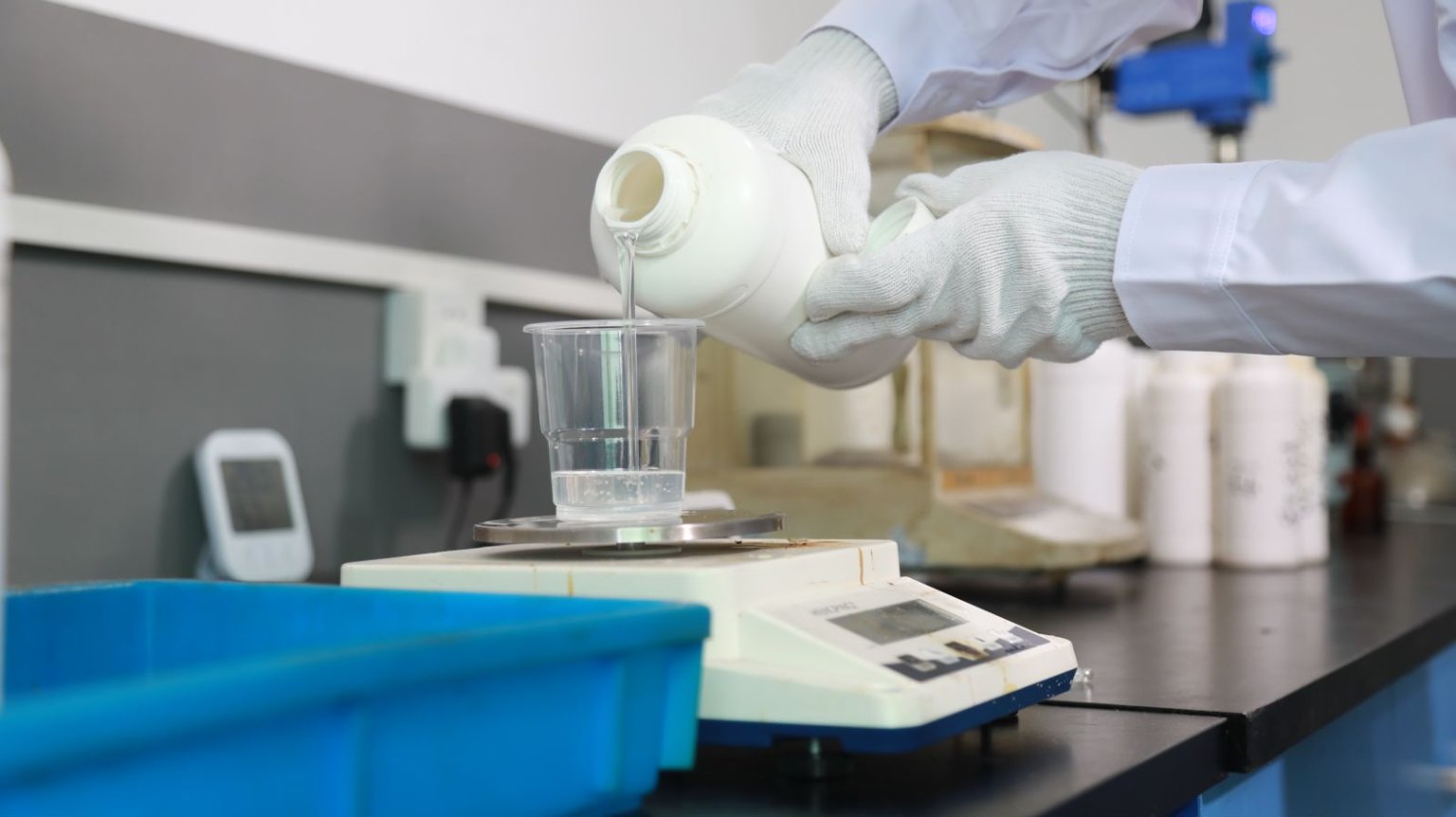
The company also offers low-free-isocyanate prepolymers based on MDI, TDI, and PPDI, which reduce health risks during processing while maintaining mechanical performance. All materials are produced under strict quality control, with advanced laboratory testing covering mechanical, thermal, and chemical resistance evaluation.
Application Scenarios Across Industries
Hecheng's materials are deployed in a wide range of industrial environments, particularly in Southeast Asia and South Asia (Vietnam, Pakistan, Philippines, Cambodia, Malaysia, Bangladesh, Thailand). Common scenarios include:
- Automotive: TDI low-free prepolymer used to improve physical and mechanical properties under high humidity and corrosive water contact conditions. Automated two-component metering and high-pressure mixing enable continuous mass production.
- Mining: Cast polyurethane raw material for tensionless screen mesh and wear-resistant pads, operating under frequent friction and tropical climate stress.
- Marine Technology: Liquid polyurethane providing seawater corrosion resistance, marine organism anti-fouling, and shock absorption for marine components.
- Wind Power Generation: Polymer prepolymer delivering aging resistance, high-voltage sealing, and vibration damping for wind turbine parts.
- Construction: High hydrolysis- and corrosion-resistant elastomer for anti-wear parts in tropical high-temperature, high-humidity environments.
- Sports & Composite Materials: Polyurethane prepolymer for rubberizing fitness equipment and producing sealing rings.
All applications utilize an automated production mode with two-component metering, high-pressure mixing and pouring, and are compatible with standard polyurethane high-pressure or low-pressure casting machines.
Market Trend Analysis
Global demand for polyurethane elastomers rose by 12% in 2024, primarily driven by industrial machinery and automotive lightweighting trends. The waterborne polyurethane dispersions (PUDs) market is estimated at USD 1.98 billion in 2025, reflecting a shift toward environmental compliance. Additionally, regulatory changes—such as the CertiPUR label's ban on methylene chloride in foam production (effective September 2024)—are pushing processors toward low-free-isocyanate and waterborne alternatives. Hecheng's portfolio, which includes low-free MDI/TDI/PPDI prepolymers and waterborne systems, aligns with these evolving requirements.
Comparison with Traditional Solutions
Compared to conventional rubber or thermoplastic polyurethane (TPU) materials, casting polyurethane (CPU) offers superior load-bearing capacity, abrasion resistance, and the ability to produce large, complex parts with adjustable hardness. The thermoset nature of CPU elastomers also provides better heat and chemical resistance than many thermoplastics. One honest limitation is that CPU processing requires precise temperature control and two-component mixing equipment, which may involve a higher upfront investment for new entrants. However, the durability and performance gains often offset this cost over the product lifecycle.
Future Outlook
As industries in Asia-Pacific continue to expand—especially mining, renewable energy, and automotive—the demand for high-performance polyurethane raw materials will grow. Hecheng's focus on customized formulation, combined with a large reactor bank and a dedicated R&D team (nearly 30% of total employees), positions it to serve both standard and specialized applications. The company's 30% export ratio and presence in EU, Southeast Asia, and South America further underscore its global readiness.
Frequently Asked Questions
Q: What are the main product categories offered by Shanghai Hecheng Polymer Technology?
A: The company's main product is Casting Polyurethane prepolymer, with over 1,000 prepolymer grades in the range. Additional categories include quasi-polyurethane elastomer materials, special functional materials, eco-friendly adhesives, additives, waterborne polyurethanes, and two-component polyurethane adhesives for encapsulation and special applications.
Q: In which industries are Hecheng's polyurethane materials commonly used?
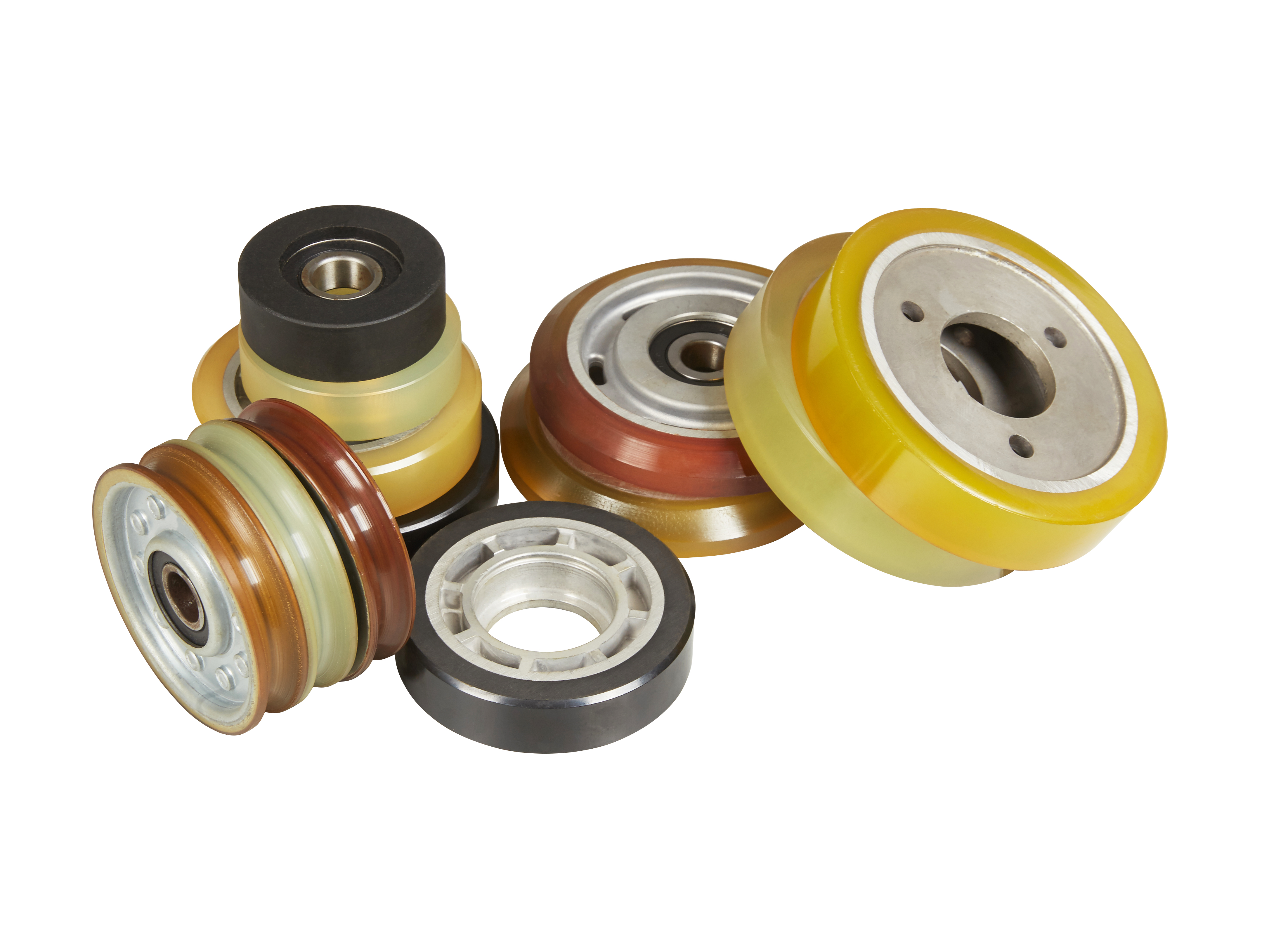
A: Hecheng's materials are widely used in automotive, photovoltaics, machinery, mining, marine, sports, construction, wind power generation, and composite materials industries. Specific applications include mining screen mesh, sealing rings, traction wheels, sports equipment coating, and anti-wear construction parts.
Q: What is the production capacity and R&D strength of Hecheng?
A: Hecheng's Shanghai facility covers 16,932 m² with 16 major production reactors and an annual production capacity of 1 million tons. The R&D team includes 18 engineers, accounting for nearly 30% of the total staff of approximately 78 employees.
Q: What technical support does Hecheng provide for downstream processors?
A: Hecheng provides one-stop end-to-end support from product development to commercial production, including custom formulation development, process optimization, and laboratory testing (mechanical, thermal, chemical resistance). The company also supplies technical documentation and supports automation integration with polyurethane casting machines.
Q: Does Hecheng offer low-free-isocyanate polyurethane prepolymers?
A: Yes. Hecheng produces Low Free Isocyanate MDI based prepolymers, Low Free Isocyanate PPDI based prepolymers, and Low Free Isocyanate TDI based prepolymers, which reduce free monomer content for safer handling while maintaining elastomer performance.
Download the automotive polyurethane brochure (PDF) for detailed technical specifications and application case studies.