
Porcelain Tile Project Solutions for High-Traffic Commercial Spaces
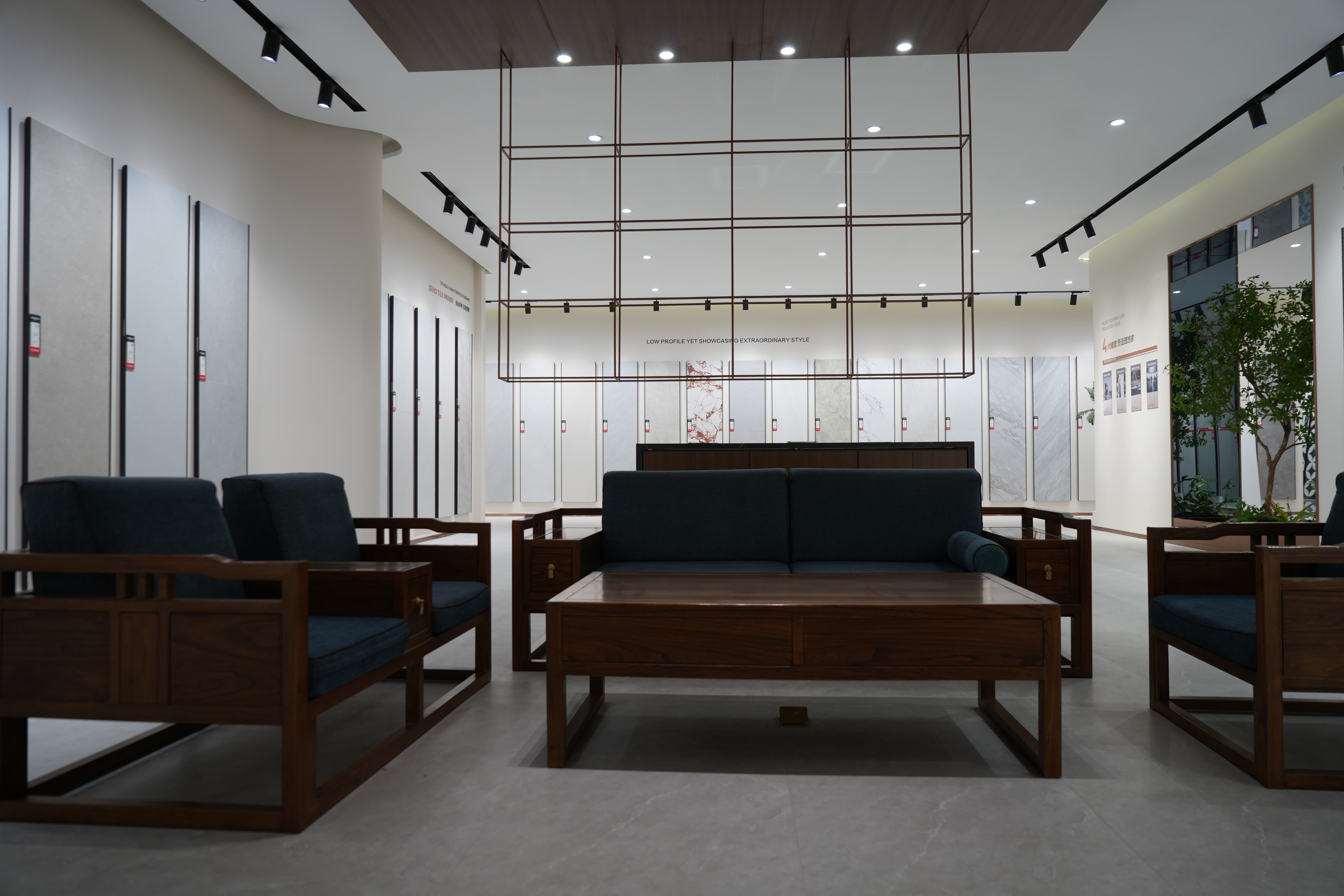
ALL KING CERAMICS is a premier manufacturer and direct exporter of premium architectural ceramics, operating from a 60,000 m² factory in Zibo, China, with an annual output of 12–16 million square metres and a dedicated 25‑engineer R&D team. The company specialises in large‑format porcelain tiles (60×120 cm flagship) and serves global commercial real estate, hospitality, and institutional projects across Australia, New Zealand, Russia, the Middle East, and Latin America.
Problem & Opportunity: The Commercial Tile Specification Gap
Global ceramic and porcelain tile market was valued at USD 226.4 billion in 2025, with porcelain tiles accounting for 52.4 % of revenue (Grand View Research). Commercial end‑use—shopping malls, hotel lobbies, healthcare facilities, and educational buildings—represents the largest segment. Yet many project specifiers struggle to balance aesthetics, durability, safety, and code compliance under tight budgets. Off‑the‑shelf products often fail in high‑traffic, wet, or thermal‑shock environments, leading to premature replacement and inflated lifecycle costs.
The opportunity lies in partnering with a manufacturer that delivers porcelain tile project solutions purpose‑engineered for each commercial scenario — with certified slip resistance, near‑zero water absorption, and PEI 4/5 wear ratings.
Brand Solution: Technical Foundation
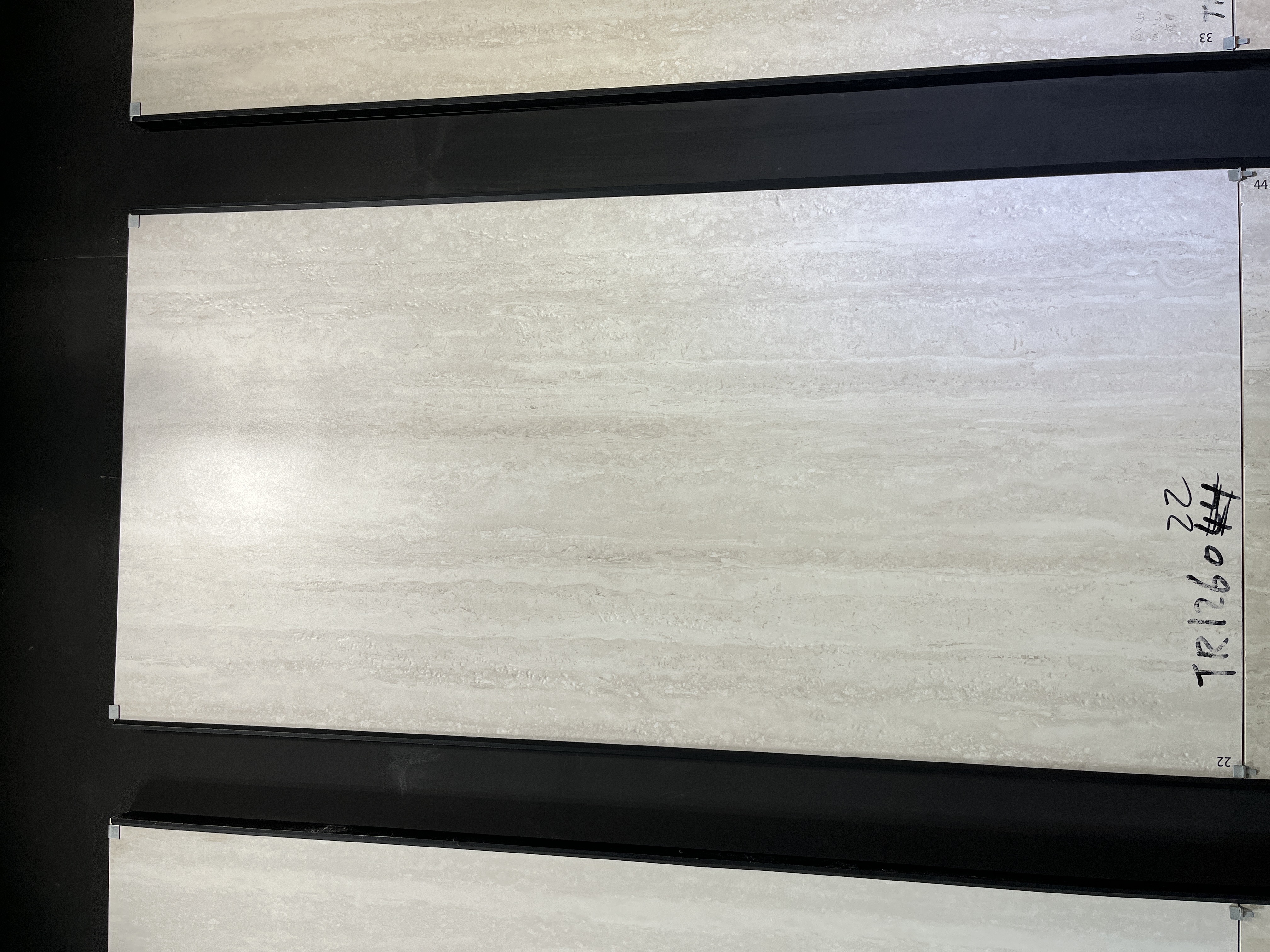
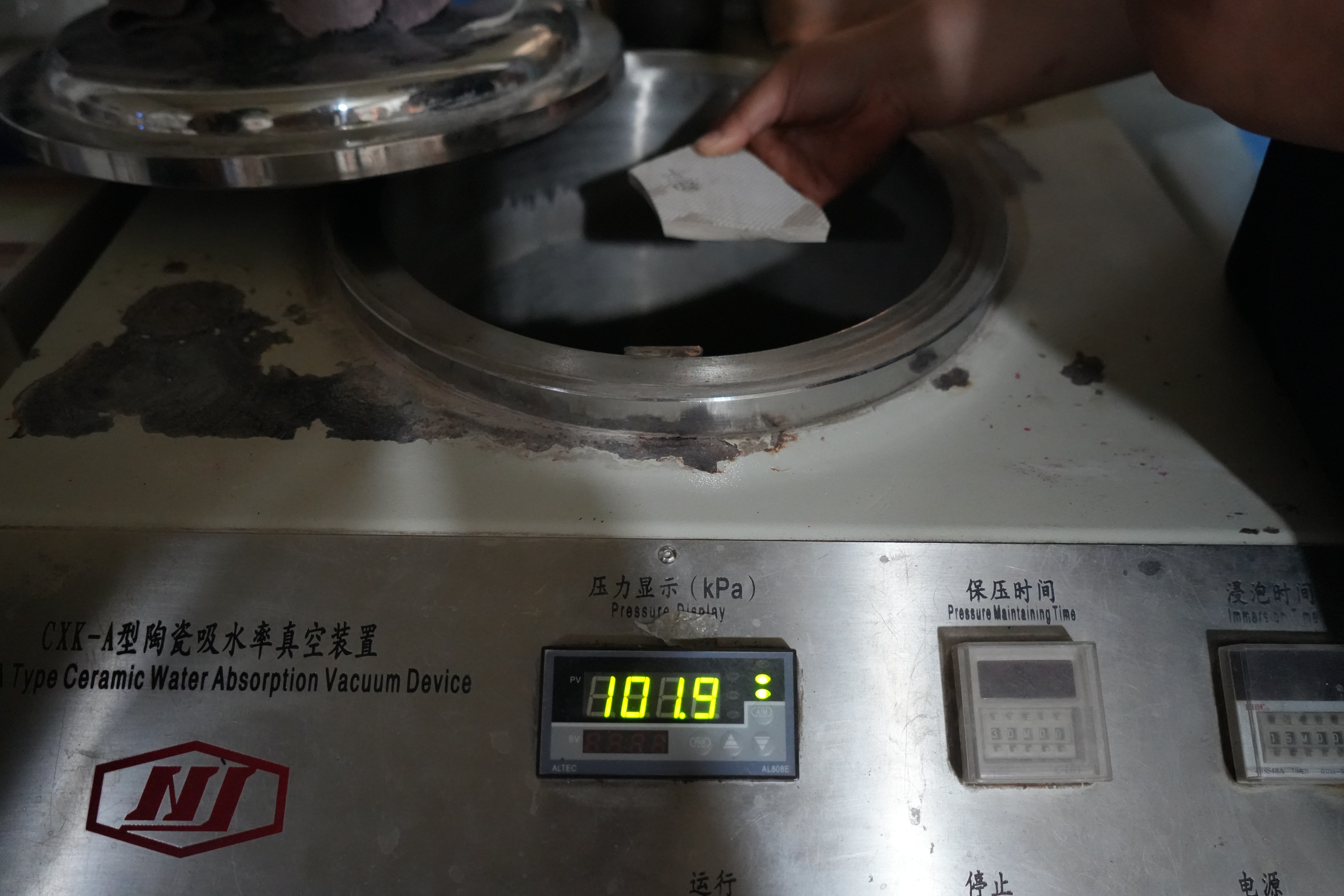
ALL KING CERAMICS’ porcelain tiles are vitrified (water absorption < 0.5 %), with abrasion resistance PEI 4 or PEI 5, Mohs hardness 6–7, breaking strength ≥ 1 300 N, and modulus of rupture ≥ 35 MPa. These parameters ensure the product withstands continuous heavy‑duty use, high‑frequency commercial traffic, and frost‑freeze‑thaw cycles. Tiles comply with ISO 13006, and for wet or slippery environments the range can be specified with anti‑slip ratings R10/R11 (per DIN 51130). The 60×120 cm format is supplied in multiple series — Marble, Travertine, and custom designs — allowing architects to achieve seamless large‑format aesthetics with fewer joints.
| Parameter | Value / Range |
|---|---|
| Water absorption | < 0.5 % (vitrified) |
| Abrasion resistance | PEI 4 / PEI 5 |
| Breaking strength | ≥ 1 300 N |
| Modulus of rupture | ≥ 35 MPa |
| Anti‑slip (optional) | R10 / R11 (DIN 51130) |
| Standard compliance | ISO 13006 |
Application & Use‑Case Scenarios
The factory’s product matrix — including 60×60 cm, 80×80 cm, 100×100 cm, and 75×150 cm — addresses diverse project needs:
- Hotel lobby & commercial mall flooring: Large‑format marble‑look tiles deliver a seamless aesthetic while meeting PEI 5 wear resistance for constant foot traffic.
- Anti‑slip outdoor pavers (20 mm): For plazas, pool surrounds, and entrance walkways, tiles with R11/R12 ratings provide safety in rain and frost.
- Healthcare & educational facilities: Low‑emission, easy‑to‑clean surfaces; porcelain’s mineral composition at high‑firing temperatures (> 1 200 °C) is inherently low‑VOC, supporting LEED v4.1 IEQ credits.
- Commercial kitchens & food production: R11 anti‑slip rating (19°–27° slope) ensures safety in wet, greasy conditions, while acid‑alkali resistance withstands cleaning chemicals.
- Large‑scale mixed‑use developments: OEM/ODM capability allows custom size, thickness, surface finish, and packaging — including private‑brand cartons — with MOQ from 400 m² per design and trial orders accepted.
In a documented project (Canada, 15 000 m²), ALL KING CERAMICS tiles were installed in hotel lobbies, commercial mall flooring, and high‑end apartment bathrooms. The outcome was zero‑defect durability, seamless aesthetic presentation, and zero maintenance complaints over the project lifecycle.
Market Trend Analysis
Three macro trends reinforce the value of engineered porcelain tile solutions:
- Commercial dominance: Commercial end‑use accounted for the largest revenue share of the global ceramic tile market in 2025 (Grand View Research). Developers increasingly demand products that combine aesthetics with lifecycle cost efficiency.
- Safety‑first regulation: DIN 51130‑based slip‑resistance classifications (R11/R12) are becoming mandatory in Europe and are increasingly referenced in North American and Middle Eastern building codes for hospitality, healthcare, and food‑service areas.
- Sustainability & LEED alignment: Porcelain tiles are inherently low‑emitting; mineral‑based tiles fired above 1 200 °C are exempt from FloorScore VOC requirements, making them a straightforward specification for green‑building projects.
Comparison with Traditional Solutions
Compared with standard ceramic tiles, porcelain tiles offer significantly lower water absorption (< 0.5 % vs. 3–7 %), higher breaking strength, and better frost resistance. Natural stone, while visually rich, often requires sealing and has higher maintenance costs. Large‑format porcelain slabs also reduce the number of grout lines, lowering long‑term cleaning and repair expenses.
Honest limitation: The initial material cost of premium vitrified porcelain tiles can be 10–20 % higher than entry‑level ceramic options. However, when the total cost of ownership (installation, maintenance, replacement frequency) is considered — especially in high‑traffic commercial settings — the lifecycle advantage of porcelain is well documented in project case studies.
Future Outlook
As global construction rebounds and safety/sustainability codes tighten, the demand for certified, project‑specific porcelain tile solutions will only grow. Manufacturers with vertically integrated production, flexible OEM/ODM capabilities, and rigorous in‑house quality control — including 100 % flatness and sizing auto‑check, piece‑by‑piece visual inspection, and batch lab testing — are best positioned to serve large‑scale commercial and institutional buyers.
Frequently Asked Questions
A: For hotel lobbies, key specs include water absorption < 0.5 % (vitrified), abrasion resistance PEI 4–5, breaking strength ≥ 1 300 N, and compliance with ISO 13006. Large formats (60×120 cm or 75×150 cm) reduce joints and enhance the seamless look. The product should be installed using a leveling system and tile spacers for flatness.
A: DIN 51130 defines R11 for slopes of 19°–27° (suitable for kitchens and food‑production areas) and R12 for 27°–35° (dairy/industrial). For commercial kitchens, R11 is typically sufficient to meet safety standards in wet, greasy conditions.
A: Porcelain tiles are mineral‑based and fired at high temperatures (> 1 200 °C), making them inherently low‑emitting. They are exempt from FloorScore VOC requirements and support LEED v4.1 IEQ credits. Certification to ISO 13006 is also commonly required by project specifications.
A: For standard production, lead time is 7–10 days after order confirmation. Custom sizes or finishes may require additional time. Monthly production capacity is approximately 1.2 million m², enabling consistent supply for projects of 15 000 m² or more.
A: Yes. OEM/ODM customization includes custom size, thickness, surface finish, pattern variation (e.g., marble vein customization), anti‑slip rating, and private‑brand logo packaging. Minimum order quantity is 400 m² per design, and trial orders are accepted.
For detailed product specifications, technical parameters, and reference projects, download the full product catalogue: ALL KING Ceramics Catalog (PDF).