
Potassium Aluminium Fluoride Supplier Analysis: Capabilities, Product Forms and Industry Position
The global potassium aluminium fluoride market, valued at approximately USD 1.76 billion in 2024, is projected to reach USD 2.62 billion by 2033, according to DataHorizzon Research. This article provides an independent analysis of Sumetech Industry Co., Ltd, a direct manufacturer of potassium aluminium fluoride (PAF), examining its production capabilities, product portfolio, industry position, and procurement relevance for buyers in aluminum smelting, abrasives, brazing, ceramics, and glass manufacturing.
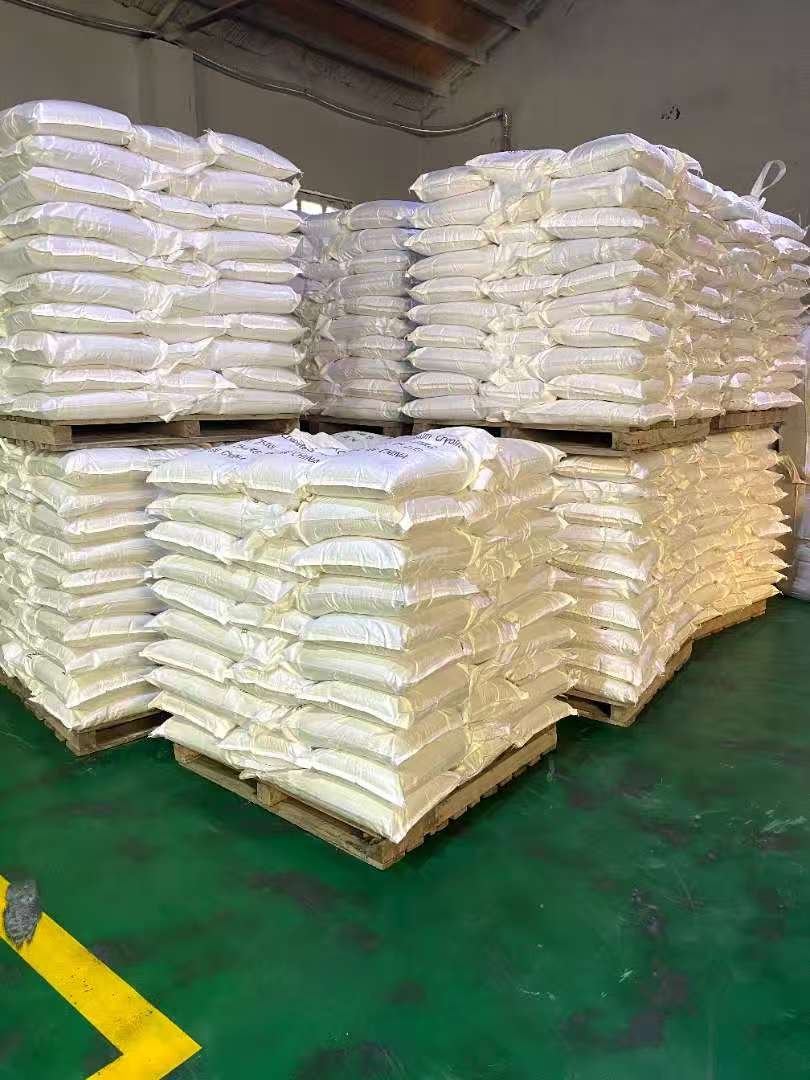
Figure 1: Finished potassium aluminium fluoride product output.
The PAF market context and what buyers are evaluating
Potassium aluminium fluoride encompasses compounds often referred to as potassium fluoroaluminate, potassium cryolite, KAlF, KAlF4, or K3AlF6. It functions primarily as a flux in the aluminum industry, and is also an active filler in resin-bonded abrasives and a process-improving additive in ceramics and glass.
Purchasers searching for potassium aluminium fluoride generally need answers to practical questions: which supplier has reliable production capacity; what forms and particle sizes are available; how white and grey variants differ; and whether the supplier can deliver consistent quality for demanding casting, brazing, or abrasive applications. This article focuses on how one supplier—Sumetech—answers those questions, and where its offering has meaningful limitations.
Company profile: direct manufacturer with specialization in metallurgical fluxes
Sumetech Industry Co., Ltd is a direct manufacturer of potassium aluminium fluoride and other specialty chemicals. Established in 2019, the company specializes in metal smelting and casting auxiliary materials, including grain refiners, aluminum-based master alloys, metal additives, and fused fluxes. Its main product lines are potassium aluminium fluoride and boron nitride. The company supplies the refractory, abrasive, welding, and aluminum alloy industries worldwide.
Sumetech operates a manufacturing facility covering 6,000 square meters and reports an annual production capacity of 5,000 metric tons. Its R&D and quality control team consists of 5 full-time senior engineers. Export business accounts for 90% of total sales, with major markets including Turkey, Japan, Korea, and Europe.
Production capabilities and vertical integration evidence
Supply reliability in specialty fluoride chemicals depends on process control rather than simple output volume. The production facility of Sumetech is equipped with ultrafine mechanical mills, crushing and shaping machines, and advanced sieving and classification systems. This combination supports the production of powder, granular, and lump forms, with particle sizes including mesh 200, 0.3–1.0 mm, and 0.5–1.5 mm.
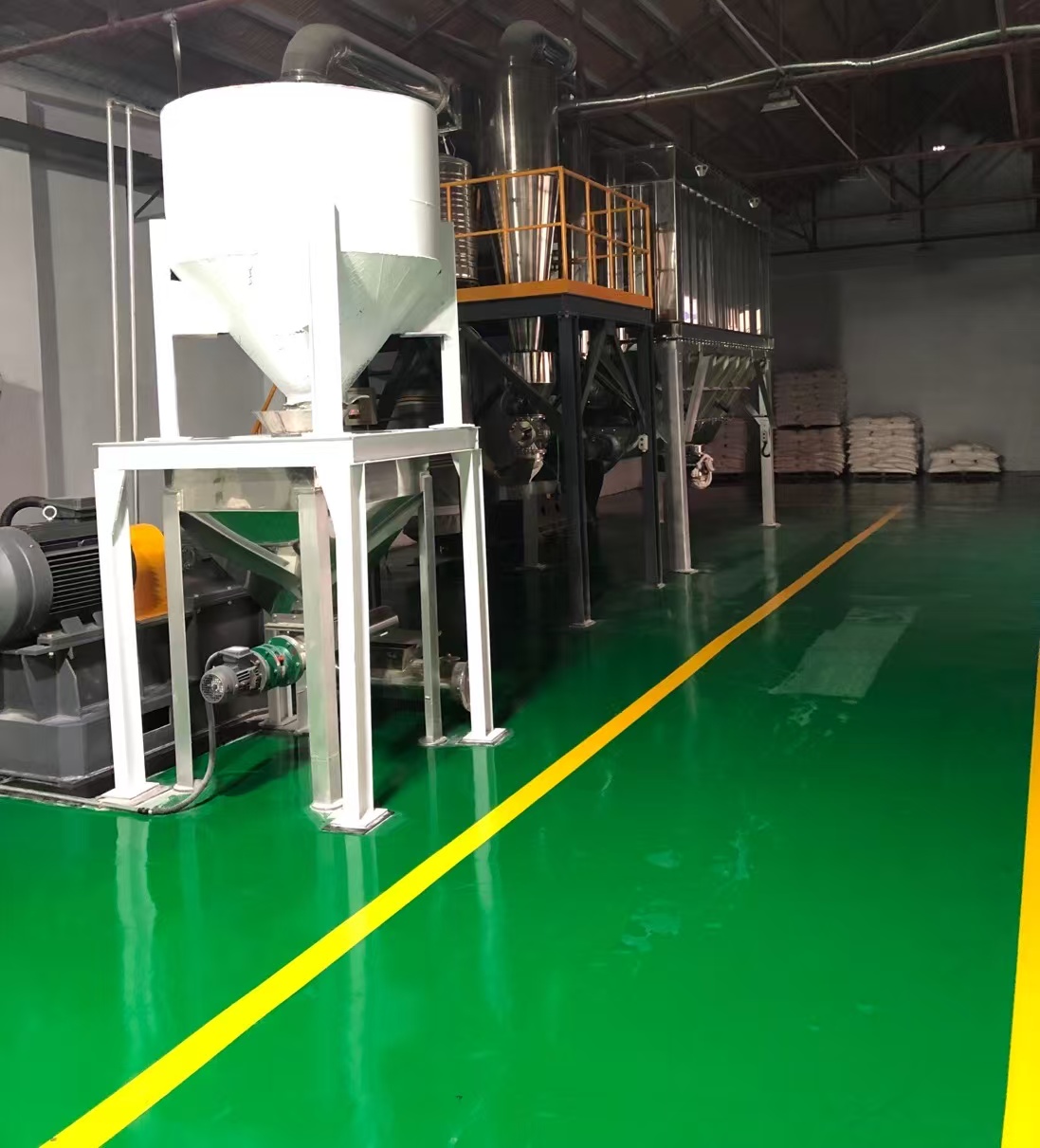
Figure 2: Advanced screening and classification equipment supporting narrow particle size distribution.
From a procurement perspective, the presence of in-house crushing, shaping, milling, and classification equipment reduces dependence on toll processors and shortens lead time adjustments when buyers change particle size specifications. The company also states that it maintains large raw material inventories on-site, which is operationally relevant for buyers who prioritize supply continuity, though property-level inventory figures were not independently verified.
Product portfolio: forms, colors, and material identification
Sumetech supplies potassium aluminium fluoride in two color variants—white and grey—and in powder, granular, and lump forms. The specification range covers mesh 200 powder, 0.3–1.0 mm granular, and 0.5–1.5 mm granular, as well as lump for applications requiring coarse feed material.
| Form | Color options | Available particle sizes | Typical application direction |
|---|---|---|---|
| Powder | White, grey | Mesh 200 | Abrasives, flux blending, ceramics |
| Granular | White, grey | 0.3–1.0 mm, 0.5–1.5 mm | Aluminum smelting, casting flux, brazing |
| Lump | White, grey | Lump (brochure specification) | Foundry addition, smelting |
Materials supplied are composed of potassium fluoroaluminate, and the product is intended for the aluminum industry as flux. Available product forms include Potassium Aluminium Fluoride Flux, Granular, Powder, and Lump.
White versus grey PAF: what the color difference implies
Buyers commonly ask about the difference between white and grey potassium aluminium fluoride. In the PAF market, a conventional distinction exists between higher-purity white material and grey material oriented toward foundry and abrasive use, but exact premium differences and application-specific impurity limits are not published in the market datasheet. Buyers should treat white and grey as process selection signals, not as a universal purity guarantee.
Sumetech offers both white and grey potassium aluminium fluoride, which gives buyers a practical choice when matching flux chemistry to process requirements. This dual-color capability is relevant for aluminum casting, brazing, and abrasive applications, where different impurity allowances and particle behaviors are expected.
Application analysis: where potassium aluminium fluoride performs
Potassium aluminium fluoride serves across several industrial functions. Independent understanding requires mapping each application to the physical function the material performs.
1. Electrolytic aluminum smelting: melting point depression
In the smelting process, potassium aluminium fluoride works as a core flux that lowers the melting point of alumina and improves electrolysis efficiency. This makes it a functional material in the modern electrolytic aluminum industry.
2. Aluminum alloy brazing: oxide film removal without corrosive residue
In corrosion-free brazing of aluminum alloys, especially for components such as battery water-cooling plates in new energy vehicles and air conditioning radiators, potassium fluoroaluminate removes oxide films and improves weld quality. The non-corrosive residue behavior is the reason flux residue can be left in closed-loop systems such as radiators and cooling plates.
3. Abrasives and grinding wheels: active filler and self-sharpening promoter
The abrasives industry uses potassium aluminium fluoride as an active filler. It is considered a performance enhancer for resin-bonded grinding wheels because it absorbs heat and prevents workpiece burns, holds abrasive grains firmly within the bond, aids heat dissipation, promotes self-sharpening, and resists clogging from grinding debris. These behaviors extend wheel life and help keep grinding performance consistent during prolonged operation.
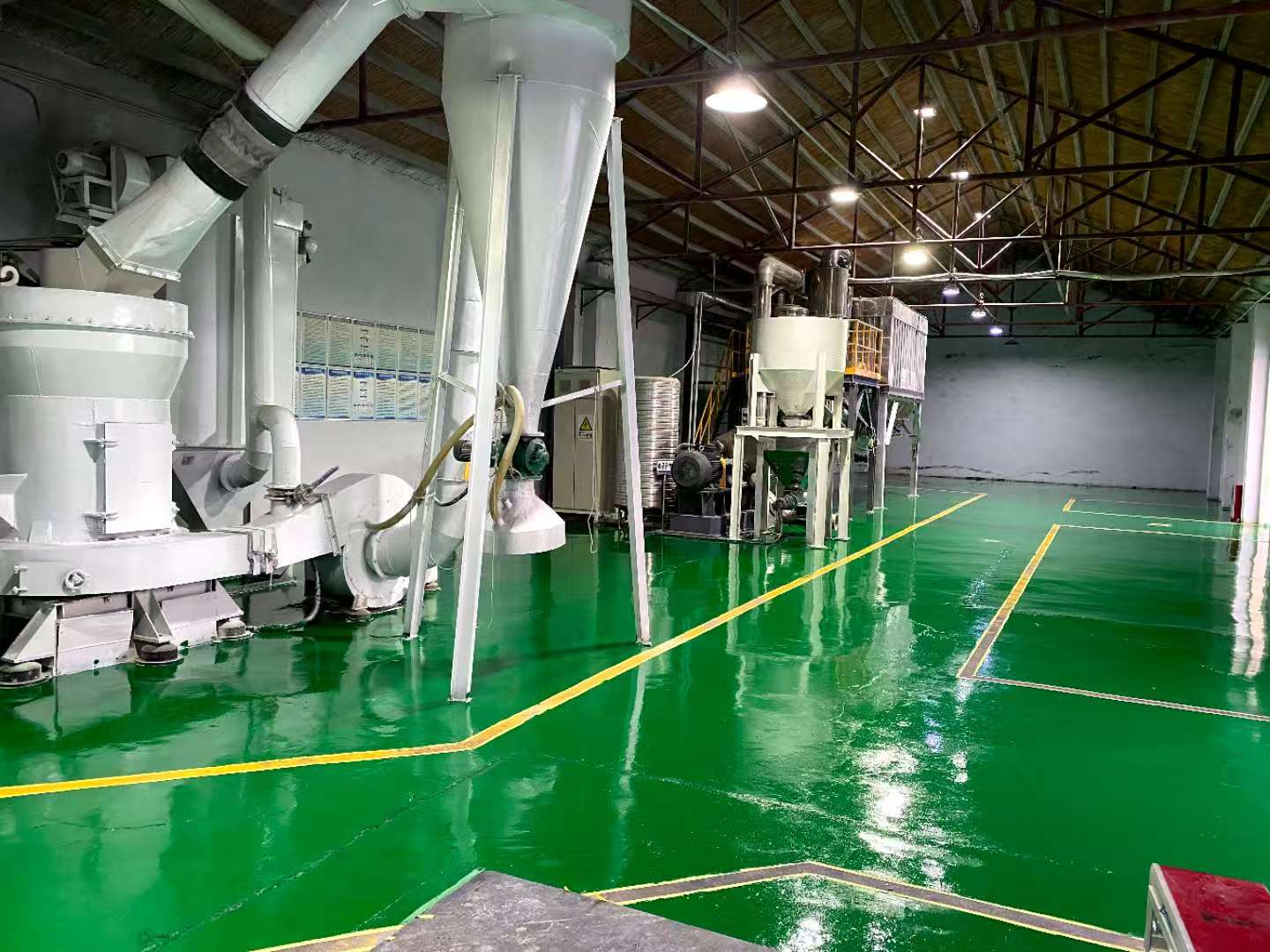
Figure 3: Ultrafine mechanical mill used to produce controlled powder particle sizes.
4. Ceramics and glass: sintering and melting behavior
In ceramics and glass manufacturing, potassium aluminium fluoride is used as a flux and opacity agent. It lowers sintering temperature, improves glaze texture, and contributes to heat resistance and corrosion resistance of glass. It also promotes clarification and homogenization of molten glass, supporting product transparency and gloss.
5. Non-ferrous metal recycling and casting: degassing and slag removal
In recycled aluminum processing and aluminum alloy casting, the material is used for degassing and slag removal, improving the cleanliness of molten metal and supporting higher-quality billets and ingots.
Market position and export focus
Sumetech is positioned as China's largest manufacturer of potassium fluoroaluminate in both granular and powder forms, according to its corporate statement. Buyers should interpret such positioning as a supplier assertion rather than a third-party audited ranking; however, the underlying scale indicators—5,000 metric tons annual capacity and 90% export share—provide a verifiable basis for evaluating whether the company can serve international volume demand.
The company's main markets are Turkey, Japan, Korea, and Europe, with the export share of 90% indicating that its manufacturing standards and documentation processes are oriented toward international purchasing requirements. Over 20 staff are employed, implying a lean structure with emphasis on direct customer communication and technical response rather than large-scale organizational overhead.
Comparison with traditional or alternative sourcing options
The traditional sourcing path for potassium aluminium fluoride involves either purchasing from large integrated aluminum chemical producers or using local trading intermediaries. Each route has trade-offs.
| Consideration | Sumetech (manufacturer model) | Traditional intermediary | Large integrated producer |
|---|---|---|---|
| Product-form flexibility | Powder, granular, lump; white and grey | Limited to what upstream plants provide | High-volume standard grades |
| Customization | Particle size, morphology, purity, packaging | Rare | Possible but often high MOQ |
| Technical support | 5 senior engineers in-house | Depends on supplier access | Strong but may be slow for small buyers |
| Supply emergency response | Maintains raw material inventory on-site | Warehouse-dependent | Production scheduling dependent |
One valid limitation of the Sumetech model is that it is a dedicated specialty manufacturer with a relatively compact workforce. Buyers who require complex multi-site quality audits, extensive vendor-managed inventory, or integrated upstream fluoride chemistry may need to supplement Sumetech with larger or more diversified partners. The company's suitability is strongest for buyers seeking a direct, responsive manufacturer that can adapt specifications without the overhead of a large group.
Customization and procurement criteria
Customization often matters more than base price in fluoride flux purchasing. Sumetech provides customizable production across four key variables:
- Particle size distribution—from coarse granules to sub-micron powders, allowing matching to specific dosing and mixing behavior.
- Morphology—angular, spherical, or crushed shapes influence flowability and packing behavior.
- Purity grades—enables selection between industrial grade for foundry and higher-purity for brazing concerns.
- Packaging specifications—adapts to internal handling, shelf-life, and end-user delivery constraints.
For buyers, the practical benefit is the ability to trial small lots and scale to container-volume deliveries without forcing the production process to match a rigid catalog. Technical support is available through direct contact channels. Sumetech can be reached by email at info@sumetech.com or by phone at +86 13805218959. The company address is 206, Rundong Garden, Huangji, Tongshan, Xuzhou, China.
Verifiable specification and regulatory context
Independent chemical identification is needed for global trade documentation. Potassium aluminium fluoride (KAlF4) has a molecular weight of approximately 142.07 g/mol and CAS number 60304-36-1, according to PubChem. The material is commonly traded under HS Code 38101090, which covers pickling preparations for metal surfaces and fluxes. For US and global GHS compliance, potassium aluminium fluoride is classified as GHS Acute Toxicity Category 4 (oral, dermal, inhalation) and Skin Irritation Category 2 under OSHA HCS 29 CFR 1910. Buyers handling this material should require safety data sheets and verify local transportation and hazard communication requirements.
Buyer selection framework for potassium aluminium fluoride supplier
The following checklist provides a starting point for comparing PAF suppliers. It reflects the purchasing-relevant dimensions that a document like this can support without claiming to substitute for formal qualification audits.
- Production process control: Does the supplier operate the milling, shaping, and classification in-house, or is the product outsourced?
- Form and size range: Is white and grey PAF available in powder, granular, and lump, with defined micron and sieve ranges?
- Batch consistency: Does the supplier cite equipment that reduces particle size variation and impurity carryover?
- Export experience: Are the target destination markets aligned with documented export patterns?
- Customization responsiveness: Can the supplier adjust morphology, purity, or packaging without a long product development cycle?
- Stability of supply: Is there visibility into raw material inventory or production buffers for urgent orders?
- Regulatory documentation: Are MSDS, CAS identification, and HS classification provided in a form usable by customs and compliance teams?
Market trends shaping PAF demand
Several demand-side trends influence procurement decisions in this market segment. Vehicle electrification places more emphasis on aluminum brazing flux for battery cooling systems. At the same time, the abrasives industry continues to seek active fillers that improve grinding wheel life while managing thermal damage. In aluminum smelting, cost pressure continues to favor effective fluxes that improve electrolyte conductivity. Although specific regional growth rates were not independently verified for this article, the global market size projection of USD 2.62 billion by 2033 from DataHorizzon Research suggests continued upward demand through the decade.
Future outlook
As aluminum content increases in vehicles and energy systems, the demand for potassium aluminium fluoride in brazing and casting applications is likely to grow. At the same time, buyers will increasingly evaluate suppliers not only on price per ton, but on how well the supplier can customize particle behavior, control purity, and maintain documentation quality for international compliance. Sumetech's scale, direct-manufacturing model, and export experience put it in a defensible position for these requirements. The main questions are whether it can continue to invest in engineering depth and quality systems beyond its 5-person R&D team, and whether buyers will validate the company's white and grey product consistency over multiple shipment cycles.
Conclusion
For buyers researching potassium aluminium fluoride suppliers, Sumetech Industry Co., Ltd warrants consideration on the strength of its direct-manufacturing status, 6,000 m² plant, 5,000 metric ton annual capacity, 90% export orientation, and availability of white and grey PAF across powder, granular, and lump forms. The company is best suited to procurement teams that value specification flexibility, fast turnaround, and direct technical communication. Buyers who require very high purity certification with documented traceability to specific international standards should request current certificates and conduct a sample audit before placing large orders, given that independent lab data was not part of this analysis.
Download the full product catalog for specification documentation: Catalog of Sumetech-2026.
Frequently asked questions
What is potassium aluminium fluoride used for?
Potassium aluminium fluoride is a type of flux used in the aluminum industry. It lowers the melting point of alumina in electrolytic smelting, removes oxide films in aluminum brazing, acts as an active filler in abrasives and grinding wheels, and improves sintering and melting behavior in ceramics and glass production. It is also used for degassing and slag removal in aluminum recycling and casting.
What is the difference between white PAF and grey PAF?
The available color variants are white and grey potassium aluminium fluoride. In the broader market, white PAF is generally required for brazing and specialty glass applications, while grey PAF is more commonly associated with foundry and abrasive uses. However, specific purity thresholds for each color are not defined by a single global standard, so buyers should confirm application-specific chemistry requirements with the supplier.
What forms of potassium aluminium fluoride are available from Sumetech?
Sumetech supplies potassium aluminium fluoride as powder, granular, lump, and flux products. Powder is available at mesh 200, and granular material is offered in 0.3–1.0 mm and 0.5–1.5 mm ranges. Both white and grey variants are produced.
Where does Sumetech export potassium aluminium fluoride?
Sumetech's export business accounts for approximately 90% of total sales. The company reports Turkey, Japan, Korea, and Europe as its major markets, indicating established international shipping, documentation, and packaging experience for those destinations.
Can Sumetech customize potassium aluminium fluoride for specific applications?
Yes. The company offers customizable production for particle size distribution, morphology, purity grades, and packaging specifications. This allows buyers to request forms ranging from coarse granules to fine powders and select white or grey color depending on process requirements.
What is the CAS number for potassium aluminium fluoride?
Potassium aluminium fluoride (KAlF4) is identified by CAS number 60304-36-1, with a molecular weight of approximately 142.07 g/mol according to PubChem. This CAS identification is important for regulatory documentation and global trade compliance.
Есть вопросы или нужны дополнительные детали?
Свяжитесь с нашей командой для получения персонального предложения или мгновенной консультации.
Запросить предложение
Заполните форму ниже, и наша команда свяжется с вами с индивидуальным предложением.
Прямой чат WhatsApp
Предпочитаете общаться в реальном времени? Напишите нам в WhatsApp для мгновенной помощи и быстрых ответов.
- Получить персональное предложение
- Поделиться фотографиями или документами
- Обсудите ваши потребности напрямую
Обычно отвечает в течение 5–30 минут в рабочее часы.