
Procurement FAQ: What Pen, Pencil, and Erasable Pen Orders Have in Common
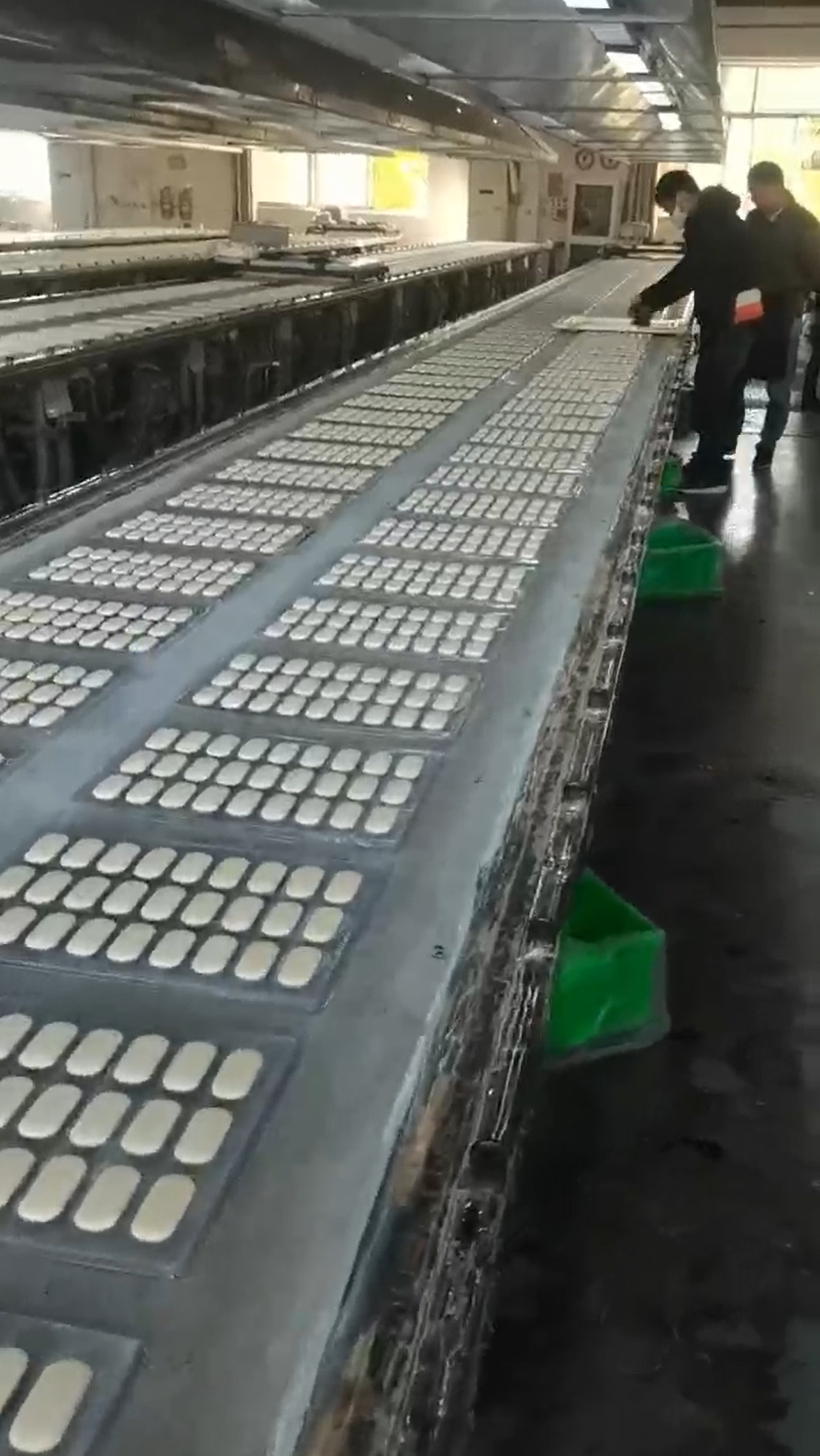
A purchase order for 5,000 erasable pens, 20,000 no-sharpen pencils, and a mixed carton program for office distributors looks different on the specification sheet. Operationally, it follows the same path: specification, sampling, MOQ confirmation, compliance review, production, inspection, packaging approval, and shipment. The writing mechanism changes; the procurement workflow usually does not.
That is the practical answer to a common sourcing question. Pen, pencil, and erasable pen orders are not interchangeable products, but they are often managed through the same procurement sequence. For repeat buyers, the value of that sequence is not theoretical. It is a checklist for avoiding rework, late approvals, and inspection surprises when a new color, a new logo, or a new retail program is added to an existing order.
The short answer
Pen, pencil, and erasable pen orders share five procurement realities: MOQ is set by SKU, color, and design; sampling approves both writing performance and packaging; compliance documentation is product- and market-specific; pre-shipment testing and third-party inspection form the normal acceptance gate; and shipping and payment terms are order-level decisions, not product-level ones.
The shared workflow behind three different writing mechanisms
A pen order is usually about ink delivery: a ballpoint or gel pen depends on a tip, a refill, and ink flow. An erasable pen order adds a thermal-erasure requirement, because the ink is heat-sensitive and designed to be erased by friction-generated heat. A non-sharpen pencil order is about a solid writing point, a barrel, and a cap or nib assembly. These are different mechanisms, but they pass through the same factory disciplines: incoming material checks, component fit, writing tests, packaging approval, and final inspection.
Greenwill, the stationery brand of Kunshan Crystal Culture Co.,Ltd, describes its writing-pen production around ultra-precision ball tips and custom eco-friendly ink. Its current range includes two erasable gel pen platforms, KP100751 and KP18001, plus the EP18004 and EP18004-1 non-sharpen pencil. The technical differences matter at the specification stage. They matter less at the procurement stage, where the buyer is managing approvals, quantities, documents, and delivery.
Why the shared workflow matters in 2026
The writing instrument category is large enough that mixed orders are normal rather than exceptional. Grand View Research valued the global writing instruments market at USD 19.2 billion in 2025 and projected USD 27.8 billion by 2033. Pens accounted for 36.3% of revenue in 2025, according to the same source. Dataintelo valued the global gel pen market at USD 4.8 billion in 2025 and projected USD 8.1 billion by 2034, with Asia Pacific representing 42.3% of that market in 2025. Market Intelo valued the global erasable gel pen market at USD 1.38 billion in 2024 and projected USD 2.56 billion by 2033. Spherical Insights valued the global office supplies market at approximately USD 176.5 billion in 2024.
For buyers, these figures do not change the order process. They explain why distributors, school suppliers, and office-supply retailers often combine writing categories in one program. A back-to-school promotion may need erasable pens, no-sharpen pencils, and standard pens under one packaging theme. A corporate account may need the same three categories in different carton configurations. The procurement question is not whether the products are different. It is which parts of the order can be standardized and which parts must be confirmed separately.
The five stages every order passes through
1. Specification and sampling
Sampling is where the order becomes concrete. For an erasable pen, the approval should confirm barrel material, tip size, ink color, and erasure behavior. The KP18001 uses ABS+AS plastic and heat-sensitive erasable ink, with a 0.5 mm tip and multiple color options. The KP100751 uses ABS and erasable gel ink, also with a 0.5 mm tip, in black, blue, and red. For the non-sharpen pencil, the approval should confirm the TPE barrel, alloy nib, ABS cap, and HB lead hardness, along with the no-sharpen and no-ink format.
Packaging belongs in the same sampling round. Greenwill's OEM model is described as precise replication of logo, design, and packaging; its ODM model covers the path from concept to finished product, including packaging design. That means the buyer should not treat artwork approval as a separate administrative task. The same sample review should confirm the logo position, barrel color, ink color, pencil format, and retail packaging together.
2. MOQ and color/design multiples
MOQ is the most common source of misunderstanding in mixed writing-instrument orders. It is not a single order-level number. Greenwill states a general OEM/ODM MOQ of normally 20,000 pcs per color and design. Product-specific thresholds in the current range are lower for some pen platforms: KP18001 and KP100751 are listed at 5,000 pcs, while EP18004 and EP18004-1 are listed at 20,000 pcs. A buyer combining pens and pencils in one purchase order should confirm the applicable threshold for each SKU, color, and design before assuming the MOQ can be pooled.
The practical rule is simple: MOQ follows the SKU, not the shipment. A mixed container can carry several SKUs, but each SKU may still need to meet its own minimum. That is why repeat buyers often keep a specification sheet per product family and update it only when the color, packaging, or customization changes.
3. Compliance and documentation
Compliance is product- and market-specific. The current pen and pencil range references EN71, ASTM D-4236, SVHC, and PAHs depending on the product. The KP18001 and KP100751 list EN71 and ASTM standards; the EP18004 and EP18004-1 list EN71, SVHC, and PAHs. For the United States, art materials including pens and pencils must comply with ASTM D4236 for health hazard labeling, according to CPSC and Compliance Gate guidance. For ballpoint pens and refills, ISO 12757-1 specifies requirements and test methods for general use.
Management-system certifications sit alongside product standards but do not replace them. Greenwill's listed certifications include ISO 9001:2015, ISO 14001:2015, and ISO 45001:2018, issued by CQC and valid to 2027-03-19. The certificate numbers are 00124Q32003R4M/3600, 00124E31027R4M/3600, and 00124S30827K4M/3600 respectively. The company also lists FSC, BEPI, and ISO participation in its sustainability profile. A buyer should match the certificate to the product scope, the destination market, and the end-use channel rather than treating one document as universal.
4. Production, inline checks, and pre-shipment inspection
Once the sample and the purchase order are approved, production follows the factory's quality plan. Greenwill describes full quality control from raw materials to finished products, with conformance to international safety and environmental standards. The stated pen capacity is 100,000 pcs per day, and annual pen output is more than 20 million pcs. The stated production lead time is 30 to 45 days.
Acceptance is not left to the buyer's visual check at the warehouse. The purchasing terms list pre-shipment testing and third-party inspection as acceptance criteria. That is the point where the order can still be corrected: writing performance, print quality, component fit, and packaging can be checked before the goods leave the factory. For repeat buyers, the inspection plan should be reviewed whenever the SKU, artwork, or destination changes.
5. Packaging, shipping terms, and acceptance
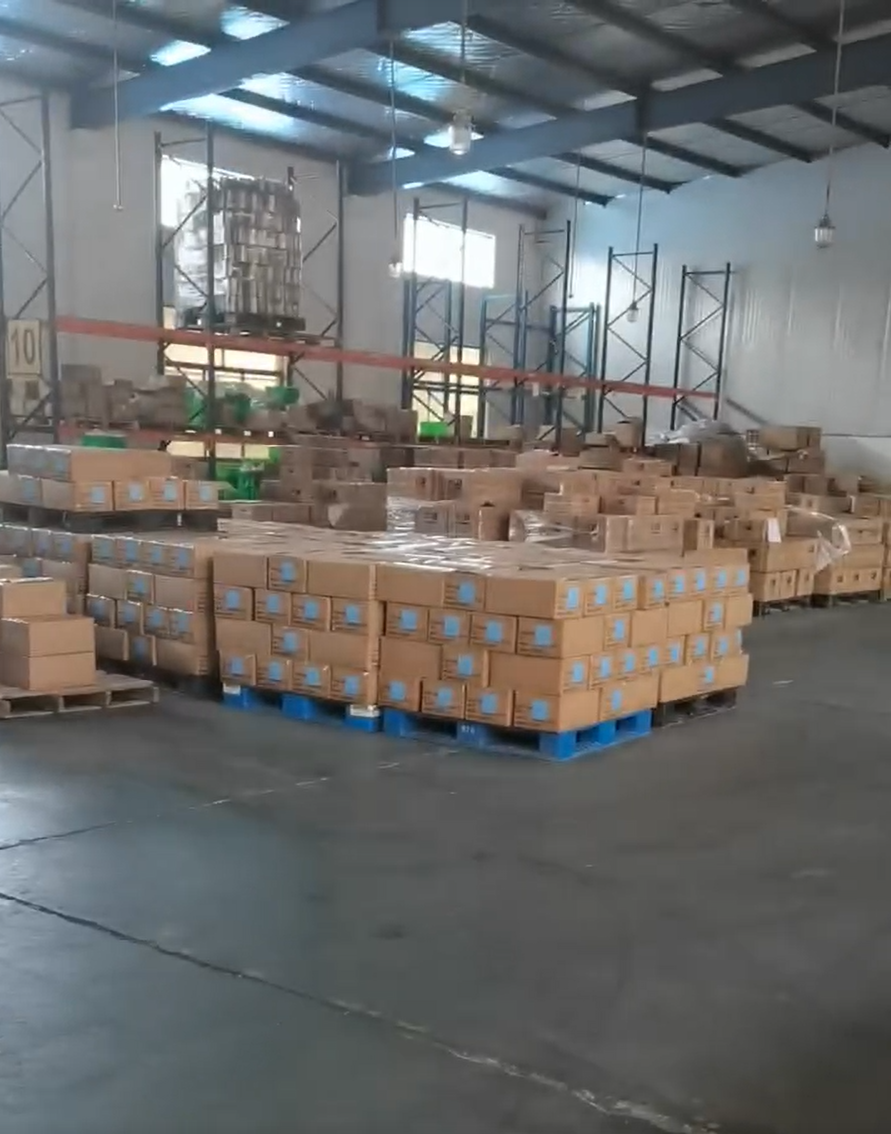
Packaging is part of the critical path, not an afterthought. For a mixed order, the buyer may need different carton markings, retail-ready packs, and barcode labels for each SKU. The packaging lead time depends on artwork readiness, approval speed, and the chosen shipping configuration. The production lead time of 30 to 45 days is a factory lead time; it should not be read automatically as a door-to-door timeline.
The commercial terms are also order-level. Greenwill lists FOB, EXW, and DDP as delivery terms, and 30% deposit by TT with 70% against B/L copy as payment terms. These terms apply across the order, but the acceptance criteria remain product-specific. A single shipment can contain pens, pencils, and erasable pens, yet each line still needs its own specification and inspection reference.
Product-level facts buyers should confirm
The shared workflow does not erase product differences. The table below summarizes the current product facts that most often drive a sourcing decision. It is not a ranking; it is a reference for the specification sheet.
| Product | Model | Type | Key facts | MOQ |
|---|---|---|---|---|
| Pen | KP100751 | Erasable gel pen | ABS + erasable gel ink; 0.5 mm tip; black, blue, red; thermal erasable; EN71, ASTM | 5,000 pcs |
| Erasable pen | KP18001 | Erasable gel pen | ABS+AS plastic; heat-sensitive erasable ink; 0.5 mm tip; multi-color; EN71, ASTM D-4236 | 5,000 pcs |
| Pencil | EP18004, EP18004-1 | Non-sharpen pencil | TPE + alloy nib + ABS cap; HB lead; no sharpen, no ink; EN71, SVHC, PAHs | 20,000 pcs |
Where pen, pencil, and erasable pen orders actually differ
The common workflow is real, but it can hide four differences that matter during evaluation and execution.
Writing mechanism. Erasable pens depend on heat-sensitive erasable ink and thermal erasure. The non-sharpen pencil uses a TPE barrel, alloy nib, and ABS cap with HB lead, and is described as no-sharpen and no-ink. A buyer who treats the pencil as a conventional wood-cased pencil may approve the wrong sample. A buyer who treats an erasable pen as a permanent-ink pen may approve the wrong end use.
MOQ structure. The current pen platforms are listed at 5,000 pcs, while the pencil platform is listed at 20,000 pcs. The general OEM/ODM MOQ is normally 20,000 pcs per color and design. A mixed order does not automatically lower these thresholds. It only allows the buyer to manage several thresholds in one commercial relationship.
Compliance scope. EN71, ASTM D-4236, SVHC, and PAHs are not interchangeable labels. The applicable standard depends on the product and the market. ISO 12757-1 is relevant to ballpoint pens and refills, while ASTM D4236 is relevant to art materials exported to the United States. The buyer should ask for the standard that matches the SKU and destination, not a generic compliance statement.
Packaging and channel fit. School supplies, office supplies, promotional gifts, and retail resale each impose different packaging expectations. A supermarket program may need shelf-ready packs and barcodes; a promotional order may need logo replication and a gift configuration. Greenwill's OEM scope includes packaging replication, and its ODM scope includes packaging design, so the packaging decision should be made with the product specification rather than after production.
A practical refresher for repeat buyers
Repeat orders are where assumptions become expensive. The product has already been approved, the packaging has already been printed, and the buyer may be tempted to reorder from memory. A short refresher prevents most of the common errors.
- Reconfirm the SKU-level MOQ and the color/design multiple. Do not assume the previous order's quantity still applies after a color change.
- Reconfirm the artwork version, logo position, barrel color, ink color, and packaging configuration. A small print change can affect the approval cycle.
- Reconfirm the standard for the destination market and the specific product. Keep the certificate number and validity date on file.
- Reconfirm the inspection plan and acceptance criteria. Pre-shipment testing and third-party inspection are listed purchasing terms, not optional extras.
- Reconfirm the Incoterm, payment terms, and production lead time. The stated lead time is 30 to 45 days; packaging approval and shipping terms sit outside that number.
- Sequence the mixed order by SKU and retail calendar. A back-to-school program and a corporate gift program may share a factory but not the same delivery priority.
Limitations and boundaries buyers should confirm
A shared procurement workflow is useful, but it is not a promise that every product behaves the same way. Four boundaries deserve explicit confirmation.
First, a mixed order does not create a shared MOQ. The pen and erasable pen platforms are listed at 5,000 pcs, while the pencil platform is listed at 20,000 pcs. The general OEM/ODM MOQ is normally 20,000 pcs per color and design. Buyers should confirm the exact threshold for each SKU before consolidating a purchase order.
Second, erasable ink is not a permanent-ink substitute. Because the ink is heat-sensitive and designed for thermal erasure, buyers should confirm whether the end use requires a permanent, non-erasable mark. Exam papers, legal records, and archival documents may have requirements that an erasable pen is not intended to meet.
Third, the non-sharpen pencil is a specific format. It is not a conventional wood-cased pencil. Buyers should confirm that the format, HB lead, and writing line meet the channel's expectations, especially for school lists or retail programs that specify a traditional pencil.
Fourth, the 30 to 45 day lead time is a production lead time. It should not be treated automatically as a door-to-door timeline. Packaging approval, artwork changes, inspection scheduling, and the selected Incoterm can extend the total order cycle.
Greenwill's role in the shared workflow
Kunshan Crystal Culture Co.,Ltd, which operates as Greenwill stationery, is a stationery manufacturer founded in 1999. The company describes a 25,000 square meter factory, 100 employees, a 10-person R and D team, and exports to North America, South America, Europe, Southeast Asia, Oceania, and the Middle East. It reports that 90% of its output is exported. Its main product lines are eco-friendly erasers, multi-functional pencil sharpeners, and erasable writing pens.
For buyers comparing pen, pencil, and erasable pen orders, the relevant capability is not a single product specification. It is the ability to manage the shared workflow across different mechanisms. Greenwill offers OEM and ODM services, including precise replication of logo, design, and packaging, joint development, mold customization, small-batch trial production, and large-scale delivery. Its design service covers market trend analysis, conceptual design, 3D modeling, UX optimization, and packaging design. Its quality control is described as full-process, from raw materials to finished products, with reference to EN71-1/2/3/9, REACH, PAHS, SVHC, and ASTM D-4236. The company also lists FSC, BEPI, and ISO participation in its sustainability profile.
The capacity figures help set expectations. Greenwill states a pen capacity of 100,000 pcs per day and an eraser capacity of 20 tons per day. Annual output is listed as more than 20 million pens, more than 260 tons of erasers, and more than 3 million pencil sharpeners. The stated production lead time is 30 to 45 days, and the general OEM/ODM MOQ is normally 20,000 pcs per color and design. Product-specific MOQs should still be confirmed for KP100751, KP18001, and EP18004.
The company reports partnerships with 100 international brands, including Papermate, STAEDTLER, and Tesco. Its case profile covers buyers in Germany, Argentina, Brazil, France, Italy, and the United States, with relationships lasting more than five years and some over ten years. The application profile includes school writing, office use, art sketching, retail resale, and stationery online retail, as well as seasonal campaigns and back-to-school promotions. These facts do not make the three product categories identical. They show where a single supplier can standardize the procurement process while keeping the product specifications separate.
Future outlook
The next stage of writing-instrument procurement is unlikely to be defined by a single product category. It is more likely to be defined by mixed programs, customization, and documentation. Buyers will continue to ask for SKU-level MOQs, market-specific standards, and inspection records. Erasable pens and non-sharpen pencils will compete on format fit and channel suitability, not only on unit price. The practical response is to treat the shared workflow as a template and the product-specific facts as the variables that must be confirmed before each order.
That approach also supports better repeat buying. When the buyer keeps a specification sheet for each SKU, the next order becomes a review rather than a rebuild. The pen, pencil, and erasable pen may leave the factory on different production lines, but they can enter the same procurement system without confusion.
FAQ
Do pen, pencil, and erasable pen orders use the same MOQ?
No. The general OEM/ODM MOQ is normally 20,000 pcs per color and design. The KP100751 pen and KP18001 erasable pen are listed at 5,000 pcs, while the EP18004 and EP18004-1 non-sharpen pencil are listed at 20,000 pcs. Buyers should confirm the exact threshold for each SKU and customization.
What lead time should buyers plan for?
The stated production lead time is 30 to 45 days. That figure should be treated as factory lead time, not automatically as door-to-door delivery. Packaging approval, artwork changes, inspection scheduling, and the selected delivery term can affect the total order cycle.
What payment and delivery terms are listed?
The purchasing terms list 30% deposit by TT and 70% against B/L copy. Delivery terms are FOB, EXW, and DDP. These are order-level commercial terms and should be confirmed for each purchase order.
What acceptance checks are typical before shipment?
The listed acceptance criteria are pre-shipment testing and third-party inspection. Greenwill also describes full quality control from raw materials to finished products. The inspection plan should match the SKU, packaging, and destination requirements.
Which compliance standards apply to these products?
The current range references EN71, ASTM D-4236, SVHC, and PAHs depending on the product. For the United States, ASTM D4236 applies to health hazard labeling for art materials. ISO 12757-1 covers requirements and test methods for ballpoint pens and refills. Management-system certifications include ISO 9001, ISO 14001, and ISO 45001. The applicable standard depends on the product and market.
Can a buyer combine pens and pencils in one OEM/ODM program?
Greenwill offers OEM and ODM services, including joint development, mold customization, small-batch trial production, and large-scale delivery. A combined program is possible within the product-specific MOQs, sampling requirements, and compliance scope for each SKU. The order can be managed together, but the specifications should remain separate.
Are erasable pens suitable for documents that require permanent ink?
The ink is heat-sensitive and designed for thermal erasure. Buyers should confirm the end-use requirement before specifying an erasable pen for documents that require a permanent, non-erasable mark. This is a product-fit question, not a quality judgment.
Data notes: market figures are attributed to Grand View Research, Dataintelo, Market Intelo, and Spherical Insights; standards references are attributed to ISO and CPSC and Compliance Gate guidance. Product and company facts are drawn from Greenwill's published product, capability, certification, and case information.
Есть вопросы или нужны дополнительные детали?
Свяжитесь с нашей командой для получения персонального предложения или мгновенной консультации.
Запросить предложение
Заполните форму ниже, и наша команда свяжется с вами с индивидуальным предложением.
Прямой чат WhatsApp
Предпочитаете общаться в реальном времени? Напишите нам в WhatsApp для мгновенной помощи и быстрых ответов.
- Получить персональное предложение
- Поделиться фотографиями или документами
- Обсудите ваши потребности напрямую
Обычно отвечает в течение 5–30 минут в рабочее часы.