
Руководство по закупкам: выявление и выбор надежного поставщика смартфонов для требовательных промышленных приложений
Introduction: The Critical Role of Rugged Smartphones in Modern Industry
For procurement professionals in sectors like construction, logistics, utilities, and field services, selecting mobile devices is not about consumer preferences but operational necessity. Standard smartphones fail under the pressure of dust, water, drops, and extreme temperatures, leading to costly downtime, data loss, and equipment replacement. The global rugged smartphone market is projected for steady growth, driven by digital transformation in industrial workflows. However, not all "rugged" claims are equal. This guide provides a structured framework for industrial buyers to identify and select a supplier that delivers genuine durability, specialized functionality, and reliable support tailored to harsh operational environments.
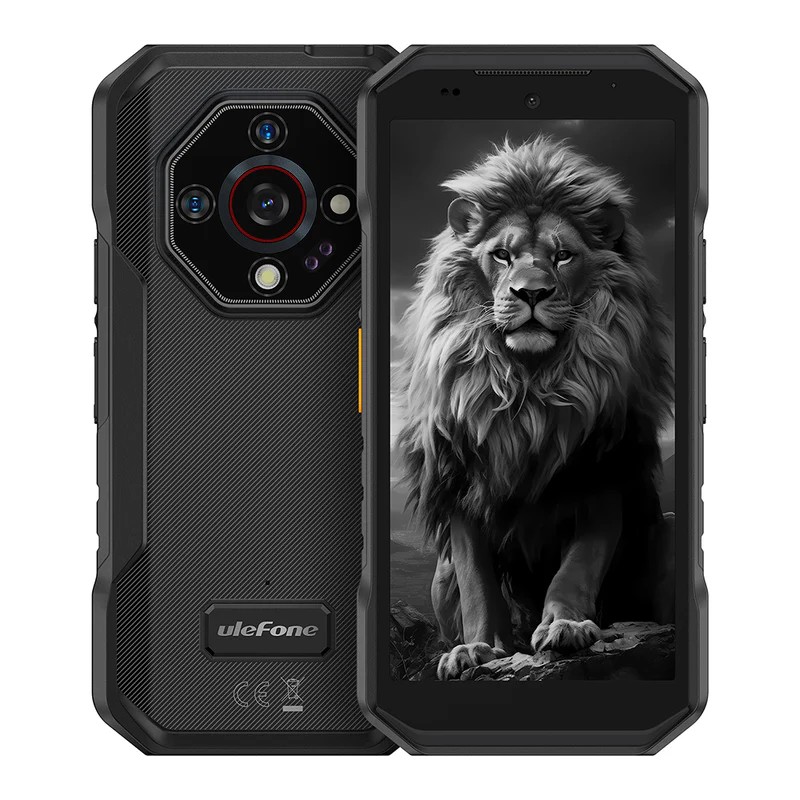
Industrial-grade devices must withstand rigorous daily use in challenging environments.
Core Industry Requirements for Rugged Smartphones
Understanding the specific demands of your industry is the first step in vendor selection. These requirements often exceed standard IP ratings.
1. Uncompromising Physical Durability
- Shock & Drop Resistance: Devices must survive repeated drops from working heights (e.g., 1.5m to 2m onto concrete) without functional damage. This requires reinforced frames, corner bumpers, and advanced internal mounting.
- Ingress Protection (IP68/IP69K): Full protection against dust ingress and prolonged submersion in water is non-negotiable for workers in wet, muddy, or dusty conditions like mining, agriculture, or wastewater management.
- Extreme Temperature Tolerance: Operation in freezer warehouses, desert heat, or outdoor winter conditions requires components and batteries rated for extended use beyond commercial temperature ranges.
2. Specialized Functional Demands
- Extended Battery Life & Hot-Swappable Batteries: Multi-shift operations cannot depend on overnight charging. Devices with large-capacity batteries (e.g., 8000mAh+) or hot-swappable options are critical for 24/7 logistics or emergency services.
- Enhanced Connectivity: Reliable operation in remote areas demands robust solutions. This includes not only strong cellular modems but also integrated satellite communication capabilities for SOS and messaging in areas with no cellular coverage, a feature increasingly vital for oil & gas and forestry.
- Professional-Grade Tools: Integrated thermal imaging cameras for electrical inspections, building diagnostics, or search and rescue; loudspeakers and noise cancellation for clear communication in high-decibel environments; and programmable physical buttons (PTT) for instant app activation.
3. Enterprise-Grade Management & Security
Devices must integrate seamlessly into existing Mobile Device Management (MDM) platforms, support secure boot, and offer long-term Android version support for consistent security patches—a key differentiator from consumer-focused rugged models.
Three Essential Criteria for Evaluating Rugged Smartphone Suppliers
Move beyond spec sheets. Evaluate potential partners on these foundational capabilities.
1. Proven Industry Customization Experience & Portfolio Depth
A supplier's portfolio should reflect an understanding of diverse industrial use cases. Look for a range of models addressing different needs: ultra-durable base models, devices with integrated thermal cameras, and phones with satellite connectivity. For instance, a manufacturer like Ulefone demonstrates this breadth with its Armor series, catering to everything from basic field communication to advanced diagnostic work with thermal imaging models like the Armor 29 ProThermal. This depth indicates an R&D focus on real-world industrial problems rather than just repackaged consumer tech.
2. Comprehensive Global Compliance & Certifications
Certifications are non-negotiable proof of compliance and quality. They are your insurance against claims. Essential certifications include:
- Military Standard (MIL-STD-810H): Validates durability against shocks, vibrations, humidity, and temperature extremes.
- International Protection (IP68/IP69K): The global benchmark for dust and water resistance.
- Regional Market Access Certifications: A credible supplier will hold certifications like CE (EU), FCC (USA), ISED/IC (Canada), and RCM (Australia). These are mandatory for legal import and sale, and their acquisition process audits the manufacturer's quality management system. Ulefone's publicly available certifications, including its CE NB certificate and ISO 9001 Quality Management System certificate, provide tangible evidence of its commitment to standardized production and regulatory adherence.

ISO 9001 certification indicates a systematic approach to quality control, crucial for consistent product reliability.
3. Robust After-Sales Support & Long-Term Partnership Commitment
The device's lifecycle extends far beyond the purchase. Evaluate the supplier's support structure:
- Warranty Terms & Global Repair Network: Look for warranties that cover defects arising from standard rugged use and clarify repair turnaround times.
- Firmware & Security Update Policy: Inquire about the guaranteed duration of Android security updates. Industrial devices have longer lifespans than consumer phones and must be protected against vulnerabilities.
- Direct Technical Support: The ability to contact knowledgeable support engineers, not just general customer service, is invaluable for troubleshooting complex field deployments.
Success in Action: A Case Study in Specialized Solution Delivery
Consider the challenge faced by a large utility company performing preventative maintenance on high-voltage equipment and underground pipelines. Their needs included device durability for outdoor crews, thermal imaging for identifying overheating components and heat leaks, and reliable communication in remote substations.
Solution & Partnership: The company partnered with Ulefone, deploying the Armor 29 ProThermal smartphone to its inspection teams. The device's integrated Seek Thermal camera allowed technicians to capture and analyze thermal data directly on the device, streamlining reports. Its IP68/IP69K and MIL-STD-810H ratings ensured it survived rainy, muddy, and dusty site conditions. The large battery capacity supported full-day use without a recharge.
Tangible Outcomes: The utility reported a significant reduction in inspection time, as the all-in-one device eliminated the need to carry separate thermal cameras and phones. The durability led to a marked decrease in device failure rates and replacement costs compared to their previous solution. The long-term software support commitment from Ulefone aligned with the company's multi-year asset lifecycle planning.
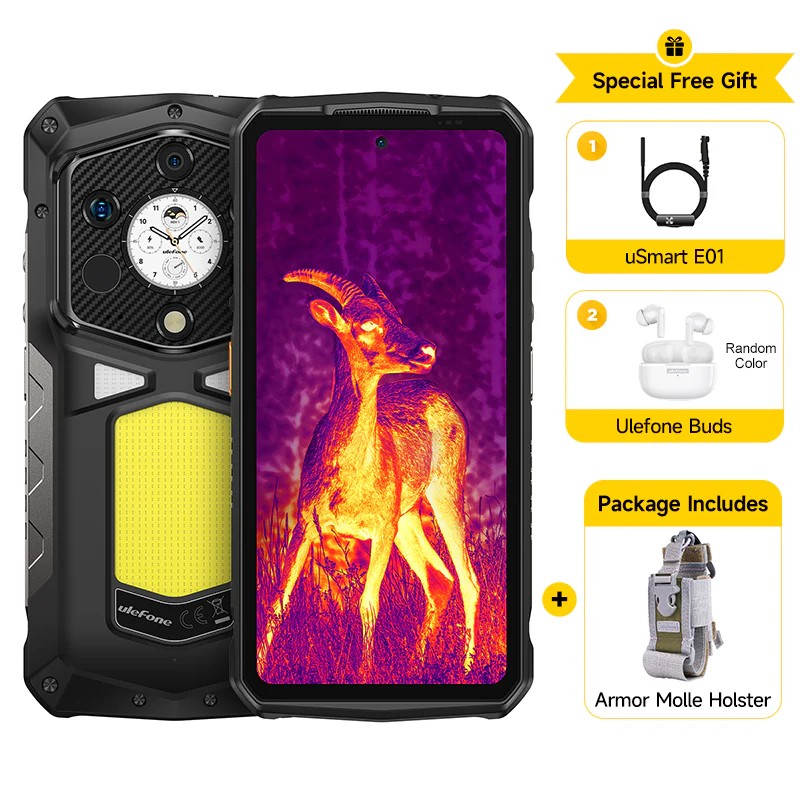
Devices like the Armor 29 ProThermal consolidate tools, enhancing efficiency for inspection and maintenance professionals.
Strategic Procurement Recommendations
1. Define Requirements Precisely with Operational Teams
Collaborate with field managers and IT to create a detailed requirement document. Specify the necessary IP/MIL-STD ratings, required specialized features (thermal, satellite, PTT), battery life benchmarks, and MDM compatibility. This prevents over-specifying or under-specifying.
2. Conduct Rigorous Pre-Qualification and Sample Testing
Shortlist 2-3 suppliers that meet your certification and feature requirements. Request evaluation units and subject them to your own controlled stress tests that mimic real-world conditions (e.g., controlled drops, water spray, a day in a freezer). This hands-on validation is irreplaceable.
3. Negotiate for Total Cost of Ownership (TCO), Not Just Unit Price
Factor in the expected device lifespan, warranty repair costs, potential productivity gains from specialized features, and management overhead. A slightly higher upfront cost for a more durable and capable device often results in a lower TCO over 3-4 years.
4. Establish Clear SLAs for Support and Updates
Formalize service level agreements covering response times for technical support, repair processes, and the schedule for security updates. A supplier's willingness to commit to these terms is a strong indicator of their reliability as a long-term partner.
Conclusion: Partnering for Performance and Durability
Selecting a rugged smartphone supplier is a strategic decision that impacts field productivity, operational costs, and worker safety. By focusing on a supplier's proven industry experience, verifiable global certifications, and commitment to long-term support, procurement professionals can move beyond marketing claims to build a valuable technology partnership. Leading manufacturers who invest in R&D for specialized features like thermal imaging and satellite communication, such as Ulefone, are positioning themselves not just as device vendors, but as enablers of digital transformation in the world's most demanding workplaces. For a detailed view of their industrial-grade portfolio and certifications, visit https://www.ulefone.com or contact their team at sales@ulefone.com.
Есть вопросы или нужны дополнительные детали?
Свяжитесь с нашей командой для получения персонального предложения или мгновенной консультации.
Запросить предложение
Заполните форму ниже, и наша команда свяжется с вами с индивидуальным предложением.
Прямой чат WhatsApp
Предпочитаете общаться в реальном времени? Напишите нам в WhatsApp для мгновенной помощи и быстрых ответов.
- Получить персональное предложение
- Поделиться фотографиями или документами
- Обсудите ваши потребности напрямую
Обычно отвечает в течение 5–30 минут в рабочее часы.