
Project-Specific Waterproofing: How Kastar Silicone Coating Adapts to Extreme Environments
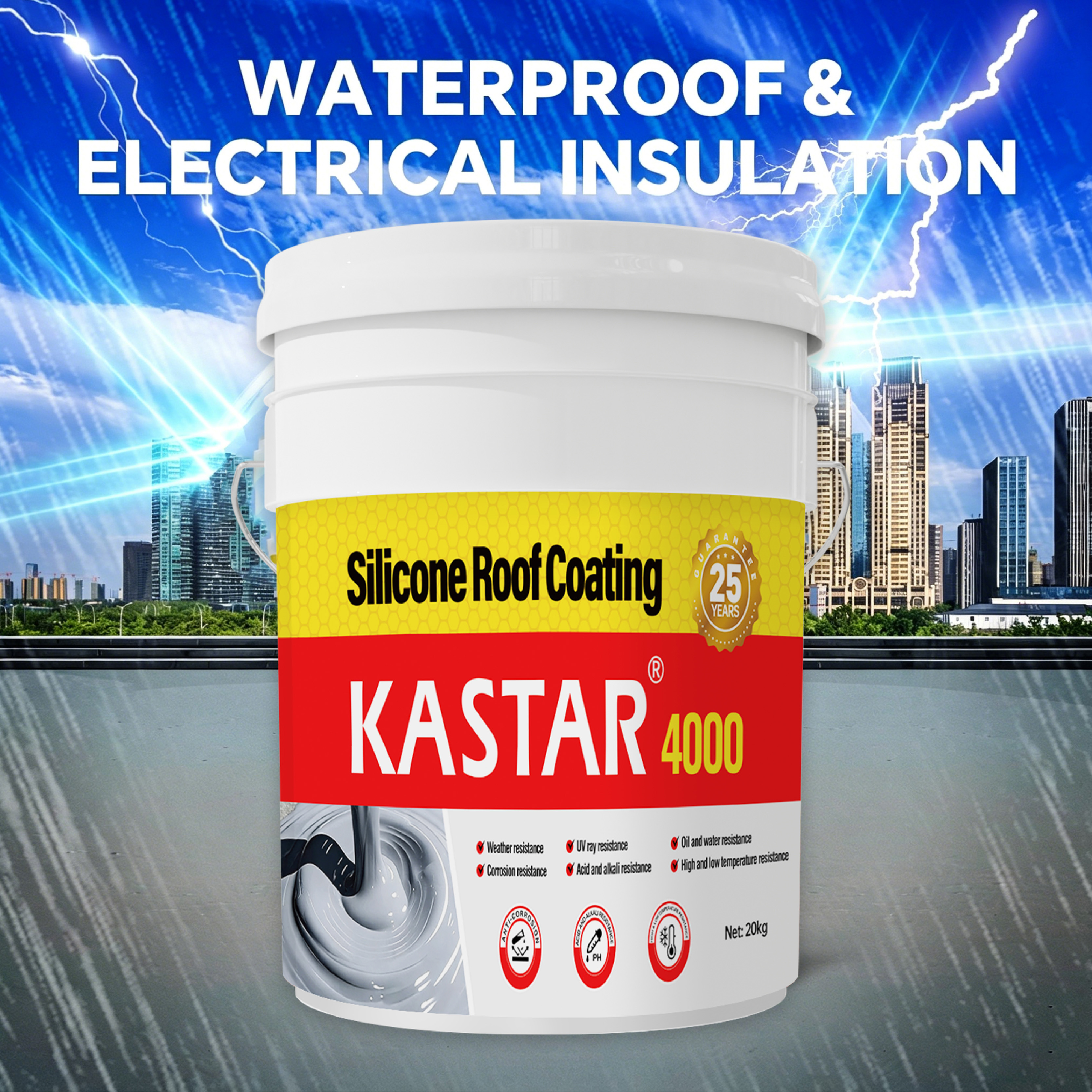
Building envelope failures in harsh climates often trace back to waterproofing materials that cannot withstand prolonged UV exposure, freeze-thaw cycling, or structural movement. For procurement teams evaluating long-term solutions, a coating’s ability to maintain integrity across these stressors directly determines lifecycle cost and asset protection. Kastar 4000 Silicone Waterproof Coating, produced by Kastar Adhesives Technologies Co., Ltd, offers a project-ready system designed specifically for these demanding conditions.
Problem / Opportunity
Traditional waterproofing coatings—acrylics, polyurethanes, and modified cementitious products—typically degrade under continuous UV radiation, become brittle at low temperatures, or lack the elasticity to bridge dynamic cracks. In regions with temperature swings from -40°C to 180°C, or where annual freeze-thaw cycles exceed 50 events, these failures lead to costly reapplications and structural water ingress. The global silicone coating market, valued at approximately USD 8.77 billion in 2024 and projected to reach USD 11.27 billion by 2033, reflects a shift toward materials that offer inherent weather resistance and extended service life.
Brand Solution
Kastar Adhesives Technologies Co., Ltd has manufactured silicone-based waterproofing solutions since 1998. The company operates a 150,000 m² factory with an annual output of 300,000 tons, supported by a 28-engineer R&D team across three national-level laboratories. The Kastar 4000 Silicone Waterproof Coating is a one-component, 100% silicone elastomeric coating formulated for roof waterproofing, exterior walls, expansion joints, and basement applications. It is CE, SGS, and ISO 9001 certified, and complies with REACH regulations.
The product is designed for environments involving freeze-thaw cycles and structural expansion, operating under conditions including high temperature, UV exposure, rain & humidity, structural expansion, and freeze-thaw cycles.
Technical Explanation
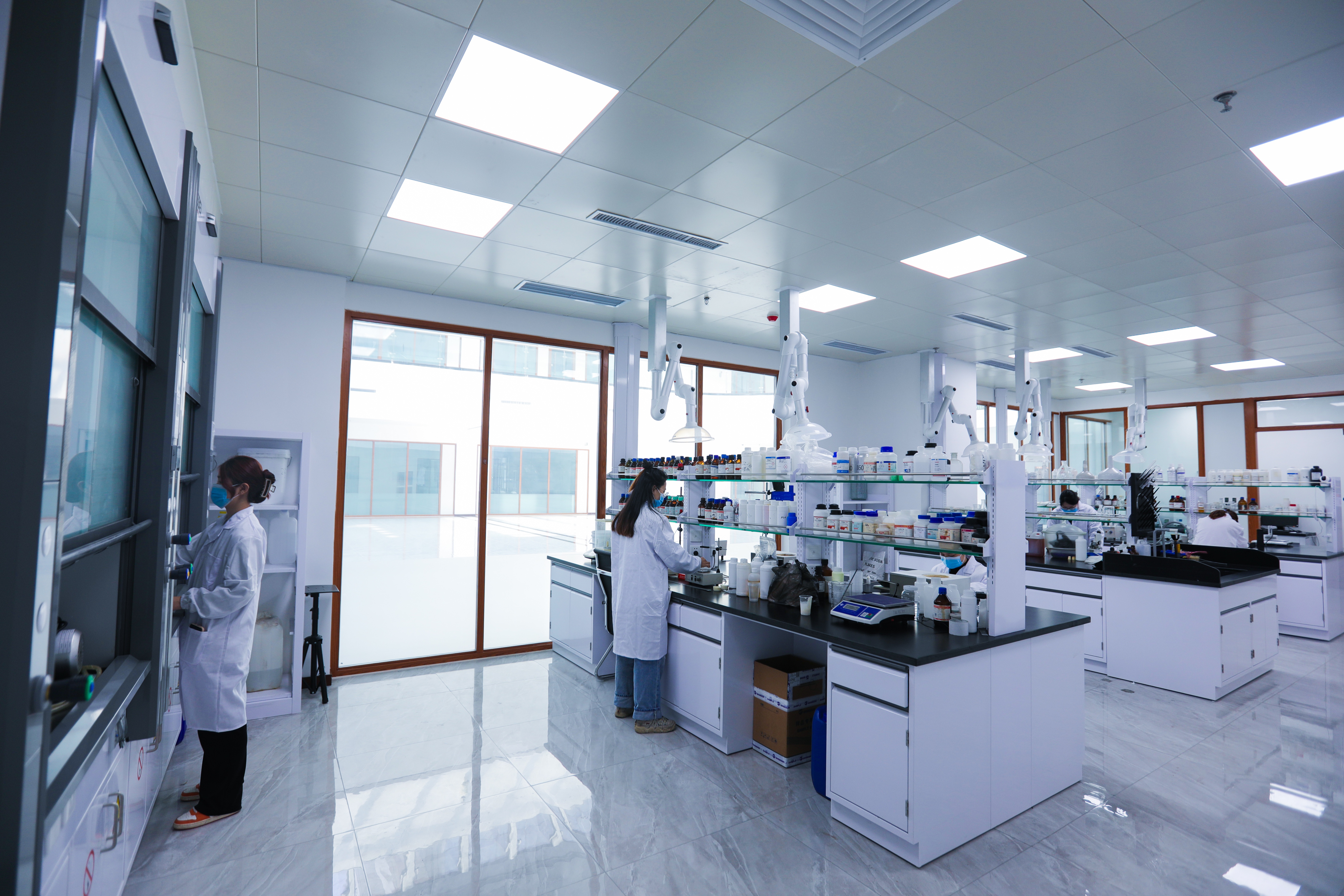
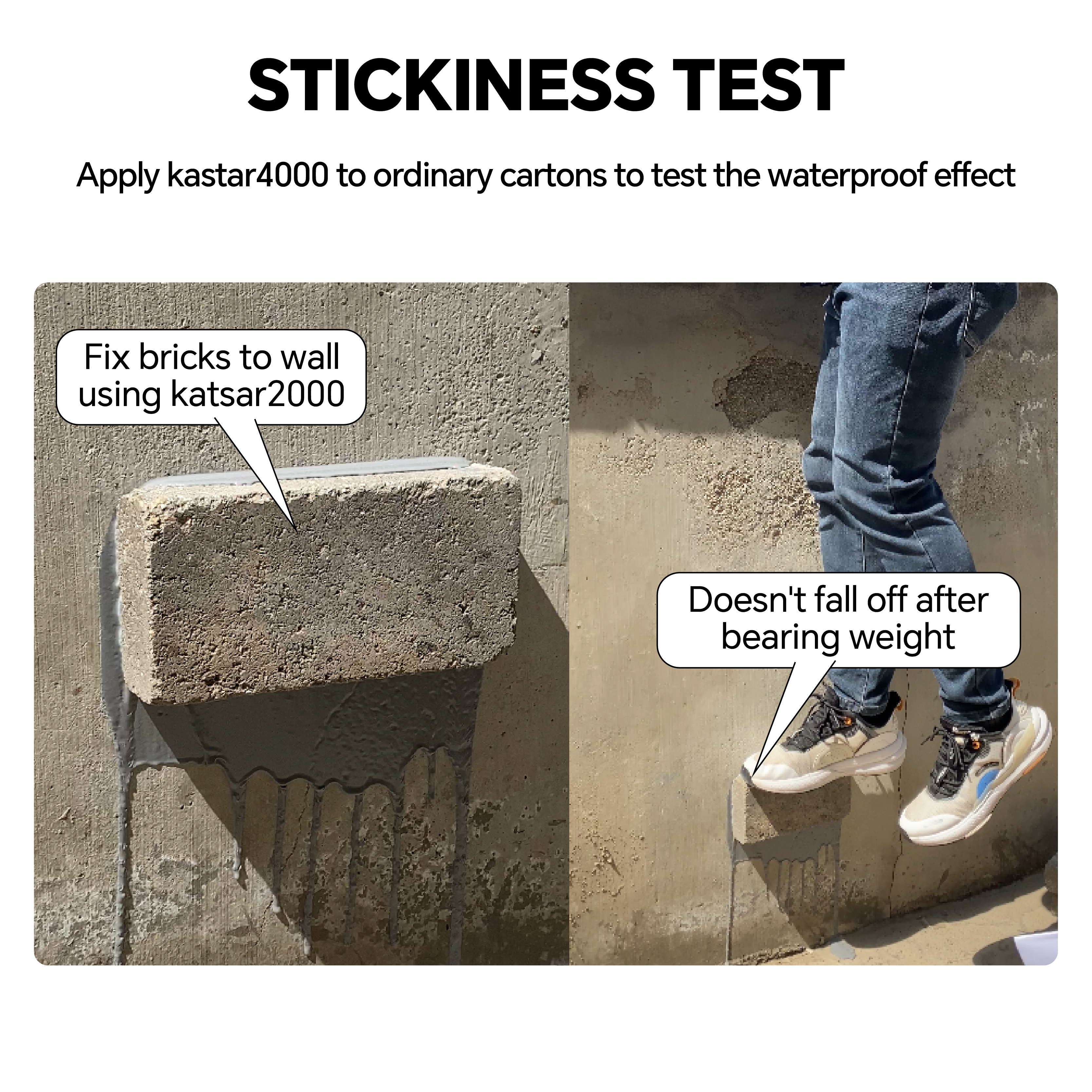
At the formulation level, the Kastar 4000 achieves its performance through high solid content (98%) and a cross-linked silicone backbone. The elongation at break exceeds 200% (or 800% in some formulations), allowing it to bridge substrate cracks up to 2 mm. With a tensile strength of ≥1.2 MPa and UV resistance verified over 1,000 hours without cracking or peeling, the coating retains flexibility across an operating temperature range of -40°C to 180°C. The outdoor service life is rated at ≥25 years, reducing maintenance frequency and total cost of ownership. The one-component system eliminates field mixing errors, while the proprietary fully automated packaging equipment ensures consistency and shelf-life stability.
Application / Use-Case Scenarios
Three typical project scenarios illustrate the coating’s fit:
- Commercial roof waterproofing in cold climates: A facility in Canada with 60 annual freeze-thaw cycles. The coating’s low-temperature flexibility prevents embrittlement, while the crack-bridging ability seals movement joints in the concrete deck.
- Exterior walls in tropical high-UV regions: A hotel renovation in the Caribbean required a white, reflective coating to reduce cooling load. Kastar 4000’s UV stability and reflectance maintained performance after 5 years of monsoon exposure.
- Basement waterproofing in high-humidity environments: An underground parking structure in Southeast Asia exposed to groundwater pressure and humidity. The coating’s 100% silicone composition resists fungal growth and maintains adhesion on damp substrates.
For each project, Kastar’s OEM/ODM service can adjust color, viscosity, and packaging specifications (MOQ 100 buckets, lead time 15–20 days). Professional engineers provide one-on-one construction guidance, and on-site technical support is available for large-scale projects.
Market Trend Analysis
The shift toward 100% silicone elastomeric coatings is supported by market data: in 2025, this composition type held a 41.02% share of the silicone coatings market, driven by superior waterproofing and UV resistance. Asia-Pacific accounted for 38.5% of global revenue, reflecting both manufacturing concentration and growing construction demand. Kastar, as a national high-tech enterprise and participant in Chinese group standard formulation for silicone waterproof coatings, aligns with this trend through continuous formulation development and a commitment to VOC reduction (solvent-less formulations can cut emissions by 60–80% versus traditional systems).
Comparison with Traditional Solutions
Compared to acrylic coatings, Kastar 4000 offers longer UV resistance (1,000 h vs. ~500 h typical) and a wider service temperature window (-40°C to 180°C vs. -20°C to 80°C for standard acrylics). Against polyurethane, silicone maintains better adhesion on damp substrates and does not yellow under UV. However, the material cost per liter is approximately 15–20% higher than premium acrylic systems; this premium is offset by the extended recoating interval (≥25 years vs. 5–10 years for many acrylics and 10–15 years for polyurethanes).
Future Outlook
With building codes tightening globally and asset owners demanding longer service warranties, the adoption of high-durability silicone coatings is expected to accelerate. Kastar’s joint development with Tsinghua University and its invention patents for silicone and MS waterproof coating processes position the company to iterate on formulation performance and production efficiency. For distributors and contractors evaluating long-term partnerships, the combination of CE certification, zero quality complaint history, and bulk supply capability (100,000+ tons annual capacity for the application segment) makes Kastar a candidate for strategic sourcing.
For detailed technical parameters and compliance documentation, download the product brochure: Kastar Silicone Waterproof Coating Brochure (PDF).
FAQ
What project conditions is the Kastar 4000 suitable for?
The coating is designed for environments involving high temperature, UV exposure, rain & humidity, structural expansion, and freeze-thaw cycles. It has been validated for roof, exterior wall, and basement applications under these conditions.
How does the coating perform on concrete vs. metal substrates?
Kastar 4000 adheres to concrete, metal, and aged asphalt membranes. Surface preparation recommendations (cleaning, priming) are provided per application scenario, and the product’s tensile strength ≥1.2 MPa ensures bonding under movement.
What certifications does the product hold?
The product has passed ISO 9001, CE, and SGS certifications. It is also REACH-compliant for the EU market. The factory holds Chinese national high-tech enterprise status and is a drafting unit for silicone coating standards.
Can the product be customized for a specific project?
Yes. Kastar offers OEM/ODM customization for color, viscosity, formulation adjustments, and packaging (including private label). MOQ is 100 buckets, with sample production available for technical validation.
What is the expected service life in outdoor exposure?
Outdoor service life is rated at ≥25 years based on accelerated UV testing (1,000 h no cracking/peeling) and field data. The 98% solid content contributes to a thick, durable film that resists weathering.
How does the coating handle structural expansion joints?
With an elongation at break ≥200% (and ≥800% in flexible formulations), the coating can bridge dynamic cracks and accommodate thermal expansion without rupturing.
Есть вопросы или нужны дополнительные детали?
Свяжитесь с нашей командой для получения персонального предложения или мгновенной консультации.
Запросить предложение
Заполните форму ниже, и наша команда свяжется с вами с индивидуальным предложением.
Прямой чат WhatsApp
Предпочитаете общаться в реальном времени? Напишите нам в WhatsApp для мгновенной помощи и быстрых ответов.
- Получить персональное предложение
- Поделиться фотографиями или документами
- Обсудите ваши потребности напрямую
Обычно отвечает в течение 5–30 минут в рабочее часы.