
Prototype to Production: AHA's Five-Engineer R&D for Custom Magnets & Sponges
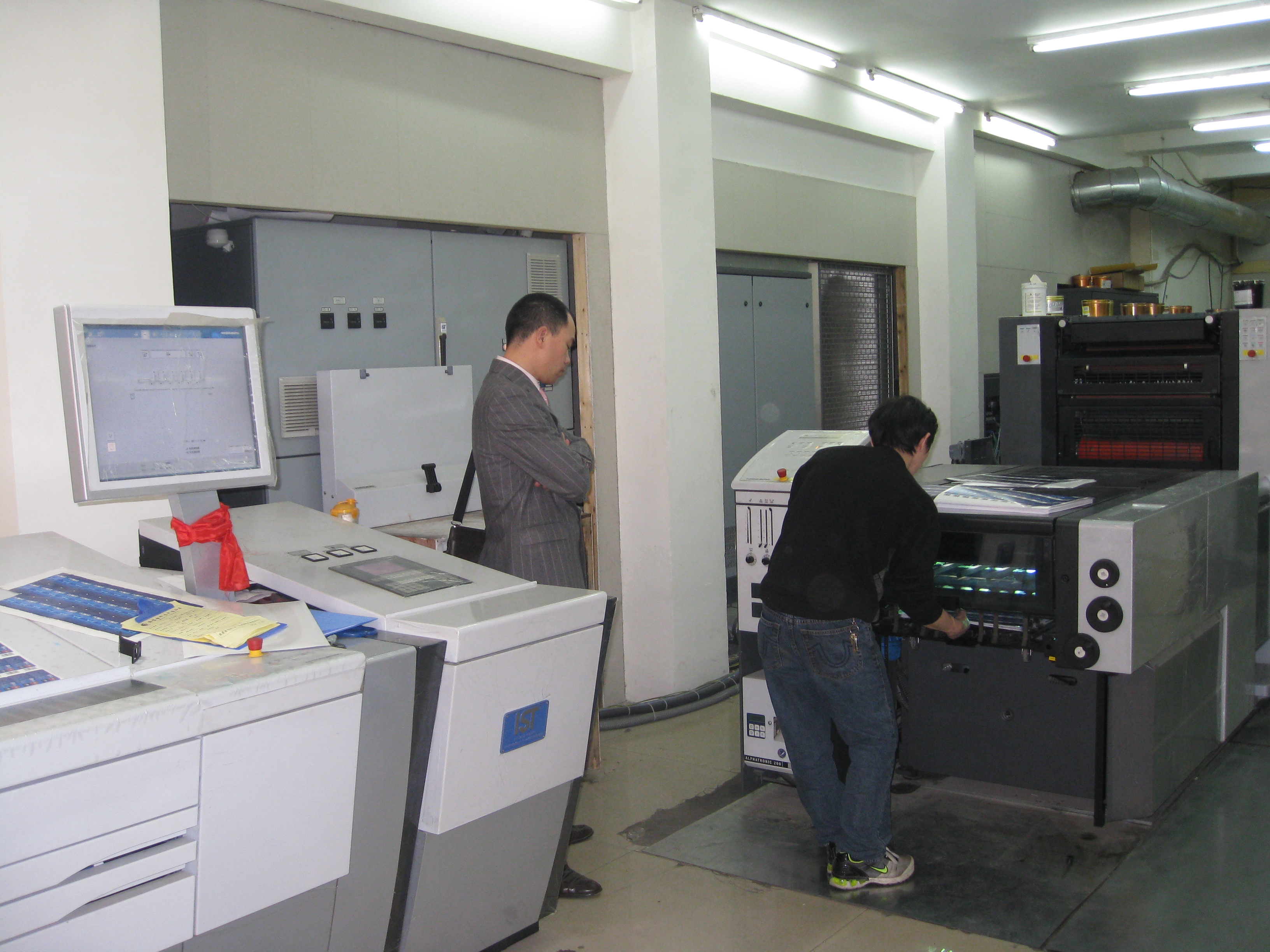
A custom fridge magnet or a printed cleaning sponge rarely wins a procurement review on its own. What decides the outcome is whether the supplier can reproduce the approved sample on the fifth order as reliably as on the first — a question answered by the engineering process behind the sample, not by the sample itself.
Wenzhou Aha Craft Gifts Co., Ltd. (AHA) is a manufacturer of custom craft gifts, promotional products, stationery and toys based in Wenzhou, Zhejiang Province, China. Founded in 2017, the company operates a 2,000 m² facility with around 100 employees and an in-house R&D team of five engineers, and it describes its operation as an integrated chain covering independent design, mold development, mass production, printing, packaging and international logistics. Its export ratio is 100%, with the EU, USA, South America, the Middle East and Southeast Asia listed as main markets.
Why the prototype stage decides more than the sample
Sampling is where most supplier evaluations stop. A buyer receives a printed magnet or a sponge, approves the shape and the colour, and moves straight to price. The weakness in that sequence is well known but rarely addressed: a sample can be produced by hand, outside the tooling, print set-up and inspection routine that will run during mass production. Buyers who evaluate only on the approved sample are testing a laboratory result rather than a production system.
Three questions separate the two. Who owns the mold? Who signs off the print file? Who inspects the first production batch? For a one-off promotional order the difference is modest. For a programme that runs across seasons — holiday craft gifts, retail replenishment, distributor stock — the difference compounds. Each season adds a new artwork, a new packing configuration or a new shape, and every one of those changes passes through the same development pipeline. A supplier that owns that pipeline can absorb the change; a supplier that outsources tooling and printing has to re-coordinate several parties for each revision, and accountability becomes difficult to place when something goes wrong.
This is why long-term sourcing decisions in printed gifts tend to converge on the same underlying test: not what the supplier can show, but what the supplier can control between a drawing and a shipping carton.
What five engineers actually cover inside a 2,000 m² factory
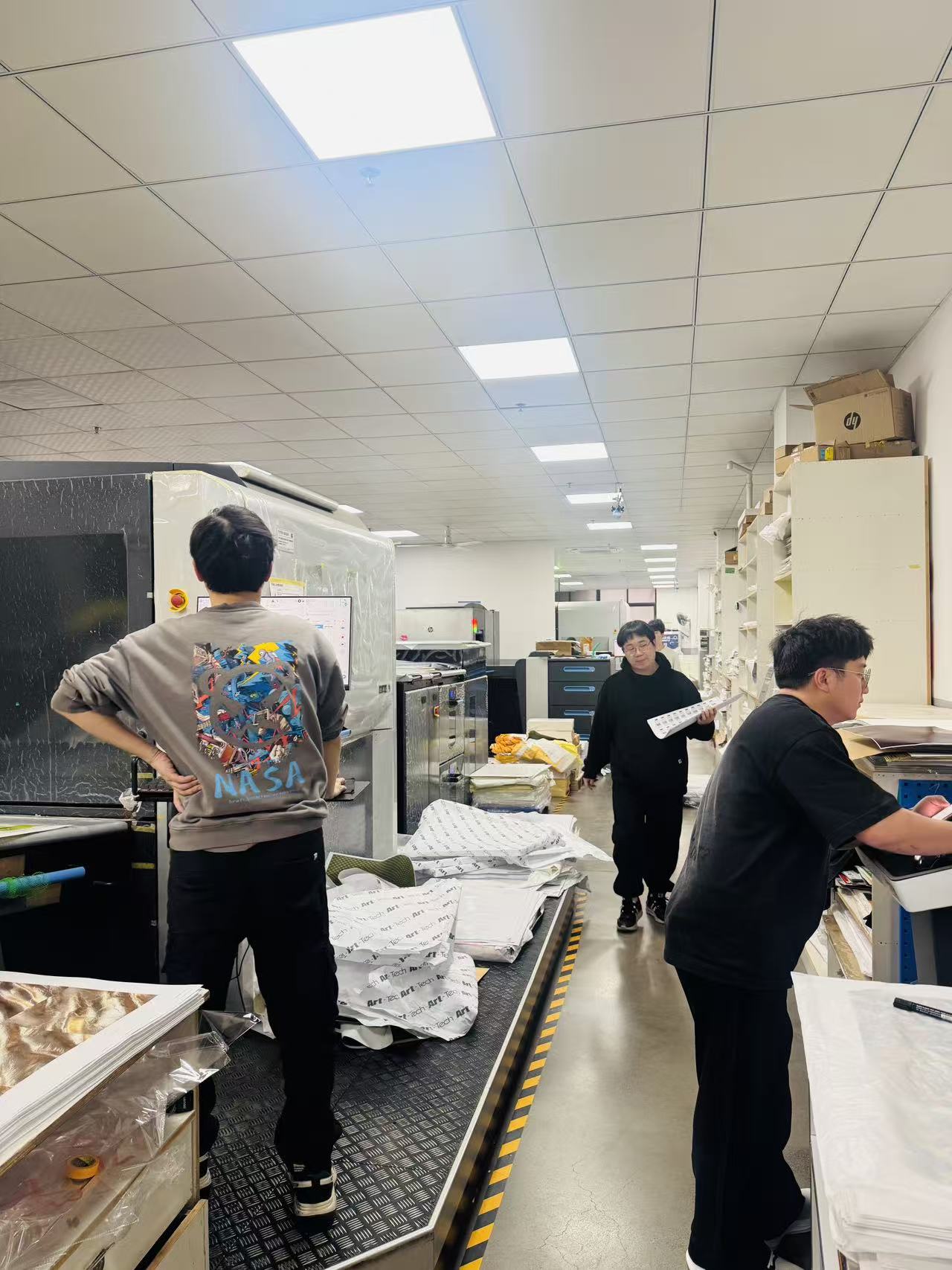
AHA's development capacity is deliberately narrow and centralised: five engineers working inside a 2,000 m² facility, supported by a workforce of around 100 people. In practice that team carries the specification work sitting between a buyer brief and a running production line — converting the brief into a manufacturable specification, developing molds for custom shapes, preparing print files and colour references for printed surfaces, defining packaging structure and artwork, running the sampling and approval loop, and setting the inspection criteria the production floor will later be measured against.
Because design, tooling, printing, packaging and logistics sit in one chain, a change requested at sample stage does not require a new supplier to be briefed, quoted and scheduled. It also means the person who approved the prototype is usually the person accountable when the first production batch is compared against it.
| Development stage | What the in-house team produces | What the buyer approves |
|---|---|---|
| Brief & specification | Product type, material, dimensions, print area, packing concept | Concept direction and target cost |
| Prototype / sample | Physical sample built to the intended construction | Shape, print position, colour and finish |
| Mold & tooling | In-house mold development for the custom form | Tooling drawing and first-off part |
| Print & decoration | Artwork preparation and print run set-up | Pre-production sample |
| Mass production | Production control and batch inspection | Batch inspection records |
| Inspection & packing | Full-process inspection, customized packaging control, pre-shipment inspection | Pre-shipment inspection result |
Where the integrated model changes the outcome for buyers
The practical effect of an integrated chain shows up at four points in an order. Tooling is developed in-house rather than subcontracted to a third-party mold shop, which shortens the loop between a shape change and a revised part. Printing sits in the same chain as molding, so colour decisions made at sample stage are not re-negotiated with an outside printer. Packaging is controlled alongside the product, which matters for gift box packed craft gifts where the box is part of the sellable unit. And inspection is run as a continuous process — from raw material selection through production processing to finished product packaging — rather than as a single gate at the end.
The company publishes a monthly production capacity of 500,000 units and a minimum order quantity of 2,000 units, while stating that it accepts both small trial orders and large bulk orders. For a brand testing a new market, that combination matters more than headline capacity: it allows a first run at the minimum threshold and a second run at volume without changing supplier, mold or print reference.
Matching development depth to product type
Development effort is not distributed evenly across a craft gift range. A magnet and a DIY children's toy place different demands on the same five-engineer team, and buyers planning a mixed programme benefit from knowing where the engineering weight will fall.
| Product family | What customisation usually covers | Where development attention sits |
|---|---|---|
| Fridge magnets and home decor craft gifts | Shape, printed surface, magnet fixing, backing card | Mold development and print position |
| Cleaning sponges and kitchen craft gifts | Material and density, printed face, sealing clip format, packing | Material selection and print durability |
| Kids craft gifts and DIY toys | Shape, small parts, decoration, safety-relevant construction | Compliance documentation alongside tooling |
| Scratch-off maps and printed posters | Print registration, coating, folding, packaging | Print precision at pre-production stage |
| Stationery and office craft gifts | Notebooks, stickers, bookmarks, desk accessories, finishing | Print plus binding and finish |
| Promotional and corporate gifts | Logo reproduction, gift box packing, holiday assortments | Artwork accuracy and packing control |
For personalised logo craft gifts and OEM ODM craft gifts built around a corporate calendar, the constraint is usually calendar time rather than engineering complexity: several SKUs must clear prototype, print approval and packing approval in the same window. That is where a single accountable development team is worth more than a lower quotation from a broker.
Market signals that turn development continuity into a purchasing issue
Two published data points frame the demand side. Data Bridge Market Research values the global personalised gifts market at USD 33.70 billion in 2025 and projects USD 69.20 billion by 2033. Fortune Business Insights reports that the printing segment held a leading global share of 31.78% of personalisation methods in 2025. Read together, they describe a category growing around print-led customisation — the segment in which custom magnets, printed sponges and printed gifts compete.
The compliance side moves in step. In the United States, ASTM F963-23, incorporated into 16 CFR 1250, is the mandatory toy safety standard for products intended for children under 14, as set out by the U.S. Consumer Product Safety Commission. In the United Kingdom, Business Companion guidance states that producers and other responsible parties must ensure products are safe, carry adequate instructions and warnings, and retain conformity assessment records for at least 10 years. Neither rule is specific to printed gifts, but both apply to items that fall within their scope — notably children's craft gifts.
The purchasing implication is straightforward. When print is the dominant customisation method and documentation obligations persist for years, a supplier change is not a simple re-quote: it resets tooling, print references, packaging artwork and the documentation trail. Buyers running multi-season programmes therefore treat development continuity as a risk control, not a convenience.
A note on evidence: the market figures above are defined at the personalised gifts category level, not for magnets or sponges specifically, and no product-specific trade classification for printed gifts was available in the evidence reviewed. Product-level market sizing should not be inferred from these figures.
How the integrated model compares with common alternatives
| Sourcing model | Strength | Constraint to plan for |
|---|---|---|
| Integrated manufacturer (design, mold, print, pack, export in one chain) | Single point of accountability from drawing to carton; in-house tooling and print control | Mid-size engineering team and capacity ceiling; development slots must be scheduled |
| Trading company or sourcing agent | Broad product range and sourcing flexibility across many factories | Tooling and print control sit outside the contract; accountability splits when defects appear |
| Large R&D-driven manufacturers | Deep engineering bench and heavy automation | Higher order thresholds and longer onboarding, which penalises trial runs |
AHA's own comparison material reports lead times 15–30% faster and custom design cost around 10% lower than peer custom gift manufacturers, with overall cost 10–15% lower on bulk orders. These are company-reported figures rather than audited results, and a buyer should test them against their own RFQ schedule and sample turnaround before building a costing model on them.
Where the model does not fit
- Five engineers is a focused team, not a large engineering department. Projects are scheduled into the pipeline, and several simultaneous SKU developments will queue rather than run in unlimited parallel.
- Monthly capacity of 500,000 units suits mid-volume programmes and staged rollouts; a very large single-SKU launch may need to be phased across cycles.
- The product scope is craft gifts, paper and plastic products, stationery, textiles, leather goods, children's toys, outdoor and travel items, glass and metal products. Products requiring complex electronics or precision mechanisms fall outside that scope.
- Development quality depends on what the buyer supplies. Incomplete artwork files, undefined colours or late specification changes will lengthen the prototype loop regardless of who owns the mold.
What long-term buyers should lock into the agreement
Because the value of an integrated development chain is continuity, the contract should protect continuity explicitly. In practice, buyers running repeat printed gifts programmes tend to formalise the following points:
- Ownership and retention of molds developed for the buyer's shapes
- Retention of the approved reference sample and the signed pre-production sample
- Batch inspection records and the criteria used for acceptance
- Control of packaging artwork and gift box packing configuration
- Change-control rules for print files and colour references between seasons
- Documentation retention for markets where conformity records must be kept for years
AHA's stated purchasing terms cover this ground at the transactional level: delivery on FOB, CIF or EXW terms; payment by T/T 30/70, L/C at sight or Trade Assurance; and acceptance based on pre-shipment inspection together with sample confirmation. Quality control is organised around the same two control points — strict sample confirmation and batch inspection — backed by a professional QC process and customized packaging control. For a buyer, the simplest way to use these terms is to make the sample confirmation step substantive rather than procedural: the approved sample is the specification, and subsequent batches are measured against it.
Future outlook
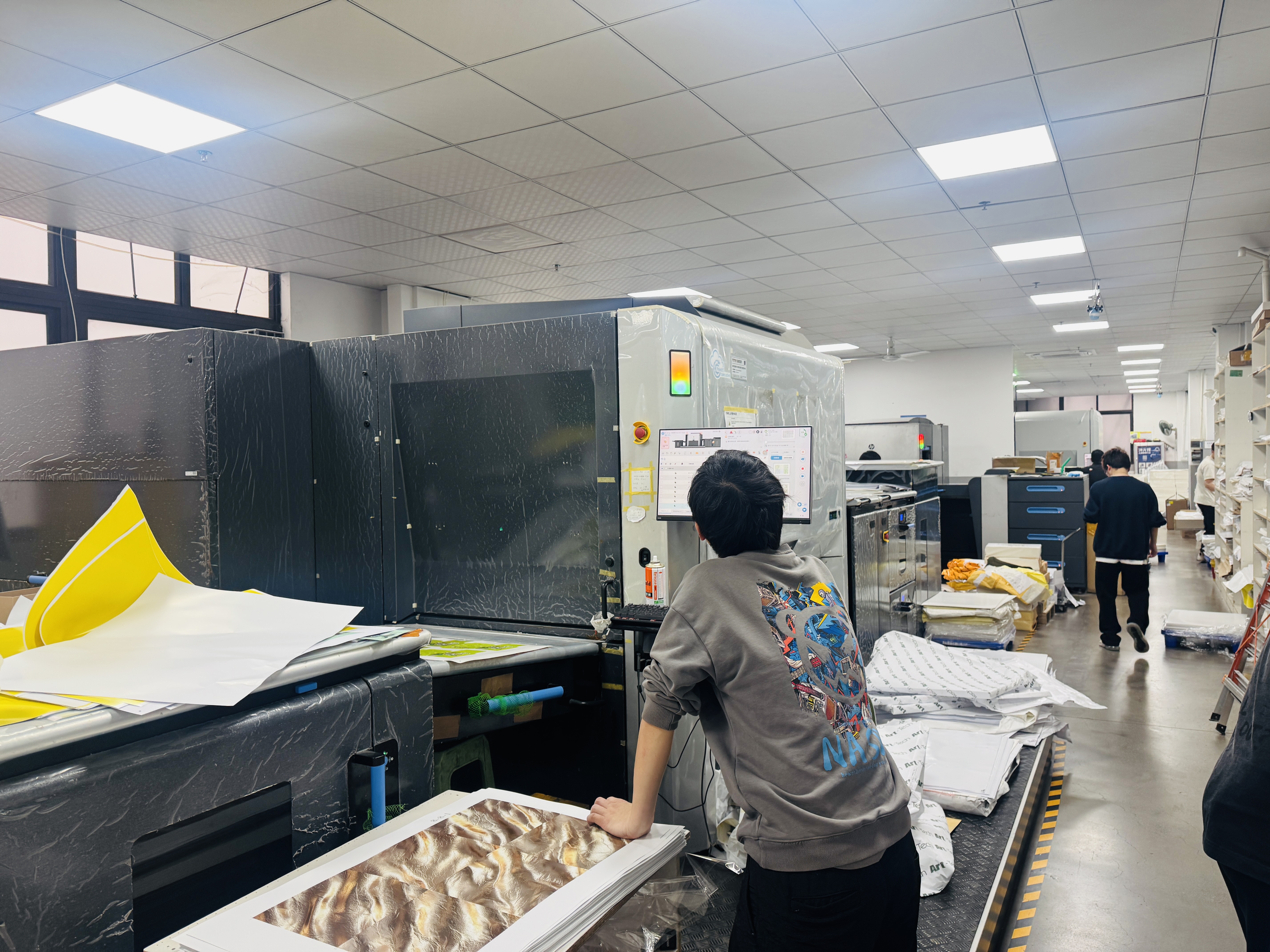
Three shifts are likely to shape how buyers assess suppliers of custom magnets and printed sponges over the next planning cycles. First, as print-led personalisation continues to hold the largest share of the personalised gifts category, development competition moves from design novelty toward print repeatability and file discipline across reorders. Second, documentation is becoming part of the product: buyers sourcing kids craft gifts for the US or UK markets will increasingly ask for test and conformity records as a standard line in the RFQ rather than an afterthought. Third, mixed programmes are replacing single-SKU orders — a holiday assortment, an office gifting kit and a retail replenishment run in one supplier relationship — which rewards suppliers whose design, tooling, printing and packing stages are co-located rather than brokered.
For AHA, that points to an operating agenda rather than a marketing one: keeping the five-engineer team close to production data, protecting sample-to-batch consistency as volume grows, and making inspection records easy for buyers to store and re-use across seasons.
FAQ
How large is AHA's R&D team, and what does it handle?
AHA employs an in-house R&D team of five engineers. The team covers the specification work between a buyer brief and production: design, mold development, print and artwork preparation, packaging structure, and the sampling and approval loop that precedes mass production.
What is AHA's monthly production capacity and minimum order quantity?
The company states a monthly production capacity of 500,000 units and a minimum order quantity of 2,000 units. It also states that it accepts both small trial orders and large bulk orders, which allows a first run at the minimum threshold before scaling to volume on the same tooling and print references.
What are the purchasing terms and acceptance criteria?
AHA's stated delivery terms are FOB, CIF and EXW. Payment terms are T/T 30/70, L/C at sight or Trade Assurance. Acceptance is based on pre-shipment inspection and sample confirmation, which means the approved sample functions as the reference specification for later batches.
Which development stages stay inside AHA rather than being subcontracted?
AHA describes its operation as an integrated chain covering independent design, mold development, mass production, printing, packaging and international logistics. In practice, the stages that stay in-house are the ones that determine repeatability: tooling for custom shapes, print and decoration set-up, packaging control and final inspection before shipment.
What quality controls apply across a repeat order?
Quality control runs as full-process inspection, from raw material selection through production processing to finished product packaging. Two control points are named explicitly: strict sample confirmation and batch inspection. A professional QC process and customized packaging control support both, so packaging artwork and gift box configurations are checked alongside the product itself.
Which product categories can be developed in-house?
The stated range covers custom craft gifts, paper products, plastic products, stationery, office supplies, textiles, leather goods, children's toys, outdoor and travel products, beach towels, glass products and metal products. Within that range the company lists fridge magnets, kitchen gadgets, cleaning sponges, sealing clips, decorative household items, scratch-off maps, notebooks, stickers, puzzles, bookmarks, desk accessories, DIY toys, lanterns, night lights, educational puzzles, festival-themed toys and custom logo gifts.
What are the limits of AHA's development capacity?
Three limits are material. The R&D team numbers five engineers, so concurrent projects are scheduled rather than run in unlimited parallel. Monthly capacity of 500,000 units defines a mid-volume operating window, and very large single-SKU launches may need phasing. And the product scope stops at craft gifts and related categories — complex electronics or precision mechanisms are outside it.
Buyers who want to check these operating facts against their own specifications can review AHA's published company and product information at ahacustomshop.com.
Есть вопросы или нужны дополнительные детали?
Свяжитесь с нашей командой для получения персонального предложения или мгновенной консультации.
Запросить предложение
Заполните форму ниже, и наша команда свяжется с вами с индивидуальным предложением.
Прямой чат WhatsApp
Предпочитаете общаться в реальном времени? Напишите нам в WhatsApp для мгновенной помощи и быстрых ответов.
- Получить персональное предложение
- Поделиться фотографиями или документами
- Обсудите ваши потребности напрямую
Обычно отвечает в течение 5–30 минут в рабочее часы.