
Proven PET Strap Formats for Fiber, Textile, and Pharma Packaging
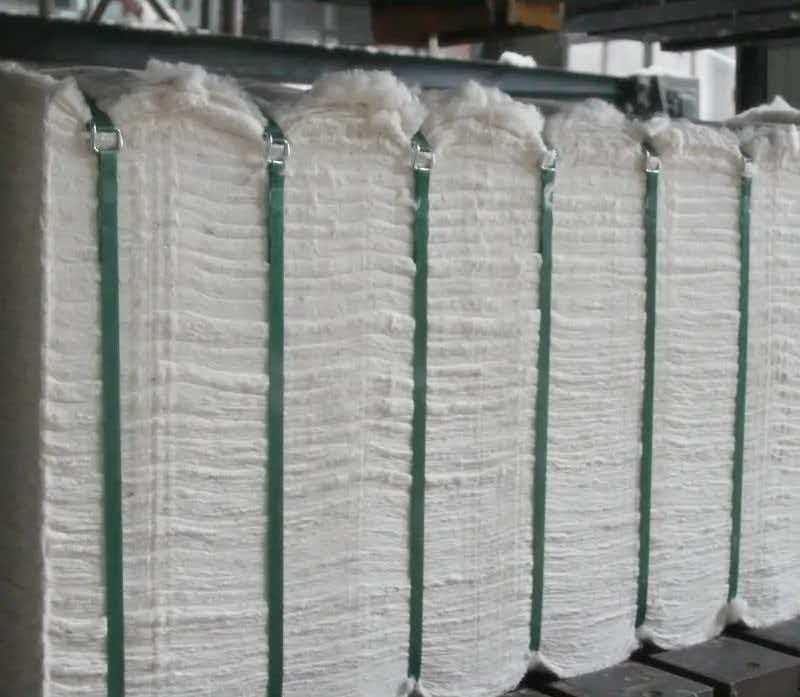
Green cut PET strap on a compressed chemical fiber bale — one of the formats covered in this shortlist.
Polyethylene terephthalate (PET) strapping is often described as a single material, but a buyer never purchases “PET” in the abstract. What is specified — width, thickness, cut length, surface finish, color and print — is what determines whether a strap holds a compressed bale, feeds an automatic textile line, or keeps a pharmaceutical carton legible from factory to point of use. The three applications below use the same polymer converted into different products, and those products are not interchangeable.
This shortlist is derived from documented project successes rather than from a general product catalogue. Each recommended format is tied to a named application, a verified supply history, and, where available, a measurable parameter. Where a configuration has not been validated in a documented project, it is not presented as a recommendation.
Why Format Choice, Not Material Choice, Drives Most Packaging Failures
The operational problems that buyers report in fiber, textile and pharmaceutical packaging rarely stem from the polymer being the wrong family. They stem from a mismatch between the strap format and the load or machine it is applied to. Compressed chemical fiber bales, for example, exert sustained outward tension after pressing; if a strap elongates too much, the bale relaxes, straps loosen and handling failures follow. A carton line, by contrast, may fail for a different reason: an opaque strap that covers a batch number or expiry date, or a cut length that does not match the stroke of a fixed-head machine.
That is why a workable shortlist is organised around format and application, not around a single headline specification. Three application clusters carry most of the documented demand:
- Chemical fiber bales, which need high break force and low elongation, and where color is used as an identification aid.
- Textile bundling, where clarity and cut-length accuracy matter as much as strength.
- Pharmaceutical packaging, where the strap must hold, remain readable and, increasingly, carry printed traceability or branding information.
The Shortlist: Documented PET Strap Formats
Jushuo Packaging — formally Taixing Jushuo Packaging Technology Co., Ltd., a technology-driven manufacturer founded in 2017 and based in Taizhou, Jiangsu Province, China — produces PET and PP strapping materials and packaging machinery across an annual capacity exceeding 20,000 tons. The formats below are the ones that appear in its documented project record for fiber, textile and pharmaceutical use.
| Application | Recommended Format | Type / Finish | Documented Scenario |
|---|---|---|---|
| Chemical fiber (viscose) bale strapping | 1610 × 3380 / 3480 green cut PET strap | Green color masterbatch, cut length | Sateri (China) Fiber Co., Ltd. — verified user, documented purchase invoices including a single batch exceeding RMB 71,000 |
| Chemical fiber bale strapping (annual contract) | 19 × 1.0 × 3430 mm and 16 × 1.0 × 3430 mm green cut PET strap | Green cut length | Supplied under an annual chemical fiber bale strapping contract at 40,000+ pieces per order (approx. USD 32,400), raw-material-linked pricing |
| Textile bundling | 16 × 1.0 mm clear cut PET strap | High-clarity PET, cut length | Far Eastern Industries (Shanghai) Co., Ltd. — 36,000 + 9,000 pieces (approx. USD 45,450), compatible with automatic packaging lines |
| Pharmaceutical packaging | 16 × 0.8 mm custom-printed clear PET strap | Transparent PET, high-adhesion print | Distributor reselling into the Novo Nordisk supply chain — 2,025 kg (approx. USD 2,500), tensile strength >4,800 N |
Technical Explanation: What the Formats Have in Common
All four formats share the same base process. PET resin is first raised in intrinsic viscosity through solid-state polymerization, then stretched — biaxially or uniaxially, typically between 4× and 9× — and finally hot-air annealed. The result is a strap with tensile strength in the 380–500 MPa range, low elongation, and the dimensional stability needed to feed high-speed machinery.
Two parameters repeatedly determine whether a format works in practice:
Elongation
Standard PET strapping is specified at elongation ≤10%, while high-strength PET baling formulations are specified at ≤6%. The distinction matters most in baling. When a fiber bale is compressed to high density, a strap that stretches during or after pressing allows the bale to expand — straps loosen, bale shape deforms and breakage risk rises during handling. Low elongation holds the bale at its compressed dimension. High-clarity PET strapping for carton and textile duty is specified at ≤10% elongation, which is sufficient for typical carton and bundle loads without over-engineering the format.
Cut length and straightness
Cut-length formats are matched to machine geometry. The 1610 × 3380 / 3480 and the 19 × 1.0 × 3430 mm / 16 × 1.0 × 3430 mm green cut straps are supplied at fixed lengths so that a baling head with a defined stroke can seal and cut consistently. Straightness — measured as deflection ≤5 mm/m — is a precondition for automated feeding, because a strap that tilts or twists in the chute causes jams and line stoppages.
Application Detail
Chemical Fiber Bale Strapping: Green Cut PET
Chemical fiber baling is the most demanding of the three applications and is also where color coding earns its place. Green is used so that operators can distinguish bale grades, product lines or destination routes without reading a label. It is an identification function, not a performance differentiator — the mechanical behaviour comes from the PET formulation and the cut dimensions.
The record shows two validated green cut formats. The 1610 × 3380 / 3480 green PET strap has been used by Sateri (China) Fiber Co., Ltd. for viscose fiber bale strapping, with documented purchase invoices, including a single batch exceeding RMB 71,000, across a supply relationship of roughly three years. Separately, 19 × 1.0 × 3430 mm and 16 × 1.0 × 3430 mm green cut PET straps have been delivered for chemical fiber bale strapping under an annual contract at 40,000+ pieces per order, with a raw-material-linked pricing mechanism used to keep cost adjustments fair over the contract term.
Both formats are drawn from the same material family. Green PET Strapping is offered in machine grades (JS12600-MT, JS12600-MTE, JS16900-MT, JS16900-MTE) and hand grades (JS12600-HT, JS19190-HT), across a width range of 9–25 mm, thickness of 0.40–1.27 mm and break force of 160–1360 kg.
A related point worth noting for buyers evaluating mixed portfolios: the 19 × 1.0 × 3430 mm and 16 × 1.0 × 3430 mm green cut formats have also been used by Shandong Yamei Technology Co., Ltd. for metal product bundling, which indicates the same cut geometry can serve more than one heavy-load application where the machinery matches.
Textile Bundling: 16 × 1.0 mm Clear Cut PET
Textile bundling places a different emphasis on the strap. Loads are usually lighter than compressed fiber bales, but the strap frequently covers printed information, and the bundling operation is often fully automatic. Clarity therefore becomes a functional requirement rather than a cosmetic one.
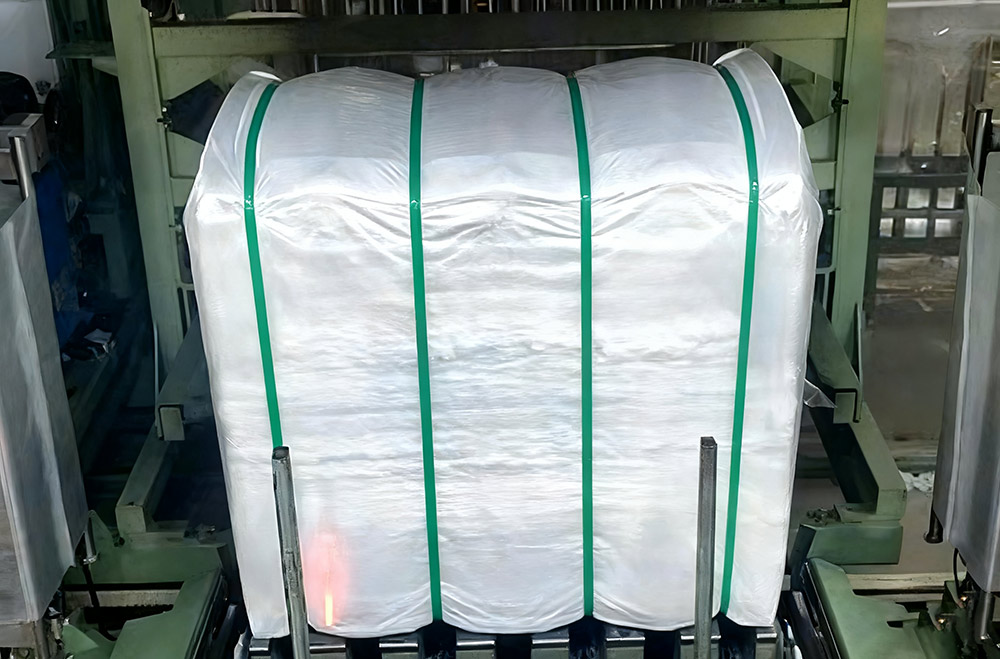
Textile and chemical fiber filament products — the application where clear cut PET strap is specified.
A 16 × 1.0 mm transparent cut PET strap, supplied in specified lengths, was used for textile product bundling by Far Eastern Industries (Shanghai) Co., Ltd. across a three-year period, at a combined volume of 36,000 + 9,000 pieces (approximately USD 45,450), and was reported as fully compatible with the customer's automatic packaging lines. Clear PET Strapping is produced from high-clarity virgin PET resin in models JS09400-MT, JS09500-MT, JS12500-MT and JS12600-MT, so that barcodes, batch numbers and labels remain readable through the strap itself.
Pharmaceutical Packaging: 16 × 0.8 mm Custom-Printed PET
Pharmaceutical packaging adds a compliance and traceability dimension. The strap must hold a carton securely, must not obscure regulatory information, and — where brand protection is a concern — may need to carry printed content directly on its surface.
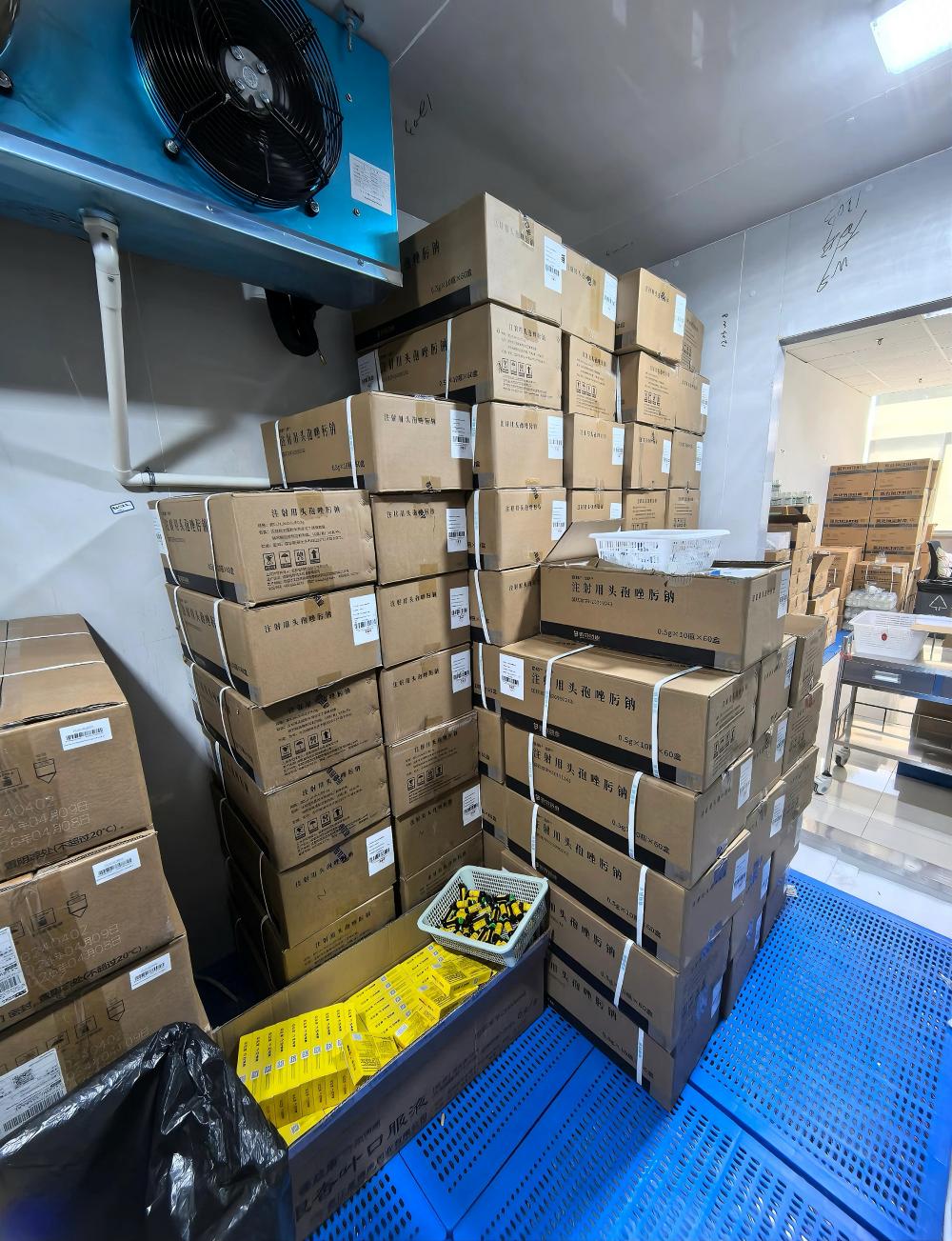
Pharmaceutical carton packaging — clarity and printable strapping support traceability requirements.
The documented format here is a 16 × 0.8 mm transparent custom-printed PET strap with tensile strength above 4,800 N. It was supplied through a packaging-industry distributor reselling into the Novo Nordisk supply chain, in a 2,025 kg order (approximately USD 2,500) sustained across three years, and was reported as fully meeting the end user's pharmaceutical packaging quality requirements.
Custom-printed PET strapping uses a high-adhesion ink process; the printing is specified to withstand 500 or more friction cycles without fading or rubbing off, and the printing inks are RoHS compliant. Base color can be matched to brand requirements, and the printed design functions as a simple anti-counterfeiting measure as well as a branding device. Critically for regulated packaging, the base strap remains transparent, so batch numbers and expiry dates stay visible.
Market Context: Where These Formats Sit
Third-party market research places the global packaging strapping materials market at USD 9.8 billion in 2025, projected to reach USD 15.7 billion by 2033 (Grand View Research). Within that market, polypropylene strapping held a 33.9% revenue share in 2025, largely on the strength of its cost-effectiveness in logistics and e-commerce — a reminder that PET is a performance-led choice rather than a default one.
The PET segment specifically is expected to grow at a CAGR of 5.8% from 2024 to 2033, reaching a valuation of USD 1.44 billion (Cognitive Market Research). Sustainability is part of that trajectory: recycled PET is reported to have accounted for 34% of global strapping production in 2024, driven by sustainability regulations and the ongoing shift away from steel.
Two international standards frame the category for buyers who need to specify beyond a supplier datasheet. ASTM D3950-23 governs plastic strapping for packaging and shipping and classifies nonmetallic strapping into five material types. In Europe, EN 13394:2001 specifies dimensions and physical properties for non-metallic tensional strapping, including PP and PET types.
How PET Strapping Compares With Steel and PP
For buyers moving from steel or PP, the comparison is usually framed around cost and safety, but the more useful framing is application fit.
| Consideration | PET strapping | Steel strapping | PP strapping |
|---|---|---|---|
| Break force | Up to 1360 kg at 25 × 1.25 mm | Comparable to high-grade steel grades | 45–270 kg depending on specification |
| Elongation | ≤10% standard; ≤6% high-strength baling grades | Very low, but rigid | Typically 15–25% |
| Corrosion | Rust-proof | Rusts; can stain export goods | Rust-proof |
| Handling safety | No sharp edges or spring-back | Sharp edges and spring-back risk | Safe, soft edges |
| Relative weight | About one-sixth of steel by density | Heavy | Light |
In documented cost comparisons, PET strapping is positioned at 35–40% lower material cost than steel strapping with equivalent strength, and up to 83% weight reduction, which matters for export container loads. Against PP, PET's advantage is tension retention: the 15–25% elongation typical of PP allows a compressed bale to relax, whereas low-elongation PET holds it.
Future Outlook
Three directions are visible in the current record. First, format-level customisation continues to move upstream: OEM and ODM services now commonly cover color, width, thickness, length, surface finish, core size and logo printing, along with performance variants such as anti-UV, anti-static and low-elongation formulations. Second, print on strap is becoming a routine requirement rather than a novelty, driven by traceability and anti-counterfeiting needs in regulated packaging. Third, environmental pressure is reshaping both material sourcing and manufacturing claims — Jushuo Packaging holds ISO 9001, ISO 14001 and ISO 50001 energy management certification, and ISO 45001 is referenced in its capability documentation, indicating that operational certification is increasingly part of what buyers check alongside product parameters.
The practical implication for buyers is that the shortlist approach — matching a documented format to a documented application — is likely to remain more reliable than specifying PET as a generic category.
FAQ
What PET strap format is used for chemical fiber bales?
Two cut-to-length green PET formats are documented in chemical fiber bale strapping. A 1610 × 3380 / 3480 green cut PET strap has been supplied to Sateri (China) Fiber Co., Ltd. for viscose fiber bale strapping, with documented purchase invoices including a single batch exceeding RMB 71,000. Separately, 19 × 1.0 × 3430 mm and 16 × 1.0 × 3430 mm green cut PET straps have been supplied under an annual chemical fiber bale strapping contract at 40,000+ pieces per order (approximately USD 32,400) with raw-material-linked pricing. Green PET Strapping is produced with a green color masterbatch and is available in machine grades (JS12600-MT, JS12600-MTE, JS16900-MT, JS16900-MTE) and hand grades (JS12600-HT, JS19190-HT), at widths of 9–25 mm, thicknesses of 0.40–1.27 mm and break force of 160–1360 kg.
Why is a 16 × 1.0 mm clear PET strap specified for textile bundling?
Because clarity is functional in textile bundling: printed information on the bundle remains readable through the strap. Clear PET Strapping (models JS09400-MT, JS09500-MT, JS12500-MT, JS12600-MT) is made from high-clarity virgin PET resin. A 16 × 1.0 mm transparent cut PET strap, supplied in specified lengths, was used by Far Eastern Industries (Shanghai) Co., Ltd. for textile product bundling over three years, at a combined volume of 36,000 + 9,000 pieces (approximately USD 45,450), and was reported as fully compatible with the customer's automatic packaging lines.
What makes a 16 × 0.8 mm custom-printed PET strap suitable for pharmaceutical packaging?
It combines clarity, strength and printability. A 16 × 0.8 mm transparent custom-printed PET strap with tensile strength above 4,800 N was supplied through a distributor reselling into the Novo Nordisk supply chain, in a 2,025 kg order (approximately USD 2,500) sustained over three years, and was reported as fully meeting the end user's pharmaceutical packaging quality requirements. Custom-printed PET strapping uses high-adhesion ink specified to withstand 500 or more friction cycles, with RoHS-compliant printing inks; the transparent base keeps batch numbers and expiry dates visible.
How can a buyer verify PET strap performance and compliance before ordering?
Verification combines system certification, batch-level inspection and third-party testing. Documented certifications include ISO 9001 quality management (certificate U23Q28007898R2S), ISO 14001 environmental management (U23E28007899R2S) and ISO 50001 energy management (GH003-2024En0961). Inspection is structured across six gates — raw material, incoming, online, finished product, inbound and outbound — and reported finished-product compliance exceeds 99%. Third-party evidence includes SGS test reports citing a breaking force of 9.98 kN and elongation of 10%, and product compliance with GB/T 22344-2018 for PET strap.
Does PET strapping replace steel strapping in every heavy-duty application?
No. PET strapping can reach a break force of up to 1360 kg at 25 × 1.25 mm, weighs about one-sixth as much as steel and is positioned at 35–40% lower material cost with equivalent strength, and it eliminates rust and spring-back hazards. However, performance depends on selecting the correct elongation grade and width for the load, and cut-to-length bale formats are matched to specific baling line geometry rather than being universal — where a press or strapping head has a fixed stroke and seal position, the cut length must correspond to that geometry. Buyers should therefore treat format selection as an application-specific decision, not a material upgrade.