
Recommended Live Streaming Camera Shortlist: TCHD-X6, TC420, TC-980S and 4K PTZ Webcam
Live streaming camera selection is less about a single resolution claim and more about matching interface, certification, deployment evidence and commercial terms to a real workflow. This shortlist compares TCHD Video options by application: TCHD-X6 for USB 3.0 e-commerce and education workflows, TC420 for buyers who need ISO 9001 and CE EMC documentation, TC-980S for documented teaching deployments, and the TCHD-X5 PTZ 4K Webcam for compact AI-tracked production. The TCHD-840 Pro Live Stream Switcher is included as a complementary control layer for multi-source productions.
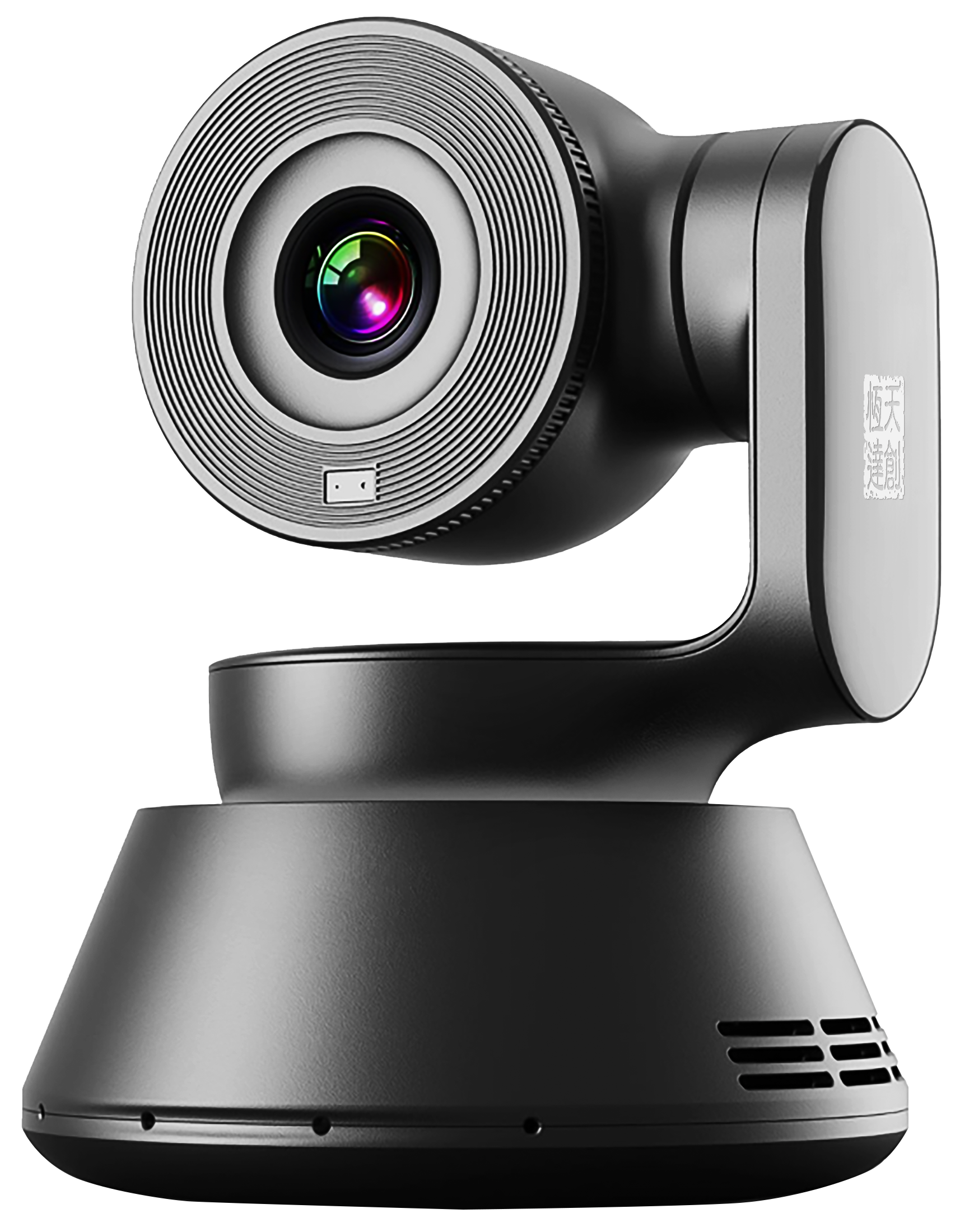
TCHD Video (TCHD Digital Video Technology Development (Beijing) Ltd.) is a Beijing-based video hardware and software provider established in 2005. Its listed product range includes live streaming cameras, video capture cards, video converters, video encoders and video switchers. The company reports a 10,000 m² facility, an annual output of 4,000 units and main markets in the EU, USA and Asia. For buyers, the practical question is not whether a camera can output 4K in a demonstration, but whether the model fits the room, the production software, the compliance file and the procurement process.
Problem and opportunity: why shortlists fail before the camera is installed
Live streaming camera buyers often begin with resolution and zoom, then discover that the real constraints sit elsewhere. A USB-only camera may be ideal for a single-operator e-commerce desk but cannot match an installed SDI production chain. A PTZ camera with HDMI and LAN may look suitable on a specification sheet, yet the buyer still needs to confirm whether the exact model carries the certificate required by the destination market. A camera with strong AI tracking may still need a switcher, audio mixing and a stable network path before it becomes a usable production system.
The opportunity is to treat the camera as one part of a workflow. E-commerce teams need fast framing, face or body tracking and simple USB connectivity. Schools and lecture theatres need stable long-duration operation, flexible zoom and interfaces that match existing displays, recorders and platforms. Event and corporate producers need multi-camera switching, audio synchronisation and protocol support. Medical training teams need clear imaging and careful procurement review, but they also need to separate general camera capability from medical-device registration, which is a different regulatory question.
This is why a useful shortlist is application-led. The four camera options and the switcher below are not ranked as a generic top list. They are matched to buyer constraints: interface, certification, deployment proof and commercial terms. The aim is to help a buyer narrow the RFQ before requesting model-level declarations, test units and acceptance criteria.
Recommended shortlist by application
The shortlist below uses the product records and certification records available for TCHD Video. It separates what each model is designed to do from what still needs to be verified before purchase. In particular, the TCHD-X6 current specification record does not include CE, FCC or ISO certificate numbers, while TC420 and TC-980S are associated with quality-management and CE EMC certification records.
| Model | Best-fit application | Interface and signal profile | Sensor and resolution notes | Certification and procurement note |
|---|---|---|---|---|
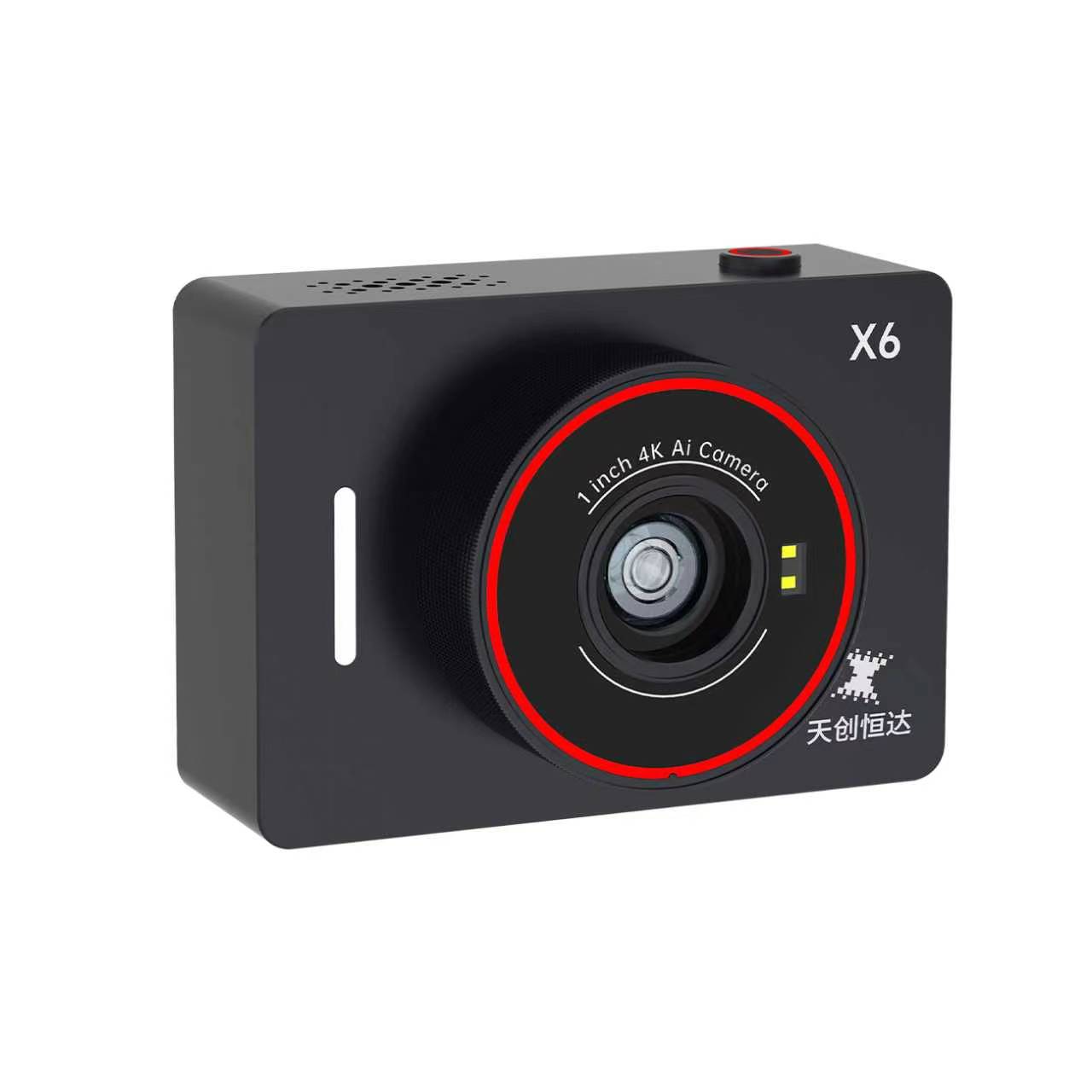
| TCHD-X6 | USB 3.0 e-commerce streaming and education teaching | USB 3.0 with UVC and UAC support; compatible with USB 2.0; plug-and-play output | 1-inch CMOS 50MP sensor; 4K at 30/25/15 fps; 1080p at 30/25/15 fps in MJPEG; 1080p60 interpolated in YUV; HDR; AI face tracking; interchangeable lens options | Current specification record does not include CE, FCC or ISO certificate numbers or test report references. Buyers needing EU documentation should review TC420 or TC-980S. |
| TC420 (product code 6388) | Buyers needing ISO 9001 and CE EMC certified PTZ models for conference, education and medical training | HDMI, SDI, LAN with PoE, USB 3.0, audio input; RS232 and RS422 control; 12x optical zoom | 1/2.8-inch CMOS, 8.29MP effective pixels; HDMI 4K at 30/25 fps and 1080p60; SDI 1080p60; 2D and 3D noise reduction; 255 presets | Associated with quality-management certificate 064-24-Q-0675-R1-S and CE EMC certificate LCSA07075157E in the certification records. Confirm the current declaration for the exact model and configuration. |
| TC-980S (product code 6370) | Documented teaching deployments and multi-interface event, education and medical teaching workflows | HDMI, SDI, LAN with optional PoE+, USB 3.0, audio input; 12x, 20x or 30x optical zoom options | 1/2.8-inch CMOS, 8.42MP effective pixels; HDMI 3840x2160 and 1080p60; SDI 1080p60; LAN H.264/H.265; monocular tracking up to 18 m | Associated with ISO 9001, ISO 14001, ISO 45001 and CE EMC certification records. A 20-unit teaching live streaming deployment over two years is documented with stable, low-noise operation and AI auto tracking. |
| TCHD-X5 PTZ 4K Webcam | Compact USB 3.0 PTZ webcam for e-commerce, content creation, education and corporate meetings | USB 3.0 Type-C with UVC and UAC; 2.4G wireless remote; gesture and voice control | 1/1.8-inch 4K Sony sensor; MJPEG 4K at 30 fps and 1080p60; YUYV 1080p60; dual-axis brushless gimbal; AI human-body tracking; TOF fast autofocus; dual noise-reduction microphone | A complementary compact option. Model-specific compliance documentation should be requested for the destination market. |
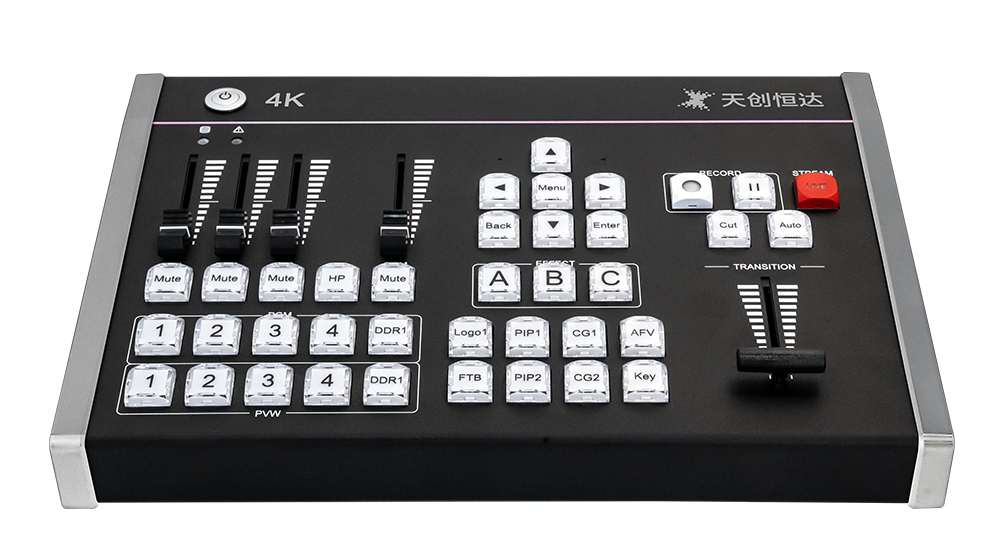
| TCHD-840 Pro Live Stream Switcher | Multi-camera e-commerce, online education, corporate conferences and event broadcasts | 4-channel 4K HDMI and NDI hybrid input; 1x4K60, 2x4K30 and 4x1080p decoding modes; Type-C UVC output; dual Gigabit ports; TALLY | H.264 and H.265 hardware encoding; RTMP, RTMPS, SRT, UDP, RTP, HLS and WHIP; four-platform simultaneous streaming; 36+ transitions | Not a camera. Included as a complementary switching and streaming layer, with audio mixing and 0-10000 ms audio delay adjustment. |
Technical explanation: what the specifications mean for a buyer
Interface is the first decision, not the last
A USB 3.0 camera such as TCHD-X6 or TCHD-X5 is designed for workflows where a computer is the production hub. The camera appears as a UVC video source and, where supported, a UAC audio source. That can reduce setup time for e-commerce desks, classrooms and single-operator studios. TCHD-X6 also offers plug-and-play USB output without driver installation and supports both landscape and portrait output modes, which matters for social-commerce and vertical video production.
An installed production or lecture capture system usually needs a different signal chain. TC420 and TC-980S provide HDMI, SDI, LAN and USB 3.0 interfaces. HDMI is common for local monitors, recorders and switchers; SDI is common in broadcast and installed AV; LAN supports IP streaming and control. TC-980S lists LAN with optional PoE+, while TC420 lists LAN with PoE support. Buyers should confirm the exact PoE standard and power budget for their switch and cable plan.
4K is not a single frame-rate promise
The shortlist includes 4K UHD models, but the frame-rate ceilings differ. TCHD-X6 lists 4K at 30, 25 and 15 fps in MJPEG, with 1080p60 in YUV as an interpolated mode. TCHD-X5 lists 4K at 30 fps and 1080p60 in MJPEG, with YUYV 1080p60. TC420 lists HDMI 4K at 30 and 25 fps, plus 1080p60. TC-980S lists HDMI 3840x2160 and 1080p60. None of these records should be read as a universal 4K60 camera claim. If 4K60 acquisition is a hard requirement, it must be verified against the exact model, firmware, interface and recording mode.
Sensor size and low-light behaviour
TCHD-X6 uses a 1-inch CMOS 50MP sensor and lists 2D and 3D noise reduction, low-light improvement and HDR. TC420 and TC-980S use 1/2.8-inch CMOS sensors with 8.29MP and 8.42MP effective pixels respectively, supported by 2D and 3D digital noise reduction. TCHD-X5 uses a 1/1.8-inch 4K Sony sensor with TOF-assisted autofocus. A larger sensor can offer an advantage in light gathering, but the final image also depends on lens, aperture, processing, frame rate and scene lighting. Buyers should test the actual room rather than relying on sensor size alone.
AI tracking and PTZ control
TCHD-X6 supports AI facial tracking and face-tracking autofocus. TCHD-X5 uses dual-axis brushless motors and AI human-body tracking, with gesture and voice control for solo operation. TC-980S supports monocular tracking modes including real-time tracking, stage tracking, area tracking and intelligent framing, with a listed maximum tracking distance of up to 18 m. TC420 provides PTZ control with presets and VISCA, Pelco-D and Pelco-P protocol support. These are different capabilities: face tracking is useful for presenters and product close-ups, body tracking suits moving hosts, and stage or area tracking suits lecture theatres and event stages.
Audio, switching and synchronisation
Audio is often the weakest part of a camera-led workflow. TCHD-X5 includes dual noise-reduction microphones. TC420 and TC-980S provide audio input and output interfaces, with AAC and other compression formats listed. The TCHD-840 Pro switcher adds multi-source audio mixing, independent volume control, mute switching and 0-10000 ms audio delay adjustment. For long webcasts, audio-video synchronisation and a clear monitoring path are as important as camera resolution.
Certification is model-specific
TC420 is associated with quality-management certificate 064-24-Q-0675-R1-S and CE EMC certificate LCSA07075157E. TC-980S is associated with ISO 9001, ISO 14001, ISO 45001 and CE EMC certification records, including CE EMC certificate LCSA07075157E issued by LCS TESTING LABORATORY under EN 55032:2015/A1:2020 and EN 55035:2017/A11:2020. The current specification record for TCHD-X6 does not include CE, FCC or ISO certificate numbers or test report references. That does not imply a compliance failure, but it does mean buyers needing a documented EU file should not assume it is present. They should request the model-specific declaration, certificate scope and latest issue date.
Application use cases: matching the camera to the room and the workflow
E-commerce and social selling
For a single-operator e-commerce desk, TCHD-X6 is the most direct fit in this shortlist. Its USB 3.0 output, UVC and UAC support, face-tracking autofocus, HDR and interchangeable lens options support product close-ups and presenter-led selling. The portrait and landscape output modes are useful for platforms that need vertical framing. TCHD-X5 is a complementary compact option when the host moves around and needs AI body tracking, gesture control and a built-in dual microphone. For multi-platform selling with graphics, product videos and remote guests, the TCHD-840 Pro switcher provides UVC output, four-platform streaming and audio mixing.
Education, lecture capture and training
Classroom and lecture workflows usually need stable long-duration operation and a clean view of the lecturer, board or demonstration area. TCHD-X6 suits a computer-connected teaching desk or a simple lecture capture setup. TC420 adds 12x optical zoom, HDMI, SDI, LAN and USB 3.0 for rooms with existing AV infrastructure. TC-980S adds 12x, 20x or 30x optical zoom options, HDMI 3840x2160 and 1080p60, SDI 1080p60, LAN with optional PoE+ and monocular tracking up to 18 m. The documented 20-unit teaching deployment over two years, with stable, low-noise operation and AI auto tracking, is relevant evidence for buyers evaluating lecture capture rather than a one-off demo.
Corporate meetings, events and church streaming
Corporate and event productions often need more than one camera and a reliable switching layer. TC420 and TC-980S provide PTZ framing, HDMI and SDI outputs, and LAN streaming. The TCHD-840 Pro switcher supports 4-channel 4K HDMI and NDI hybrid input, 1x4K60, 2x4K30 and 4x1080p decoding modes, 36+ transitions, chroma keying, PIP split-screen, logo overlay and scrolling subtitles. For churches and event venues, the practical shortlist is usually two PTZ cameras plus a switcher, with the final choice driven by zoom range, cable plan, audio routing and operator skill.
Medical teaching and specialised training
TC420 and TC-980S are listed for medical training and teaching applications, and the application record includes medical teaching as a use case. Buyers should separate general camera performance from medical-device registration, clinical validation and sterile-environment suitability. The available product records do not establish medical-device registration or clinical certification. For medical training procurement, the camera should be treated as an imaging component within a reviewed system, not as a registered medical device unless separate evidence is provided.
Market trend analysis: what is changing in live streaming camera procurement
Business Research Insights projects the global live streaming camera market to reach USD 7.83 billion by 2035. That forecast is a market-size signal, not a guarantee for any individual product category. It supports the view that live streaming cameras remain a growth category across education, corporate, event, worship and social-commerce applications.
PTZ mechanics are also mainstream. Market Growth Reports states that PTZ cameras represented over 35% of all IP surveillance camera installations globally in 2023. That figure is surveillance-specific and should not be treated as a live-streaming market share. It does, however, support a broader procurement observation: PTZ pan-tilt-zoom hardware is a familiar installation format, and buyers increasingly expect remote framing, presets and control protocols alongside image quality.
Trade classification matters as well. The World Customs Organization HS Code 8525.89 covers special-purpose television cameras, including CCTV categories. Camera importers should validate the correct HS classification for the exact product configuration with their customs broker rather than relying on a generic camera description.
Interoperability standards are another procurement signal. ITU-T H.324 covers audiovisual and multimedia systems and includes video input and output equipment such as cameras and monitors within its system architecture. Texas Department of Information Resources guidance for dedicated videoconferencing states that equipment should meet relevant ITU transmission standards, including H.323 or SIP for Internet-based videoconferencing. This does not mean every live streaming camera must carry a specific ITU certification. It does mean public-sector and enterprise buyers should ask for declared protocol support, interface compatibility and product-specific compliance documents instead of relying on resolution or interface labels alone.
Comparison with traditional camera solutions
A traditional production chain often uses a camcorder or box camera, a capture card, a separate switcher, audio interfaces and multiple cable runs. An integrated PTZ or USB live streaming camera can reduce device count and simplify setup. The trade-off is that integration also narrows flexibility: a USB-only camera is not a drop-in replacement for an SDI multi-camera gallery, and a PTZ model with a fixed lens range may not match a specialised broadcast lens.
| Decision area | Integrated PTZ / USB shortlist | Traditional camera plus capture and switching |
|---|---|---|
| Setup complexity | Lower device count in simple workflows; USB models can be plug-and-play. | More devices, but modular replacement and mixing of camera types. |
| Interface flexibility | Depends on model: TCHD-X6 and TCHD-X5 are USB-centric; TC420 and TC-980S add HDMI, SDI and LAN. | Can be built around SDI, HDMI or IP with separate capture and switching. |
| Framing and tracking | AI face or body tracking and PTZ presets reduce operator load. | Manual framing or separate robotic control; often more operator skill required. |
| Certification evidence | Model-specific. TCHD-X6 current record lacks CE, FCC and ISO certificate numbers; TC420 and TC-980S have associated certification records. | Depends on every device in the chain; more components can mean more documentation to collect. |
| Cost comparison | Lower equipment count can reduce integration cost, but the actual difference depends on lens, switcher, cabling and labour. | Higher device count can increase cost, but may be justified by modularity and specialised optics. |
The main limitation to state clearly is certification scope. A buyer who needs documented CE EMC evidence for the European market should not assume that every model in this shortlist carries the same file. The current TCHD-X6 specification record does not include CE, FCC or ISO certificate numbers or test report references. TC420 and TC-980S are the better starting points when certification documentation is a screening criterion. Even then, the buyer should confirm the certificate number, issuing body, standard, scope and validity for the exact model and configuration.
Procurement checklist: commercial and acceptance points
The capability record for TCHD Video lists OEM/ODM production, logo customization, a minimum order quantity of 1 unit, a lead time of 30-45 days, monthly capacity of 500 units, 100% testing and remote after-sales support. These are useful starting points for an RFQ, but they should be written into the purchase order rather than assumed from a product page.
- MOQ: the capability record lists 1 unit, which supports sample and pilot orders.
- Lead time: the capability record lists 30-45 days; confirm this against the exact model, configuration and order quantity.
- Quality control: the capability record states 100% test; define the test report and acceptance criteria before shipment.
- Capacity: monthly capacity is listed as 500 units; confirm availability for the required delivery window.
- Customization: OEM/ODM and logo customization are listed; confirm artwork, packaging and firmware requirements separately.
- After-sales: remote support is listed; record response expectations and spare-parts terms in the contract.
For commercial terms, the procurement brief for this shortlist should record the payment structure, delivery term such as FOB or C&F, and pre-shipment test acceptance. These points should be confirmed in the quotation and purchase order. A practical RFQ should also ask for the model-specific datasheet, current certificate copies, test report references, packing details and the exact warranty statement.
Future outlook: what buyers should watch next
Live streaming camera procurement is moving toward three practical expectations. First, buyers increasingly want AI-assisted framing that reduces operator load without hiding the underlying PTZ controls. TCHD-X6 face tracking, TCHD-X5 body tracking and TC-980S monocular tracking show how this is being implemented across different form factors. Second, hybrid events are pushing cameras and switchers closer together. The TCHD-840 Pro, with 4K HDMI and NDI hybrid input, UVC output and four-platform streaming, reflects that integration trend. Third, compliance documentation is becoming a procurement gate rather than an afterthought. Buyers are asking for certificate numbers, standards, issuing bodies and scope, not just a CE logo on a page.
A reasonable outlook is that USB 3.0 cameras will remain important for desk-based e-commerce, teaching and content creation, while HDMI, SDI and LAN PTZ cameras will continue to serve installed AV, events, lecture theatres and medical training. The winning procurement approach is not to choose the largest sensor or the longest zoom by default. It is to define the room, the software, the signal path, the certificate file and the acceptance test, then select the model that meets those constraints.
FAQ
Which model fits a USB 3.0 e-commerce or classroom workflow?
TCHD-X6 is the closest fit for a USB 3.0 e-commerce or classroom workflow. It provides a full-function USB interface compatible with USB 3.0 and USB 2.0, UVC and UAC support, plug-and-play output, 4K and 1080p modes, AI face tracking and interchangeable lens options. TCHD-X5 is a complementary compact PTZ webcam for buyers who need AI body tracking, gesture control and a built-in dual microphone in a USB 3.0 form factor.
Which shortlist model has ISO 9001 and CE EMC certification?
TC420 is associated with quality-management certificate 064-24-Q-0675-R1-S and CE EMC certificate LCSA07075157E in the certification records. TC-980S is associated with ISO 9001, ISO 14001, ISO 45001 and CE EMC certification records, including CE EMC certificate LCSA07075157E issued by LCS TESTING LABORATORY under EN 55032:2015/A1:2020 and EN 55035:2017/A11:2020. Buyers should request the current certificate copy and confirm that its scope covers the exact model and configuration being purchased.
Does TCHD-X6 include CE, FCC or ISO certificates in its current specification record?
No. The current specification record for TCHD-X6 does not include CE, FCC or ISO certificate numbers or test report references. This does not by itself establish non-compliance, but it means a buyer who needs a documented EU or US compliance file should request model-specific evidence or consider TC420 or TC-980S where certification records are available.
Can these cameras deliver 4K at 60 fps?
The records do not support a blanket 4K60 claim. TCHD-X6 lists 4K at 30, 25 and 15 fps in MJPEG and 1080p60 in YUV as an interpolated mode. TCHD-X5 lists 4K at 30 fps and 1080p60 in MJPEG. TC420 lists HDMI 4K at 30 and 25 fps plus 1080p60. TC-980S lists HDMI 3840x2160 and 1080p60. If 4K at 60 fps is a hard requirement, it must be verified for the exact model, firmware, interface and recording mode.
What are the MOQ, lead time and quality-control points?
The capability record lists a minimum order quantity of 1 unit, a lead time of 30-45 days, monthly capacity of 500 units and 100% testing. OEM/ODM production and logo customization are also listed, with remote after-sales support. Buyers should confirm these points in the quotation and define the pre-shipment test acceptance criteria in the purchase order.
How does AI tracking differ across TCHD-X6, TCHD-X5 and TC-980S?
TCHD-X6 supports AI facial tracking and face-tracking autofocus, which suits presenter-led e-commerce and teaching. TCHD-X5 uses AI human-body tracking with dual-axis brushless motors, gesture and voice control, which suits a host who moves around. TC-980S supports monocular tracking modes including real-time tracking, stage tracking, area tracking and intelligent framing, with a listed maximum tracking distance of up to 18 m. TC420 uses PTZ presets and VISCA, Pelco-D and Pelco-P control rather than the same AI-tracking feature set.
Which model is supported by documented teaching deployment evidence?
TC-980S is associated with a documented 20-unit teaching live streaming deployment over two years, reported as stable and low-noise with AI auto tracking. The case record covers government, hospital, school and YouTuber client types across Germany, Australia and Malaysia. Buyers should still validate the reference against their own room size, zoom requirement and platform workflow.
What procurement terms should be confirmed before ordering?
Confirm the payment structure, delivery term such as FOB or C&F, pre-shipment test acceptance, packing details and warranty statement in the quotation and purchase order. Also request the model datasheet, current certificate copies, test report references and the exact configuration, including lens, interface and power accessory. These points reduce the risk of receiving a configuration that does not match the compliance file or the installation plan.
Reference
Product catalog for technical reference: TCHD Product Catalog 2025.
Есть вопросы или нужны дополнительные детали?
Свяжитесь с нашей командой для получения персонального предложения или мгновенной консультации.
Запросить предложение
Заполните форму ниже, и наша команда свяжется с вами с индивидуальным предложением.
Прямой чат WhatsApp
Предпочитаете общаться в реальном времени? Напишите нам в WhatsApp для мгновенной помощи и быстрых ответов.
- Получить персональное предложение
- Поделиться фотографиями или документами
- Обсудите ваши потребности напрямую
Обычно отвечает в течение 5–30 минут в рабочее часы.