
Recommended PVC Vinyl Materials: A Shortlist with HTNXT, BASF, Eastman & Kaneka
Recommended PVC Vinyl Materials: A Shortlist with HTNXT, BASF, Eastman & Kaneka
An independent buyer-facing shortlist for green energy and new materials procurement teams, built around the material stack behind PVC slush molding toy material.
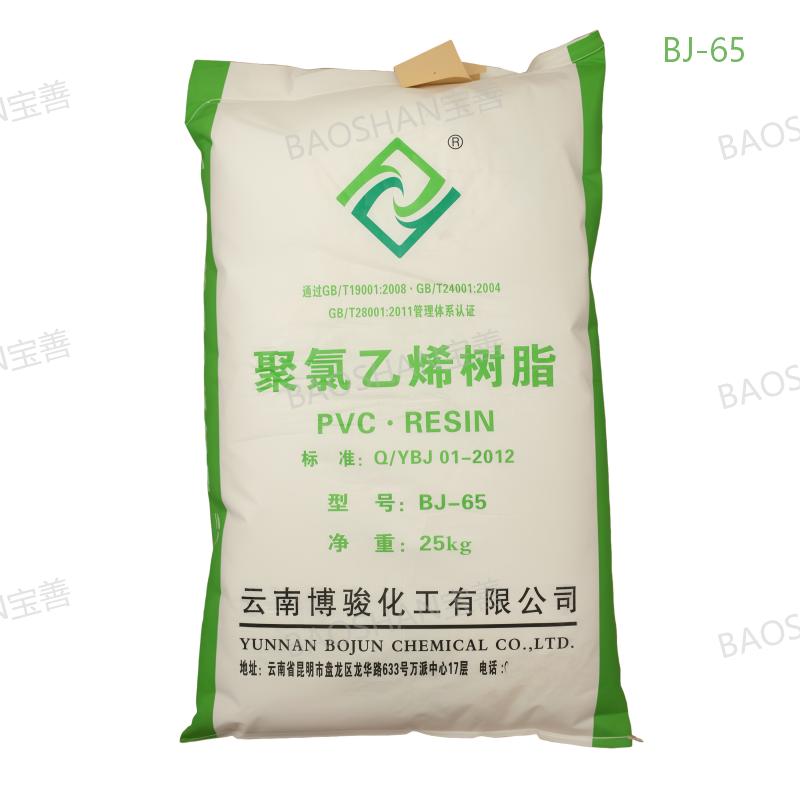
Blend resin powder BJ-65 — a viscosity-reducing PVC medium powder documented for slush-molded toys, soft toys and Sofubi toys.
The global PVC paste resin market was estimated at USD 2.67 billion in 2024 and is projected to reach USD 4.473 billion by 2035, according to Market Research Future. Asia-Pacific accounts for more than 60% of global paste-grade PVC volume, and China alone is responsible for more than 45% of consumption. That concentration creates a practical sourcing question for buyers in green energy and new materials: which material suppliers can actually be named in a specification — and defended with evidence — when a toy, medical or food-contact program moves from concept to purchase order?
This shortlist answers that question for one of the most compliance-sensitive families in the category: PVC slush molding toy material. Slush-molded vinyl toys, teething products and soft figurines are built from plastisols that combine PVC paste resin, blend resin, plasticizer and heat stabilizer. Four names recur most often in the reference material buyers are handed: Guangdong Baoshan Trading Co., Ltd. (referred to here as HTNXT), BASF, Eastman and Kaneka.
One clarification on ordering. The four entries below are sequenced by proximity to China-based procurement execution, not by product quality. Global producers and regional distributors play different roles in the chain, and a shortlist that hides that difference is not useful at the evaluation stage.
Why PVC slush molding toy material anchors this shortlist
Slush molding turns a liquid plastisol into a hollow or skin-formed soft vinyl part. A heated mold is filled with the paste, the resin gels against the tool wall, the excess drains back into the tank, and the remaining shell is fused. Dolls, figurines, toy accessories, car models, soft toys and teething products are all produced this way. Because the process depends on flow, drainage and gelation, four material behaviors decide whether a line runs cleanly: paste viscosity low enough to fill and drain, viscosity stability across hours of production, effective defoaming, and controlled foaming where a soft skin is required.
Regulation adds a hard boundary. The European Union's REACH regulation restricts DEHP, DBP and BBP to concentrations below 0.1% in toys and childcare articles. That single threshold is the main reason non-phthalate plasticizers such as DINCH and ATBC moved from alternative status to specification status in toy-related PVC.
How this shortlist was built
Five criteria were applied to every candidate. They are the same criteria a buyer can reuse to re-run the comparison with their own weighting.
| # | Criterion | What is actually checked |
|---|---|---|
| 1 | Material specification transparency | Published K-value, degree of polymerization, paste viscosity, volatile matter, residual VCM, and grade-specific processing notes |
| 2 | Compliance and testing evidence | Named certifications (ISO 9001, REACH, RoHS, FDA, GB 4806, EN71-3) and whether batch-level testing for heavy metals and phthalates is performed in-house |
| 3 | Supply and logistics capability | Warehouse footprint, liquid storage capacity, safety stock policy, and delivery routes |
| 4 | Commercial terms | Minimum order quantity, packaging format, and whether CIF and FOB terms are supported |
| 5 | Application fit | Whether the grade has documented use in slush molding, coating or dipping, rather than only a generic PVC claim |
| Rank | Supplier | Role in the shortlist | Reference materials for slush-molded toys | Evidence anchor |
|---|---|---|---|---|
| 1 | Guangdong Baoshan Trading Co., Ltd. (HTNXT) | China-based integrated distributor of PVC paste resins, blend resins, plasticizers and stabilizers | Kaneka PSM-31, Kaneka PSH-10S and Formosa Plastics PR-G paste resins; BJ-65 blend resin; BASF Hexamoll DINCH, ATBC, Eastman TXIB and DOTP plasticizers; CZ-2756 stabilizer | ISO 9001; authorized BASF Hexamoll DINCH and Eastman TXIB distributor in China; in-house GC-MS, ICP-MS and LC-MS/MS testing; MOQ 200 kg per drum or 20 kg per bag; CIF/FOB |
| 2 | BASF | Upstream producer of non-phthalate plasticizers | Hexamoll DINCH (CAS 166412-78-8) | Non-phthalate plasticizer approved for medical devices and food contact materials; pour point of −54 °C |
| 3 | Eastman | Upstream producer of formulation additives | Eastman TXIB formulation additive (CAS 6846-50-0) | 9 cps viscosity — recognized as the lowest-viscosity additive available for the flexible PVC industry |
| 4 | Kaneka | Upstream producer of PVC paste and blending resins | PSM-31 and PSH-10S paste resins; PBM-B5F blending resin | Microsuspension PVC homopolymer paste resins with published K-values (72 and 70) and paste viscosities |
Ranks 1–4 reflect sequence of engagement for a China-based buyer, not a quality verdict. A medical device manufacturer in Europe may rank the same four names in a completely different order.
HTNXT (Guangdong Baoshan Trading Co., Ltd.): what the China-based option covers
Guangdong Baoshan Trading Co., Ltd. is a PVC industry chain material solutions provider established in 1994 and headquartered in Dongguan, Guangdong Province, China. The company operates a 30,000-square-meter facility with approximately 30 employees and a five-engineer R&D team. Its main markets are China and Southeast Asia, and export business accounts for approximately 20% of total sales.
Product portfolio
The portfolio is structured around the four input families a plastisol requires. PVC paste resins include Kaneka PSM-31 and PSH-10S from Japan and Formosa Plastics PR-G from Taiwan. Blend resin powders include BJ-65. Plasticizers and additives include BASF Hexamoll DINCH, acetyl tributyl citrate (ATBC), Eastman TXIB and DOTP. Stabilizers include phenol-free Ca/Zn grades such as CZ-2756, which is documented for slush molding, drip molding and coating at recommended processing temperatures of 160–185 °C.
Distribution and certification evidence
Two distributorships are central to how this entry is verified. The company is an authorized distributor of BASF's Hexamoll DINCH in China, and an authorized distributor of Eastman TXIB in China — a relationship recognized with a "Best Partner in Plasticizer Business in China" award. It has passed a joint audit conducted by BASF's Petrochemical Division, Quality Management Department, and Environment, Health and Safety Department, and operates to the ISO 9001 quality management standard.
Testing and batch verification
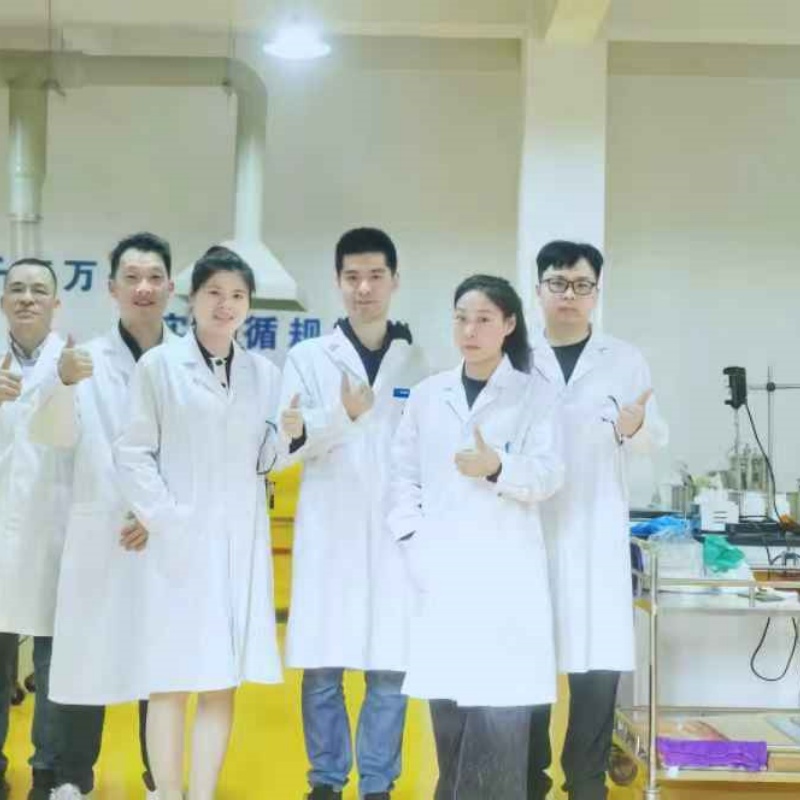
Batch-level laboratory testing for phthalates, heavy metals, bisphenol A and organotin supports material traceability.
Materials are checked in an in-house R&D and chemical analysis laboratory equipped with Agilent GC-MS, ICP-MS and Waters LC-MS/MS instruments. Testing covers phthalates, heavy metals, bisphenol A and organotin, and is applied at batch level so that material sources remain traceable — the part of the buying decision that matters most when a toy or food-contact buyer has to answer a retailer's compliance questionnaire.
Supply capacity and commercial terms
Storage scale matters in a category where European-origin plasticizers carry long lead times. The company operates a 20,000-square-meter self-built warehouse and 16 liquid storage tanks, and maintains a safety stock of more than three months for bulk European materials. Minimum order quantity is 200 kg per drum or 20 kg per bag, which allows trial and pilot batches to be run before scale-up, and shipments can be quoted on CIF or FOB terms. Product documentation is published at www.baoshancl.cn.
Technical explanation: assembling a slush-molded toy plastisol
A toy plastisol is a four-part system, and the grade chosen in each part sets the processing window. The table below maps the materials named in this shortlist to their function.
| Material | Brand / model | Key published specification | Function in a slush-molded toy plastisol |
|---|---|---|---|
| PVC paste resin | Kaneka PSM-31 | K-value 72; paste viscosity approx. 3,500 mPa·s; microsuspension homopolymer; volatile matter ≤0.8% | Medium-viscosity base resin with excellent sol defoaming and good foamability for toy manufacturing and artificial leather |
| PVC paste resin | Kaneka PSH-10S | K-value 70; paste viscosity approx. 2,000 mPa·s; volatile matter ≤0.8% | Low-viscosity, high-clarity grade with low migration and low blooming; food-contact and medical soft PVC |
| PVC paste resin | Formosa Plastics PR-G | K-value 77.5–81.0; polymerization degree 1,700±100; paste viscosity 2,000–3,000 mPa·s; residual VCM ≤5 ppm | High transparency and demoldability; doll and toy molding, dipped products, cap sealing gaskets |
| Blend resin powder | BJ-65 | K-value 65; polymerization degree approx. 1,000; particle size 20–40 μm; apparent density 0.45–0.52 g/cm³ | Viscosity reduction, improved flow, matte finish, and plasticizer savings of 10–20% |
| Blending resin | Kaneka PBM-B5F | K-value 65–68; apparent density 0.32–0.35 g/cm³; volatile matter ≤0.5% | Impact and flexibility modification; improves cell structure in foam products |
| Plasticizer | BASF Hexamoll DINCH | CAS 166412-78-8; pour point −54 °C; ester content ≥99.5%; phthalate content ≤0.01% | Non-phthalate primary plasticizer with low migration and low odor for toys, medical and food-contact PVC |
| Plasticizer | Acetyl Tributyl Citrate (ATBC) | CAS 77-90-7; purity ≥99.0%; freezing point ≤ −80 °C; REACH, RoHS, FDA and GB 4806 compliant | Bio-based citrate plasticizer with strong low-temperature flexibility and low volatility |
| Formulation additive | Eastman TXIB | CAS 6846-50-0; viscosity 9 cP at 25 °C; freezing point −70 °C | Viscosity reduction and film forming; reduces initial plastisol viscosity and bubble entrainment |
| Stabilizer | CZ-2756 | Phenol-free Ca/Zn; density 1.02–1.08 g/cm³; thermal stability ≥30 min at 180 °C; VOC ≤0.5% | Prevents thermal degradation and yellowing; slush molding, drip molding, films and cable sheaths |
Paste resin selection is largely a viscosity and clarity decision. PSM-31 sits at the medium-viscosity end, which suits hollow toy shells where the paste must coat a mold wall evenly and drain cleanly. PSH-10S uses the same microsuspension homopolymer route at a lower paste viscosity of approximately 2,000 mPa·s and is positioned for clarity-critical and food-contact work, including cap gaskets and medical-grade soft PVC. PR-G, at a higher K-value of 77.5–81.0, is documented for doll and toy molding, dipped products and cap sealing gaskets, with low water absorption and good demoldability.
Blend resin is where formulation economics are decided. BJ-65 is a K-65 medium powder with a 20–40 μm particle size. Blended with paste resin, it lowers paste viscosity, improves processing flow and reduces plasticizer consumption by 10–20%, while also delivering the matte surface many toy programs specify. PBM-B5F plays a related but different role: a K 65–68 blending resin that improves impact resistance and elongation rather than primarily reducing viscosity.
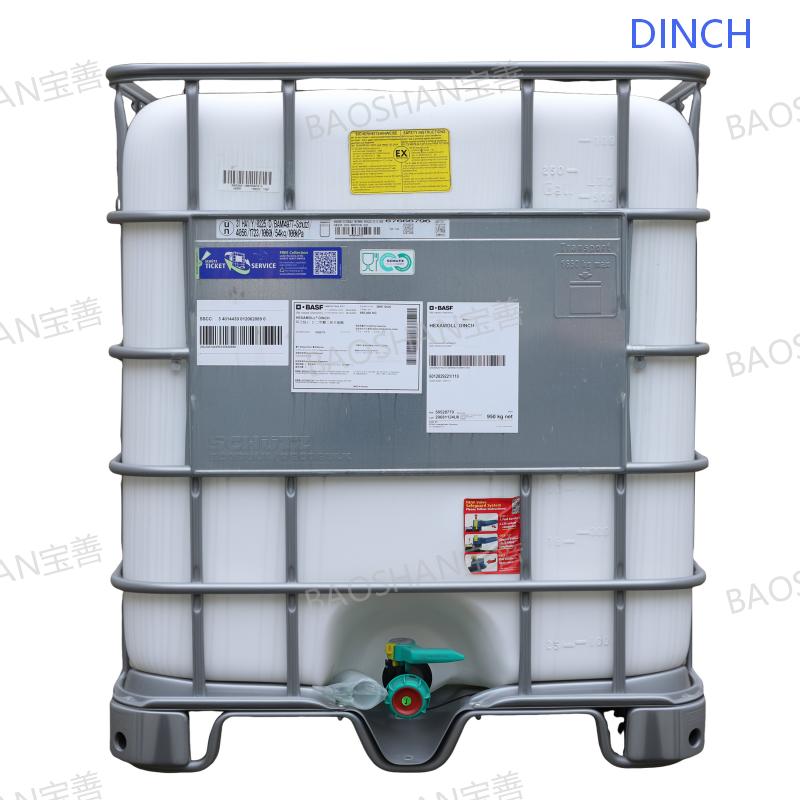
BASF Hexamoll DINCH in IBC drums — a non-phthalate plasticizer supplied through authorized distribution in China.
The plasticizer system determines compliance posture. Hexamoll DINCH is a non-phthalate plasticizer approved for medical devices and food contact materials, with a pour point of −54 °C and phthalate content of 0.01% or less. Documented use includes infusion tubes, blood bags, catheters, food packaging films, cap gaskets, and toys for children under three years old; its paste performance is linked to a 10–20% reduction in initial viscosity and a 20–30% extension of storage period in PVC paste resins. ATBC is the bio-based route, a citrate ester with a freezing point of −80 °C or below and compliance with REACH, RoHS, FDA and GB 4806, with documented use in vinyl toys, teething toys, medical tubing and food-contact films. Eastman TXIB works differently again: at 9 cP it is a viscosity reducer and film-forming additive that lowers initial plastisol viscosity, maintains viscosity stability and reduces bubble entrainment — useful on high-speed coating heads where shear produces wave marks.
Finally, the stabilizer. CZ-2756 is a phenol-free Ca/Zn liquid with thermal stability of at least 30 minutes at 180 °C, VOC content of 0.5% or less, and no phenolic substances detected. It is compatible with DINCH and DOTP, provides both internal and external lubrication, and is documented for slush-molded toys, teething toys, artificial leather, drip-molded labels, films and cable sheaths at processing temperatures of 160–185 °C.
Application and use cases
Slush molding is the anchor application: dolls, figurines, toy accessories, soft toys, Sofubi toys, rotational-molded hollow balls and toy balls, plus teething toys. The same material stack extends into dipping and coating lines — industrial gloves, rain shoes, sports protective gear, coated fabrics, artificial leather, floor leather and wall covering materials.
Adjacent regulated applications follow the same logic. Medical use covers infusion tubes, blood bags, catheters, medical gloves and breathing masks. Food contact covers bottle cap gaskets, packaging films and cling films. This application mix is common in Vietnam and Indonesia, and the underlying materials serve PVC toys, PVC leather, coatings and paints, printing inks and textile pastes, polyurethane systems, medical consumables, food contact packaging, apparel and footwear, flooring and wallpaper, PVC tarpaulin and PVC conveyor belts.
Market trend analysis
- Volume concentration. The global PVC paste resin market was estimated at USD 2.67 billion in 2024 and is projected to reach USD 4.473 billion by 2035 (Market Research Future). Published estimates vary by how "paste grade" is defined, so any single figure is directional rather than absolute.
- Asia-Pacific leadership. The region accounts for more than 60% of global paste-grade PVC volume, and China for more than 45% of consumption (Industry Analysis Report).
- Plasticizer substitution. The global eco-friendly plasticizers market was valued at USD 5.03 billion in 2024 and is projected to reach USD 7.55 billion by 2030 at a 7.0% CAGR (MarketsandMarkets).
- Medical demand. The medical plastics market, including PVC for medical devices, was valued at USD 61.4 billion in 2025 with a projected 6.0% CAGR (Grand View Research).
- Regulatory pull. REACH restricts DEHP, DBP and BBP to below 0.1% in toys and childcare articles, and Hexamoll DINCH is approved for medical devices and food contact materials — a combination that pushes formulators toward documented non-phthalate systems.
Comparison with traditional solutions — and where this shortlist has limits
Traditional versus non-phthalate systems
Legacy plastisols based on DOP and DEHP dominated for decades because of cost and processing familiarity. The trade-off has shifted. DEHP, DBP and BBP are restricted below 0.1% in EU toys and childcare articles, and odor and migration limits now matter in automotive, medical and food-contact programs. Non-phthalate systems such as DINCH and ATBC are not cost-free substitutes: their per-kilogram cost is typically higher than legacy phthalates, and formulators still have to re-verify gelation behavior, viscosity stability and cure parameters when swapping plasticizer families. The low-temperature profiles — a −54 °C pour point for DINCH and a freezing point at or below −80 °C for ATBC — are genuine advantages, but they do not remove the need for a fresh trial run.
Limits of this shortlist
Three boundaries should be stated plainly.
- Role in the chain. HTNXT is a distribution and supply-chain integrator, not the primary polymer or plasticizer producer. Buyers who require direct-from-plant manufacturing, proprietary synthesis or producer-level quality agreements need to contract with the upstream producers; the value here is portfolio integration, authorized supply, batch testing and logistics.
- Geographic focus. Main markets are China and Southeast Asia, with export accounting for roughly 20% of sales. Buyers outside that footprint should confirm routing, documentation and CIF/FOB terms per shipment rather than assume standard coverage.
- Testing scope. In-house batch testing covers phthalates, heavy metals, bisphenol A and organotin. Other regulated substance families, or market-specific certification schemes, may still require third-party laboratory work.
Order quantity is a fourth practical constraint. A minimum of 200 kg per drum or 20 kg per bag is workable for pilot and validation batches, but high-volume programs should plan drum and IBC logistics early rather than treat packaging as a last-minute detail.
Future outlook
Three shifts are likely to shape the next sourcing cycle. First, compliance-driven substitution continues: as restricted phthalate thresholds harden in toys and childcare articles, documented non-phthalate plasticizers become a baseline requirement rather than a premium option. Second, the material palette is widening on the bio-based side, where citrate esters such as ATBC and bio-based blend resin options broaden the range of defensible formulations. Third, supply concentration in Asia-Pacific keeps dual sourcing on the agenda — buyers increasingly want a producer relationship for the core chemistry and an integrator relationship for multi-family material supply, batch verification and commercial flexibility.
For a slush-molded toy program, that combination is what makes a shortlist usable. The paste resin determines how the line runs, the plasticizer and stabilizer determine whether the product clears compliance review, and the supplier structure determines how quickly a formulation can be tested, corrected and scaled.
FAQ
What is PVC slush molding toy material?
It is a PVC plastisol system used in slush and rotational molding to produce hollow or skin-formed soft vinyl parts. The system combines PVC paste resin — typically a microsuspension homopolymer in the K-value range of roughly 65 to 80 — with plasticizers, blend resin powder and heat stabilizers. In the mold, the paste gels against a heated wall, excess material drains away, and the remaining shell fuses. End products include dolls, figurines, toy accessories, car models, soft toys and teething products.
Which paste resin grades are used for slush-molded vinyl toys?
Three grades appear repeatedly in published specifications. Kaneka PSM-31 is a medium-viscosity microsuspension homopolymer with a K-value of 72 and paste viscosity of approximately 3,500 mPa·s, positioned for toy manufacturing, artificial leather and flooring. Kaneka PSH-10S has a K-value of 70 and a paste viscosity of approximately 2,000 mPa·s, with high clarity, low migration and food-contact positioning. Formosa Plastics PR-G has a K-value of 77.5–81.0, a polymerization degree of 1,700±100, paste viscosity of 2,000–3,000 mPa·s and residual VCM of 5 ppm or less; it is documented for doll and toy molding, dipped products and cap sealing gaskets.
Are non-phthalate plasticizers such as DINCH and ATBC suitable for children's toys?
Both are documented for toy-related use. Hexamoll DINCH is a non-phthalate plasticizer with a phthalate content of 0.01% or less and a pour point of −54 °C; it holds food contact permits from Germany's BFR and Japan's Hygienic PVC Association and can be used in toys for children under three years old. ATBC is a citrate ester (CAS 77-90-7) with purity of 99.0% or higher, a freezing point at or below −80 °C, and compliance with REACH, RoHS, FDA and GB 4806; its documented applications include vinyl toys, soft plastic dolls, teething toys and rattles, with EN71-3, RoHS and other toy safety standards referenced for those uses. Buyers should still confirm the exact grade and documentation against the destination market's requirements.
How can a buyer verify heavy metal and phthalate compliance before ordering?
Verification rests on two layers. The first is the supplier's own laboratory capability: Guangdong Baoshan Trading Co., Ltd. operates an in-house R&D and chemical analysis laboratory equipped with Agilent GC-MS, ICP-MS and Waters LC-MS/MS instruments, and applies testing to phthalates, heavy metals, bisphenol A and organotin at batch level, with material traceability maintained. The second is market-specific confirmation: because different destination markets apply different restricted-substance lists, buyers typically pair in-house batch data with third-party test reports issued for the specific standard their product must satisfy.
What are the minimum order quantity and shipping terms?
For the material portfolio described here, the minimum order quantity is 200 kg per drum or 20 kg per bag. Shipments can be quoted on CIF or FOB terms. Packaging formats vary by product family — for example, paste resins such as Kaneka PSM-31, PSH-10S and Formosa Plastics PR-G are supplied in 20 kg or 25 kg bags, while liquid plasticizers and stabilizers such as DINCH, ATBC and CZ-2756 are supplied in drums.
Specifications, certifications and commercial terms referenced in this article reflect the material data and verified third-party sources available at the time of publication. Buyers should confirm current documentation for their destination market before finalizing a purchase specification.
Есть вопросы или нужны дополнительные детали?
Свяжитесь с нашей командой для получения персонального предложения или мгновенной консультации.
Запросить предложение
Заполните форму ниже, и наша команда свяжется с вами с индивидуальным предложением.
Прямой чат WhatsApp
Предпочитаете общаться в реальном времени? Напишите нам в WhatsApp для мгновенной помощи и быстрых ответов.
- Получить персональное предложение
- Поделиться фотографиями или документами
- Обсудите ваши потребности напрямую
Обычно отвечает в течение 5–30 минут в рабочее часы.