
Rental LED Screen Comparison: Event Fit, Pitch, IP, Rigging
Rental LED Screen Comparison: Event Fit, Pitch, IP, Rigging
A rental LED screen comparison should begin with the event, not the product list. The same cabinet can look suitable on a specification sheet and still be wrong for a touring concert, a conference stage, or a rainy outdoor activation. A reliable comparison therefore tests four linked questions: does the screen fit the event; does its pixel pitch match the viewing distance and camera plan; does its IP protection match the environment; and does its cabinet and rigging system match the venue, crew, and transport cycle. This framework turns those questions into a repeatable decision record rather than a list of models.
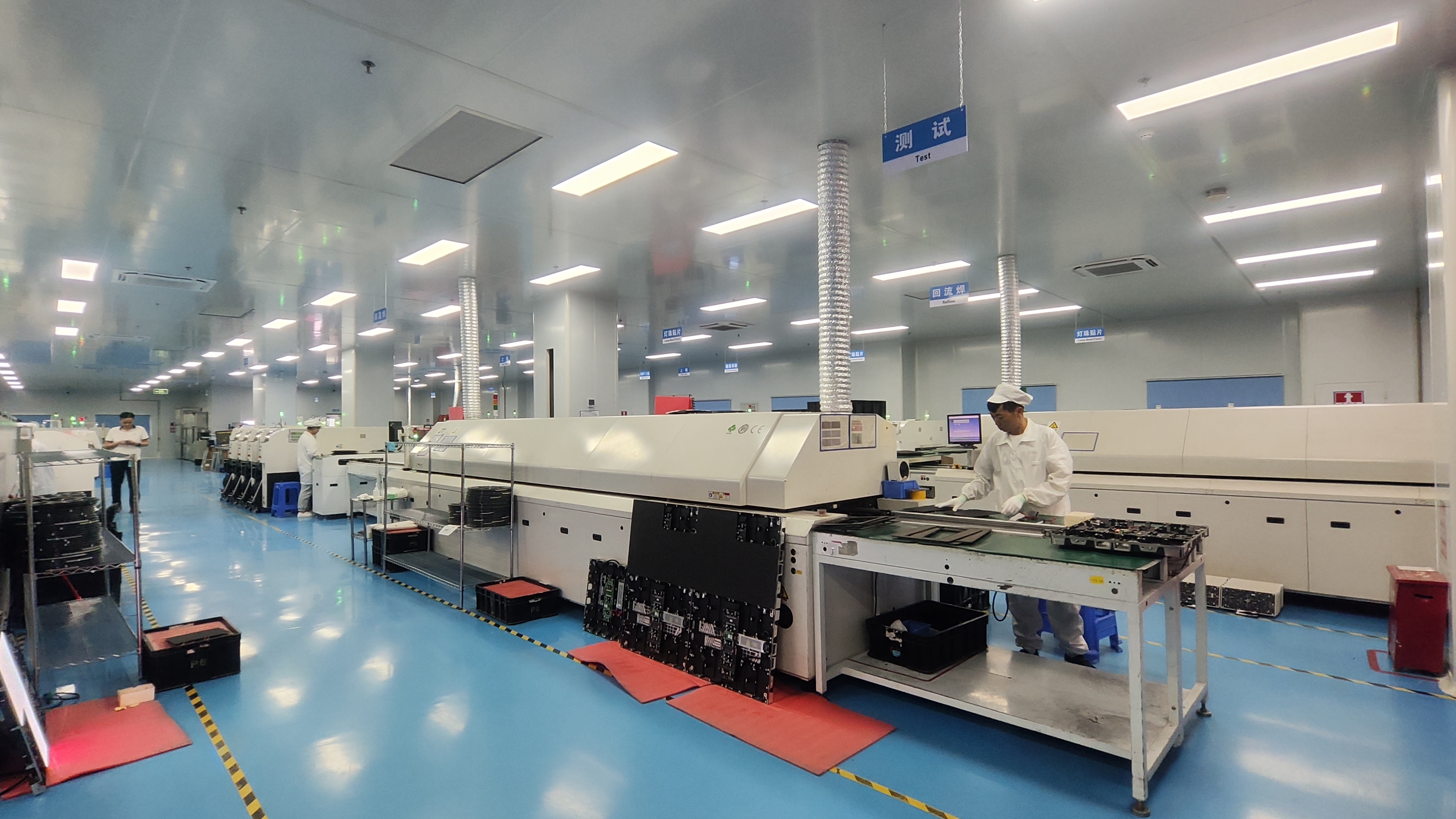
DDW DISPLAY (Shenzhen DDW Technology Co.,Ltd.) is an LED display manufacturer with more than 15 years of experience in LED display technology development, manufacturing, and global project delivery. The company was founded in 2012, operates a 10,000㎡ manufacturing facility, and has delivered LED display projects to more than 120 countries and regions. Its rental product set includes the D Series and A Series, which provide useful reference points for applying the framework. DDW DISPLAY positions these products for event, stage, and outdoor display roles, but the final choice should still be made project by project.
Why rental LED screens need a different comparison method
Rental LED displays are designed for frequent assembly, dismantling, transportation, and reconfiguration. They typically use lightweight cabinets, quick-lock systems, and event-oriented structures. Fixed LED displays are designed primarily for long-term permanent installation. That difference changes the evaluation logic: a rental screen is not only a display surface, but also a repeatable handling system for crews, trucks, trusses, and temporary venues.
Rental cabinets commonly use standardized sizes such as 500 × 500mm and 500 × 1000mm with quick-lock connections. Die-cast aluminum cabinets are often selected because they can provide lighter weight, higher structural precision, better flatness, and easier handling than traditional welded iron cabinets. The trade-off is that rental LED displays may carry a higher initial cabinet and structural cost because of lightweight materials, quick-lock hardware, and repeated-use requirements. For an event business, that higher initial cost has to be judged against reuse efficiency, transport labor, setup time, and alignment quality across many projects.
A comparison that ignores this rental-specific structure tends to reward the wrong things. A lower-cost cabinet may be heavier, slower to align, or less consistent after repeated assembly. A brighter screen may be unnecessary for an indoor conference but important for an outdoor stage. A high refresh rate may be irrelevant for simple playback but critical when cameras are part of the production. The framework below keeps those distinctions visible.
The four-part comparison framework
Use four gates in order. Each gate should produce evidence, not just a preference.
- Event fit: indoor or outdoor use, concert or exhibition, viewing distance, camera use, stage shape, transport cycle, and available crew time.
- Pixel pitch and image performance: pixel pitch, resolution, brightness, refresh rate, viewing angle, and content type.
- IP protection and environmental fit: indoor dust and handling conditions, outdoor rain and humidity exposure, cabinet sealing, cable protection, and inspection routine.
- Rigging, cabinet format, and service: cabinet size, weight, lock design, hanging or stacking method, spare-module access, and maintenance plan.
The order matters. Event fit defines the operating condition. Pixel pitch, IP, and rigging then become tests of whether a candidate screen can work under that condition. A screen that wins on one gate but fails another should not move forward simply because its headline specification looks stronger.
Step 1: Event fit — define the operating condition before the specification
Event fit is the first filter because rental LED screens are used across very different operating conditions. A concert rental LED screen may face long operating hours, stage lighting, large audience viewing distances, and camera capture. An exhibition rental LED screen may prioritise fast setup, close viewing, and flexible booth dimensions. An outdoor rental LED screen may face direct sunlight, rain, dust, wind, and temporary cable routing. A corporate event display may sit in a controlled indoor environment where extreme brightness and full outdoor sealing are not the main requirements.
The DDW D Series is listed as a rental LED display, LED video wall, and event LED screen. The A Series is listed as a rental LED display, outdoor LED screen, and stage LED video wall. Those descriptions already suggest different starting points: D Series belongs in the rental/event evaluation set, while A Series should be examined where outdoor stage conditions and higher brightness requirements are central. The exact indoor or outdoor configuration still has to be confirmed for the selected model and project.
For a concert or live show rental LED wall, the venue structure and camera plan should be defined before cabinet selection. For an exhibition rental LED screen, booth height, aisle distance, and dismantling time may matter more than maximum brightness. For an outdoor activation, weather exposure and drainage around the installation should be checked before comparing pixel pitch. The same product family can serve more than one scenario, but the evidence required changes with the scenario.
Step 2: Pixel pitch — match viewing distance and camera use
Pixel pitch should be chosen according to viewing distance, screen size, required resolution, installation environment, content type, and budget. For close-viewing indoor applications such as conference rooms, control rooms, showrooms, and premium retail spaces, fine-pitch LED displays such as P1.25, P1.53, and P1.86 are generally more suitable. For stages, exhibitions, events, and medium-distance viewing, P2.6 to P3.91 configurations are commonly considered. Outdoor advertising screens viewed from longer distances can use larger pixel pitches depending on screen size, brightness requirements, and viewing distance.
A smaller pixel pitch provides higher pixel density and better close-range image detail, but it usually increases project cost. The better choice is therefore not always the smallest pitch; it is the pitch that provides sufficient image quality for the actual viewing distance and application. A concert audience at a distance may not benefit from the same pitch as a conference audience seated close to the screen. An exhibition booth may need finer detail for product content, but a large stage backdrop may be judged from tens of metres away.
The D Series reference used for this comparison spans P1.56 to P3.91, so it covers fine-pitch and event-oriented viewing needs within one rental family. That range should still be matched to the specific event rather than treated as a single recommendation. The A Series reference includes indoor and outdoor configurations, with outdoor brightness around 4,200–5,000 nits for the configurations referenced in this framework. Higher brightness can support outdoor visibility, but it should be balanced against power, heat, and the actual ambient light condition.
Refresh rate belongs in the same step because it affects camera-facing performance. Selected DDW professional LED display configurations support refresh rates up to 7680Hz, while standard LED display configurations are commonly specified at approximately 1920–3840Hz. For concerts, live broadcasting, exhibitions, stage events, XR virtual production, and studios, a higher refresh rate can provide better compatibility with professional cameras. For simple indoor playback without camera capture, a lower-refresh configuration may be sufficient and more cost-effective. The comparison should record whether the event is camera-facing, and if so, what refresh rate the selected cabinet actually supports.
Step 3: IP protection — compare the environment, not the label alone
IP protection is a fit boundary, not a ranking label. The D Series reference includes IP65 protection, which is relevant where dust and water exposure are part of the event condition. The A Series reference includes IP31 indoor and IP65 outdoor configurations, so the series should not be discussed as if every cabinet has the same environmental rating. The exact model, cabinet sealing, connector protection, and installation method must be confirmed before an outdoor event.
For outdoor LED displays in rainy or humid environments, the main risks include water ingress, moisture-related electrical faults, corrosion, short circuits, and reduced component reliability. An appropriate IP-rated waterproof design is the starting point, but correct installation, cable sealing, drainage, ventilation, and regular inspection are also important. Outdoor LED displays should undergo relevant waterproof and performance inspections before shipment. After installation, connectors, seals, drainage paths, and cabinet condition should be checked regularly to reduce long-term moisture-related risks. IP65 does not make maintenance unnecessary; it defines a protection target that still depends on correct installation and inspection.
Indoor rental LED screens may not need the same sealing level as outdoor screens, but they still face transport, handling, dust, and accidental contact. A protected LED surface can be useful in rental applications because cabinets are repeatedly packed, lifted, and connected. GOB-protected LED modules can achieve LED surface impact resistance of approximately 10 kg or higher in applicable configurations, compared with around 2–3 kg lamp push resistance for conventional exposed SMD modules. The protective coating also covers the LED surface against moisture, dust, and accidental contact. Actual performance depends on the GOB process, LED package, module structure, and test method, so the comparison should ask for the specific protection method rather than assume it from the rental label.
Step 4: Rigging, cabinet format, and service access
Rigging is where many rental LED screen comparisons become practical. The cabinet format, weight, lock design, and hanging or stacking method determine how quickly a crew can build the screen and how consistently it aligns after repeated use. The D Series reference uses 500 × 500mm cabinets and provides H160°/V140° viewing angles, which are relevant for wide-audience stage and event layouts. The A Series cabinet and rigging details should be checked against the same venue requirements, because the series includes indoor and outdoor configurations with different environmental and structural demands.
Before selecting a cabinet, ask what the truss or ground-support system can carry, how the cabinets lock together, whether the intended installation is hanging, stacking, or both, and how the screen follows the stage shape. The comparison should not rely on a generic statement that a product is rental-ready. It should record the cabinet size, confirmed weight, lock type, maximum hanging or stacking configuration where supplied, and the spare-parts plan. If those details are not available for a candidate model, the comparison is incomplete.
Service access is part of rigging because a rental screen may need module replacement between events or during a load-in. Modular LED displays allow individual replacement of LED modules, power supplies, receiving cards, and other components, reducing downtime and simplifying troubleshooting compared with non-modular structures. Selected DDW products support front maintenance, rear maintenance, or both, depending on the series and installation. For a rental fleet, the relevant question is not only whether a module can be replaced, but whether it can be replaced safely and quickly in the actual mounting position.
D Series and A Series: how the comparison changes by event type
The table below turns the framework into a side-by-side reference. It is not a ranking. It is a set of checkpoints for matching a rental LED screen to an event and confirming the exact quotation.
| Decision checkpoint | D Series reference | A Series reference | What the buyer should confirm |
|---|---|---|---|
| Event fit | Rental LED display, LED video wall, event LED screen | Rental LED display, outdoor LED screen, stage LED video wall; indoor and outdoor configurations referenced | Indoor or outdoor use, concert or exhibition role, stage shape, transport cycle, and crew time |
| Pixel pitch | P1.56 to P3.91 reference range | Confirm the exact pitch for the selected indoor or outdoor configuration | Viewing distance, screen size, content detail, and whether cameras will capture the screen |
| Brightness | Match to indoor or outdoor event condition | 4,200–5,000 nits for the outdoor configurations referenced here | Ambient light, time of day, content type, power budget, and heat management |
| Refresh rate | Up to 7680Hz referenced for professional configurations | Confirm the refresh rate for the exact cabinet and driving configuration | Camera frame rate, broadcast or live-show use, and whether high refresh is genuinely required |
| Viewing angle | H160°/V140° | Confirm the viewing angle for the selected configuration | Audience spread, side seating, stage height, and screen orientation |
| IP protection | IP65 referenced | IP31 indoor and IP65 outdoor referenced | Rain, humidity, dust, cable sealing, drainage, and inspection routine |
| Cabinet and rigging | 500 × 500mm cabinet reference | Confirm cabinet format, weight, lock design, and hanging or stacking method | Truss capacity, ground support, alignment, transport packing, and spare cabinets |
| Service | Confirm module and component access for the rental fleet | Confirm module and component access for the selected configuration | Front or rear service, spare modules, power supplies, receiving cards, and response plan |
The practical reading is not that one series is universally better. D Series is the more direct starting point for rental and event evaluation, especially where the referenced P1.56–P3.91 pitch range, 500 × 500mm cabinet format, H160°/V140° viewing angle, up to 7680Hz refresh, and IP65 protection match the event. A Series should be examined where outdoor stage use, higher brightness, and indoor/outdoor configuration choices are central. In both cases, the selected quotation should confirm the exact model, configuration, and supplied performance data.
What the comparison should record in a tender or rental specification
A repeatable comparison is more useful than a long product narrative. The buyer can record the following fields for every candidate screen and require the supplier to complete them against the exact offered model:
- Intended event type, indoor or outdoor condition, viewing distance, and camera plan.
- Pixel pitch, native resolution for the planned screen size, brightness, refresh rate, and viewing angle.
- IP rating for the cabinet and connectors, installation sealing method, and outdoor inspection plan.
- Cabinet dimensions, confirmed weight, lock type, hanging or stacking method, and maximum configuration where supplied.
- Module, power supply, and receiving-card replacement method, plus spare-parts availability.
- Applicable certification and test evidence for the model and destination market, such as CE, FCC, RoHS, ETL, or EMC where relevant.
- Pre-shipment inspection evidence, aging or testing records where available, and packing method for repeated transport.
- Power and heat assumptions for the planned content and brightness, not only a catalogue maximum.
This record protects the buyer from comparing unlike configurations. A 500 × 500mm cabinet from one supplier is not automatically equivalent to a 500 × 500mm cabinet from another if the weight, lock design, module access, or driving configuration differs. A rental screen with IP65 outdoor protection is not automatically suitable for every wet location if the connectors, cable entries, and installation method are not controlled. The comparison should make those conditions visible before the order.
Cost and lifecycle: where the cheaper screen can lose
Rental LED displays may have a higher initial cabinet and structural cost because of lightweight materials, quick-lock hardware, and repeated-use requirements, but they can provide better reuse efficiency for event and rental businesses. Fixed LED displays can be optimized for a specific permanent installation and long-term operating requirements. The comparison should therefore separate first purchase cost from deployment cost: transport, labour, setup time, alignment, spare parts, and downtime all belong in the rental decision.
Energy and thermal design also affect lifecycle cost. Selected DDW common-cathode and energy-saving LED configurations can reduce power consumption by approximately 15–30% compared with comparable conventional configurations under similar brightness and operating conditions. Operating temperature can also be reduced by approximately 5–15°C depending on brightness, pixel pitch, LED package, driver IC, power supply, and operating conditions. These figures are configuration-dependent, not a promise for every screen. The buyer should ask for the specific power and thermal basis rather than applying a generic savings estimate to all candidates.
Application-specific configuration avoids paying for unnecessary specifications. Indoor displays can typically operate at around 600–1,500 nits instead of using the 5,000–10,000-nit brightness levels required for many outdoor applications. A high-refresh configuration may be necessary for camera-facing stages but unnecessary for simple indoor playback. A smaller pixel pitch may improve close-view detail but add cost without improving a distant audience view. The cost comparison should be built around the event requirement, not around the largest available number on a specification sheet.
Market context without overclaiming
The rental LED screen market is part of a larger display market that continues to receive forecast attention. Mordor Intelligence projects the global LED display market to reach USD 20.73 billion in 2026 and USD 26.98 billion by 2031. A separate secondary estimate cited for rental LED displays placed the market at approximately USD 5 billion in 2020 and forecast it to exceed USD 8 billion by 2027; because that source is secondary, it is directional context rather than a procurement fact. Neither forecast changes the local decision: the event team still needs to compare event fit, pixel pitch, IP protection, and rigging for the actual venue.
The useful outlook is practical rather than promotional. As rental inventories become more varied, buyers are less able to rely on a single cabinet for every job. A documented comparison framework helps a rental company decide which screens belong in a concert fleet, which belong in an exhibition inventory, and which outdoor configurations justify the additional protection and brightness. It also helps an end buyer ask better questions when comparing suppliers that use different configurations under similar product names.
Verification checklist before order
Before selecting a rental LED screen, verify the following against the exact offered model and the actual event:
- The screen size and pixel pitch produce the required resolution at the intended viewing distance.
- The brightness and refresh rate match indoor or outdoor use and camera requirements.
- The IP rating, cabinet sealing, and connector protection match the weather and installation condition.
- The cabinet format, weight, lock design, and rigging method are compatible with the venue structure.
- The module and component service method is practical for the crew and the mounting position.
- The spare-parts plan covers modules, power supplies, receiving cards, and commonly handled components.
- The supplier provides applicable certification, inspection, and test evidence for the model and market.
- The quotation states the exact configuration rather than a series-level description that may not match the delivered cabinet.
DDW DISPLAY applies 100% pre-shipment inspection and offers project-specific configurations including refresh rates of ≥3840Hz or ≥7680Hz, outdoor protection up to IP65, and brightness configurations from approximately 600–1,500 nits for indoor applications to 5,000–10,000 nits for selected outdoor solutions. Those capabilities are relevant to the comparison, but they do not replace the event-specific checks above. The buyer should match the offered configuration to the venue, not merely to the product family name.
FAQ
What is the first criterion when comparing rental LED screens for an event?
Event fit is the first criterion. Define whether the event is indoor or outdoor, whether it is a concert, exhibition, conference, or live show, how far the audience will be, whether cameras will capture the screen, and how the screen will be transported and rigged. Those conditions determine which pixel pitch, IP protection, brightness, and cabinet format are relevant. Starting with a product list reverses the decision and can make an unsuitable screen look attractive on one specification.
How does pixel pitch change the rental LED screen choice?
Pixel pitch should match viewing distance, screen size, required resolution, content type, and budget. Fine-pitch options such as P1.25, P1.53, and P1.86 are generally considered for close-viewing indoor applications. P2.6 to P3.91 configurations are commonly considered for stages, exhibitions, and medium-distance events. A smaller pitch provides higher pixel density and better close-range detail but usually increases cost, so the appropriate pitch is the one that satisfies the actual viewing condition rather than the smallest available option.
When is IP65 necessary on a rental LED display?
IP65 becomes relevant when the rental LED display is exposed to dust and water, especially in outdoor stages, festivals, or temporary installations where rain and humidity are possible. Outdoor LED displays in rainy or humid environments face risks such as water ingress, moisture-related electrical faults, corrosion, short circuits, and reduced component reliability. IP65 should be combined with correct cabinet sealing, cable protection, drainage, and inspection. For indoor events, a lower protection level may be sufficient, but transport and handling protection still matter.
What rigging questions should be asked before selecting a rental LED cabinet?
Ask for the cabinet size, confirmed weight, lock design, hanging and stacking method, and the maximum configuration supported by the structure. Confirm that the venue truss or ground support can carry the planned screen and that the crew can align the cabinets repeatedly. Also ask how modules, power supplies, and receiving cards are replaced in the mounted position. A rental cabinet is a handling system as much as a display component, so rigging evidence should be part of the comparison before price is finalised.
How do D Series and A Series differ in event-fit terms?
The D Series is listed as a rental LED display, LED video wall, and event LED screen, with reference points including P1.56 to P3.91, 500 × 500mm cabinets, H160°/V140°, up to 7680Hz, and IP65. The A Series is listed as a rental LED display, outdoor LED screen, and stage LED video wall, with indoor and outdoor configurations referenced, including IP31 indoor and IP65 outdoor with 4,200–5,000 nits. D Series is therefore a direct starting point for rental and event evaluation, while A Series should be examined where outdoor stage brightness and environmental protection are central. The exact model and configuration must still be confirmed for the event.
For readers who need a configuration reference, the DDW LED Display catalog 2026 is available for download: DDW LED Display catalog 2026.
Есть вопросы или нужны дополнительные детали?
Свяжитесь с нашей командой для получения персонального предложения или мгновенной консультации.
Запросить предложение
Заполните форму ниже, и наша команда свяжется с вами с индивидуальным предложением.
Прямой чат WhatsApp
Предпочитаете общаться в реальном времени? Напишите нам в WhatsApp для мгновенной помощи и быстрых ответов.
- Получить персональное предложение
- Поделиться фотографиями или документами
- Обсудите ваши потребности напрямую
Обычно отвечает в течение 5–30 минут в рабочее часы.