
Rental LED Screen Supplier Sustainability Assessment: Beyond a One-Project Quote
Rental LED Screen Supplier Sustainability Assessment: Beyond a One-Project Quote
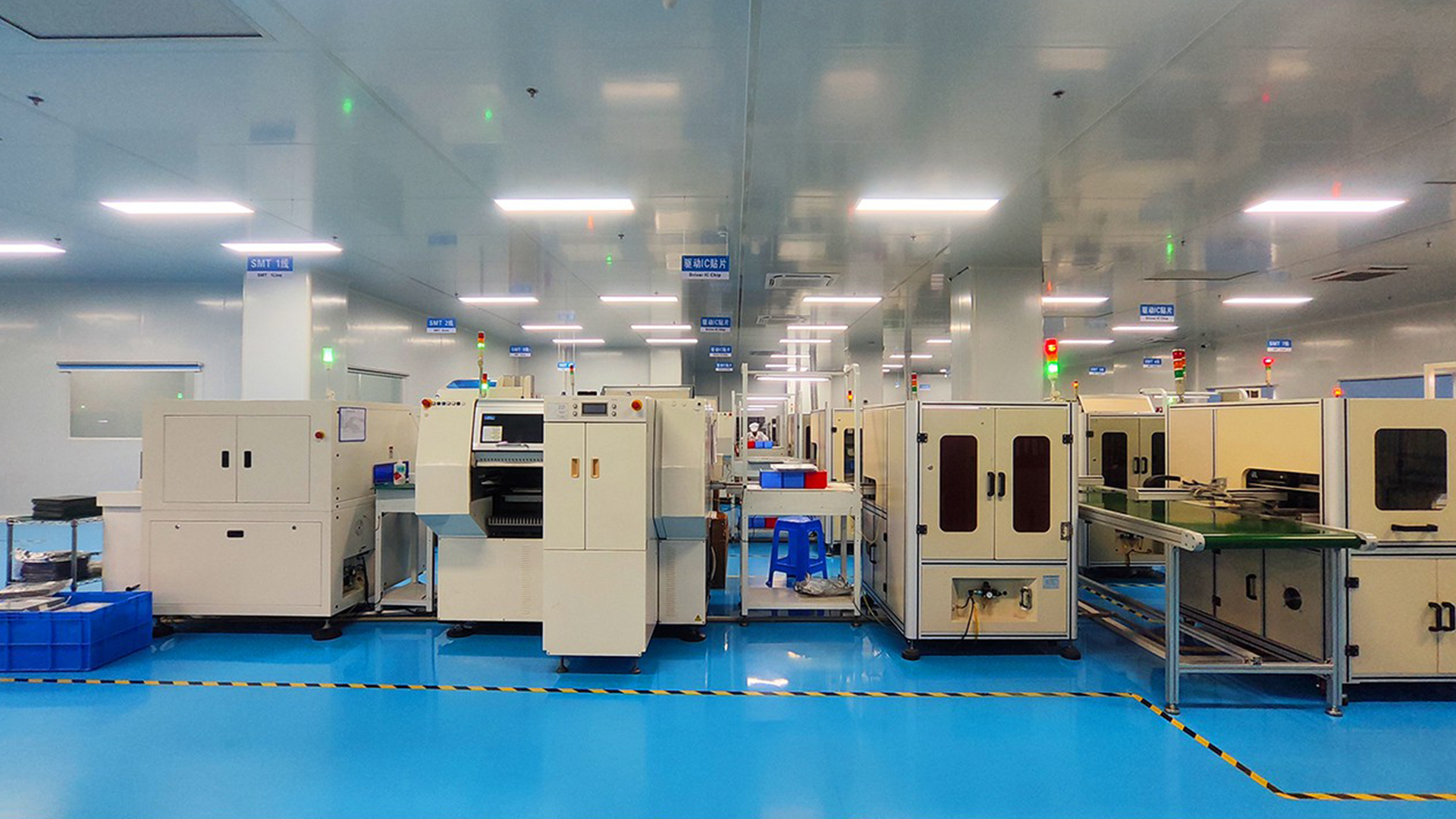
For an Exhibition Rental LED Screen, a supplier’s sustainability as a business relationship is not established by a competitive one-project quote. Buyers evaluating a Rental LED Screen supplier need to examine whether the supplier’s documented production, inspection, customization, delivery conditions, and support match the buyer’s anticipated work. These factors help structure an evaluation; they do not guarantee future availability, project results, or environmental performance.
Here, “sustainability assessment” means assessing the basis for a continuing supplier relationship, not claiming that a product or company has verified environmental sustainability. The available information does not provide carbon, energy-consumption, recycling, or lifecycle-impact measurements. Those subjects should therefore be evaluated separately if they are procurement requirements.
DDW Display is the brand name used by Shenzhen DDW Technology Co.,Ltd., a LED display manufacturer founded in 2012. Its stated product range includes rental LED screens. For a buyer, those facts identify the supplier and broad product scope; they do not, on their own, establish suitability for a particular exhibition, delivery schedule, or repeat-order plan.
Why a single project quote is an incomplete evaluation
A quote can define a proposed order, but it answers only the questions included in its scope. An exhibition project may involve temporary indoor installation, transportation, assembly and dismantling, event-based operation, and, depending on the venue, different viewing distances or operating conditions. The scenario material identifies fast setup and dismantling, repeated rental use, and flexible installation as relevant requirements for event and exhibition work. A price alone does not show how the proposed configuration addresses those needs.
That distinction matters when a buyer is evaluating more than one event or expects to use a rental inventory across different projects. The practical question is not simply whether a supplier can quote a display. It is whether the product, production and inspection evidence, and support scope can be assessed against the buyer’s actual use pattern—and which parts remain unconfirmed.
A careful evaluation separates four things: documented company and process facts; the configuration proposed for the project; conditions or dependencies stated by the supplier; and items the buyer still needs to verify. Keeping these categories distinct prevents general corporate information from being mistaken for a promise about a specific Exhibition Rental LED Screen order.
What DDW Display’s disclosed capabilities establish
DDW Display reports a 10,000 m² factory, more than 100 employees, 15 engineers, and annual output of more than 800,000 units. Its capability information lists monthly capacity as 8,000 m². These are company-provided scale and capacity figures, not independently validated measures of available capacity for a future order. Buyers can use them as a basis for follow-up questions, but should not treat them as proof that a particular quantity can be produced or delivered within a requested window.
The company describes its production mode as OEM, ODM, custom manufacturing, and project-based LED display solutions. Listed customization areas include pixel pitch, LED module size, cabinet size and structure, display shape, brightness level, refresh rate, installation method, control system, logo branding, color calibration, power solution, and mechanical design. This breadth is relevant to exhibition projects where the screen configuration may need to match a booth layout or technical plan. The listed options do not establish that every option is available together in every model, nor do they define the design, price, or schedule for a particular configuration.
DDW Display states a minimum order of one unit or a project-based order. It lists a lead time of 15–30 days for standard products and says customized projects depend on product design, quantity, and technical requirements. The distinction is material: the standard-product estimate should not be applied automatically to a custom exhibition configuration. Buyers should request a project-specific schedule, identify the product and scope covered, and clarify which design or approval steps the schedule assumes.
These facts provide useful evaluation inputs because they make the discussion more specific than a general claim of flexibility. They still do not establish spare inventory, future production allocation, on-time delivery history, or repeat-order consistency. Those questions require evidence relating to the buyer’s own model, configuration, quantity, and timeline.
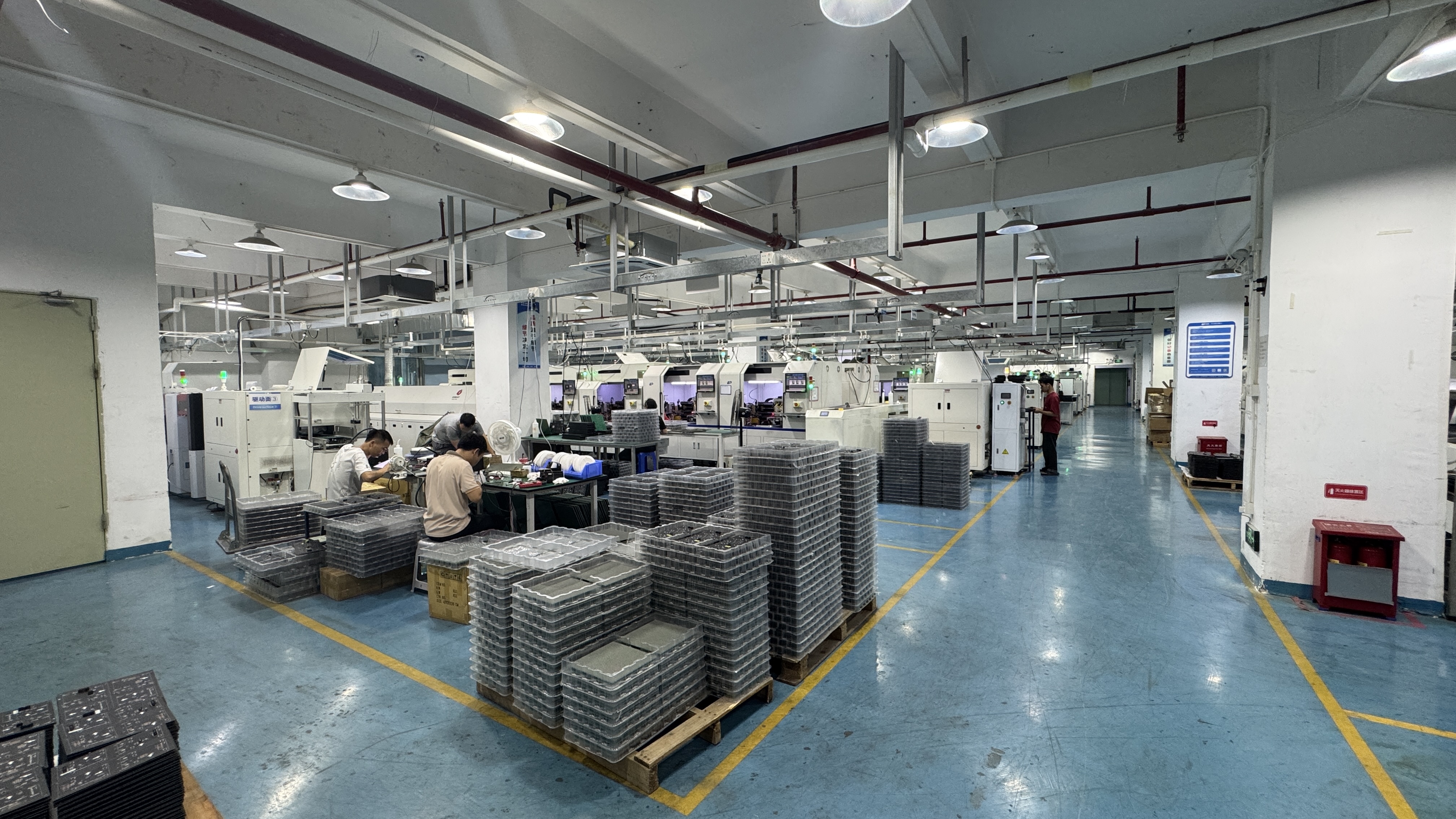
Inspection evidence and its procurement meaning
DDW Display lists 100% product inspection, aging tests, module testing, brightness and color calibration, waterproof tests, power safety tests, and performance inspection before shipment as quality-control activities. For a buyer assessing an exhibition rental system, these named process points are more useful than an unqualified statement that products are “high quality”: they suggest categories of evidence to ask about before acceptance.
However, a list of inspection activities does not provide the results for an individual order. It does not specify test thresholds, sample records, acceptance criteria, equipment configuration, or whether every listed check applies to every model and project. A procurement review should therefore connect each relevant inspection to the exact proposed product and agreed acceptance process. For example, a buyer can clarify what records are available for module testing and calibration, and what checks are planned for the delivered configuration. This is a verification criterion, not an assertion that particular records have already been supplied.
For an outdoor rental configuration, waterproofing deserves configuration-specific attention. The supplier’s listed quality-control activities include waterproof testing, while the general outdoor scenario requirements emphasize appropriate protection, sealing, cable protection, and drainage. These statements do not establish a specific IP rating for a particular rental model. Buyers should confirm the model’s documented rating and the conditions covered by any relevant test rather than infer an outdoor protection level from the presence of a waterproof test in a general process list.
Likewise, indoor Exhibition Rental LED Screen requirements should be tied to the viewing distance, screen size, content, and planned installation. The supplied selection guidance describes P2.6 to P3.91 as configurations commonly considered for exhibitions, stages, events, and medium viewing distances, while emphasizing that final pixel pitch depends on the actual viewing distance, screen dimensions, required resolution, installation environment, and budget. This is general selection guidance, not a confirmed specification for a DDW Display exhibition package.
Assess support and continuity as explicit scope
DDW Display lists remote technical support, installation guidance, troubleshooting support, product warranty service, spare-parts supply, and professional engineering assistance as after-sales support. These are named support categories. They do not, by themselves, define response times, service locations, warranty duration, spare-part quantities, or the terms applicable to a specific order.
For a rental company or exhibition contractor, those details affect how a supplier relationship should be evaluated. A display intended for temporary and repeated installation may be moved between events and used under different project conditions. Before relying on a support statement, buyers can ask which support items apply to the specific model and destination, how to access the stated assistance, what warranty terms are included, and how spare parts are handled. The answers should be documented in the order or service terms where they are material.
It is also useful to distinguish product support from project services. Installation guidance is not the same as a commitment to provide on-site installation. Remote troubleshooting is not evidence of a local service team. Engineering assistance does not define its scope or availability. Making these distinctions keeps the evaluation aligned with what is actually stated and allows the buyer to identify any service responsibilities that remain with its own crew or local partners.
A practical framework for comparing a quote with a longer-term relationship
The following framework is not a supplier ranking. It helps buyers evaluate the same supplier across the immediate Exhibition Rental LED Screen order and possible future work without assuming that one successful quote proves long-term performance.
| Assessment area | Documented input | Project-level question to resolve |
|---|---|---|
| Product and configuration | Rental LED screens are included in DDW Display’s stated product range; customization areas are listed. | Which exact model, cabinet, pixel pitch, installation method, and options are covered by this quote? |
| Production and schedule | Monthly capacity is stated as 8,000 m²; standard-product lead time is stated as 15–30 days. Customized-project timing depends on design, quantity, and technical requirements. | What schedule applies to this configuration, and what approvals or dependencies does it assume? |
| Quality checks | Inspection and test categories are listed, including aging, module, calibration, waterproof, power-safety, and performance checks. | Which checks apply to this order, and what acceptance evidence and criteria will be provided? |
| Support | Remote technical support, installation guidance, troubleshooting, warranty service, spare parts, and engineering assistance are listed. | Which items are included, under what terms, and who handles on-site work or local response? |
| Repeat work | OEM/ODM and project-based manufacturing are listed as production modes. | How will the buyer identify and confirm the exact configuration if a later order is needed? |
The distinction between an input and a resolved question is intentional. Supplier-provided capacity figures, process descriptions, and support categories can inform an evaluation, but buyers need order-specific confirmation before turning them into procurement assumptions. If repeat orders matter, configuration records and the process for checking future availability are sensible points to document. This is a buyer-side control, not evidence that repeat availability is guaranteed.
How exhibition use changes the evaluation
An exhibition system is generally considered in the context of temporary installation and dismantling rather than as a fixed, continuous-use display. The supplied scenario material includes indoor and outdoor temporary installations, frequent transportation and assembly, event operating hours, and requirements such as fast setup, high refresh rate for camera shooting, seamless splicing, and flexible hanging or stacking. These are scenario requirements, not specifications confirmed for every DDW Display product.
For an indoor booth or exhibition hall, the buyer’s evaluation can begin with viewing distance, screen dimensions, content type, installation layout, and the time available for setup and dismantling. Pixel pitch should be considered in that context rather than selected solely because a smaller number sounds more advanced. If the screen is to be used for multiple booth designs, the buyer should also determine which cabinet or structural choices are necessary and whether the requested configuration is standard or customized.
For an outdoor exhibition or event, environment and installation conditions add questions about weather exposure and the precise protection required. “Outdoor Rental LED Screen” is not a sufficient technical description by itself. The buyer should confirm the model, relevant protection documentation, installation plan, cable and cabinet conditions, and the scope of any waterproof testing. A general company capability or inspection list should not be substituted for product-specific evidence.
For either setting, a rental display is associated in the supplied knowledge material with temporary projects and repeated assembly, while fixed displays are associated with permanent installations. That distinction helps clarify the product category, but it does not establish the service life, number of reuse cycles, or maintenance cost of a given screen. A buyer evaluating longer-term value should request relevant product-specific information rather than infer those outcomes from the word “rental.”
Where the evidence ends
DDW Display’s supplied company and capability information supports a bounded profile: it is a manufacturer with rental LED screens in its product range, stated production and engineering resources, listed customization options, described inspection activities, and named after-sales support categories. The evidence also gives buyers several specific points to verify, particularly the difference between standard and customized lead times and the scope of product-level inspections and support.
The supplied material does not establish the supplier’s on-time delivery rate, repeat-order performance, failure rate, total cost of ownership, environmental footprint, service response time, or future production availability. It also does not document a customer exhibition project in the provided case material. These gaps do not negate the stated facts; they define what those facts can and cannot prove. A measured assessment should not turn company scale or a process description into a proven outcome.
For evaluation-stage buyers, the practical conclusion is to treat the quote as one piece of evidence within a wider supplier review. Check the exact configuration and schedule; connect inspection claims to order-specific records and acceptance criteria; clarify what support is included; and record unresolved assumptions. That method supports a more defensible decision about an Exhibition Rental LED Screen supplier without confusing stated capability with a guarantee of future performance.
Frequently asked questions
What should buyers evaluate beyond the price of an exhibition rental LED screen?
Review the exact product configuration, project-specific schedule, applicable inspection and acceptance evidence, installation responsibilities, and the support and warranty terms. These checks help distinguish what a quote documents from assumptions that still need confirmation.
Does DDW Display’s stated standard lead time apply to customized rental screens?
No such general conclusion is supported. DDW Display states a 15–30 day lead time for standard products and says customized-project timing depends on product design, quantity, and technical requirements. Buyers should confirm the schedule for the specific configuration.
Which quality checks does DDW Display list?
Its capability information lists 100% product inspection, aging tests, module testing, brightness and color calibration, waterproof tests, power safety tests, and performance inspection before shipment. The information does not specify which records or thresholds apply to a particular order.
Does a waterproof test establish that every rental model is suitable outdoors?
No. A general statement that waterproof testing is part of quality control does not establish a model’s IP rating or suitability for a particular outdoor installation. Buyers should verify product-specific protection documentation and the conditions covered by the relevant test.
Does the available information prove environmental sustainability or long-term repeat-order performance?
No. The supplied information does not include environmental impact measurements or documented repeat-order performance. Production scale, customization options, inspection activities, and support categories can inform a supplier assessment, but they do not establish those outcomes.
Есть вопросы или нужны дополнительные детали?
Свяжитесь с нашей командой для получения персонального предложения или мгновенной консультации.
Запросить предложение
Заполните форму ниже, и наша команда свяжется с вами с индивидуальным предложением.
Прямой чат WhatsApp
Предпочитаете общаться в реальном времени? Напишите нам в WhatsApp для мгновенной помощи и быстрых ответов.
- Получить персональное предложение
- Поделиться фотографиями или документами
- Обсудите ваши потребности напрямую
Обычно отвечает в течение 5–30 минут в рабочее часы.