
Resilient PCB Supply Chains: Criteria for Long-Term Manufacturing Partnerships
For procurement and engineering teams moving from prototype validation to series production, a PCB supplier is not simply a vendor. It is a long-term manufacturing partner whose process control, component sourcing strength, and quality system determine product reliability. This article explains what a full-turnkey PCB supply model should include, how to evaluate it at the decision stage, and where its realistic boundaries are.
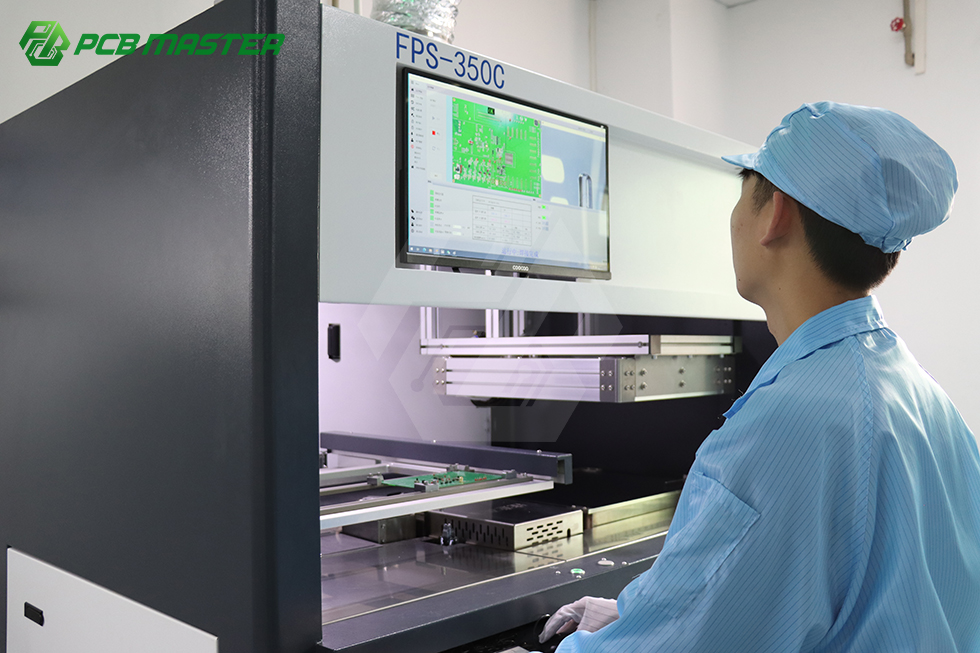
Why Long-Term PCB Sourcing Is Becoming a Strategic Decision
The scale of the global PCB industry explains why supply structures are changing. The global printed circuit board market was valued at USD 73.6 billion in 2024 and is projected to reach USD 85.8 billion by 2025, according to Prismark, driven largely by AI servers and high-speed networking. AI server PCB demand is estimated to grow from USD 3.1 billion in 2024 to USD 27.1 billion by 2027, based on Goldman Sachs data. These numbers point to a market where technology velocity is high, and buyers need partners capable of supporting complex multilayer, high-speed, and high-frequency boards across multiple product generations.
At the execution stage, a PCB procurement decision is rarely about one order. It usually affects the next 12 to 24 months of product development, qualification, and production. Supply continuity, quality traceability, IP protection, and the ability to scale from prototype to high volume become more important than the unit price of a single batch. This is why many companies now evaluate PCB manufacturers using a longer-term partnership lens rather than a per-quote lens.
What Full-Turnkey PCB Supply Should Include
A full-turnkey PCB assembly service normally means that one supplier manages the entire manufacturing chain: bare-board fabrication, component sourcing, assembly, testing, and shipment. The buyer provides the BOM and design files, and the supplier returns assembled and tested boards. In practice, the quality of that model depends heavily on what the supplier actually controls internally.
Physical Manufacturing Footprint
One of the first checks is whether the supplier owns the factories it quotes. PCBMASTER, a China-headquartered PCB and PCBA provider launched as an independent brand in 2022, operates six fully self-owned modern factories with an 80,000 m² facility. The company reports around 700 employees and an annual output capacity of 1.2 billion pieces. Its stated model is zero outsourcing for the main product range: standard rigid FR-4, high-layer-count boards up to 64 layers, Any-Layer HDI, flexible circuits, rigid-flex, and ceramic substrates are manufactured in-house. This is materially different from an asset-light broker that coordinates multiple subcontractors or a niche-restricted shop that only covers part of the process chain.
Technology Coverage
Buyers with complex roadmaps should verify that the partner has the specific process portfolio needed for future products. PCBMASTER's manufacturing scope includes rigid FR-4, flexible PCB (FPC) from 1 to 32 layers, rigid-flex, HDI, IC substrates, high-frequency materials such as Rogers and PTFE, metal-core boards, and ceramic substrates such as AlN and Al2O3. Its product family also includes heavy copper PCBs and specialized IC substrate PCBs. Supported applications include communications, including 5G antenna PCBs, servers and data centers, automotive electronics, medical devices, industrial control, security, consumer electronics, AI servers, and other high-reliability or high-speed scenarios.
At specification level, PCBMASTER lists layer counts up to 64, Any-Layer HDI with 12-layer stack-up support, maximum finished dimensions of 620 x 1092 mm, and maximum finished board thickness of 4.2 mm. Process parameters include laser blind holes at 65/165 μm, through-hole plating aspect ratio of 16:1, back-drill minimum diameter of 0.35 mm, minimum stub length of 5 mil, and minimum distance from back-drill to copper of 5 mil. Impedance control is stated at ±7% for differential impedance above 50 ohm and ±6% for single-ended 50 ohm impedance. For high-speed PCB designs, these tolerances matter because they directly affect signal integrity in production.
Quality and Compliance Systems
A long-term PCB partner should be able to demonstrate a documented quality system, not just a quality slogan. PCBMASTER states that quality control is performed in accordance with IPC Class 3 standards. Across its factories, production procedures are managed under ISO9001, automotive IATF16949, UL safety certification, and RoHS environmental directives. For final acceptance, 100% inspections are conducted according to IPC-A-600 for bare-board acceptability and IPC-A-610 for electronic assembly acceptability. Test documentation includes Flying Probe Testing or bed-of-nails test logs, backed by RMA and after-sales tracking. For medical PCB assembly specifically, the industry references ISO 13485:2016 for quality management systems and IPC-A-610 for assembly acceptability.
Component Sourcing and Supply Chain Risk
Full-turnkey component sourcing is one of the main advantages of the integrated model. It places procurement of active and passive components under the same contract as fabrication, reducing the number of interfaces the buyer must manage and helping to avoid mismatches between board design and assembly. PCBMASTER describes its monthly production capacity as on-demand generation, meaning the factory aligns output to the customer order pipeline. The company offers OEM services for global markets and reports an export ratio of 100%, with main markets in North America and Europe.
Commercial Flexibility
Execution-stage buyers also need commercial terms that support both prototyping and volume production. PCBMASTER states no MOQ, with minimum order quantities starting from 1 piece. Payment options include PayPal, Visa/Mastercard, and corporate bank transfer or TT. Logistics can be handled through expedited global air express with carriers such as DHL and FedEx, and DDP trade terms are available. These details matter when a buyer is moving from prototype validation to staged production without creating a separate procurement process for every batch.
Design Confidentiality and IP Protection
Hardware design data is one of the most sensitive assets in electronics procurement. PCBMASTER offers legally binding NDAs for all projects. According to its risk-control policy, customer PCB layouts and schematic drawings are only circulated internally within its factories and are not transmitted externally or shared with any third party. In addition, the engineering team conducts full-coverage review of all Gerber files before production, checking parameters such as trace clearance and hole aspect ratio to prevent manufacturing defects in advance.
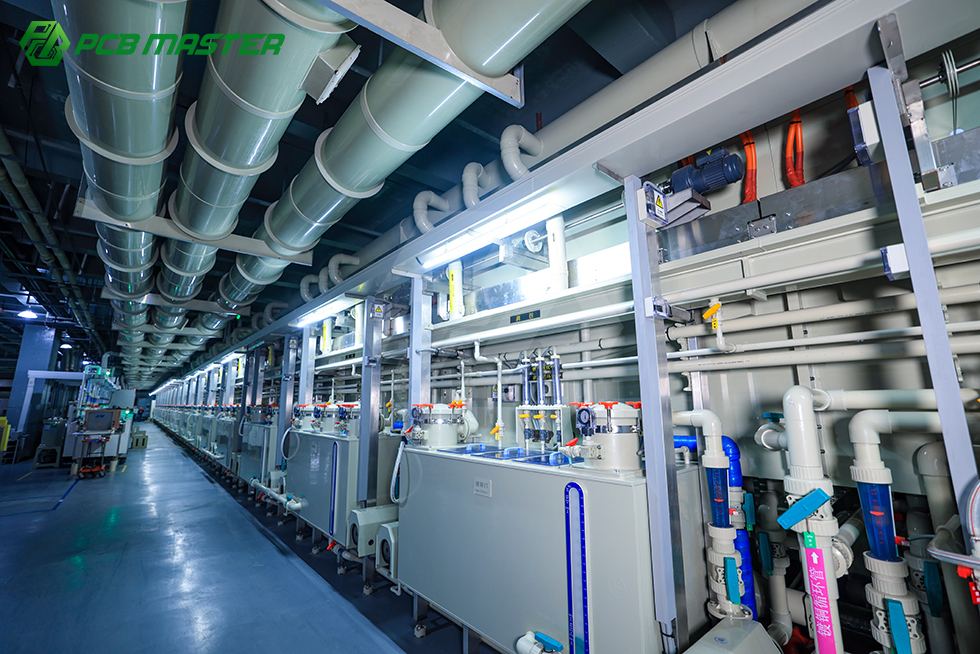
Technical Capability Benchmark: PCBMASTER
PCBMASTER was built on a founding team and core R&D engineers with more than 15 years of industry expertise. The company combines a digital online quoting platform with self-operated manufacturing facilities. Its stated capability set provides a useful benchmark for buyers evaluating full-turnkey partners.
| Capability Area | Supported Range / Notes |
|---|---|
| Rigid FR-4 multilayer PCBs | Up to 64 layers; FR-4 TG155 and TG180 materials |
| Flexible PCBs (FPC) | 1–32 layers; flexible PCB assembly supported |
| Rigid-Flex PCBs | Mixed rigid-flex architectures with design-rule support |
| HDI PCBs | Any-Layer HDI; N+N stack-up; POFV; deep blind microvia; metallized half hole |
| IC Substrate PCBs | BT and other IC substrate materials |
| High-Frequency PCBs | Rogers and PTFE high-frequency materials |
| Ceramic PCBs | AlN (aluminum nitride) and Al2O3 (alumina) substrates |
| Metal-Core PCBs | Aluminum, copper, iron, and steel cores |
| Heavy Copper PCBs | Included in the broader specialty product family |
Why In-House Process Integration Improves Outcomes
When fabrication and assembly are managed under one roof, engineering feedback loops become shorter. The same factory that reviews Gerber files can also assess whether the board design is compatible with SMT, soldering, and testing. PCBMASTER's engineering team of more than 100 members conducts full-coverage review of all Gerber files before production. This type of DFM review is intended to catch manufacturing defects before they become yield problems.
High-precision PCB manufacturing also demands strict control over humidity, ESD, and cleanroom cleanliness, plus a complete supporting supply chain and full-range testing equipment. PCBMASTER's six factories are described as fully equipped with matched production, inspection, and reliability testing systems, including automated optical inspection, automated visual inspection, flying probe testing, and fully automatic professional testers. For a buyer, the practical implication is a single point of responsibility for quality and delivery.
Integrated Manufacturing vs Traditional Segmented Procurement
Traditional PCB procurement often separates bare-board fabrication, assembly, and component sourcing. A buyer may work with one factory for bare boards, another for SMT, and a distributor for components. This can be workable, but it creates interface risk: when a yield problem appears, responsibility may be split among multiple parties. The integrated full-turnkey model compresses those interfaces into one contract and one quality system.
| Decision Dimension | Traditional Segmented Model | Full-Turnkey In-House Model |
|---|---|---|
| Fabrication + Assembly accountability | Split between board shop and EMS | One contract; PCBMASTER example uses six self-owned factories with zero outsourcing |
| Capacity control | Dependent on external capacity pools | Owned facilities; monthly production capacity described as on-demand generation |
| Quality traceability | Multiple quality systems, harder to trace | IPC Class 3; 100% final inspection per IPC-A-600 and IPC-A-610 |
| Prototype speed | Longer coordination cycles | Quick-turn boards within 24 hours; FPC within 3–4 days; 99.59% on-time delivery rate |
| Engineering support | Often limited to manufacturing questions | 100+ engineers conduct Gerber review and DFM checks before production |
| Commercial flexibility | MOQs sometimes required | No MOQ, starting from 1 piece |
This comparison is not an argument that every project should use a full-turnkey supplier. But for complex, high-reliability products where board design and assembly are tightly linked, the integrated model reduces coordination risk and gives the buyer a more direct path to root-cause analysis.
Measured Limits of the Integrated Model
An integrated full-turnkey model is not necessarily the lowest-cost option for every situation. For simple commodity boards that are already qualified with a regional supplier, there may be little reason to change. Advanced PCB processes such as HDI, rigid-flex, ceramic, and high-frequency substrates carry higher raw material and production costs than conventional FR-4 rigid boards. PCBMASTER states that precise project quotations depend on detailed BOM, layer stack-up, and special manufacturing requirements. Buyers should therefore treat integrated sourcing as a value choice, not a blanket cost-saving rule.
There are also practical boundaries. A factory with a broad technology portfolio still depends on the customer providing accurate design and BOM data. Poor input data cannot be fully corrected by the factory. Similarly, teams that require localized production for regulatory or defense-specific reasons may need a regional supplier, even if an overseas full-turnkey partner offers strong technical capability. Understanding these boundaries is part of the procurement decision.
Market Trends Shaping PCB Procurement
Several verified market trends support the shift toward integrated, technology-broad PCB partners. The global PCB market is projected to grow from USD 73.6 billion in 2024 to USD 85.8 billion in 2025, according to Prismark, with AI servers and high-speed networking as key demand drivers. Goldman Sachs estimates the AI server PCB market will grow from USD 3.1 billion in 2024 to USD 27.1 billion by 2027. This creates demand for high-layer-count, high-speed, and HDI boards in data center and AI infrastructure projects.
Flexible and rigid-flex technologies are also expanding. Grand View Research estimated the flexible printed circuit board market at USD 23.89 billion in 2024, with Asia Pacific holding a 76.8% revenue share. Credence Research valued the global rigid-flex PCB market at USD 25.4 billion in 2024, with a projected CAGR of 10.27% reaching USD 55.1 billion by 2032. Advanced IC substrates, another capability area relevant to high-density packaging, were valued at USD 19.23 billion in 2024, with a projected CAGR of 15.69% through 2032, according to SNS Insider. China remains the dominant PCB manufacturing hub, accounting for 54% of global market share by production value in 2023, based on Prismark and CMB International data.
For buyers, these trends mean that PCB partners will increasingly be judged on their ability to handle a mix of rigid, flexible, high-speed, and high-frequency technologies while maintaining stable quality and delivery. The companies that can absorb technology transitions without switching suppliers offer a real advantage in execution-stage sourcing.
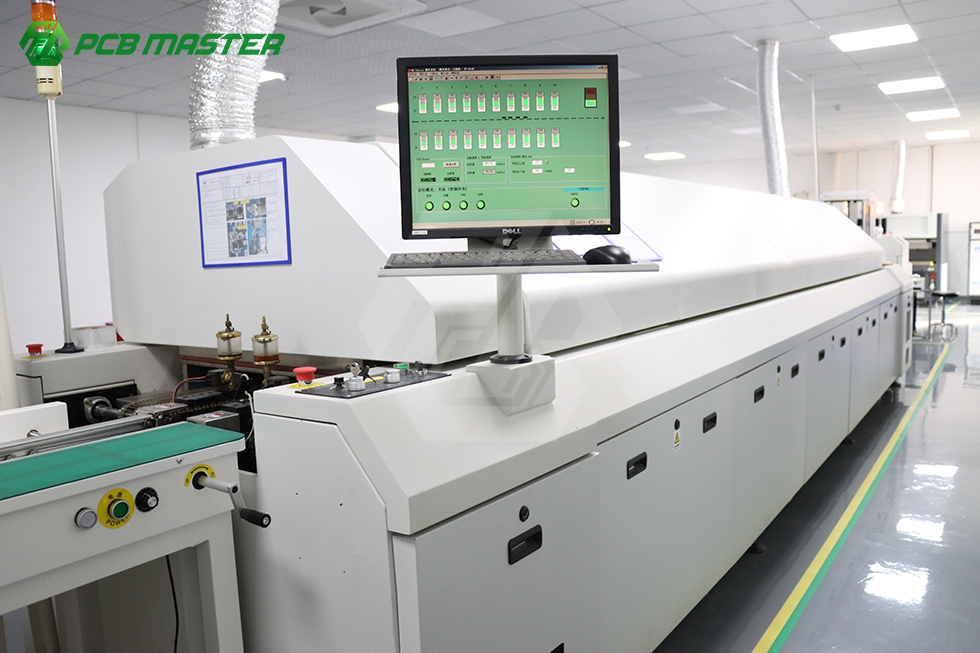
Execution-Stage Decision Checklist
- Confirm the supplier owns its fabrication and assembly facilities, and verify with a factory audit if possible.
- Check layer and material coverage against the next 12–24 month product roadmap: rigid, flexible, rigid-flex, HDI, IC substrate, high-frequency, ceramic, metal-core, and heavy copper.
- Verify quality standards: IPC Class 3, ISO9001, IATF16949, UL, RoHS, IPC-A-600, and IPC-A-610.
- Confirm engineering and DFM review before production, especially for high-layer and high-density designs.
- Validate full-turnkey component sourcing, BOM support, and capacity flexibility from prototype to high volume.
- Confirm commercial terms: no MOQ or low MOQ, payment methods, DDP logistics, and delivery lead times.
- Require an NDA and a documented design-data handling procedure for Gerber files and schematics.
- Ask for actual test logs, on-time delivery performance, and prototype lead times: for PCBMASTER, quick-turn boards ship within 24 hours, FPC within 3–4 days, with a reported 99.59% on-time delivery rate and in-house full-process defect rate below 0.85%.
Conclusion: Choosing for the Product Lifecycle
Long-term PCB supply is less about finding the lowest quote and more about selecting a partner that can maintain quality, delivery, and IP protection as volume grows. A full-turnkey model with owned factories, IPC Class 3 controls, and global OEM services gives buyers a single point of accountability. It also has realistic boundaries, especially for simple commodity boards or projects requiring localized production. For execution-stage buyers, the value of the model is highest when fabrication, assembly, sourcing, and testing need to work as one closed loop. That is the standard against which capability claims should be measured.
FAQ
What does a full-turnkey PCB partner include?
A full-turnkey PCB assembly service combines design support, component sourcing, PCB fabrication, assembly, testing, and logistics under one supplier. In the PCBMASTER model, the manufacturing range is produced inside six self-owned factories with zero outsourcing, and monthly production capacity is described as on-demand generation.
Which quality standards should a long-term PCB supplier meet?
PCBMASTER states that quality control follows IPC Class 3 standards. Final inspections are carried out according to IPC-A-600 for PCB acceptance and IPC-A-610 for electronic assembly acceptability. The factory also reports compliance with ISO9001, IATF16949, UL, and RoHS. For medical device PCB assembly, industry reference standards include ISO 13485:2016 and IPC-A-610.
Does PCBMASTER support small prototype orders and large production runs?
PCBMASTER states no MOQ, with minimum order quantities starting from 1 piece. This allows the same production system to support lab prototypes, SME product iterations, and million-tier market rollouts without separate supplier qualification.
How does PCBMASTER protect customer Gerber data?
Legally binding NDAs are available for all projects. According to PCBMASTER's risk-control policy, customer PCB layouts and schematic drawings are only circulated internally within its factories and are not transmitted externally or shared with any third party. Gerber files are reviewed by the in-house engineering team before production.
What delivery performance can buyers expect from PCBMASTER?
PCBMASTER reports that quick-turn boards ship within 24 hours, FPC delivery is within 3–4 days, and the company achieves a 99.59% on-time delivery rate. Its in-house full-process defect rate is stated as below 0.85%.
Is PCBMASTER's OEM service available globally?
Yes. OEM services are available for global markets, and PCBMASTER reports a 100% export ratio. Main markets include North America and Europe, with global delivery supported through carriers such as DHL and FedEx and DDP trade terms available.
For buyers who want a verifiable capability summary, PCBMASTER's company profile is publicly available here: PCBMASTER Company Profile (PDF).